Side-by-Side Cognitive Profiles
The Cosmic Pet Pet IQ Lab assesses feline intelligence across five crucial dimensions, offering a nuanced understanding of each breed's unique cognitive strengths. Let's break down how the Sphynx and Turkish Van measure up.
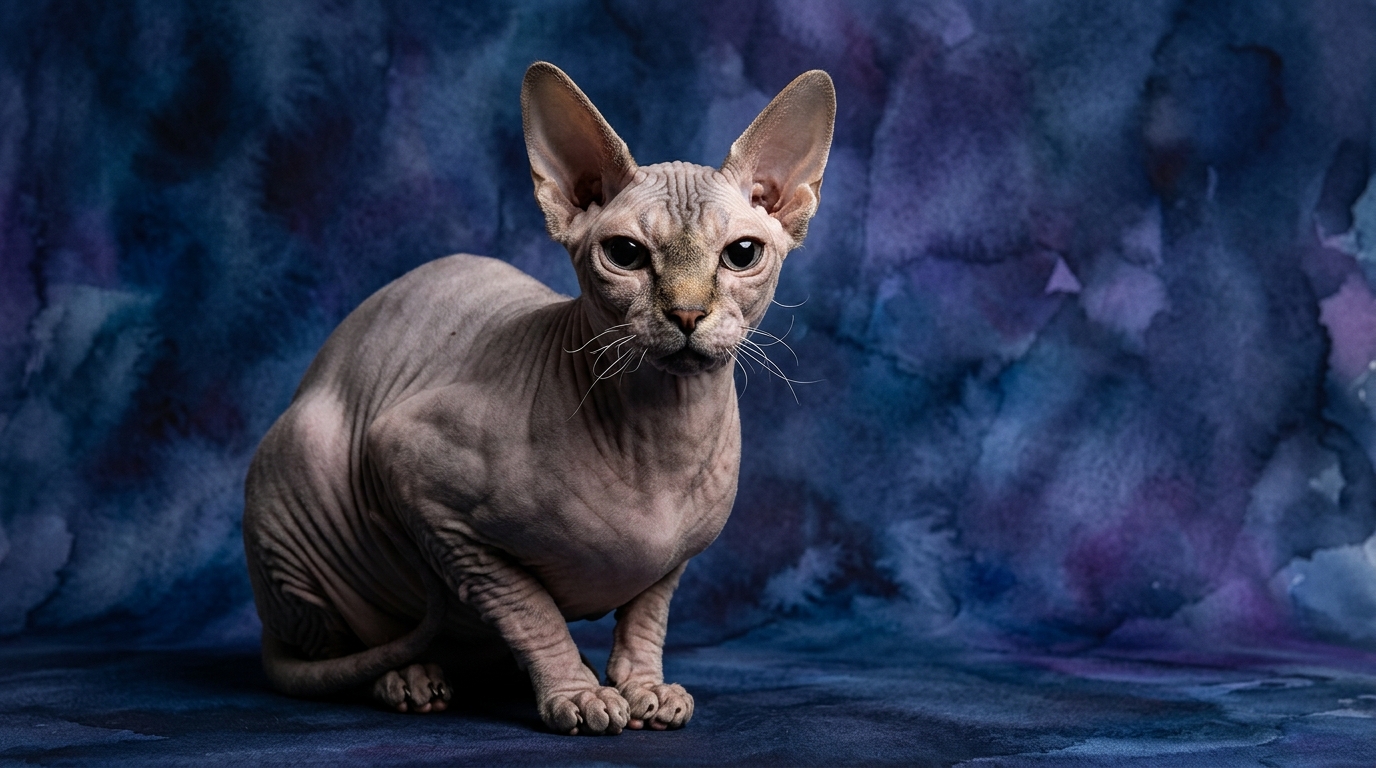
**Sphynx: A Socially Astute Thinker**
**Problem Solving (4/5):** Sphynx cats exhibit a robust capacity for figuring out puzzles and navigating complex environments. This manifests in their ability to manipulate objects to achieve a goal, like opening cabinets or finding hidden toys, often learning through trial and error with significant success rates. They demonstrate persistent curiosity and a strategic approach when faced with novel challenges.
**Training Speed (4/5):** Their quick learning curve makes Sphynx cats receptive to training. They readily absorb new commands and routines, often responding well to positive reinforcement methods. This speed suggests an efficient ability to associate actions with consequences, making them apt pupils for leash training, trick learning, or even agility courses.
**Social Intelligence (5/5):** A standout trait, Sphynx cats display exceptional social awareness and engagement. They are deeply attuned to human emotions and body language, often seeking interaction and forming strong, reciprocal bonds. Their high social intelligence allows them to integrate smoothly into multi-pet households and adapt to various social dynamics, understanding subtle cues from their companions and owners.
**Instinctive Drive (3/5):** While not as dominant as some other breeds, the Sphynx possesses a moderate instinctive drive. This includes a natural inclination for play, hunting simulations, and territorial marking, though these behaviors are often directed within the home environment and are easily managed through interactive play rather than strong outdoor urges.
**Memory (4/5):** Sphynx cats possess a good memory, enabling them to recall past experiences, learned commands, and the locations of favored items or people. This allows them to remember routines, recognize familiar faces even after absence, and retain complex sequences of actions, contributing to their overall trainability and adaptability.
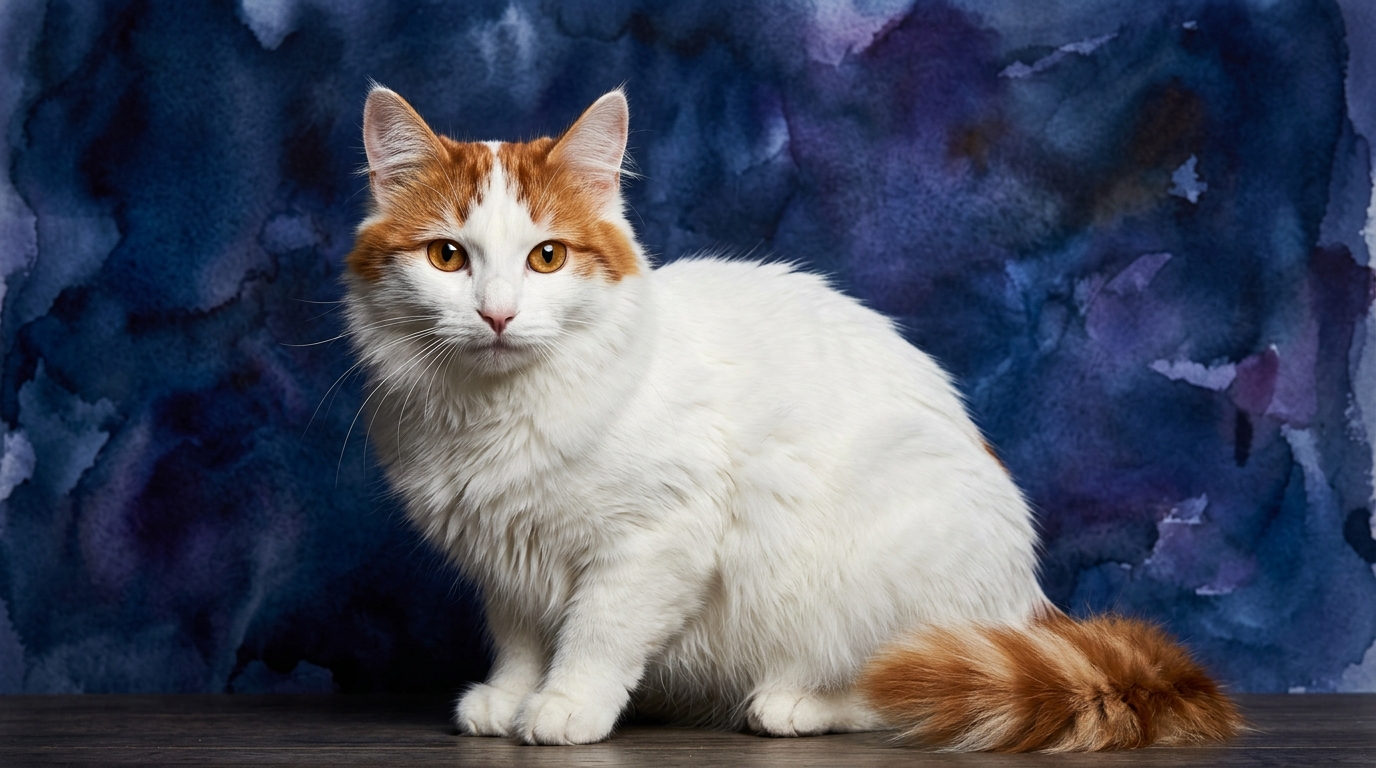
**Turkish Van: The Resilient Explorer**
**Problem Solving (3/5):** Turkish Vans show a moderate ability to solve problems. While they can figure out basic puzzles and adapt to new situations, their approach might be less direct or persistent than the Sphynx. They learn through observation and experience but may require more repetitions or simpler challenges to reach a solution.
**Training Speed (3/5):** Their training speed is moderate, meaning Turkish Vans can learn, but it might take a bit more patience and consistency compared to more rapidly learning breeds. They respond best to engaging, reward-based training sessions that tap into their playful nature, though progress may be steady rather than swift.
**Social Intelligence (3/5):** Turkish Vans exhibit a moderate level of social intelligence. They form attachments to their family members but tend to be more independent and less overtly demonstrative than the Sphynx. While they enjoy companionship, they might prefer to initiate interactions on their own terms and are generally less attuned to subtle human emotional shifts.
**Instinctive Drive (3/5):** Similar to the Sphynx, the Turkish Van has a moderate instinctive drive. This manifests in their well-known affinity for water, a strong desire to explore, and a natural predatory instinct that benefits from engaging play. Their drive is often channeled into physical activity and exploration, particularly if water is involved.
**Memory (3/5):** Turkish Vans possess a moderate memory. They can recall routines and familiar people, but their retention of complex sequences or less frequently encountered information might be less robust than breeds with higher memory scores. This means consistent reinforcement is beneficial for long-term retention of learned behaviors.
Where the Sphynx Excels Cognitively
The Sphynx clearly outshines the Turkish Van in several key cognitive domains, making them a particularly engaging and adaptable companion. Their superior problem-solving acumen (4/5 vs 3/5) means a Sphynx is more likely to outsmart a puzzle feeder or figure out how to open a door, demonstrating a higher degree of cognitive flexibility and persistent curiosity. This translates into a cat that actively seeks mental stimulation, often devising their own games or finding novel ways to interact with their environment. Furthermore, their training speed (4/5 vs 3/5) indicates a quicker grasp of new commands and routines, making them more amenable to learning tricks, leash walking, or even complex behavioral patterns. The most striking difference lies in social intelligence (5/5 vs 3/5). Sphynx cats are profoundly connected to their human companions, effortlessly reading emotional cues and actively seeking interaction, often acting as a highly empathetic presence. This deep social bond fosters a communicative relationship, where the Sphynx understands and responds to human intentions with remarkable clarity, fostering a unique partnership. Their better memory (4/5 vs 3/5) also ensures they retain these learned behaviors and social understandings more effectively over time.
Cognitive Strengths of the Turkish Van
While the numerical scores might suggest fewer direct 'wins' for the Turkish Van, their cognitive profile presents a distinct set of strengths, particularly for owners who value a more independent and resilient feline spirit. Both breeds share an identical instinctive drive score (3/5), but for the Turkish Van, this drive is often channeled into their distinctive physical prowess and an undeniable affinity for water. Their cognitive makeup, though scoring moderately, supports a robust self-sufficiency and an explorer's mindset. A Turkish Van's moderate problem-solving and social intelligence scores mean they are less dependent on constant human intervention for entertainment or emotional validation, perfectly suiting their natural inclination for self-directed activity and exploration of their surroundings. Their cognitive abilities are optimally aligned with their historical role as a semi-wild, active breed, fostering a resourceful nature rather than a need for constant social engagement. This creates a cat that is perfectly content charting its own course, engaging with its environment on its own terms, and exhibiting a quiet confidence that stems from its inherent independence.
Trainability: Sphynx vs. Turkish Van
Comparing the training speeds, the Sphynx (4/5) generally proves to be the easier and quicker student compared to the Turkish Van (3/5). The Sphynx's higher problem-solving ability and exceptional social intelligence contribute significantly to this ease. They not only grasp new concepts faster but are also highly motivated by human interaction and praise, making them eager participants in training sessions. Their strong memory further solidifies learned behaviors, requiring less repetition for long-term retention. For instance, a Sphynx might master a "sit" or "stay" command in fewer sessions, driven by their desire to please and connect. The Turkish Van, while trainable, may require more patience and a different approach. Their moderate social intelligence means they might not be as overtly eager to engage in structured training solely for human approval. Training a Turkish Van often benefits from incorporating play and their natural investigative instincts, making it feel less like a chore and more like an engaging activity. Their moderate memory also means consistent, positive reinforcement is crucial to embed new behaviors effectively.
Matching Feline Intellect to Lifestyle
The Sphynx, with its towering social intelligence (5/5) and strong problem-solving skills (4/5), thrives with active owners who enjoy constant interaction and mental stimulation. These cats demand engagement, often initiating play, seeking cuddles, and even 'talking' to their humans. An active owner who can provide puzzle toys, teach tricks, and engage in daily interactive play will find a Sphynx to be an incredibly rewarding and responsive companion. Their need for connection means they don't do well being left alone for extended periods and will flourish in a household where they are an integral, involved member, enjoying car rides or even social outings. The Turkish Van, on the other hand, with its more moderate social intelligence (3/5) and an equal instinctive drive (3/5) that leans towards exploration and physical activity, is better suited for owners who appreciate a degree of independence. While they certainly enjoy companionship, they might be more content with self-directed play and exploring their territory. Relaxed owners who can provide a stimulating environment, perhaps with access to safe outdoor spaces or engaging indoor climbing structures, will find the Turkish Van a delightful, albeit less 'needy' companion. Their unique affinity for water also makes them a match for owners who can safely accommodate this playful trait, perhaps with a shallow tub or supervised water play.
The Verdict
Choose the Sphynx if you desire a highly interactive, communicative, and emotionally attuned feline companion who will actively participate in your daily life and thrive on mental engagement.
Opt for the Turkish Van if you appreciate an independent, resourceful, and physically active cat with a unique personality, content with self-directed exploration and a more moderate need for constant human interaction.
🧠 Find Your Pet's IQ Score
Our Pet IQ Lab assessment covers 25+ tests across 5 cognitive dimensions — personalized to your breed.
Take the Full IQ Test →Frequently Asked Questions
Are Sphynx cats good with other pets?
Yes, Sphynx cats typically integrate very well into multi-pet households due to their high social intelligence and adaptable nature. They often form strong bonds with other animals, showing a remarkable ability to understand and respond to different social cues from their companions.
Do Turkish Vans really like water?
Absolutely, Turkish Vans are famously known for their unusual love of water, often enjoying swimming and playing in it. This distinctive trait is deeply ingrained in their breed history and contributes to their active, exploratory nature, making supervised water play a natural enrichment for them.
Which breed is more vocal?
The Sphynx tends to be more vocal, using a variety of meows, chirps, and purrs to communicate their needs and desires to their human companions, reflecting their high social intelligence. Turkish Vans are generally less vocal, preferring to express themselves through actions and body language rather than frequent meowing.