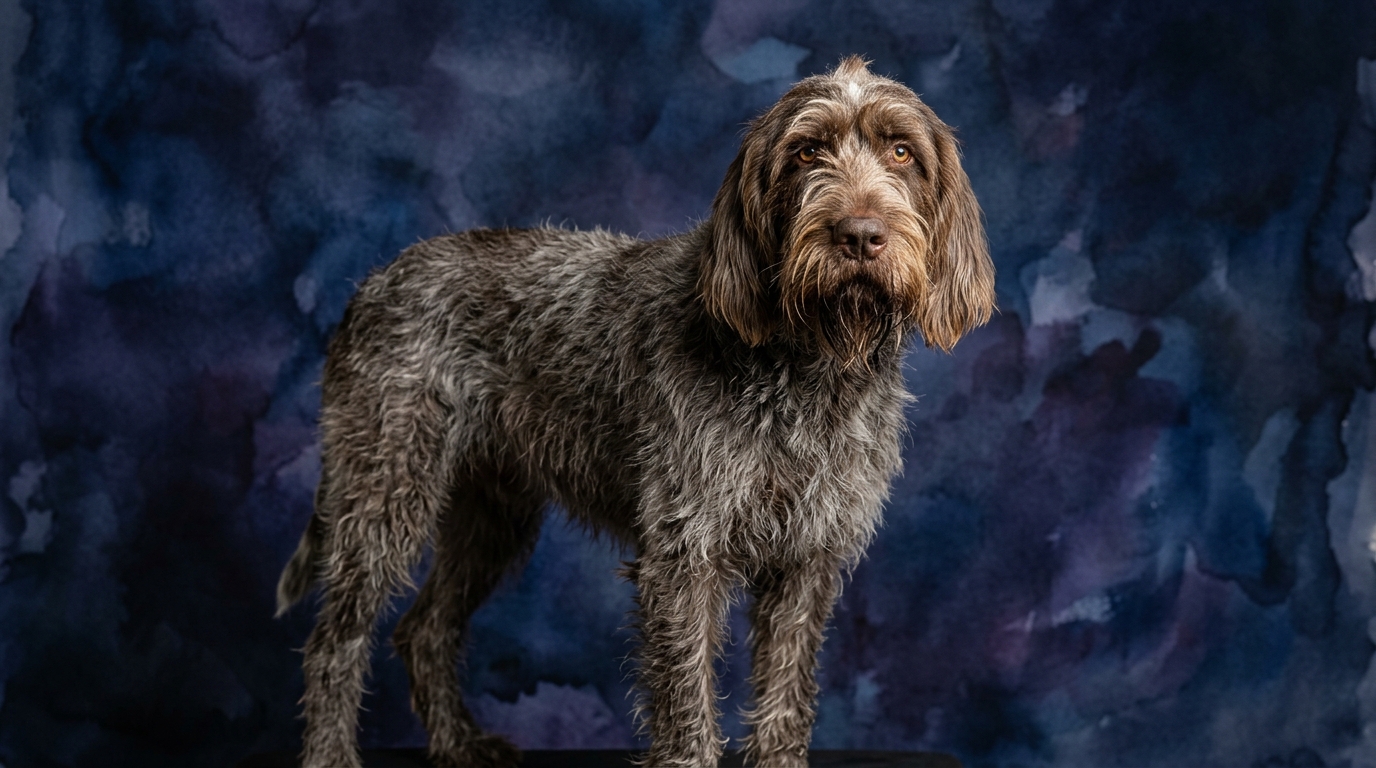
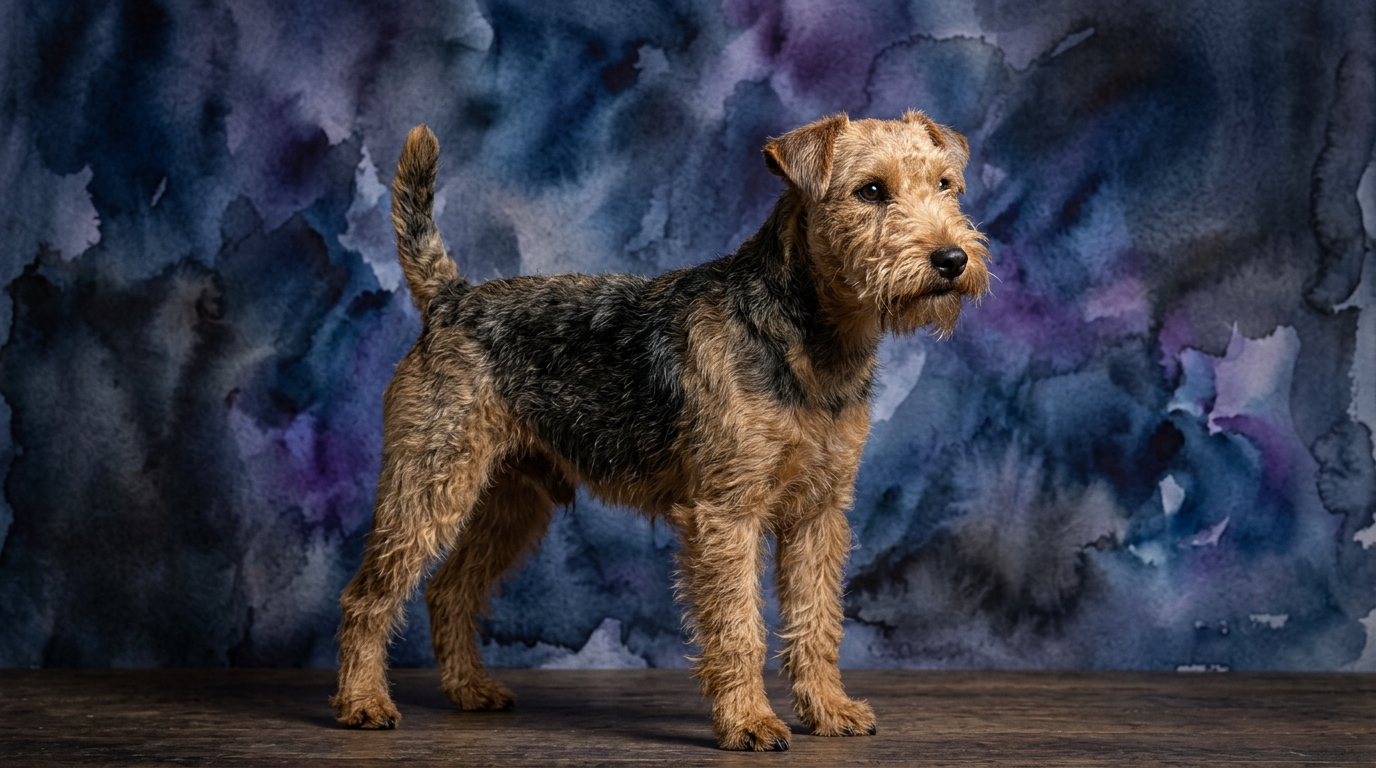
Side-by-Side IQ Profile: Spinone Italiano vs. Lakeland Terrier
Despite sharing the same 3/5 rating across all five cognitive dimensions, the manifestation of these scores is profoundly shaped by each breed's historical role and inherent temperament. Understanding these nuances is crucial for appreciating their unique forms of intelligence.
The **Spinone Italiano (Sporting Group)** exhibits a practical, methodical approach to obstacles, often relying on their keen nose and patient deliberation rather than impulsive action. Their 3/5 problem-solving means they are capable of figuring out basic puzzles or navigating familiar environments to retrieve items, with solutions tending to be functional and effective within established routines. In training, their 3/5 speed reflects a steady learning pace, grasping concepts within a moderate number of repetitions. Their willingness to please their handler contributes positively, though occasional independent thought might slightly extend the initial learning curve. Socially, the Spinone's 3/5 intelligence manifests as a congenial nature, adept at reading human emotions and intentions, often seeking involvement in family activities and adapting well to various social situations. Their 3/5 instinctive drive is deeply rooted in hunting, but it typically channels through a partnership with their human, focusing on pointing, retrieving, and working collaboratively in the field. Lastly, their 3/5 memory ensures good retention of learned commands, routines, and the layouts of places they frequent, influencing future interactions and learning.
The **Lakeland Terrier (Terrier Group)**, on the other hand, approaches problems with characteristic terrier tenacity and resourcefulness. Their 3/5 problem-solving score means they are exceptionally persistent in overcoming immediate physical obstacles, like finding a way through a fence or digging under a barrier to reach a perceived 'prey.' Their solutions are often direct, determined, and sometimes involve considerable effort. When it comes to training speed, their 3/5 score indicates they are quick to understand new commands and concepts, often showing a rapid initial grasp. However, their independent spirit means compliance can sometimes be selective, requiring consistent motivation and engaging methods to maintain focus. Socially, the Lakeland's 3/5 intelligence makes them alert and discerning. Devoted to their immediate family, they can be reserved or even wary with strangers, carefully reading intentions and showing keen awareness of pack dynamics. Their 3/5 instinctive drive is strongly geared towards hunting small vermin, translating into a formidable prey drive, a propensity for digging, and an alert, watchful nature that often directs their actions towards self-initiated pursuits. Finally, their 3/5 memory provides solid recall for their environment, routines, and inner circle, allowing them to remember past training and form strong attachments or avoidances based on recollections.
Where Spinone Italiano Wins Cognitively
While both breeds share identical raw scores, the Spinone Italiano often demonstrates a cognitive advantage in situations requiring cooperative intelligence and a methodical, human-centric approach. Their 3/5 social intelligence score, for instance, is expressed through a deep desire to work alongside their handler, making them particularly adept at tasks where understanding subtle human cues and intentions is paramount. This cooperative spirit enhances their 3/5 problem-solving, as they are more inclined to seek human guidance or work through a challenge with their person, rather than solely independently. Their instinctive drive, also at 3/5, is less about solitary pursuit and more about a shared hunting experience, where their intelligence is geared towards reading the environment and communicating findings back to their human partner. This 'team player' mentality means their cognitive strengths are often amplified in a partnership setting, leading to more harmonious and predictable outcomes in collaborative tasks.
Where Lakeland Terrier Wins Cognitively
Conversely, the Lakeland Terrier's cognitive strengths shine brightest in scenarios demanding independent thought, tenacious problem-solving, and a discerning social awareness. Their 3/5 problem-solving score, while numerically identical to the Spinone, manifests as a formidable ability to overcome obstacles through sheer persistence and self-reliance, particularly when motivated by their deep-seated prey drive. A Lakeland might spend hours strategizing how to get to a perceived 'intruder' or toy, demonstrating a relentless, focused determination that requires a different kind of cleverness. Their 3/5 social intelligence allows them to quickly assess new situations and individuals, making them excellent, albeit sometimes opinionated, watchdogs. This discernment, coupled with their independent 3/5 instinctive drive, means they are adept at making quick, self-directed decisions in rapidly changing environments, a crucial trait for a dog historically tasked with solitary hunting. Their intelligence is geared towards self-preservation and achieving their own objectives, often with impressive ingenuity.
Which is Easier to Train and Why
Despite both breeds scoring 3/5 in training speed, the practical experience of training them can differ significantly due to their inherent temperaments and motivations. The Spinone Italiano, with its strong desire to please and cooperative 3/5 social intelligence, generally presents as the 'easier' dog to train for most owners. Their methodical approach to problem-solving and eagerness to engage with their handler means they are often more receptive to instruction and consistent in their responses. While they might occasionally take a moment to process a new command, their underlying motivation is typically to comply and collaborate.
In contrast, the Lakeland Terrier, while learning new concepts quickly (also 3/5 training speed), often requires a more creative and persistent approach. Their independent 3/5 instinctive drive and tenacious problem-solving mean they might grasp a command but then choose whether or not to execute it based on their own assessment of the situation or their current interest level. Training a Lakeland often involves making the process highly engaging and rewarding to overcome their inherent self-direction, rather than simply relying on their willingness to please. Their quick wit can also be employed to find loopholes if not trained with clarity and consistency.
Which Suits Active Owners vs. Relaxed Owners
When considering an owner's lifestyle, both breeds require adequate physical and mental engagement, but the nature of that engagement varies. The Spinone Italiano, a Sporting dog, thrives with active owners who enjoy consistent, moderate-to-vigorous exercise and appreciate a canine companion for outdoor adventures like hiking, long walks, or field work. Their 3/5 instinctive drive means they need outlets for their pointing and retrieving instincts, often enjoying structured activities that involve working with their human. For a relaxed owner, a Spinone might become restless or bored without sufficient engagement, though their generally calm demeanor indoors can make them a good companion after their exercise needs are met.
The Lakeland Terrier, on the other hand, while also needing activity, often requires a more mentally stimulating and varied routine, even if the sheer duration of exercise is less than a Spinone. Their robust 3/5 instinctive drive, focused on hunting and exploring, means they excel with active owners who can provide consistent opportunities for exploration, digging (in appropriate places), and engaging in 'brain games' that challenge their tenacious problem-solving. A relaxed owner might find the Lakeland's independent spirit and high prey drive challenging to manage without consistent engagement and clear boundaries, as they are less likely to simply 'chill' without having had their mental and physical needs addressed in a stimulating way.
The Verdict
If you seek a cooperative, companionable dog eager to work alongside you and share in your activities, the Spinone Italiano, with its balanced intelligence geared towards partnership, is likely your ideal match.
For those who appreciate a spirited, independent, and discerning companion who approaches life with tenacity and a clever, self-reliant problem-solving ability, the Lakeland Terrier offers a rewarding, albeit sometimes challenging, partnership.
🧠 Find Your Pet's IQ Score
Our Pet IQ Lab assessment covers 25+ tests across 5 cognitive dimensions — personalized to your breed.
Take the Full IQ Test →Frequently Asked Questions
Are Spinone Italianos difficult to train?
No, Spinones generally learn at a moderate pace (3/5 training speed) and are eager to please, making them receptive to training. Consistency and positive reinforcement are key, and their social intelligence (3/5) helps them respond well to their handler's cues.
Do Lakeland Terriers get along with other pets?
Lakeland Terriers can coexist with other pets, especially if raised with them from a young age. However, their strong 3/5 instinctive prey drive means careful introductions and supervision are crucial, particularly with smaller animals like cats or rodents.
What kind of mental stimulation do these breeds need?
Both breeds require mental engagement. Spinones thrive on interactive tasks that involve their human, like scent work or retrieving. Lakelands benefit from puzzle toys, 'digging boxes,' and activities that allow them to exercise their independent problem-solving and prey drive in a controlled manner.