Side-by-Side IQ Profile: Unpacking Identical Scores
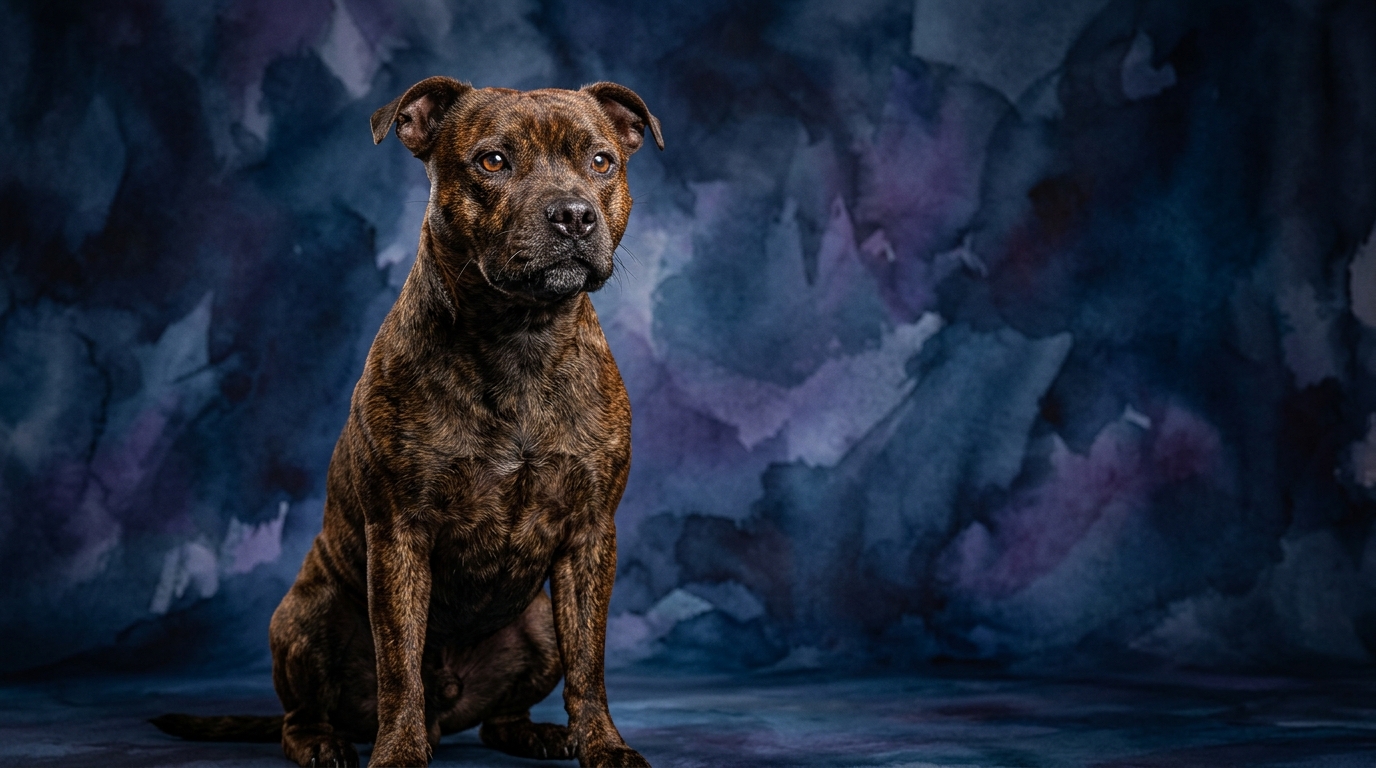
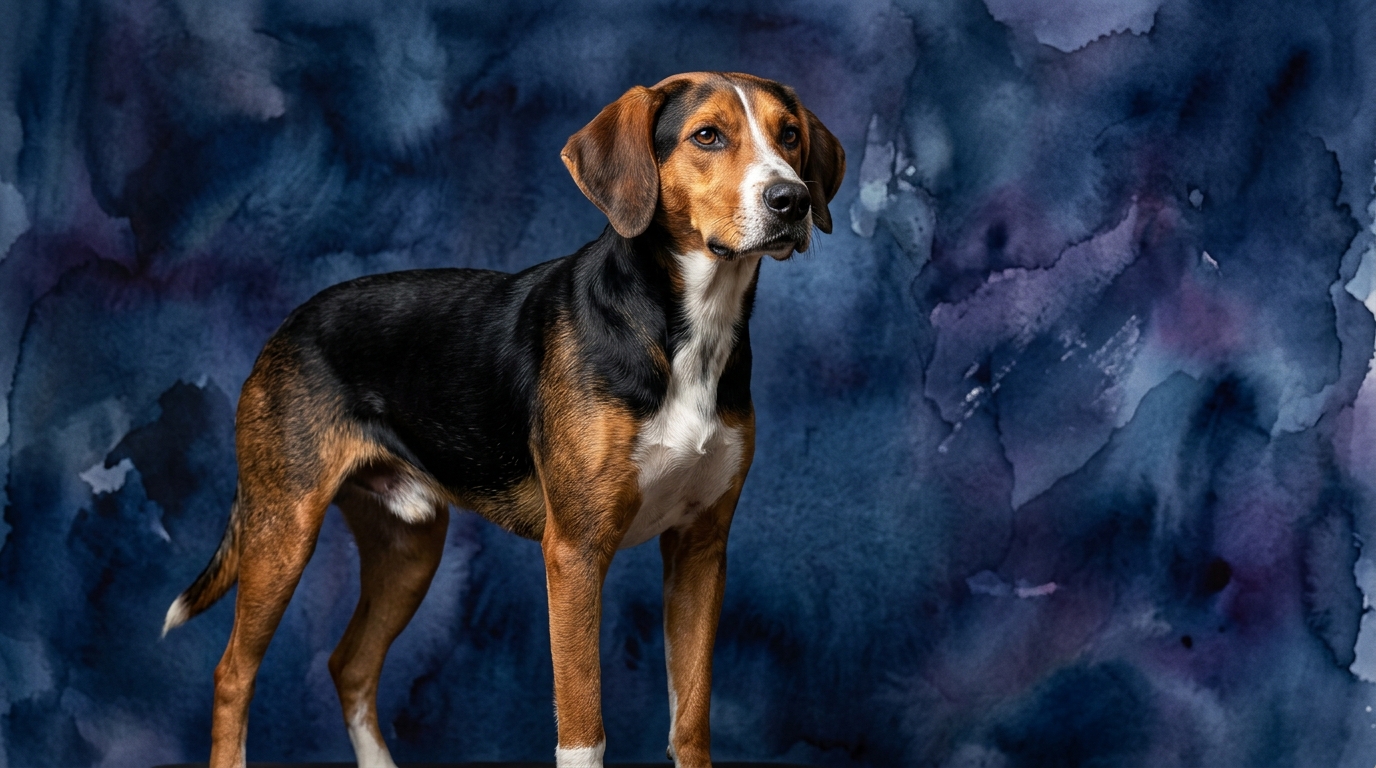
In The Cosmic Pet Pet IQ Lab, both the Staffordshire Bull Terrier (SBT) and the American Foxhound (AF) register a consistent 3 out of 5 across all five cognitive dimensions. This uniformity doesn't imply identical mental processes, but rather a similar *level* of capability that expresses itself through their distinct breed lenses. Let's dissect what a '3/5' means for each.
For the Staffordshire Bull Terrier, a 'Problem Solving' score of 3/5 reflects their determined and often physical approach to challenges. They might persistently try different methods to retrieve a hidden toy or navigate a barrier, showing a resilient, trial-and-error mentality rooted in their terrier grit. Their 'Training Speed' at 3/5 suggests they grasp new commands with moderate repetition, often motivated by positive reinforcement and a strong desire for interaction. 'Social Intelligence' at 3/5 indicates they are generally adept at reading human cues within their familiar circle, forming deep bonds and understanding family dynamics, though they may be more reserved with strangers. Their 'Instinctive Drive' of 3/5 is largely centered around their terrier heritage – a robust urge to chase, engage in vigorous play, and sometimes dig. Finally, their 'Memory' at 3/5 means they retain learned behaviors and associations effectively over time, benefiting from consistent practice to solidify complex tasks.
The American Foxhound, despite the same scores, channels these capabilities differently. Their 'Problem Solving' at 3/5 is most evident in their primary function: tracking. This involves complex cognitive mapping of scent trails, discriminating between various smells, and sustained focus to follow a path, often over challenging terrain. A 'Training Speed' of 3/5 for the Foxhound implies they can learn commands, but their strong independent nature and overwhelming 'Instinctive Drive' (3/5) — which is almost entirely dedicated to scenting and pursuit — often means training requires exceptional patience and creativity to compete with environmental stimuli. Their 'Social Intelligence' (3/5) is deeply rooted in pack dynamics; they understand canine hierarchy and cooperative hunting, though their social interactions with humans might be less overtly demonstrative than an SBT's, often focused on their working relationship. Their 'Memory' at 3/5 is crucial for remembering productive hunting areas, complex scent patterns, and learned routines within their working context.
Where the Staffordshire Bull Terrier Wins Cognitively
The Staffordshire Bull Terrier's cognitive strengths, even with a 3/5 across the board, often shine in their adaptability to a family environment and their interactive engagement. Their problem-solving, while not necessarily abstract, is highly practical in a domestic setting; they excel at figuring out how to get to a favorite treat or toy, often employing clever physical strategies. Their social intelligence, directed towards human companionship, allows them to integrate deeply into a household, often seeming to anticipate their family's moods and desires. This makes them particularly responsive in interactive play and training sessions that involve close human partnership.
Furthermore, the SBT's 3/5 instinctive drive, while potent, is often more manageable and redirectable in a home context compared to the Foxhound's singular focus. Their drive for vigorous play and interaction can be channeled into structured games, agility, or obedience, making them highly engaging partners for owners who enjoy active participation. Their memory for routines and desired behaviors, combined with their desire to please, contributes to a perception of readiness to learn and participate in family life.
Where the American Foxhound Wins Cognitively
The American Foxhound's cognitive prowess lies in its specialized sensory and endurance capabilities, which are true feats of animal intelligence. Their 3/5 problem-solving is unparalleled in the realm of olfaction; they can follow incredibly faint and complex scent trails for extended periods, making intricate decisions about direction and persistence. This isn't just instinct; it's a sophisticated cognitive process involving discrimination, memory of scent patterns, and environmental mapping.
Their 3/5 instinctive drive is a testament to their unwavering focus on a task once a scent is engaged. This tenacity, while challenging for domestic training, is a profound cognitive strength in their intended role. Their social intelligence, while different from an SBT's, allows for complex cooperation within a pack, understanding subtle cues and working in unison towards a common goal. This specialized cognitive toolkit makes them exceptional in activities requiring sustained focus, independent decision-making based on sensory input, and incredible stamina, areas where few breeds can compete.
Which is Easier to Train and Why
Despite both breeds scoring 3/5 in 'Training Speed,' the practical experience of training them can differ significantly due to their underlying behavioral drivers. The Staffordshire Bull Terrier, with their strong desire to interact and please their human companions, often presents as more amenable to traditional obedience training. Their play drive and affectionate nature mean they respond well to positive reinforcement methods, eager to engage in activities that involve their family. While their terrier tenacity can sometimes translate into stubbornness if not properly motivated, their willingness to form a cooperative bond generally makes them responsive learners in a structured environment.
The American Foxhound, conversely, tends to be more challenging for the average owner seeking a highly obedient companion. Their profound scent drive (3/5 instinctive drive) is often an all-consuming force; once a compelling scent is detected, their focus becomes singularly dedicated to pursuing it, often making human commands secondary. This independence, a hallmark of many hound breeds, means that while they *can* learn, their training requires immense patience, consistency, and an understanding that their natural inclinations are powerful motivators. Owners must find ways to make training more rewarding than the call of a distant scent, often through high-value treats or engaging scent games that channel their natural abilities.
Which Suits Active Owners vs. Relaxed Owners
The choice between these two breeds heavily depends on an owner's lifestyle and their definition of 'activity.' The Staffordshire Bull Terrier, while possessing a 3/5 instinctive drive, often channels this into bursts of intense play and engagement with their family. They thrive with owners who enjoy interactive games, regular walks, and perhaps some structured training or dog sports. Their energy is often manageable within a home setting, provided they receive sufficient mental and physical stimulation. They are well-suited for active owners who want a deeply integrated canine companion for daily adventures and cuddles on the couch afterward.
The American Foxhound, however, is unequivocally suited for highly active owners with a deep understanding of hound needs. Their 3/5 instinctive drive, coupled with their endurance, demands extensive daily exercise, often requiring long runs, hikes, or opportunities for off-leash exploration in secure areas where their scent drive can be indulged safely. A relaxed owner who cannot provide hours of outdoor activity and mental engagement for their nose will likely find a Foxhound to be a challenging companion. They thrive with owners who are committed to a very active outdoor lifestyle, potentially involving hunting, scent work, or competitive endurance sports.
The Verdict
Choose the Staffordshire Bull Terrier if you seek an engaging, resilient companion for family life, eager to participate in interactive play and training, and adaptable to a moderately active household.
Opt for the American Foxhound if you are a highly active, patient owner prepared to dedicate significant time to extensive outdoor exercise and mentally stimulating scent work, valuing their independent spirit and remarkable tracking abilities.
🧠 Find Your Pet's IQ Score
Our Pet IQ Lab assessment covers 25+ tests across 5 cognitive dimensions — personalized to your breed.
Take the Full IQ Test →Frequently Asked Questions
Do Staffordshire Bull Terriers make good family pets?
Yes, Staffordshire Bull Terriers, with their 3/5 social intelligence and desire for human interaction, often form strong bonds with their families. They are typically affectionate and tolerant, making them suitable companions when properly socialized and trained from a young age.
Are American Foxhounds suitable for apartment living?
American Foxhounds are generally not ideal for apartment living due to their immense exercise requirements and strong vocalizations. Their 3/5 instinctive drive and endurance demand large spaces and consistent, prolonged outdoor activity to prevent boredom and destructive behaviors.
Which breed is more prone to separation anxiety?
Neither breed is inherently more prone than the other, though an SBT's strong attachment to family (3/5 social intelligence) and an AF's pack mentality can lead to anxiety if left alone extensively. Consistent training and sufficient mental and physical stimulation are key to preventing such issues in both breeds.