Side-by-Side IQ Profile: Digging Deeper than the Numbers
Despite sharing a 3/5 rating across all five cognitive dimensions, the manifestation of these capabilities varies significantly between these two distinct breeds.
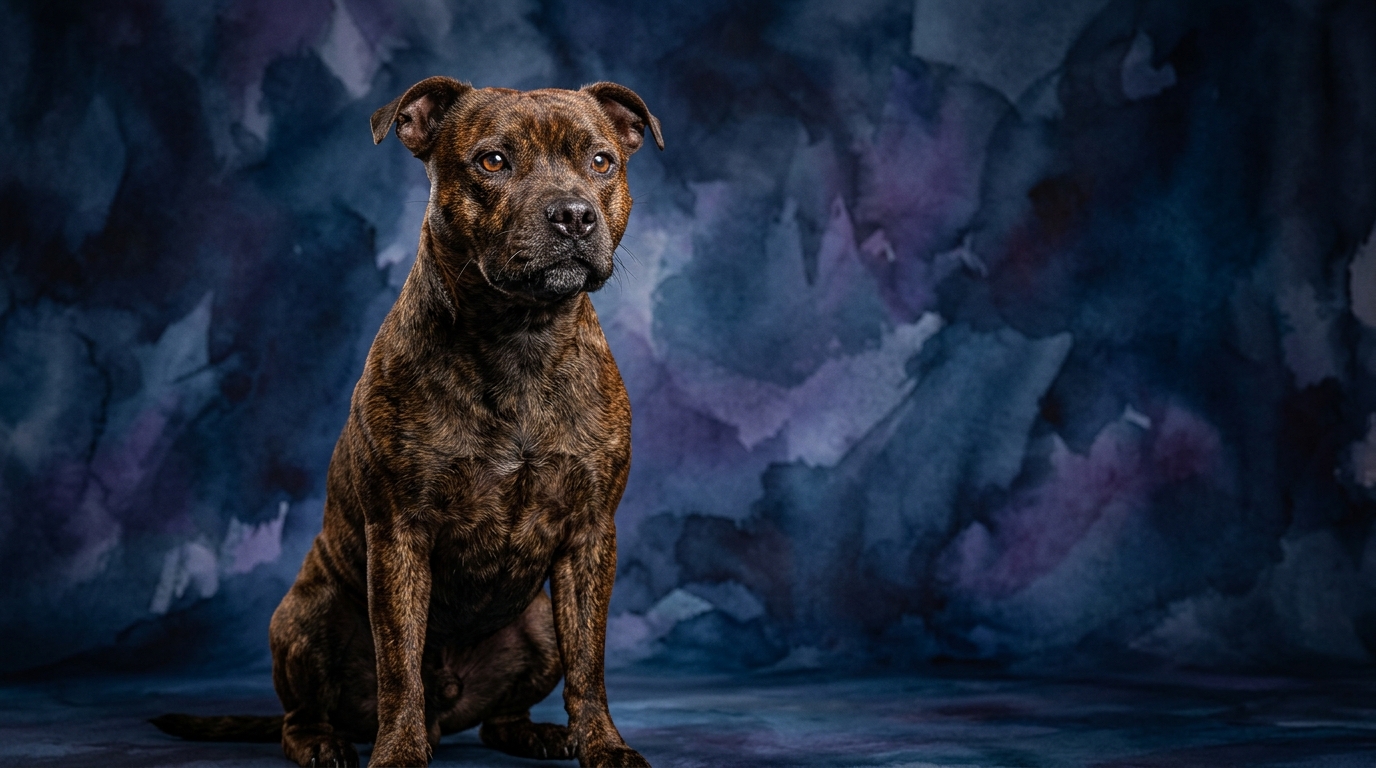
**Staffordshire Bull Terrier (Terrier Group)**
**Problem Solving (3/5):** Possessing a robust, direct approach to challenges, Staffies often employ physical manipulation or persistent effort to achieve their goals, whether it’s retrieving a hidden toy or navigating a familiar obstacle course. Their problem-solving is often rooted in their physical prowess and determination.
**Training Speed (3/5):** These dogs respond well to clear, consistent, positive reinforcement, absorbing new commands at a steady pace. Their eagerness to engage and their inherent desire to please their human companions contribute positively to their learning curve, though their strong-willed nature requires firm yet fair handling.
**Social Intelligence (3/5):** Staffies are highly attuned to human emotions and intentions within their immediate family, forming profound, often demonstrative, bonds. They skillfully interpret cues, readily seeking interaction and offering comfort, making them deeply empathetic companions within their trusted circle.
**Instinctive Drive (3/5):** Reflecting their terrier heritage, Staffies exhibit a moderate yet noticeable drive for chasing, digging, and vigorous play. This manifests as an enthusiastic pursuit of squirrels or a joyful engagement in tug-of-war, requiring structured outlets for this inherent energy.
**Memory (3/5):** Staffies demonstrate reliable recall for learned behaviors, routines, and the identities of people and places. They retain past interactions, both positive and negative, which informs their future responses and contributes to their consistent demeanor within their established environment.
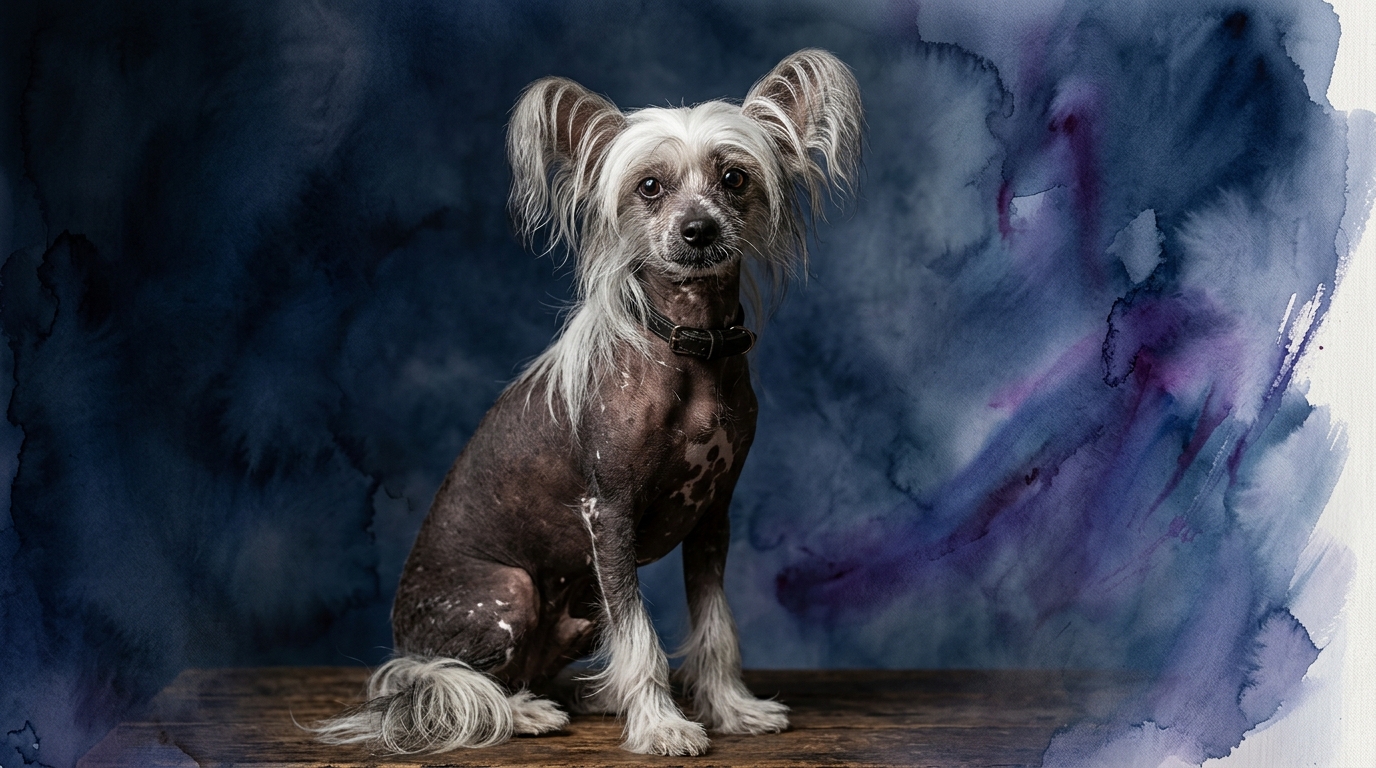
**Chinese Crested (Toy Group)**
**Problem Solving (3/5):** Cresteds often approach problems with a more observational and subtle ingenuity, sometimes charming their way to a desired outcome rather than using brute force. They might figure out how to access a cozy lap or a warm sunbeam through clever positioning or vocalizations, showcasing a delicate yet effective wit.
**Training Speed (3/5):** These sensitive dogs learn effectively with gentle, reward-based methods, picking up new tasks at a moderate pace. Their desire for connection and their keen awareness of their handler’s mood mean they thrive on positive reinforcement and can be quite responsive to nuanced cues, though harshness can quickly inhibit their progress.
**Social Intelligence (3/5):** Highly sensitive and deeply perceptive, Cresteds are exceptionally skilled at reading their owner’s subtle emotional states and body language, often mirroring their human’s feelings. They form intense, often exclusive, attachments, communicating their needs and affections through a rich tapestry of nuanced expressions and physical closeness.
**Instinctive Drive (3/5):** While their toy breed status minimizes traditional working drives, Cresteds exhibit a moderate drive for companionship, comfort, and sometimes a surprising agility. This can manifest as a desire to perch on high furniture or burrow under blankets, reflecting an innate need for security and closeness.
**Memory (3/5):** Cresteds possess a good memory for established routines, preferred comfort spots, and the specific individuals within their trusted circle. They recall training cues and social interactions, which significantly shapes their trust levels and consistent behaviors, especially in familiar settings.
Where the Staffordshire Bull Terrier Excels Cognitively
While both breeds share identical 3/5 scores, the Staffy's cognitive strengths often manifest more prominently in scenarios demanding physical engagement and robust interaction. Their problem-solving, rated 3/5, frequently involves direct, hands-on approaches; a Staffy is more likely to physically manipulate a puzzle toy or persistently dig under a fence. This practical, often forceful, application of their intelligence can make them appear more "effective" in overcoming tangible obstacles. Furthermore, their 3/5 instinctive drive, rooted in their terrier heritage, translates into a more outwardly expressed enthusiasm for physically demanding activities like vigorous games of fetch or agility courses, where their determination and physical stamina become cognitive assets. Their social intelligence, also 3/5, allows them to engage broadly and demonstratively with a wider family unit, often thriving in boisterous group settings where their affection is openly shared.
Where the Chinese Crested Excels Cognitively
The Chinese Crested, with its identical 3/5 cognitive scores, demonstrates its intelligence through a more refined and sensitive lens. Their 3/5 problem-solving often shines in situations requiring observation and subtle maneuvering; a Crested might strategically position itself to gain attention or find the warmest lap, rather than relying on overt physical effort. Their social intelligence, also 3/5, is particularly acute in discerning nuanced emotional states, allowing them to form exceptionally deep, often exclusive, bonds with their primary caregivers. This makes them remarkably empathetic companions, adept at providing quiet comfort or mirroring their owner's mood. In terms of training speed, while rated 3/5, their sensitivity and eagerness to please their trusted person can lead to rapid acquisition of tasks that require precision and quiet compliance, especially when training methods are gentle and highly rewarding. Their memory, also 3/5, is particularly strong for personal routines and comfort zones, contributing to a predictable and secure home life.
Which is Easier to Train and Why
Despite both breeds scoring 3/5 for training speed, the *approach* to training differs significantly due to their inherent temperaments. The Staffordshire Bull Terrier, while possessing a desire to please, also comes with a strong will and a history of independent terrier work. This means they require clear, consistent boundaries and positive reinforcement that is firm but fair. Their resilience to minor distractions or setbacks can be an advantage, allowing for a more robust training environment. However, their physical strength and potential for stubbornness mean owners must establish leadership kindly but firmly, making early socialization and consistent obedience training crucial to channel their energy productively.
The Chinese Crested, on the other hand, is a far more sensitive and delicate breed. Their 3/5 training speed translates into a willingness to learn rapidly, *provided* the training methods are exceedingly gentle, positive, and free from any harshness. They are highly attuned to their handler's tone and body language, and negative reinforcement can quickly lead to anxiety or a complete shutdown in learning. Their eagerness to please, combined with their desire for closeness, makes them responsive to soft voices and abundant praise. This means a Crested might appear "easier" to train for an owner who naturally adopts a gentle, reward-focused approach, excelling in tasks that require precision and a calm demeanor, but they are less forgiving of inconsistent or overly demanding methods.
Matching Lifestyles: Active Owners vs. Relaxed Owners
The ideal owner match for each breed extends beyond mere physical activity, encompassing mental engagement and lifestyle.
**Staffordshire Bull Terrier:** These dogs are well-suited for active owners who enjoy robust outdoor pursuits and can provide consistent mental and physical challenges. Their 3/5 instinctive drive means they thrive on vigorous play sessions, structured walks, and opportunities for problem-solving that engage their physical capabilities, such as advanced obedience or dog sports. Owners who appreciate a dog with a strong, engaged personality and are prepared to integrate their Staffy into an active family life, offering clear guidance and consistent interaction, will find an incredibly devoted companion. Their social intelligence means they want to be an integral part of all family activities, not just observers.
**Chinese Crested:** These companions are an excellent fit for more relaxed owners who appreciate a deeply bonded, sensitive presence and a quieter home environment. While they enjoy walks and gentle play, their physical limits mean they are not built for strenuous, prolonged activity. Their 3/5 social intelligence and desire for close companionship mean they thrive on intimate interaction, lap time, and being a constant, comforting presence. Owners who enjoy indoor games, puzzle toys that engage their subtle problem-solving, and can provide a calm, predictable routine will find the Crested a perfectly matched companion. They benefit from gentle mental stimulation and consistent affection, rather than demanding physical exertion.
The Verdict
For owners seeking a robust, engaged companion who thrives on active participation and clear guidance within a family unit, the Staffordshire Bull Terrier offers unwavering loyalty and a zest for life.
Conversely, the Chinese Crested is the ideal choice for owners desiring a deeply bonded, sensitive companion who flourishes in a gentle environment, appreciating quiet companionship and nuanced interaction.
🧠 Find Your Pet's IQ Score
Our Pet IQ Lab assessment covers 25+ tests across 5 cognitive dimensions — personalized to your breed.
Take the Full IQ Test →Frequently Asked Questions
Do identical IQ scores mean these breeds are exactly alike mentally?
Not at all; the scores represent a similar functional level, but the *expression* of these cognitive traits differs significantly based on breed heritage and physical attributes. A Staffy's problem-solving might involve physical manipulation, while a Crested's might be more about observation or charming behavior.
Can a Chinese Crested keep up with an active owner, or a Staffy with a relaxed one?
A Chinese Crested can certainly enjoy walks and play, but their physical limits mean they won't typically match a Staffy's endurance for strenuous activities. Conversely, a Staffy can adapt to a more relaxed home but still requires consistent mental and physical outlets to prevent boredom and channel their energy constructively.
How does "instinctive drive" manifest differently in these two breeds?
For the Staffordshire Bull Terrier, instinctive drive often appears as a strong desire for vigorous play, chasing, or digging, rooted in their terrier working background. In the Chinese Crested, this drive is more channeled towards companionship, seeking comfort, and perhaps a surprising agility for climbing, reflecting their toy breed purpose.