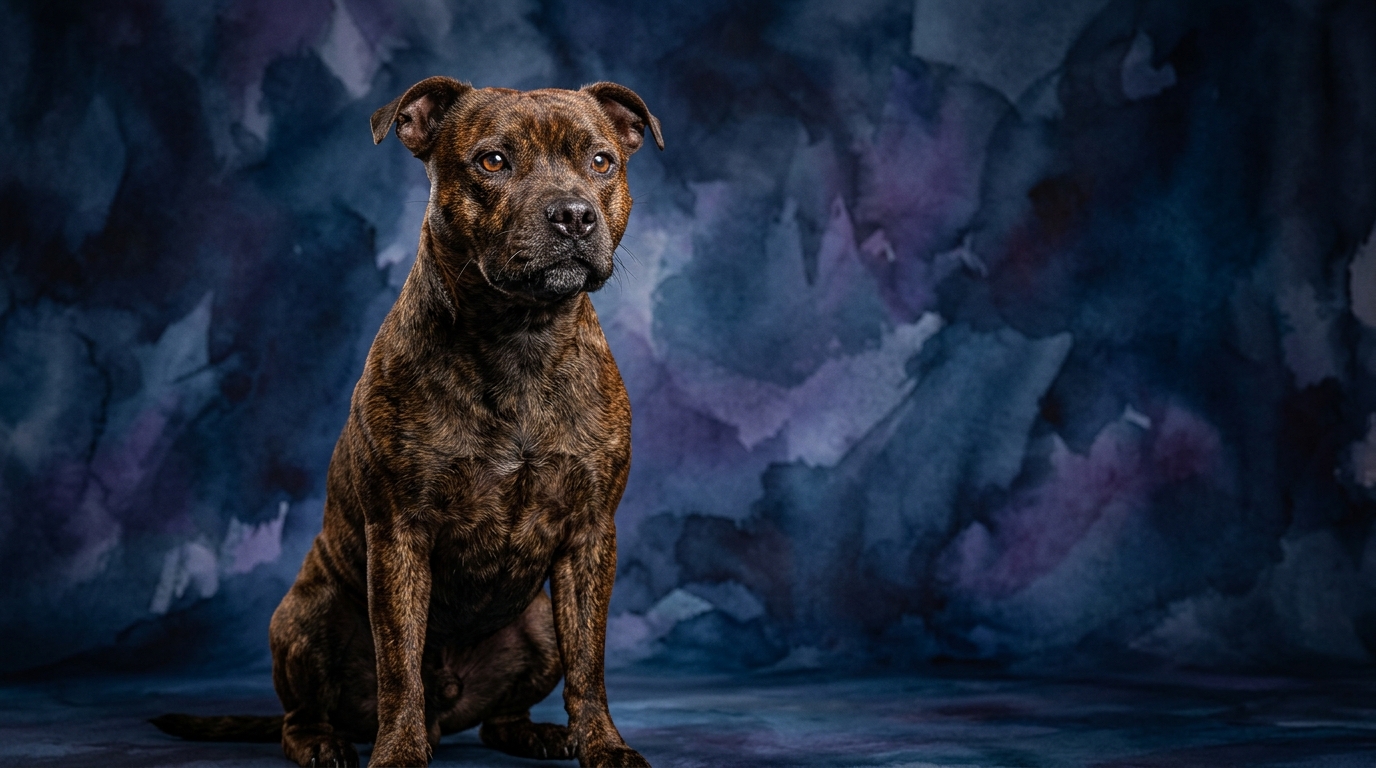
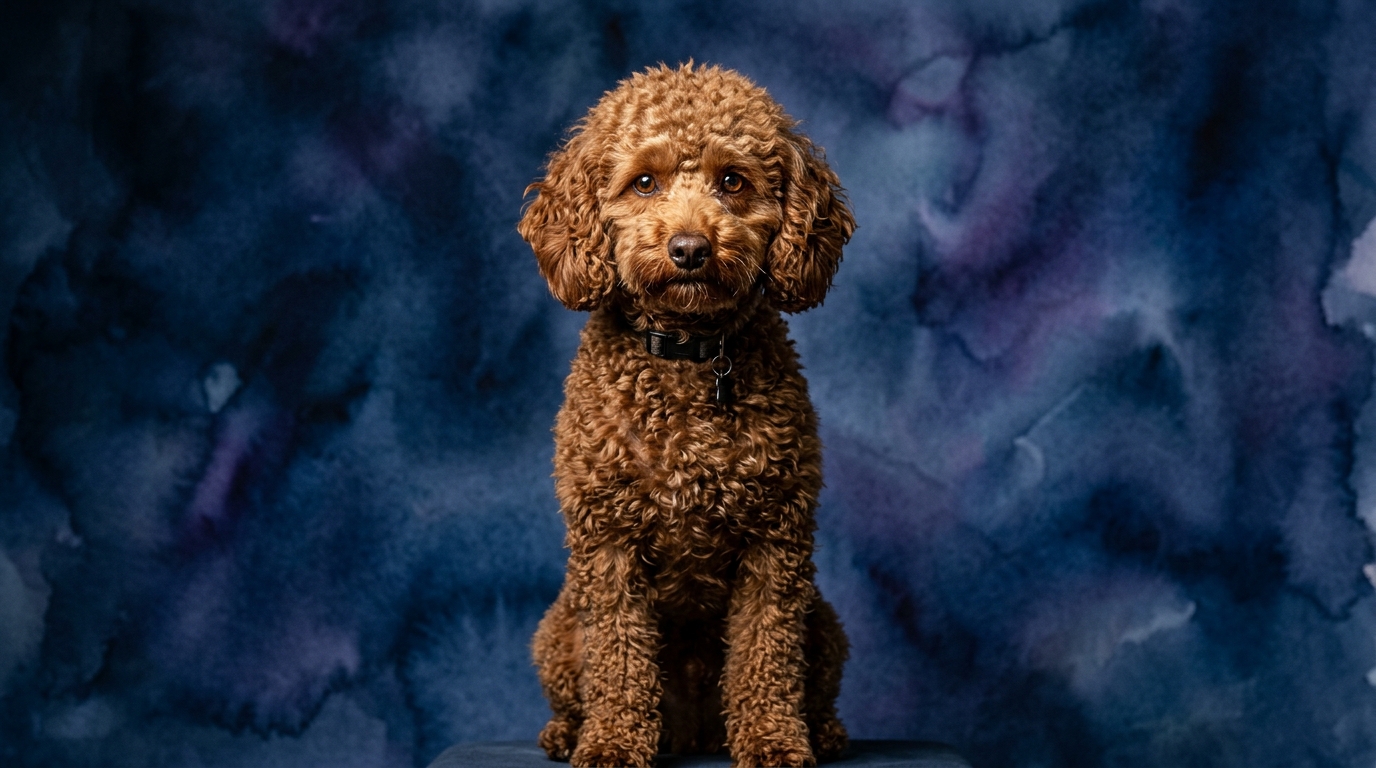
Side-by-Side IQ Profile: Staffordshire Bull Terrier vs. Miniature Poodle
The Staffordshire Bull Terrier's cognitive profile, shaped by a history of tenacity and independent action, presents a balanced intellect. Its Problem Solving score of 3/5 suggests a practical, often physically engaged approach to challenges rather than intricate strategizing. Training Speed, also at 3/5, indicates a moderate learning pace, requiring consistent, patient guidance for new commands to solidify. Social Intelligence at 3/5 points to an ability to understand human cues and integrate into family dynamics, fostering deep loyalty to its primary caregivers. Instinctive Drive at 3/5 reflects a measured expression of its terrier heritage, capable of focus without being overwhelmingly driven by primal urges. Finally, a Memory score of 3/5 implies solid retention of learned experiences and associations, without demonstrating exceptional recall for complex sequences.
The Miniature Poodle, with a history spanning various performance roles, exhibits a cognitive profile geared towards rapid acquisition and retention. Its Problem Solving at 5/5 indicates a remarkable capacity for complex thought, strategizing, and ingenious navigation of novel situations. Training Speed, also 5/5, highlights exceptional ability to grasp new concepts and commands with minimal repetition, making it highly responsive to instruction. While its Social Intelligence mirrors the Staffy at 3/5, suggesting similar aptitude for understanding social cues, its strong memory and problem-solving often enhance its adaptability. Instinctive Drive at 3/5 indicates a balanced temperament, capable of focus but not overly driven. Its Memory, a perfect 5/5, underlines its capacity to retain vast amounts of information and recall behaviors with precision, invaluable in advanced training and performance disciplines. This breed's placement at Coren rank #2 further underscores its cognitive capabilities.
Where the Staffordshire Bull Terrier Wins Cognitively
While the Miniature Poodle is lauded for rapid learning, the Staffordshire Bull Terrier possesses distinct cognitive advantages rooted in its heritage. The SBT's balanced 3/5 scores across the board, particularly in Problem Solving and Instinctive Drive, hint at robust mental resilience. Where a Poodle might overthink a novel situation, a Staffy is often inclined to approach it with direct, persistent effort, demonstrating a 'get it done' attitude. This isn't about speed of learning, but rather the tenacity to see a task through, even if it requires repeated physical engagement. Their social intelligence, though not exceptional, is characterized by a deep, unwavering loyalty and an intuitive understanding of their primary human's emotional state, fostering a powerful bond based on mutual respect. This steadfastness, combined with a practical problem-solving approach, means a Staffy can be incredibly resourceful in situations requiring grit rather than intricate intellectual leaps, building reliable behavior through consistent experience.
Where the Miniature Poodle Wins Cognitively
The Miniature Poodle's cognitive strengths are undeniable, making it a standout in many performance and obedience contexts. Its perfect 5/5 scores in Problem Solving, Training Speed, and Memory depict a canine mind exceptionally adept at processing information. This breed can rapidly associate commands with actions, learn intricate sequences, and recall them with precision, excelling in disciplines like agility, obedience, and complex trick training. Their superior problem-solving is not simply about finding a way, but often about finding the *most efficient* or *clever* way. This manifests in behaviors like figuring out how to open child-proof latches or strategically retrieving toys. The speed at which they absorb new information means they progress through training levels much faster, constantly seeking new mental challenges. Their exceptional memory ensures that once a concept is learned, it is rarely forgotten, allowing for a vast and ever-growing repertoire of behaviors and understandings, making them highly versatile companions.
Which is Easier to Train and Why
When evaluating ease of training, the data clearly points to the Miniature Poodle as the more straightforward student. Its 5/5 Training Speed score is a direct indicator of its capacity to learn new commands and behaviors with remarkable efficiency, often requiring fewer repetitions than the Staffordshire Bull Terrier's 3/5. Poodles possess a strong desire to engage with their trainers and typically respond well to positive reinforcement, quickly connecting actions with rewards. This isn't to say Staffies are untrainable; rather, their learning curve is generally more gradual. A Staffy might require more consistency and patience, as their practical problem-solving and moderate memory mean concepts may take longer to solidify. While both breeds benefit from early socialization and consistent training, the Poodle's rapid cognitive processing means it can advance to more complex tasks much sooner. For instance, teaching a Poodle a multi-step retrieve or a complex agility sequence will typically be a smoother, faster process compared to teaching a Staffy the same, where the Staffy might excel more in tasks requiring focused physical effort once learned.
Which Suits Active Owners vs. Relaxed Owners
Choosing between these two breeds often hinges on an owner's lifestyle and their capacity to meet a dog's specific cognitive and physical needs. The Miniature Poodle, with its high problem-solving and memory scores, thrives with active owners who enjoy engaging in mental challenges and structured activities. They are excellent candidates for dog sports like agility, obedience, and rally, which provide outlets for their sharp minds and moderate energy levels. Owners who appreciate a dog that can learn complex tricks and participate in interactive puzzle games will find the Poodle a rewarding companion. While physically agile, their primary need is often mental stimulation to prevent boredom. In contrast, the Staffordshire Bull Terrier, while certainly enjoying activity, might be a better fit for owners who appreciate a more relaxed, yet still engaged, companionship. Their balanced scores suggest they aren't constantly seeking intricate mental puzzles but benefit from consistent routines, moderate exercise, and opportunities for social interaction. They are generally content with regular walks, playtime in the yard, and ample cuddle time on the couch. Owners who prefer a loyal, steadfast companion for everyday adventures rather than a canine athlete focused on intricate tasks might find the Staffy's steady nature a better match.
The Verdict
Choose the Staffordshire Bull Terrier if you value a loyal, resilient companion with a practical approach to life, and you are prepared for consistent, patient training that builds on their tenacious spirit and deep bond.
Opt for the Miniature Poodle if you seek a highly trainable, mentally agile partner eager to learn complex tasks and participate in dog sports, thriving on consistent mental stimulation and rapid cognitive engagement.
🧠 Find Your Pet's IQ Score
Our Pet IQ Lab assessment covers 25+ tests across 5 cognitive dimensions — personalized to your breed.
Take the Full IQ Test →Frequently Asked Questions
Do Staffordshire Bull Terriers need a lot of mental stimulation?
While not typically requiring the same level of intricate mental challenges as a Miniature Poodle, Staffordshire Bull Terriers benefit greatly from consistent routines, moderate puzzle toys, and engaging training sessions. Their practical problem-solving means they enjoy figuring out how things work through interaction and persistence.
Are Miniature Poodles prone to boredom if not adequately challenged?
Yes, Miniature Poodles, with their 5/5 problem-solving and memory, thrive on mental engagement and can become bored or exhibit undesirable behaviors if not given sufficient outlets for their intelligence. Regular training, puzzle toys, and dog sports are excellent ways to keep their minds active.
How does the Coren rank apply to Miniature Poodles?
The Coren rank places breeds based on their working and obedience intelligence, primarily measuring how quickly they learn new commands and obey them. The Miniature Poodle's #2 ranking signifies its exceptional capacity for rapid learning and high responsiveness to training, reflecting its strong scores in Training Speed and Memory.