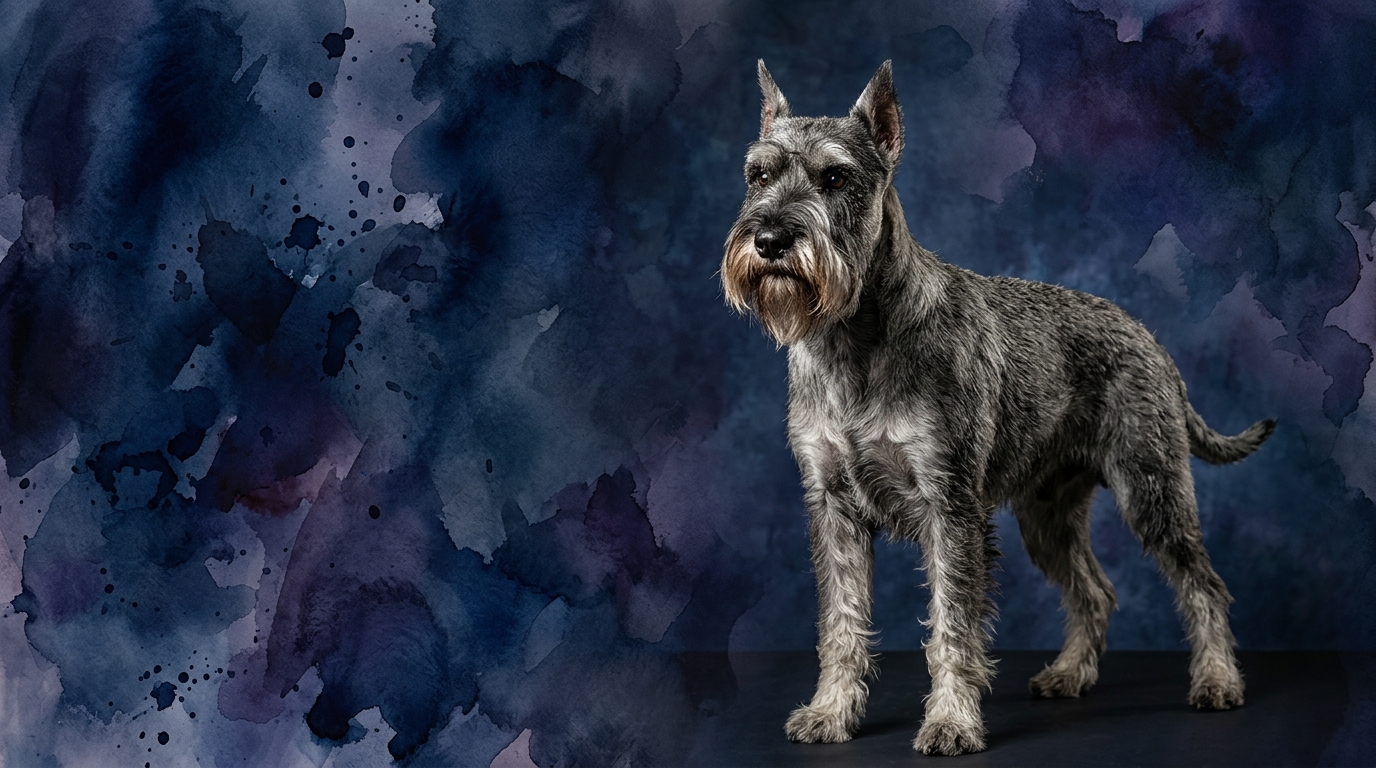
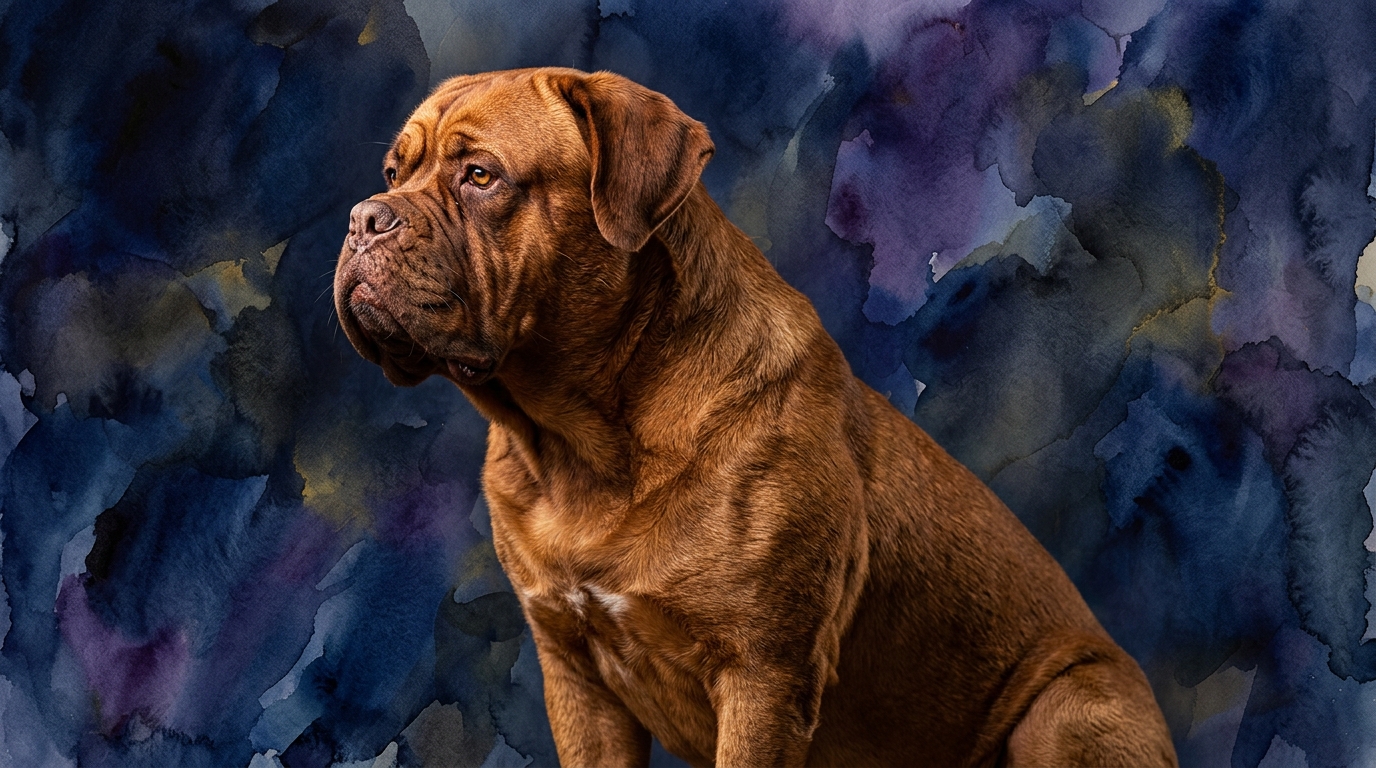
Side-by-Side IQ Profile: Standard Schnauzer vs. Dogue de Bordeaux
The Cosmic Pet Pet IQ Lab evaluates canine intelligence across five key dimensions, offering a nuanced view beyond simple obedience. For the Standard Schnauzer, a breed ranked #22 by Coren for working and obedience intelligence, its profile reveals a highly adaptable and engaged mind. Its Problem Solving is rated 4/5, indicating a capacity for strategic thinking and figuring out complex situations, such as navigating intricate puzzle toys or learning multi-step commands. Training Speed scores 4/5, demonstrating a quick grasp of new concepts and an eagerness to learn, making them receptive to varied instructional methods. Social Intelligence is 3/5, suggesting they understand human cues well but often maintain a discerning perspective, choosing their interactions. Instinctive Drive, at 3/5, reflects a moderate prey drive and well-defined guarding instincts. Finally, Memory is 4/5, allowing them to retain learned behaviors and past experiences with impressive recall.
In contrast, the Dogue de Bordeaux, while also a member of the Working group, presents a different cognitive blueprint, not currently Coren-ranked but still showcasing specific strengths. Its Problem Solving is 3/5, indicating a more direct, less manipulative approach to challenges, often relying on established routines rather than novel solutions. Training Speed also stands at 3/5, meaning they learn at a steady, deliberate pace, requiring consistent reinforcement rather than quick, varied tasks. Social Intelligence is 3/5, characterized by deep loyalty to their family unit and a reserved, watchful demeanor towards strangers, processing social interactions with a focus on protection. Instinctive Drive is 3/5, heavily oriented towards guardianship and territorial defense rather than chasing, requiring a specific kind of situational awareness. Memory is 3/5, ensuring they remember routines, familiar individuals, and established boundaries reliably.
Where the Standard Schnauzer Excels Cognitively
The Standard Schnauzer's cognitive strengths truly shine in areas requiring mental agility and rapid learning. With a Problem Solving score of 4/5, they demonstrate a superior ability to analyze novel situations and devise effective solutions. This manifests in their aptitude for complex tasks, like unlocking latches, navigating intricate agility courses, or even outsmarting their owners to access a favorite toy. Their thinking isn't just about brute force; it's about strategic planning and adaptability, making them excellent candidates for advanced obedience, tracking, or search and rescue work where quick, independent decisions are crucial.
Furthermore, their Training Speed of 4/5 means they absorb new commands and behaviors with remarkable efficiency. Owners often report that Schnauzers pick up new tricks or routines in fewer repetitions compared to many other breeds. This quick uptake is coupled with a Memory score of 4/5, ensuring that once a lesson is learned, it's retained for the long term. This combination makes them highly responsive to ongoing education and capable of building an extensive repertoire of skills and commands, even after periods of inactivity. Their mental engagement is not just a passive trait; it's an active desire to understand and participate, fueled by their robust cognitive abilities.
Where the Dogue de Bordeaux Excels Cognitively
While the Dogue de Bordeaux's numerical scores might not always outpace the Schnauzer's, its cognitive profile is uniquely tailored for its role, offering distinct strengths not always captured by general metrics. Its Social Intelligence, rated 3/5, is characterized by an unwavering, profound loyalty and a discerning judgment of character. This isn't about being universally gregarious, but rather about a sophisticated ability to differentiate between trusted family members and potential outsiders. They process social cues within their immediate circle with deep sensitivity, often anticipating the needs and moods of their loved ones, displaying a calm, empathetic presence that requires significant social processing.
The Dogue's Instinctive Drive, also 3/5, is largely channeled into a measured, protective vigilance. Their cognitive strength here lies in their thoughtful assessment of their environment and any perceived threats. Unlike breeds that might react impulsively, a Dogue de Bordeaux often observes, processes information, and then responds with a deliberate, powerful presence. This requires a strong cognitive capacity for threat evaluation, risk assessment, and a nuanced understanding of boundaries and territory. Their memory, at 3/5, while not as high as the Schnauzer, is robust for routines, familiar faces, and established household norms, contributing to their stable, predictable demeanor and their reliability as a steadfast guardian.
Training Dynamics: Which Breed is Easier to Teach?
When it comes to ease of training, the Standard Schnauzer generally presents a more straightforward path for owners. Their 4/5 Training Speed and 4/5 Problem Solving mean they not only grasp new concepts quickly but also enjoy the challenge of learning. They thrive on mental stimulation and are often eager to please, making them highly receptive to varied training methods, from basic obedience to complex tricks and canine sports. Their excellent memory ensures that once a command is learned, it sticks, reducing the need for constant repetition. Schnauzers are typically engaged participants in their own education, viewing training as an enjoyable activity.
The Dogue de Bordeaux, with a 3/5 Training Speed and 3/5 Problem Solving, requires a different approach: patience, consistency, and a strong, positive reinforcement foundation. While they are capable learners, they may take longer to process and internalize new commands. Their independent and sometimes stoic nature means they respond best to clear, calm, and unwavering instruction, rather than rapid-fire commands or overly complex sequences. Owners should focus on foundational obedience, ensuring each command is thoroughly understood before moving on. Their deep loyalty means they are willing to work with their owners, but their motivation often stems from bonding and routine rather than a sheer desire for mental gymnastics.
Matching Lifestyles: Active vs. Relaxed Owners
The Standard Schnauzer is an ideal match for active owners who relish mental and physical engagement. Their moderate energy levels, coupled with a keen intellect and problem-solving abilities, mean they thrive when given a 'job' or consistent activities. Owners who enjoy hiking, jogging, participating in agility, obedience trials, or even just engaging in daily puzzle games will find a Schnauzer to be an enthusiastic and capable partner. They require consistent mental stimulation to prevent boredom, which can lead to inventive, but sometimes undesirable, behaviors. Their zest for life and learning makes them a dynamic companion for those who embrace an active, involved lifestyle.
The Dogue de Bordeaux, while appearing relaxed, suits owners who appreciate a calm, steadfast presence but are equally committed to providing appropriate care for a large, powerful breed. They are not typically high-energy dogs in the same vein as a Schnauzer, preferring moderate exercise like daily walks and yard play over intense, prolonged activity. They thrive on being an integral part of the family routine, valuing companionship and a stable environment. Owners who are relaxed in their daily pace but are prepared for the responsibility of consistent, calm leadership and careful socialization for a powerful guardian will find the Dogue de Bordeaux to be an immensely loyal and affectionate family member. They require space and a calm home, aligning well with those who prioritize a stable, predictable routine.
The Verdict
Choose a Standard Schnauzer if you seek an agile, quick-witted companion eager for mental challenges and capable of excelling in various canine activities, valuing a partner who thrives on learning and engagement.
Opt for a Dogue de Bordeaux if you desire a profoundly loyal, stoic guardian with a calm demeanor, valuing deep family bonds and a steady presence, and are committed to patient, consistent training for a powerful, discerning companion.
🧠 Find Your Pet's IQ Score
Our Pet IQ Lab assessment covers 25+ tests across 5 cognitive dimensions — personalized to your breed.
Take the Full IQ Test →Frequently Asked Questions
Are Standard Schnauzers suitable for first-time dog owners?
Standard Schnauzers can be a good fit for first-time owners who are committed to consistent training and providing ample mental and physical stimulation. Their intelligence and eagerness to learn make them responsive, but their energy and need for engagement require dedication.
Do Dogue de Bordeaux require extensive exercise?
Dogue de Bordeaux require moderate exercise, typically satisfied with daily walks and yard play, rather than intense, prolonged activity. While they are large, their exercise needs are not as high as some other working breeds, preferring a calm pace.
How do their protective instincts differ?
The Standard Schnauzer tends to be an alert watchdog, quick to bark and potentially more reactive, while the Dogue de Bordeaux exhibits a more measured, stoic protective instinct, often observing and assessing before reacting, relying on their imposing presence as a deterrent.