A Side-by-Side Cognitive Profile
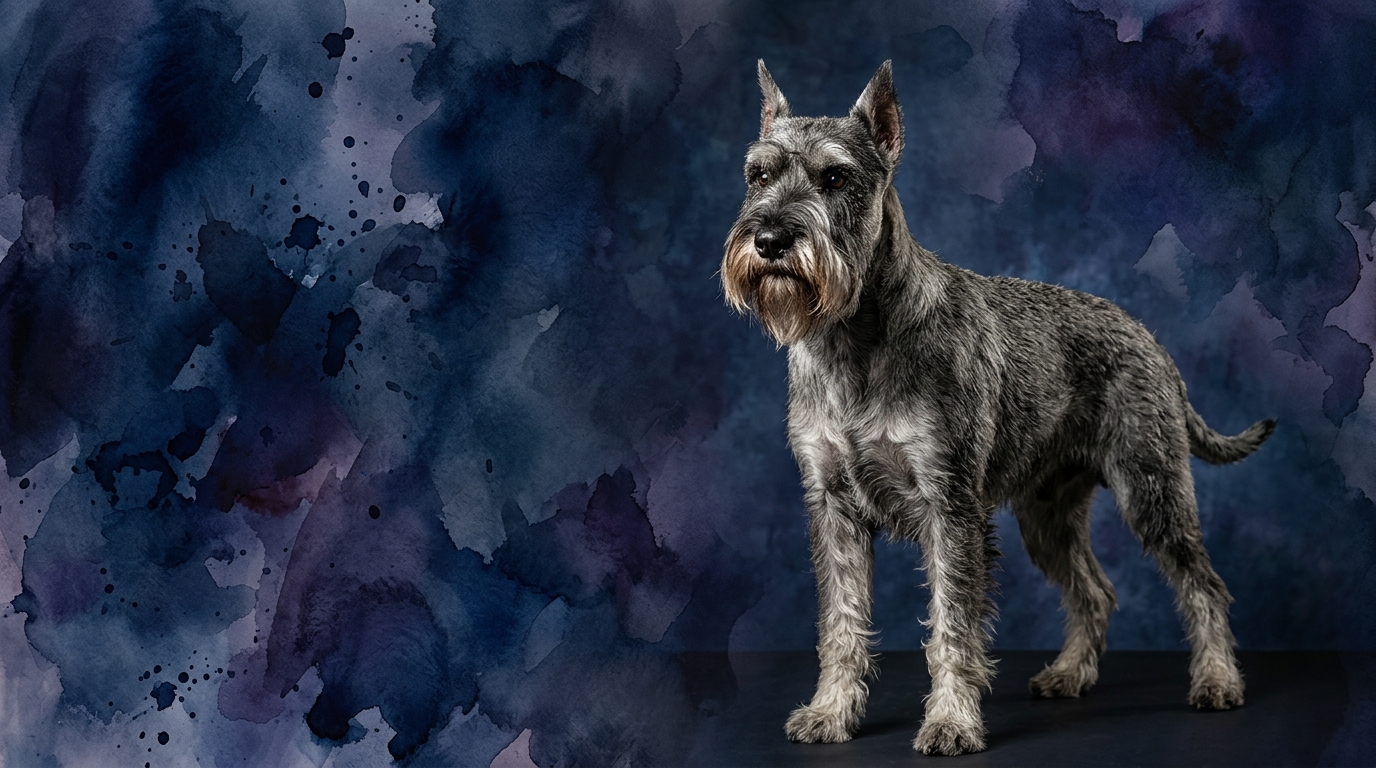
**Standard Schnauzer:**
**Problem Solving (4/5):** This breed exhibits a strong capacity for independent thought and figuring out complex situations, often demonstrating resourcefulness in navigating novel challenges or achieving desired outcomes.
**Training Speed (4/5):** Standard Schnauzers typically grasp new commands and routines with impressive quickness, making them responsive pupils eager to engage in structured learning sessions.
**Social Intelligence (3/5):** While capable of forming deep bonds, their social acumen tends to be more focused on their immediate family unit, displaying a balanced but sometimes reserved approach to new people or other animals.
**Instinctive Drive (3/5):** Their inherent drives, rooted in their working heritage, manifest as a desire for purpose and activity, often channeled into vigilance, protection, or engaging in tasks.
**Memory (4/5):** Standard Schnauzers possess a robust memory, retaining learned behaviors, routines, and experiences over extended periods, which aids significantly in consistent training and recall.
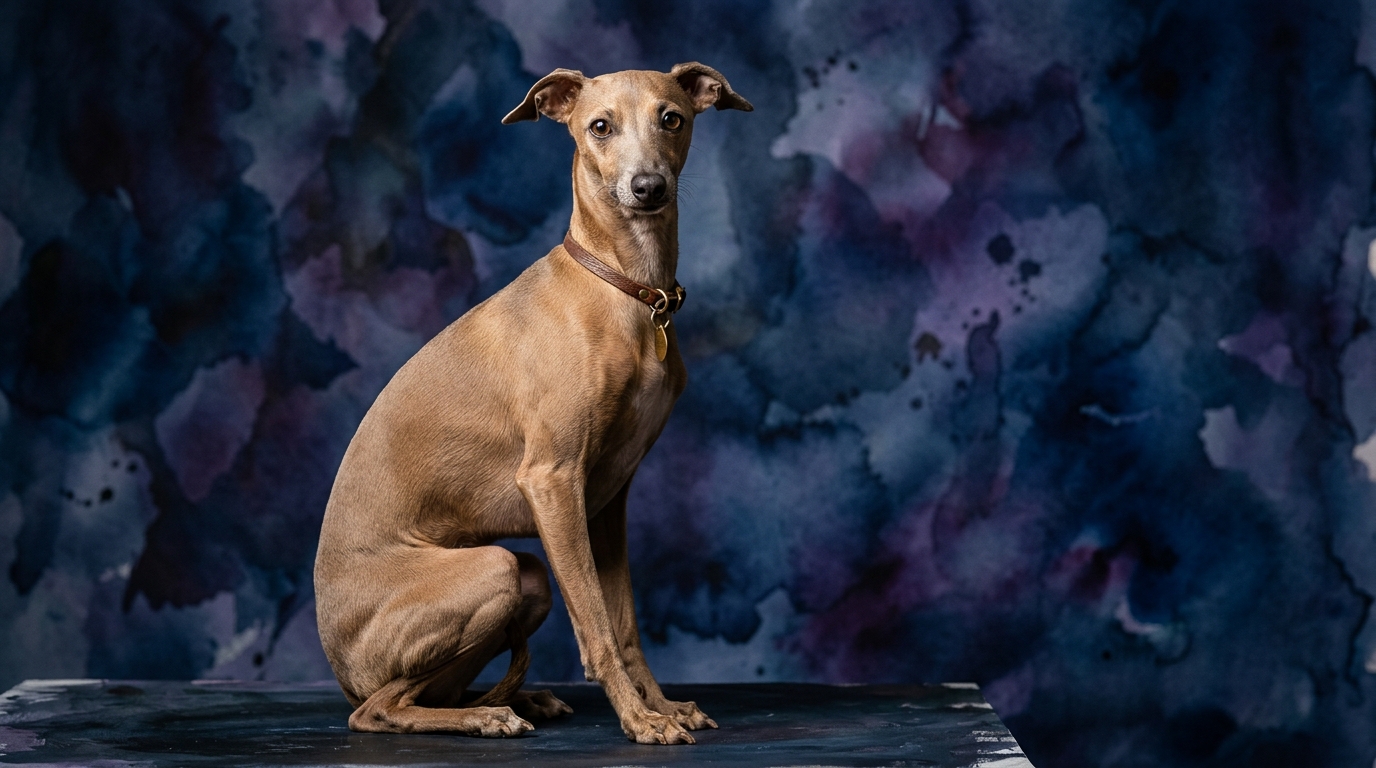
**Italian Greyhound:**
**Problem Solving (3/5):** Italian Greyhounds demonstrate moderate problem-solving skills, capable of navigating everyday challenges but often preferring to rely on established routines or human guidance rather than intricate independent strategizing.
**Training Speed (3/5):** They learn at a steady pace, requiring patient and positive reinforcement methods, and while responsive, they may take slightly longer to solidify new commands compared to breeds with higher scores.
**Social Intelligence (3/5):** Italian Greyhounds exhibit a nuanced social intelligence, often forming intense bonds with their chosen human companions and displaying sensitivity to their emotions, though they can be reserved or shy with strangers.
**Instinctive Drive (3/5):** Their drives are primarily rooted in their sighthound heritage, manifesting as bursts of chasing behavior and a strong desire for comfort and close companionship rather than sustained work.
**Memory (3/5):** This breed has a competent memory, retaining familiar routines and learned cues, which supports consistent behavior within their established environment, though perhaps with less retention for complex, multi-step sequences.
Where the Standard Schnauzer's Cognition Shines
The Standard Schnauzer's 4/5 scores in Problem Solving, Training Speed, and Memory truly distinguish its cognitive profile. Their historical role as farm dogs, tasked with vermin control and guarding, demanded a dog capable of independent decision-making and rapid learning in dynamic environments. This translates into a dog that can quickly assess a situation, like figuring out how to open a child-proof gate or navigating a new agility course, and then recall that solution efficiently. Their capacity to learn complex sequences of commands with fewer repetitions makes them particularly adept at advanced obedience, dog sports, or even service work, where precise memory and quick responses are paramount. This breed isn't just learning commands; they are often understanding the *intent* behind them, allowing for a more flexible application of their knowledge in varied contexts.
Nuances in Italian Greyhound Cognitive Strengths
While the Italian Greyhound's scores are consistently 3/5, their cognitive makeup is perfectly suited for their intended role as a companion, offering unique strengths that might not directly compete on a 'working' scale. Their Social Intelligence (3/5), while not outwardly boisterous, allows for an exceptionally deep and sensitive bond with their primary caregivers, enabling them to pick up on subtle emotional cues and provide quiet companionship. Their Instinctive Drive (3/5) is channeled into short, exhilarating bursts of speed and play, followed by extensive periods of calm, making them remarkably adaptable to an indoor, relaxed lifestyle. Furthermore, their Problem Solving (3/5) often manifests in clever ways to secure comfort or attention, like finding the warmest spot in the house or subtly nudging a hand for a pet, rather than solving complex mechanical puzzles. These dogs excel in a home environment where their cognitive efforts are directed towards social connection and personal comfort.
Training Responsiveness: A Tale of Two Breeds
When comparing ease of training, the Standard Schnauzer, with its 4/5 Training Speed and Memory, generally presents a more straightforward path for owners. Their eagerness to engage and their ability to quickly internalize commands mean they often thrive with consistent, positive reinforcement methods and clear expectations. They possess a robust focus that allows them to learn and execute complex tasks with precision, making them excellent candidates for various dog sports and advanced obedience. In contrast, the Italian Greyhound's 3/5 Training Speed and Memory, combined with their sensitive nature, means training requires a different approach. They respond best to gentle, reward-based methods, and harsh corrections can easily lead to shutdown or avoidance. While they can learn a wide range of commands, their motivation often hinges on the perceived value of the reward and their bond with the trainer, and they may require more repetitions or creative approaches to maintain engagement, especially if distractions are present. Their sighthound instincts also mean recall in an open environment can be a significant challenge, demanding extensive, consistent training.
Matching Cognitive Profiles to Lifestyles
For active owners seeking a canine partner for adventures and mental engagement, the Standard Schnauzer's cognitive profile aligns well. Their robust problem-solving, quick training uptake, and strong memory make them ideal for owners who enjoy structured activities like agility, obedience trials, hiking, or even canine jobs where critical thinking is involved. They require consistent mental stimulation to prevent boredom and channel their inherent drives productively. Conversely, the Italian Greyhound suits owners who appreciate a more relaxed lifestyle but still desire a deeply connected companion. While they enjoy short bursts of playful activity, their cognitive strengths are best appreciated in a home environment focused on comfort, close companionship, and quiet interaction. Owners who understand their sensitive social intelligence and appreciate their nuanced problem-solving for comfort-seeking will find a rewarding partnership, even if daily activities are less strenuous than those suited for a Schnauzer.
The Verdict
Choose a Standard Schnauzer if you desire an engaged, quick-learning companion eager for structured activities and capable of independent thought and precise task execution. They thrive with owners committed to consistent training and providing ample mental stimulation for their robust cognitive abilities.
Opt for an Italian Greyhound if you seek a sensitive, affectionate companion whose cognitive strengths are best expressed in deep personal bonds and a relaxed home environment. They flourish with patient owners who appreciate their nuanced intelligence for comfort and connection, providing gentle guidance.
🧠 Find Your Pet's IQ Score
Our Pet IQ Lab assessment covers 25+ tests across 5 cognitive dimensions — personalized to your breed.
Take the Full IQ Test →Frequently Asked Questions
Is the Standard Schnauzer difficult to manage due to its high problem-solving skills?
Not necessarily difficult, but their problem-solving ability means they require consistent mental engagement and clear boundaries. Without adequate stimulation, they might apply their cleverness to less desirable activities, like finding ways to open cabinets. Providing puzzles, training, and jobs helps channel their cognitive energy constructively.
Do Italian Greyhounds struggle with house-training due to their intelligence scores?
Italian Greyhounds can sometimes be challenging to house-train, not due to a lack of intelligence, but often because of their sensitive nature and preference for comfort. They dislike cold or wet weather, which can make outdoor potty breaks less appealing. Consistent routines, frequent opportunities, and high-value rewards are key to success.
Can an Italian Greyhound participate in dog sports like agility, despite lower scores?
Absolutely! While they might not be as quick to pick up complex sequences as a Standard Schnauzer, Italian Greyhounds can excel in dog sports like agility, lure coursing, and obedience. Their speed and agility are natural assets, and with patient, positive training that respects their sensitive nature, they can enjoy and succeed in many activities.