
Side-by-Side Cognitive Profiles
At first glance, the Cosmic Pet Pet IQ Lab scores for both the Swedish Vallhund and the Boerboel appear identical across all five dimensions: Problem Solving (3/5), Training Speed (3/5), Social Intelligence (3/5), Instinctive Drive (3/5), and Memory (3/5). However, these scores are a foundation, and how these cognitive abilities manifest distinctly in each breed is deeply influenced by their historical roles and inherent temperaments. Understanding these nuances is key to appreciating their individual cognitive strengths.
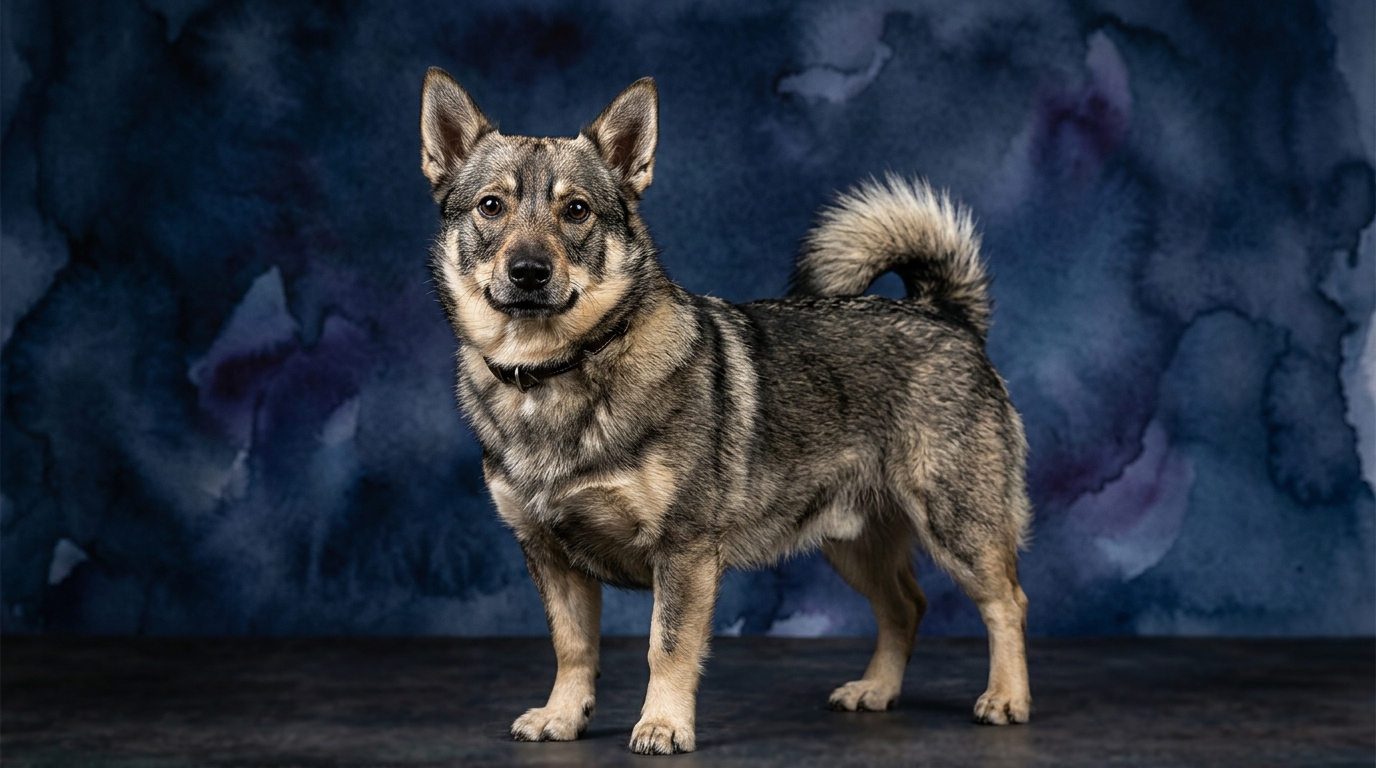
The **Swedish Vallhund**, a lively herding dog, applies its cognitive abilities with agility and quick wit. Their Problem Solving at 3/5 often involves rapidly assessing and responding to dynamic situations, like maneuvering livestock or navigating complex environments. Their Training Speed, also 3/5, is fueled by an eagerness for interactive learning and a desire to work alongside their handler, picking up movement-based commands efficiently. Social Intelligence (3/5) for the Vallhund is evident in their capacity to interpret subtle handler cues from a distance, crucial for cooperative herding tasks, and to understand household social dynamics. Their Instinctive Drive (3/5) is a strong herding impulse, manifesting as a keen interest in chasing, gathering, and controlling movement, which significantly motivates their learning. Finally, their Memory (3/5) is adept at recalling intricate routes, patterns of movement, and sequences of learned behaviors, ensuring consistency in their tasks.
In contrast, the **Boerboel**, a powerful working and guardian breed, utilizes its identical cognitive scores with a focus on strength, discernment, and protection. Their Problem Solving at 3/5 is geared towards assessing potential threats, determining the most effective protective responses, and understanding spatial boundaries. This often involves deliberate, strategic thought rather than immediate reactivity. Their Training Speed (3/5) is marked by an efficient grasp of tasks requiring focus, strength, and protective duties, responding well to clear and consistent instruction. Social Intelligence (3/5) in the Boerboel involves a profound observation of family members and strangers, discerning intent, and understanding the established routines and hierarchies within their home. Their Instinctive Drive (3/5) is a powerful guarding and territorial impulse, which drives their protective behaviors and forms a core part of their motivation. Their Memory (3/5) is strong for long-term recall of perceived threats, specific individuals, and established boundaries, which is vital for consistent and reliable protective duties.
Where the Swedish Vallhund Wins Cognitively
While both breeds share a 3/5 rating across the board, the Swedish Vallhund often demonstrates a particular cognitive advantage in scenarios demanding rapid adaptability and nuanced responses. Their problem-solving capabilities truly shine in dynamic environments where quick, iterative adjustments are necessary. For instance, in a herding context, a Vallhund can swiftly cut off a straying animal or adjust its position based on the flock's unpredictable movements, showcasing a cognitive agility that involves constant re-evaluation.
Furthermore, their social intelligence is particularly refined in interpreting subtle, non-verbal cues from their handler, even from a distance. This allows for a remarkably fluid and cooperative working partnership, essential for complex tasks where verbal commands might be impractical. The Vallhund’s instinctive drive for herding also translates into a keen interest in interactive games and dog sports that mimic their historical role, demonstrating a vibrant cognitive engagement with activities that require both physical and mental dexterity.
Where the Boerboel Wins Cognitively
The Boerboel, with its working and guarding heritage, exhibits distinct cognitive strengths in areas requiring strategic assessment, sustained focus, and discriminatory judgment. Their problem-solving abilities excel when faced with potential threats, where they must evaluate a situation carefully and decide on the most appropriate, measured response, rather than reacting impulsively. This demonstrates a cognitive process geared towards calculated protection.
Their social intelligence is expressed through a deep and intuitive understanding of their family's safety and well-being. A Boerboel often anticipates perceived dangers or needs before they are explicitly communicated, acting as a vigilant guardian. The powerful instinctive drive for guarding means they possess an unwavering focus on their assigned tasks, particularly those involving territory and protection. This allows them to demonstrate excellent discernment, differentiating between a welcomed visitor and a genuine threat with impressive consistency, a testament to their focused cognitive abilities.
Which is Easier to Train and Why
When considering ease of training, the Swedish Vallhund typically presents as more conventionally biddable and eager to please. Their herding background has instilled a strong desire to work *with* their handler, making them receptive to learning new commands, tricks, and participating in dog sports. They thrive on positive reinforcement and enjoy the mental challenge of structured learning, which often translates into a quicker uptake of varied obedience tasks. However, their inherent herding instinct means they might attempt to 'herd' children or other pets by nipping at heels, a behavior that requires consistent redirection and training.
The Boerboel, while possessing a 3/5 training speed, approaches learning with a more independent and protective mindset. Training a Boerboel isn't primarily about pleasing the handler; it's about establishing clear, consistent rules and a confident leadership role. They require an owner who can provide strong guidance and demonstrate unwavering authority. Boerboels can exhibit stubbornness if they don't perceive a clear purpose for a command or if they sense a lack of leadership. Early and extensive socialization, coupled with consistent positive reinforcement, is crucial to effectively channel their powerful drives and shape them into reliable guardians rather than simply versatile performers.
Which Suits Active Owners vs. Relaxed Owners
For owners seeking an active and highly interactive companion, the Swedish Vallhund is an excellent match. They are a compact breed, but their cognitive and physical energy demands are substantial. They thrive on engaging in dog sports such as agility, obedience, and herding trials, as well as enjoying long, stimulating walks and various mental puzzle games. A Vallhund needs consistent daily mental and physical stimulation to prevent boredom, which can lead to undesirable behaviors. They are decidedly not suited for relaxed owners who prefer a largely sedentary lifestyle for their canine companion.
The Boerboel, while capable of quiet moments indoors, is also not a breed for truly relaxed or passive owners. They require active, experienced individuals who can provide structured exercise, consistent training, and assertive leadership. Their significant size and powerful build necessitate ample space and robust physical activities to keep them healthy and content. Beyond physical exertion, Boerboels need a clear purpose and mental engagement to prevent frustration. An owner who understands and respects their working heritage, and is committed to channeling their protective instincts responsibly, will find a deeply loyal companion.
The Verdict
Choose the Swedish Vallhund if you seek a nimble, interactive companion eager for varied mental and physical challenges, especially enjoying dog sports and a close working partnership.
Choose the Boerboel if you desire a powerful, loyal guardian with a deep sense of responsibility, and you are prepared to provide strong, consistent leadership and structured engagement.
🧠 Find Your Pet's IQ Score
Our Pet IQ Lab assessment covers 25+ tests across 5 cognitive dimensions — personalized to your breed.
Take the Full IQ Test →Frequently Asked Questions
Do Swedish Vallhunds bark a lot?
Swedish Vallhunds are known to be vocal, using barks to communicate during herding tasks and often serving as an alert system within the home. While their cognitive abilities contribute to their communication, early and consistent training can help manage tendencies towards excessive barking.
Are Boerboels good with children?
With proper socialization from a young age and consistent training, Boerboels can be devoted family protectors and good with children. Their social intelligence allows them to understand family dynamics, but due to their size and protective instincts, supervision is always essential, especially with younger children.
Which breed is better for apartment living?
The Swedish Vallhund, being a smaller, more adaptable breed, can potentially thrive in an apartment if their significant exercise and mental stimulation needs are consistently met. The large and powerful Boerboel, with its strong guarding instincts and need for ample space, is generally not recommended for apartment living.