Side-by-Side Cognitive Profiles
At first glance, The Cosmic Pet Pet IQ Lab data presents both the Swedish Vallhund and the Finnish Lapphund with identical scores across five key cognitive dimensions: Problem Solving (3/5), Training Speed (3/5), Social Intelligence (3/5), Instinctive Drive (3/5), and Memory (3/5). These scores indicate that neither breed possesses a dramatic cognitive advantage over the other in these general categories. A 3/5 score suggests a solid, capable level of intelligence – dogs that are neither exceptionally gifted nor particularly challenged in these areas. They are generally adaptable, learn well with consistent effort, can navigate moderately complex situations, and possess a healthy drive for their intended purpose. The real distinctions emerge when we consider how these inherent capacities are expressed through their unique breed temperaments and historical functions.
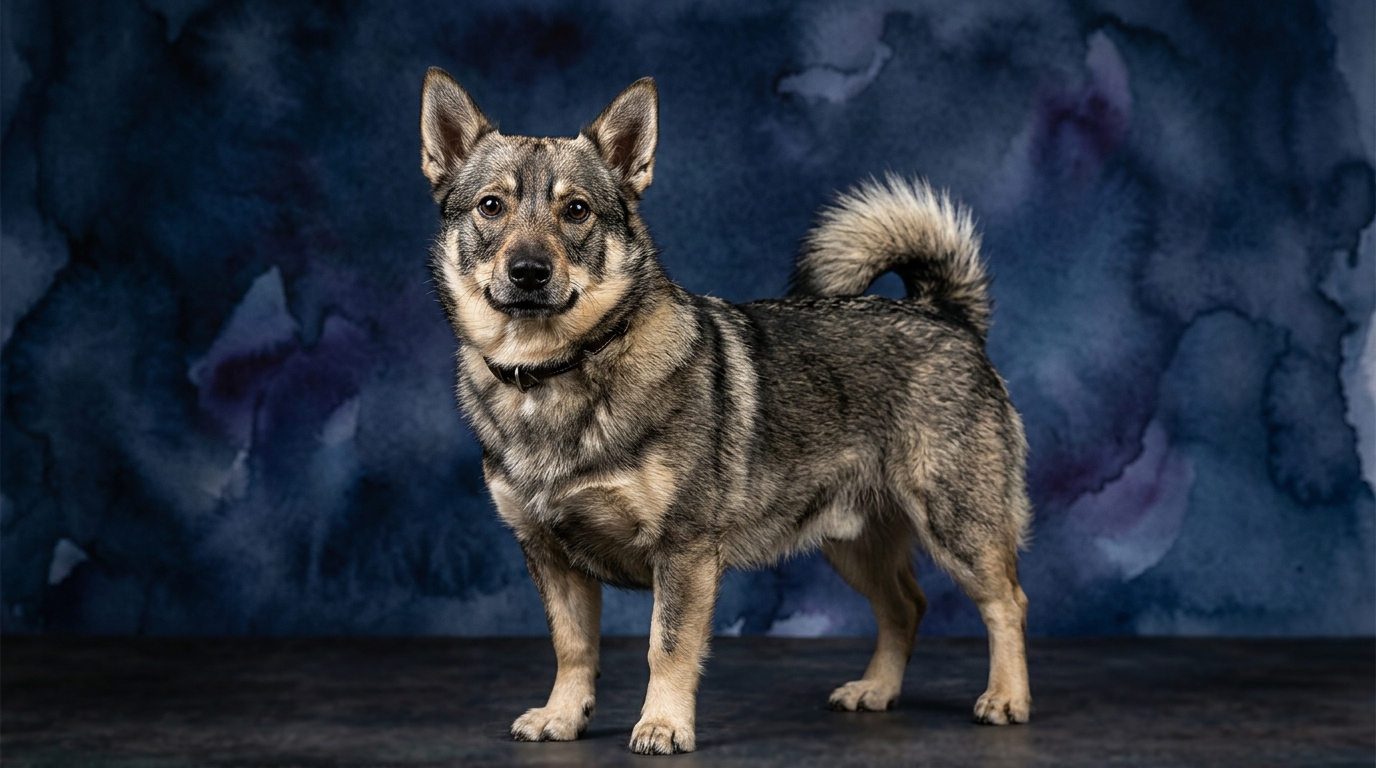
For the **Swedish Vallhund**, a 3/5 in Problem Solving means they can effectively figure out how to navigate obstacles, open simple latches, or devise strategies to get what they want, often relying on their agile bodies and quick wits. Their Training Speed at 3/5 indicates they pick up new commands at a moderate pace, responding well to clear instructions and positive reinforcement, though their independent streak can sometimes slow progress. Social Intelligence at 3/5 suggests they read human and canine cues adequately, understanding social hierarchies and expressing their needs clearly. An Instinctive Drive of 3/5 reflects their strong, inherent herding tendencies, often manifested in nipping at heels or trying to 'round up' family members. Finally, a Memory score of 3/5 means they retain learned commands, routines, and experiences reliably over time.
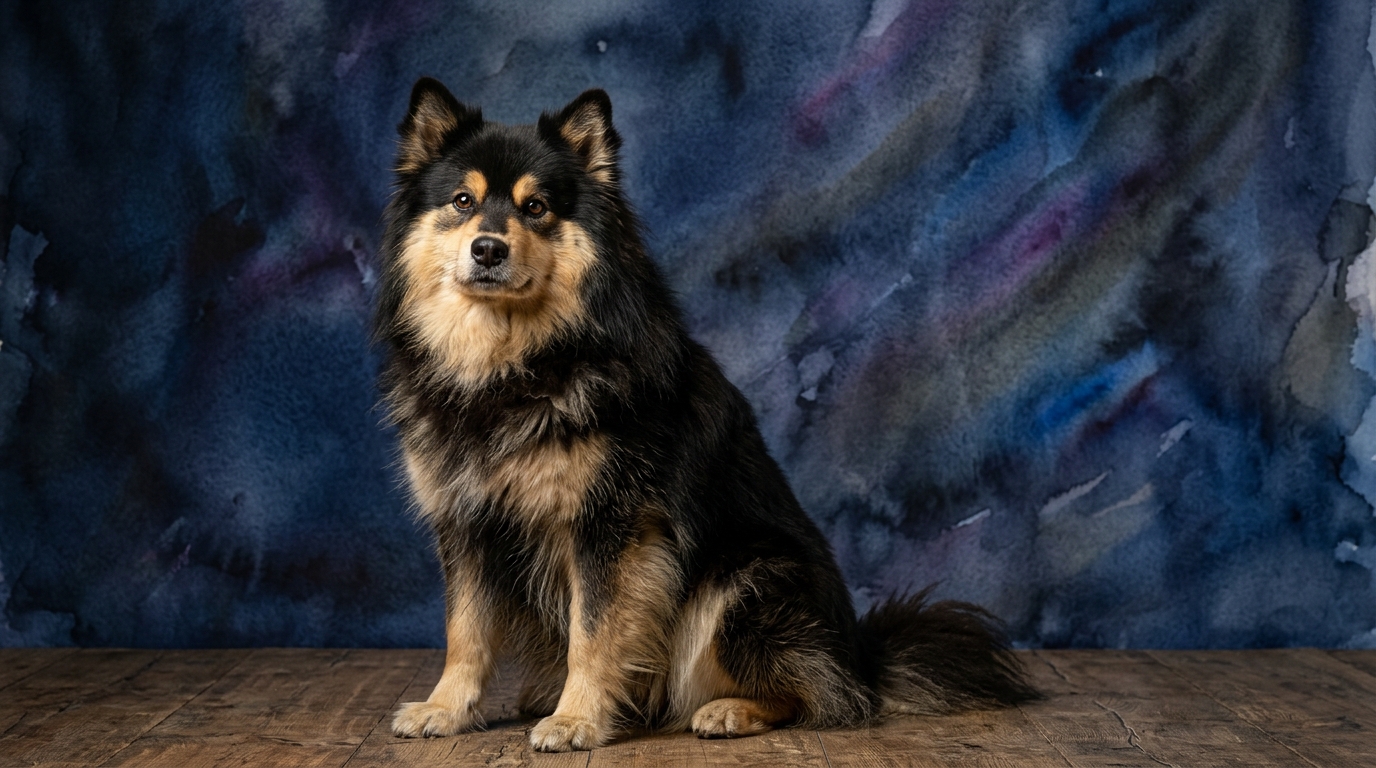
The **Finnish Lapphund** also scores 3/5 across the board, but their expression of these traits differs. Their Problem Solving at 3/5 often manifests as a more thoughtful, observant approach, perhaps figuring out how to manage a flock over vast, challenging terrain rather than a quick, physical maneuver. Training Speed at 3/5 means they are receptive learners, often responding best to gentle, patient methods due to their sensitive nature; harshness can cause them to shut down. Social Intelligence at 3/5 is often expressed through their deep bond with their families and a nuanced ability to read subtle emotional cues. Their Instinctive Drive of 3/5 is primarily for herding reindeer, which requires more watchful guidance and less aggressive nipping, though they retain a strong drive to keep their 'flock' (human family) together. Lastly, their Memory at 3/5 ensures they recall extensive routes, learned behaviors, and social interactions with consistency.
Where the Swedish Vallhund Shines Cognitively
While both breeds share identical IQ scores, the Swedish Vallhund's specific physical and historical traits allow its cognitive abilities to shine in particular ways. Its low-slung, agile body, combined with its tenacity, makes it particularly adept at problem-solving that requires quick, physical maneuvers and clever navigation. A Vallhund's 3/5 problem-solving score is often expressed through its ability to outwit livestock, quickly change direction, or find creative ways around barriers in a fast-paced environment. This breed's 'Viking dog' spirit translates into a resilient cognitive approach, meaning they are less likely to give up on a mental challenge once engaged. Their direct social intelligence often means they are clear communicators, quickly conveying their intentions or needs to their human companions, making their thought processes more overtly readable.
Where the Finnish Lapphund Excels Cognitively
The Finnish Lapphund's unique strengths lie in the thoughtful and enduring application of its intelligence. Its history of herding reindeer in vast, often desolate landscapes means its 3/5 problem-solving ability is geared towards endurance, observation, and subtle strategy rather than rapid physical action. A Lapphund might excel at remembering complex, winding paths over long distances or understanding the subtle patterns of animal behavior over extended periods. Their social intelligence, while also 3/5, often manifests as a deep empathy and sensitivity to human emotions, making them highly attuned companions who can pick up on subtle changes in mood or environment. This breed's calm demeanor allows for a more sustained cognitive focus, enabling them to process information and respond with a measured, deliberate approach, which can be invaluable in complex social or environmental settings.
Training: Vallhund's Zest vs. Lapphund's Sensitivity
Both breeds score a 3/5 in Training Speed, indicating a moderate learning curve, but the *methodology* for optimal results differs significantly due to their behavioral nuances. The Swedish Vallhund, with its robust herding drive and independent nature, often approaches training with enthusiastic zest but also a degree of stubbornness. They learn quickly with consistent, positive reinforcement and clear boundaries, but their innate desire to chase or herd can be a distraction. Owners might find that while a Vallhund picks up basic commands rapidly, channeling their strong instinctive drive into appropriate activities (like dog sports or structured play) is crucial to prevent them from 'herding' children or other pets. They require an engaging trainer who can keep their sharp minds occupied and their bodies active, often thriving on variety and challenge.
The Finnish Lapphund, while equally capable of learning, benefits immensely from a patient, gentle, and trust-based training approach. Their sensitive nature means they are prone to shutting down or becoming anxious if subjected to harsh corrections or inconsistent methods. A Lapphund's 3/5 training speed is best realized when the training environment is calm and encouraging, allowing them to process information without pressure. They form strong bonds with their trainers and respond well to praise and rewards, often becoming highly compliant partners once a relationship of mutual respect is established. While they have an independent streak typical of herding breeds, it's often expressed as thoughtful consideration rather than outright defiance, requiring a trainer who understands subtle cues and can adapt their approach.
Ideal Owners: Dynamic Engagement vs. Thoughtful Companionship
Neither the Swedish Vallhund nor the Finnish Lapphund is suited for truly 'relaxed' owners in the sense of minimal activity, as both are herding breeds with inherent energy and mental needs. However, the *type* of activity and engagement they thrive on does differ. The Swedish Vallhund is an excellent match for active owners who enjoy dynamic engagement, such as dog sports like agility, obedience, or herding trials. Their quick reflexes, agility, and strong drive mean they need consistent physical and mental outlets to prevent boredom and destructive behaviors. They thrive with owners who can provide a 'job' and enjoy a clever, tenacious companion for outdoor adventures and structured training sessions. Owners who appreciate a dog with a bold personality and a mischievous streak will find a Vallhund rewarding.
The Finnish Lapphund, while also active, often prefers a more consistent, moderate pace of activity. They are well-suited for owners who enjoy longer, exploratory walks, hiking in varied terrain (especially in cooler climates), and consistent outdoor companionship. Their endurance and love for being outdoors make them great partners for those who spend significant time in nature. While they can participate in dog sports, their sensitive nature means they might prefer a less intense, more harmonious approach. They excel with patient, thoughtful owners who can appreciate their calm demeanor indoors and provide ample opportunities for outdoor exploration, bonding, and gentle mental stimulation. They fit well into families seeking a devoted, observant companion who enjoys being part of daily life without requiring constant high-octane entertainment.
The Verdict
Choose the Swedish Vallhund if you are an active owner seeking a tenacious, agile, and quick-witted companion for dynamic engagement, dog sports, and a dog that thrives on having a 'job' to do.
Opt for the Finnish Lapphund if you are a patient, thoughtful owner who appreciates a sensitive, empathetic companion for consistent outdoor exploration, a strong bond, and a calmer, more observant presence indoors.
🧠 Find Your Pet's IQ Score
Our Pet IQ Lab assessment covers 25+ tests across 5 cognitive dimensions — personalized to your breed.
Take the Full IQ Test →Frequently Asked Questions
Are Swedish Vallhunds or Finnish Lapphunds good for first-time dog owners?
Both breeds possess a moderate intelligence (3/5 training speed) and strong herding instincts, which can be challenging for first-time owners. They require consistent training, early socialization, and an understanding of their specific needs to thrive. A committed first-time owner willing to invest time in positive reinforcement training could succeed with either, but they are not 'easy' breeds.
How do their herding instincts manifest differently?
The Swedish Vallhund's 3/5 instinctive drive often manifests as a strong desire to 'nip' at heels or 'round up' moving objects or people, reflecting its history with cattle. The Finnish Lapphund's 3/5 drive, stemming from reindeer herding, is typically more focused on watchful guidance, barking to control, and keeping its 'flock' (family) together, rather than direct physical intervention.
Do these breeds generally get along with children and other pets?
With a 3/5 social intelligence score, both breeds can integrate well into families with children and other pets, provided they receive early socialization and proper training. Vallhunds might attempt to herd children or other pets, requiring supervision. Lapphunds are generally gentle but can be reserved with strangers and may prefer a quieter environment, especially with very young or boisterous children.