Side-by-Side IQ Profile: Unpacking Identical Scores
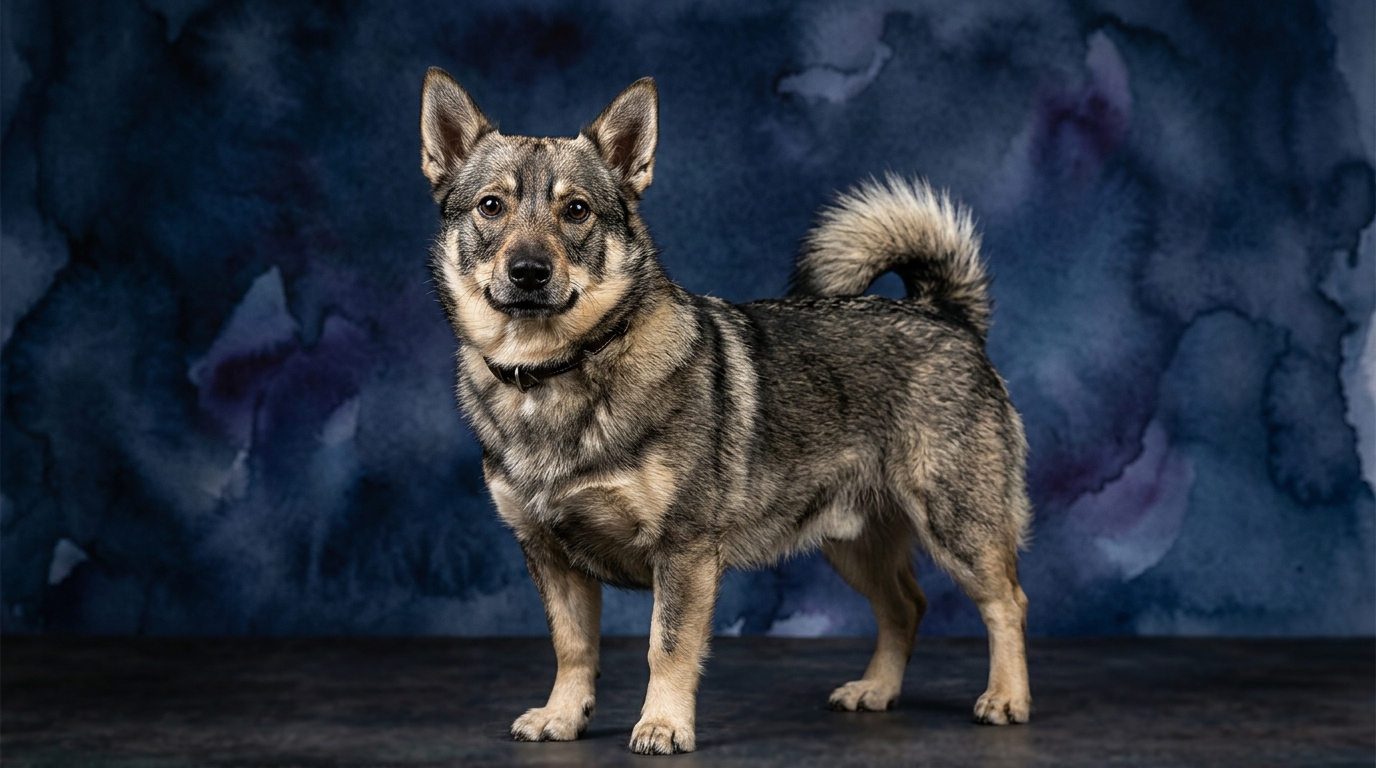
Both the Swedish Vallhund, a spirited Herding dog, and the Kooikerhondje, a lively Sporting breed, register a consistent 3/5 across our five key intelligence dimensions: Problem Solving, Training Speed, Social Intelligence, Instinctive Drive, and Memory. This parity suggests a shared foundation of capability, yet their ancestral roles dictate nuanced expressions of these traits. For the Swedish Vallhund, a breed historically tasked with herding cattle, 'Problem Solving' at 3/5 translates to a practical ingenuity in navigating and controlling livestock, perhaps excelling at spatial reasoning for movement or figuring out how to manipulate objects in their environment. Their 'Training Speed' of 3/5 indicates a moderate pace of learning new commands, particularly when these tasks align with their innate desire to work and direct, responding well to clear, consistent instruction. 'Social Intelligence' for a Vallhund at 3/5 means they are attentive to their human handlers within a working context, understanding cues and expectations, though they might not be overly demonstrative in their emotional responses. Their 'Instinctive Drive' at 3/5 is powerfully geared towards herding, chase, and control, providing a strong internal motivation for activity and learning. Finally, their 'Memory' at 3/5 is robust for routines, learned behaviors, and spatial layouts, crucial for remembering patterns in their work or territory.
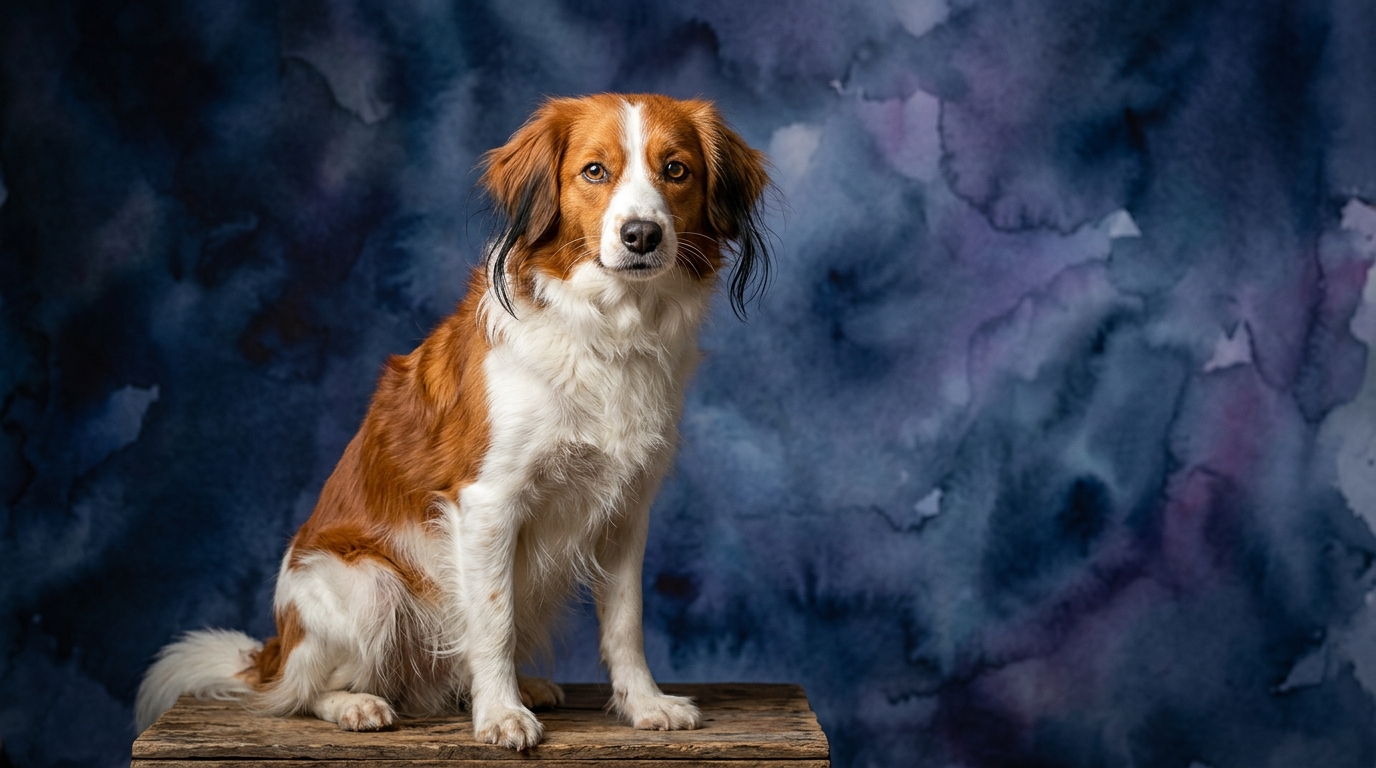
The Kooikerhondje, originating as a duck tolling dog, also scores 3/5 across the board, but these scores manifest differently. Their 'Problem Solving' at 3/5 often involves adaptability and quick thinking in dynamic environments, such as luring ducks or retrieving game from varied terrain. They excel at deciphering changing situations and making swift decisions. 'Training Speed' for the Kooikerhondje, also 3/5, reflects their ability to learn new commands at a moderate rate, especially when training is engaging, playful, and utilizes positive reinforcement. Being a sensitive breed, they thrive on gentle guidance. Their 'Social Intelligence' at 3/5 is marked by a keen attunement to their handler's moods and intentions, a vital trait for a cooperative hunting partner; they are generally friendly and responsive to human interaction, though can be reserved with strangers. The Kooikerhondje's 'Instinctive Drive' at 3/5 is focused on retrieving, scent work, and interactive play, motivating them to engage enthusiastically in activities that mimic their ancestral duties. Their 'Memory' at 3/5 is excellent for remembering complex sequences of actions, specific locations, and scent trails, essential for their intricate tolling and retrieving tasks.
Where the Swedish Vallhund Cognitively Excels
Despite identical scores, the Swedish Vallhund’s herding lineage provides distinct cognitive advantages, particularly in tasks demanding sustained, independent focus on a singular objective. Their historical role as 'cattle nippers' required a certain calculating boldness and persistence. This translates into an edge in problem-solving situations that benefit from a direct, unwavering approach, such as navigating complex obstacle courses with a clear endpoint or methodically solving puzzle toys that require sequential manipulation. Their instinctive drive, channeled towards control and direction, means they excel in activities where they can exert influence over movement or outcomes, making them particularly adept at herding trials, or even managing household 'flocks' (children or other pets) with a gentle but firm presence. The Vallhund's memory, while rated 3/5, shines in its capacity for recalling established routines and maintaining spatial awareness within a defined territory, making them excellent at remembering where things belong or specific routes.
Where the Kooikerhondje Cognitively Excels
The Kooikerhondje's background as a duck tolling dog lends itself to cognitive strengths in areas requiring quick shifts in attention, adaptability to novel stimuli, and nuanced interpretation of human body language. Their work involved enticing ducks into range, a task demanding a blend of playful deception and keen observation. This makes them particularly adept at problem-solving in dynamic, unpredictable environments, such as agility courses where rapid adjustments are necessary, or scent work that requires flexible strategies. Their social intelligence, while also 3/5, often manifests as a more expressive and responsive connection to their primary owner, making them highly attuned to subtle emotional states and non-verbal cues. This enables them to anticipate commands and work in seamless partnership. The Kooikerhondje's memory, similarly rated 3/5, demonstrates a remarkable capacity for remembering complex sequences of actions and varied environmental details, crucial for navigating different hunting grounds and recalling intricate training exercises.
Training Ease: Vallhund's Purpose vs. Kooikerhondje's Partnership
Determining which breed is 'easier' to train is less about raw intellectual capacity and more about alignment with an owner's training style and expectations. The Swedish Vallhund, with its strong herding drive and independent streak, can be highly responsive to training that provides a clear purpose and structure. Owners who enjoy engaging in repetitive, task-oriented training, such as obedience, rally, or even actual herding, will find the Vallhund a willing and efficient learner. Their problem-solving and drive make them quick to pick up specific skills when the task resonates with their instincts. However, their independence means they might challenge an owner who isn't consistent or clear, potentially making them 'harder' for those seeking a purely biddable companion without a structured outlet for their working intelligence. They require an owner who understands how to channel their inherent desire to 'manage' into appropriate behaviors.
The Kooikerhondje, on the other hand, often feels 'easier' to train for owners who prefer a more sensitive, cooperative partner and enjoy varied, playful training methods. Their eagerness to please and high social attunement make them highly responsive to positive reinforcement and gentle guidance. They excel in activities like agility, trick training, or scent work where partnership and enthusiasm are key. Their sensitivity, however, means harsh methods are counterproductive and can lead to shutdown or anxiety, making them 'harder' for owners who rely on dominance-based techniques. They thrive on a fun, encouraging environment that builds confidence and strengthens the bond, responding well to an owner who can make learning feel like a collaborative game rather than a chore. Their adaptable problem-solving and memory for complex sequences also make them excellent candidates for advanced obedience and dog sports.
Lifestyle Match: Active Engagement vs. Dynamic Partnership
Neither the Swedish Vallhund nor the Kooikerhondje are suitable for truly 'relaxed' owners in the sense of a sedentary lifestyle; both breeds require consistent mental and physical stimulation. The Swedish Vallhund is an ideal match for active owners who enjoy structured activities and can provide a 'job' for their dog. This includes enthusiasts of herding trials, competitive obedience, rally, or agility. Their herding energy isn't just about running; it's about focus, control, and problem-solving within a defined task. Owners who appreciate a dog with a robust personality and are prepared to engage their Vallhund's keen intellect through consistent training and purposeful activities will find a rewarding companion. They need an owner who understands their working heritage and provides outlets for their instinctive drive, otherwise, their intelligence can lead to boredom and undesirable behaviors.
The Kooikerhondje, while equally active, suits owners who enjoy a more dynamic partnership and varied forms of engagement. They thrive with owners who participate in activities like agility, dock diving, advanced trick training, or extensive scent work. Their 'lively' nature translates to a need for interactive play and a desire to be involved in family activities. They might be a better fit for active owners who prefer spontaneous adventures, long walks, and interactive games over strictly regimented tasks, though they still benefit immensely from structured training. Their social intelligence and desire for close partnership mean they thrive when included as an integral part of family life, making them excellent companions for owners who value a sensitive, responsive, and playful canine partner who enjoys learning new things in a cooperative setting.
The Verdict: Choosing Your Cognitive Companion
The Verdict
Choose the Swedish Vallhund if you seek a dog with a robust, independent problem-solving approach, thrive on structured, purposeful training, and can provide consistent outlets for a strong herding drive. They are ideal for owners who enjoy engaging a dog in consistent, task-oriented work.
Opt for the Kooikerhondje if you prefer a sensitive, cooperative partner, enjoy dynamic and playful training methods, and can provide varied mental and physical stimulation. They excel with owners who value a deep, responsive bond and appreciate a dog's nuanced social intelligence.
🧠 Find Your Pet's IQ Score
Our Pet IQ Lab assessment covers 25+ tests across 5 cognitive dimensions — personalized to your breed.
Take the Full IQ Test →Frequently Asked Questions
Do identical IQ scores mean these breeds are equally easy to live with?
No, identical IQ scores indicate similar cognitive potential, but their historical roles and inherent temperaments dictate how that intelligence is expressed and what kind of environment they thrive in. The 'ease' of living with them depends heavily on matching their specific needs to your lifestyle and training approach.
Can a Swedish Vallhund or Kooikerhondje be a good first-time dog for an owner?
Both breeds can be suitable for first-time owners who are committed to consistent training, early socialization, and providing ample mental and physical stimulation. However, their energy levels and specific working drives mean a novice owner must be prepared to invest significant time and effort into understanding and managing their breed-specific traits.
Are these breeds prone to specific behavioral issues due to their intelligence?
Intelligent dogs, including the Vallhund and Kooikerhondje, can develop behavioral issues like destructive chewing, excessive barking, or anxiety if their minds are not adequately stimulated. Their smarts mean they require consistent engagement and mental challenges to prevent boredom and channel their energy constructively.