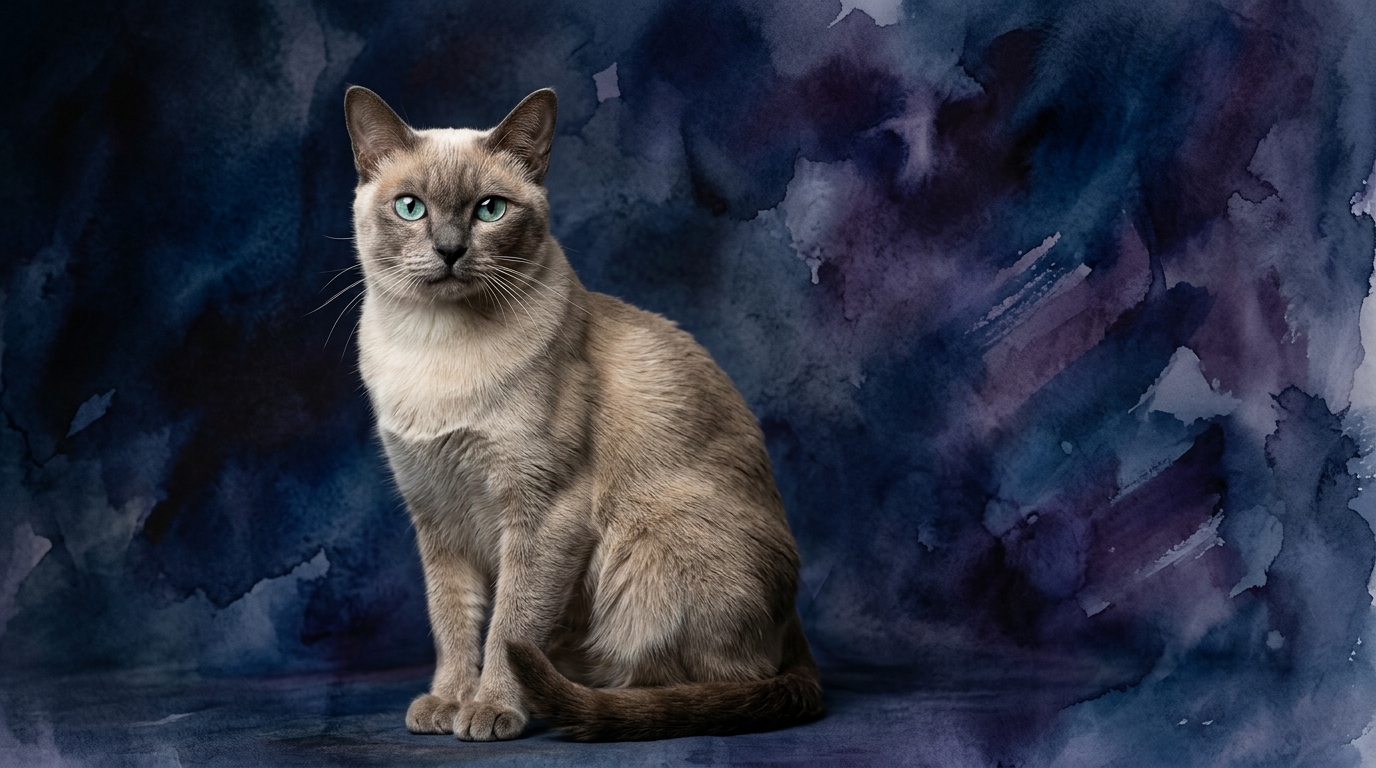
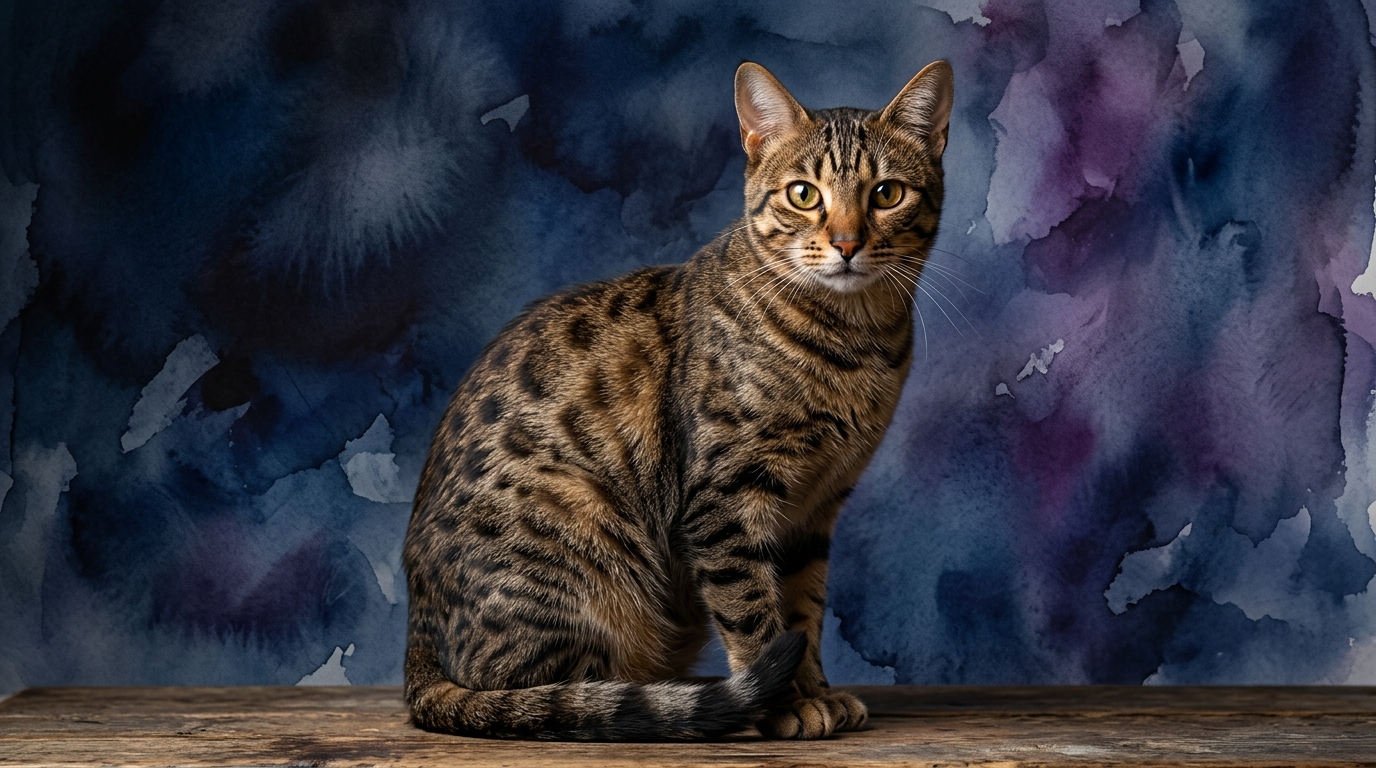
Side-by-Side IQ Profile
The Cosmic Pet Pet IQ Lab categorizes feline intelligence across five crucial dimensions, offering a nuanced view of each breed's cognitive strengths. For the Tonkinese, we observe an exceptional profile: Problem Solving 5/5, Training Speed 5/5, Social Intelligence 5/5, Instinctive Drive 4/5, and Memory 5/5. This breed exhibits remarkable cognitive flexibility, adept at navigating complex environments and devising novel solutions. Their rapid learning curve suggests they quickly grasp new concepts and commands, while their profound social acumen enables nuanced interactions with humans and other pets. A robust instinctive drive fuels their curiosity and play, complemented by an outstanding memory for routines, experiences, and learned behaviors.
In contrast, the Egyptian Mau presents a balanced yet moderate cognitive profile across all dimensions: Problem Solving 3/5, Training Speed 3/5, Social Intelligence 3/5, Instinctive Drive 3/5, and Memory 3/5. They demonstrate a competent ability to solve straightforward problems and can be trained with consistent effort, though perhaps at a more measured pace than some breeds. Their social interactions are generally amiable but may lack the intense seeking of engagement seen in others, preferring a more independent presence. A moderate instinctive drive means they enjoy play and exploration without the relentless intensity, supported by a functional memory for daily routines and familiar faces.
Where Tonkinese Wins Cognitively
The Tonkinese cat truly excels in almost every cognitive dimension, showcasing a remarkable aptitude for intricate thought processes. Their perfect 5/5 Problem Solving score means they aren't just reacting to stimuli; they are actively strategizing, opening latches, figuring out puzzle feeders with impressive speed, and even manipulating objects to achieve desired outcomes. This indicates a high degree of adaptability and a proactive approach to environmental challenges, often surprising owners with their ingenuity and capacity to outsmart simple barriers.
Furthermore, their perfect 5/5 in Training Speed and Social Intelligence highlights a unique receptiveness to human instruction and interaction. A Tonkinese will not only pick up tricks and routines with astonishing rapidity but will also actively seek to understand and engage with their human companions, often initiating interactions and responding to subtle cues. This profound social understanding fosters a deep bond, making them extraordinarily attuned to their owner's moods and intentions. Their 5/5 Memory ensures these learned behaviors and social nuances are retained long-term, building a sophisticated repertoire of responses and expectations.
Where Egyptian Mau Wins Cognitively
While the Egyptian Mau's scores are consistently moderate, this profile translates into specific cognitive advantages for certain lifestyles. Their 3/5 Social Intelligence suggests a companion that appreciates human presence but doesn't constantly demand intense interaction or validation. This allows them to thrive in environments where owners might prefer a more independent feline, one that is affectionate on its own terms rather than perpetually seeking engagement. They are present, observant, and connect without overwhelming, offering a balanced social dynamic.
The Mau's moderate 3/5 Instinctive Drive also presents a particular "win" for owners seeking a pet with natural curiosity and playfulness that remains manageable. While they enjoy chasing and exploring, this drive isn't typically so intense that it requires constant, elaborate enrichment to prevent boredom-related behaviors. Their problem-solving and training aptitudes, though not top-tier, are perfectly adequate for navigating a typical home environment and learning essential household rules without the potential for overthinking or outsmarting every barrier, which can sometimes be a unique challenge with more cognitively complex breeds.
Which is Easier to Train and Why
Without question, the Tonkinese presents a significantly easier training experience due to its superior cognitive architecture. Their perfect 5/5 in Training Speed means they form associations quickly, linking actions to consequences almost instantaneously. This rapid comprehension allows for swift mastery of commands, tricks, and even complex agility courses. Coupled with their 5/5 Social Intelligence, they are highly motivated to please and interact with their trainers, actively participating in learning sessions rather than merely tolerating them, often initiating engagement.
Their exceptional Problem Solving (5/5) means they can generalize learned behaviors to new situations and understand multi-step commands, making potty training, leash training, or even recall much more intuitive for them. In contrast, the Egyptian Mau, with its 3/5 Training Speed, requires more patience, repetition, and consistent reinforcement. While certainly trainable, the Mau's learning process is more deliberate, requiring a focused approach to ensure concepts are thoroughly absorbed and retained. Their moderate social drive means they might not always be as eager to engage in extended training sessions, preferring shorter, more frequent interactions.
Which Suits Active Owners vs Relaxed Owners
The Tonkinese is an ideal match for active owners who relish deep engagement and are prepared to provide substantial mental stimulation. Their high Problem Solving and Instinctive Drive scores indicate a cat that thrives on challenges, requiring regular interactive play, puzzle toys, and opportunities to learn new skills to remain content. Owners who enjoy teaching tricks, taking their cat on adventures (like leash walks), or simply engaging in prolonged, thoughtful interaction will find the Tonkinese a profoundly rewarding companion, mirroring their own energetic approach to life. Their profound social intelligence means they crave connection and can become bored or restless if left without sufficient interaction.
Conversely, the Egyptian Mau's balanced cognitive profile makes it a superb choice for more relaxed owners who appreciate a companion that is affectionate and present but does not demand constant, intense interaction. Their moderate scores in Problem Solving, Training Speed, and Social Intelligence mean they are adaptable to a calmer household pace, enjoying play and affection without the need for elaborate daily enrichment schedules. While they still benefit from interaction and mental engagement, the Mau is more likely to entertain itself or simply enjoy quiet companionship, making them a harmonious fit for individuals seeking a less demanding, yet still deeply connected, feline presence.
The Verdict
If you seek a highly interactive, quick-witted feline partner eager to learn and engage in complex play, the Tonkinese, with its exceptional cognitive scores, is your ideal companion.
For those desiring a gracefully independent yet affectionate cat that offers a more relaxed companionship and is content with moderate stimulation, the Egyptian Mau presents a perfect, charming choice.
🧠 Find Your Pet's IQ Score
Our Pet IQ Lab assessment covers 25+ tests across 5 cognitive dimensions — personalized to your breed.
Take the Full IQ Test →Frequently Asked Questions
Can an Egyptian Mau be taught tricks despite its moderate training speed?
Yes, an Egyptian Mau can certainly be taught tricks and commands, though it might require more patience, consistency, and positive reinforcement than with a Tonkinese. Their moderate training speed means they learn effectively but at a more measured pace, so short, frequent training sessions work best.
Are Tonkinese cats prone to separation anxiety due to their high social intelligence?
While Tonkinese cats thrive on interaction and can become lonely if left alone for extended periods, their high social intelligence primarily means they are deeply attuned to their family. Providing ample mental enrichment and ensuring consistent interaction when home can mitigate any potential for distress.
How do the instinctive drives of these two breeds impact their play styles?
The Tonkinese's 4/5 instinctive drive suggests a strong prey drive, leading to enthusiastic, focused play sessions often involving chasing and "hunting" toys with intensity and strategic thinking. The Egyptian Mau's 3/5 drive means they also enjoy play, but perhaps with less relentless focus or complex strategy, finding satisfaction in moderate chasing and pouncing games.