Side-by-Side IQ Profile: Unpacking Cognitive Dimensions
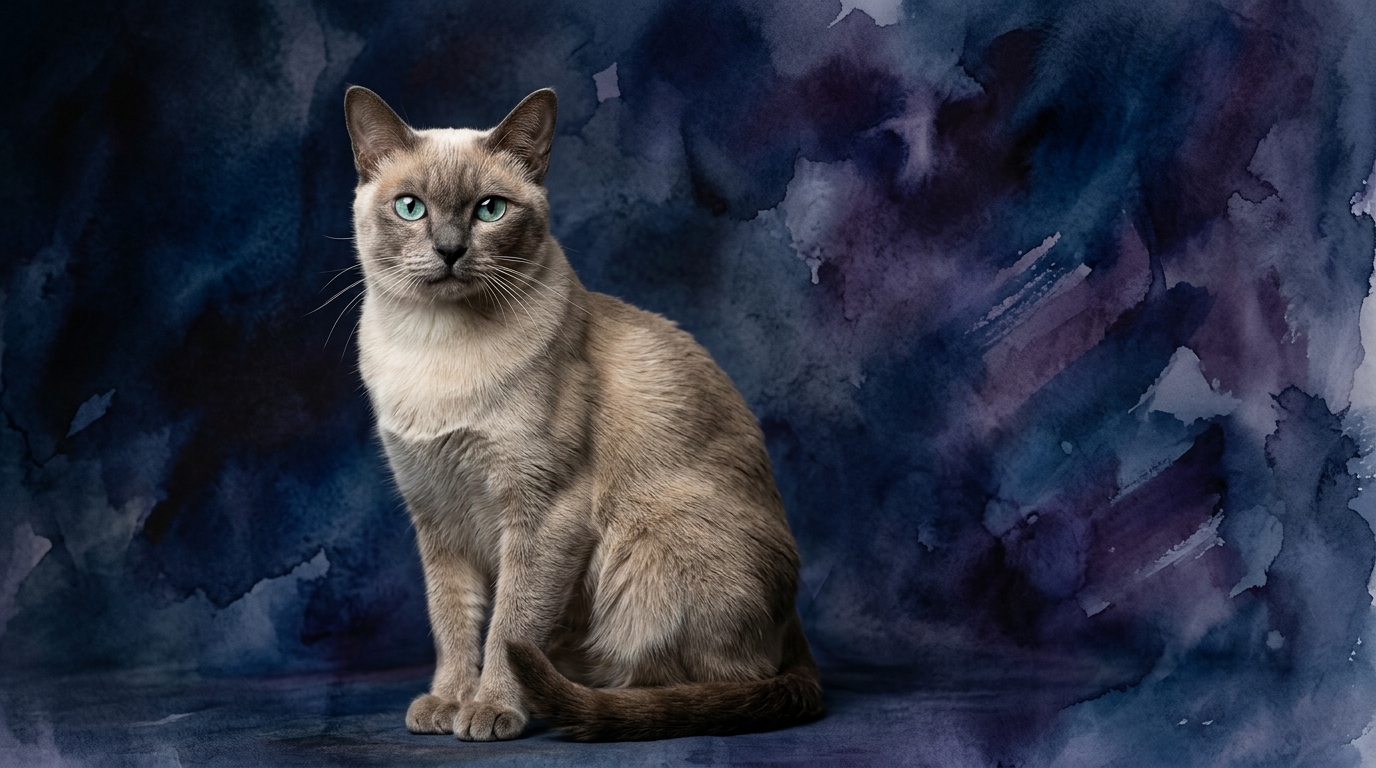
The Tonkinese presents a profile of exceptional cognitive agility across the board. Its Problem Solving at 5/5 indicates a cat that actively seeks solutions to environmental challenges, whether it's manipulating latches or figuring out complex toy mechanics with minimal trial-and-error. A Training Speed of 5/5 suggests a remarkable capacity for rapid learning, absorbing new commands, routines, and even intricate tricks with enthusiasm and few repetitions. Social Intelligence, also at 5/5, points to a profound ability to interpret human moods, intentions, and even subtle social cues, fostering deeply reciprocal relationships. Its Instinctive Drive, rated 4/5, signifies a robust yet manageable prey drive, channelled effectively through interactive play. Finally, a Memory score of 5/5 means the Tonkinese forms strong, lasting recollections of people, places, and learned behaviors, contributing to its consistent and predictable interactions.
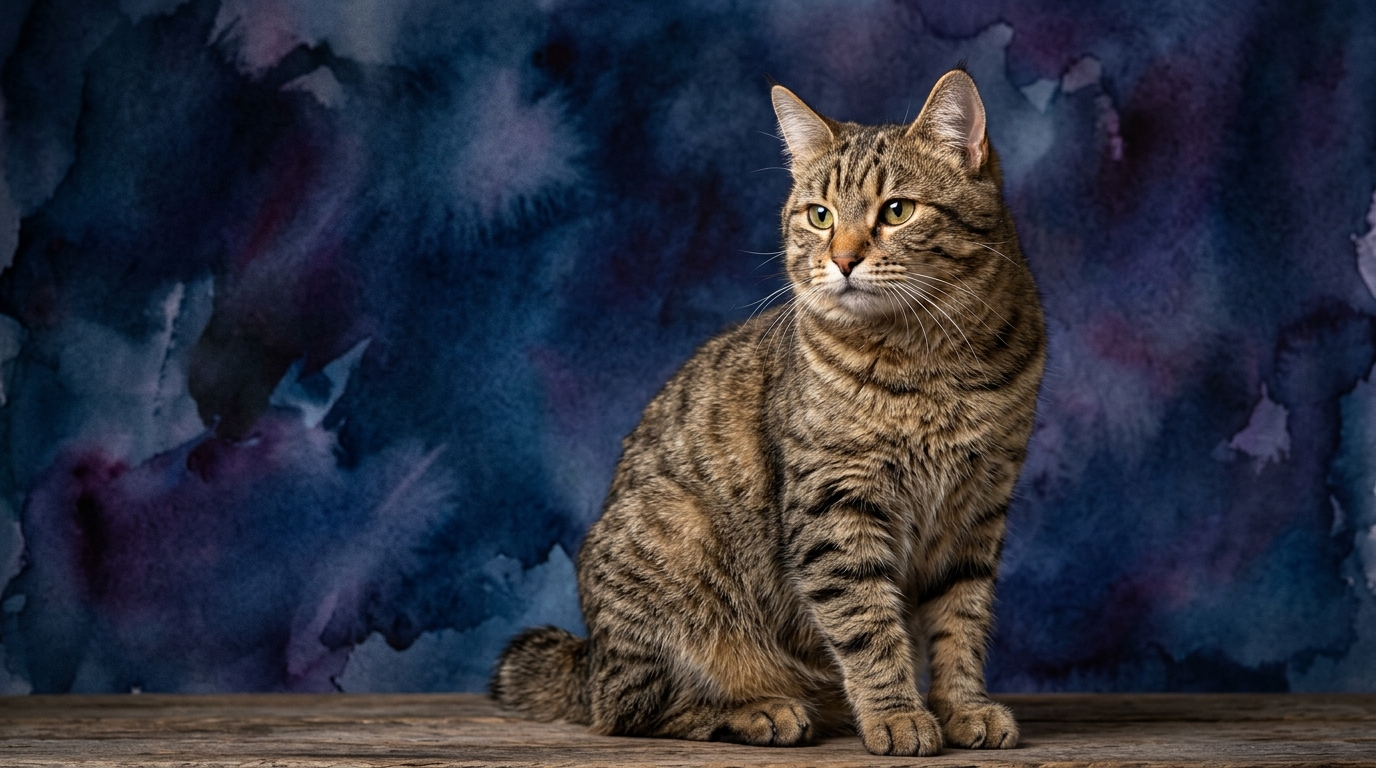
In contrast, the Pixiebob's cognitive profile is one of solid, reliable competence across its dimensions. Its Problem Solving at 3/5 suggests a cat capable of navigating its environment and solving straightforward puzzles, though it might require more persistence or clearer cues than a Tonkinese. A Training Speed of 3/5 indicates that while the Pixiebob is certainly trainable, it thrives on consistency and positive reinforcement, taking a moderate amount of time to grasp new concepts and commands. Social Intelligence at 3/5 reflects an amiable and affectionate nature, capable of forming strong bonds, yet perhaps less inclined to engage in highly complex social 'conversations' or subtle emotional mirroring. An Instinctive Drive of 3/5 points to a healthy and present prey drive, generally expressed through typical cat play without overwhelming intensity. Its Memory, also at 3/5, allows the Pixiebob to recall familiar routines, faces, and locations reliably, without necessarily cataloging every minute detail of its past experiences.
Where the Tonkinese Excels Cognitively
The Tonkinese's cognitive strengths are particularly evident in its capacity for environmental mastery and intricate social engagement. Its 5/5 Problem Solving means a Tonkinese is likely to quickly decipher how to open doors, access hidden treats, or even activate specific toys, often displaying a strategic approach rather than random attempts. This makes them adept at navigating complex home environments and finding ways around perceived barriers. Paired with a 5/5 Training Speed, this breed not only understands human directives but also actively participates in the learning process, often anticipating the next step in a sequence. Owners report Tonkinese cats learning multi-step tricks like fetching specific items or performing agility courses with impressive speed and precision. Furthermore, their superior Social Intelligence (5/5) allows them to pick up on subtle changes in human tone or body language, offering comfort when sensing distress or initiating play when sensing availability, making interactions feel deeply intuitive and responsive. Their 5/5 Memory ensures these learned behaviors and social understandings are retained long-term, building a consistent and rich interactive history.
Where the Pixiebob's Cognitive Profile Offers Distinct Advantages
While the Pixiebob's scores are more moderate, its cognitive profile offers distinct advantages for certain lifestyles and owner preferences. Its 3/5 Problem Solving, for instance, means it's less likely to be an escape artist or a persistent 'cabinet raider,' potentially simplifying household management for owners who prefer fewer daily intellectual skirmishes with their pet. This moderated drive to constantly analyze and manipulate its surroundings can lead to a more relaxed household dynamic. The 3/5 Social Intelligence contributes to a companionable nature that is affectionate without being overly demanding of constant, intense interaction; they are happy to share space and offer purrs but may not always seek complex back-and-forth communication. This can be a boon for individuals who appreciate feline companionship but also value their own quiet time. Their 3/5 Instinctive Drive also suggests a balanced approach to play and hunting behaviors, making them enthusiastic participants in play sessions without the intense, almost obsessive focus that can sometimes accompany higher-drive breeds, contributing to a generally calm and adaptable demeanor.
Which is Easier to Train and Why
Based on their respective scores, the Tonkinese is demonstrably easier to train, primarily due to its 5/5 Training Speed and 5/5 Problem Solving. A Tonkinese typically grasps new commands and concepts with remarkable rapidity, often requiring only a handful of repetitions before a behavior is internalized. They thrive on mental challenges and enjoy the process of learning, making them excellent candidates for leash training, complex trick sequences, and even participating in feline agility. Their high memory ensures that once a behavior is learned, it is retained effectively. In contrast, the Pixiebob, with a 3/5 Training Speed, requires a more patient and consistent approach. While certainly trainable for basic commands, litter box habits, and leash walking, owners should anticipate needing more repetitions and longer periods of reinforcement. Pixiebobs respond best to short, positive training sessions, focusing on clear cues and generous rewards. Their 3/5 Problem Solving means they might take longer to connect actions with consequences or to generalize learned behaviors to new situations, necessitating a more structured and less spontaneous training regimen.
Which Suits Active Owners vs. Relaxed Owners
The Tonkinese, with its exceptional cognitive scores across the board, is ideally suited for active owners who are prepared to provide significant mental and physical enrichment. Their 5/5 Social Intelligence means they crave interaction and can become bored or even mischievous if left under-stimulated; they flourish when engaged in interactive play, puzzle solving, and consistent training. An active owner will appreciate a Tonkinese's desire to participate in household activities, offering companionship that is both engaging and intellectually stimulating. Conversely, a Pixiebob’s more moderate cognitive profile makes it a superb match for relaxed owners. While affectionate and playful, their 3/5 Social Intelligence means they are less likely to demand constant attention, content to observe or engage on their own terms. Their balanced Instinctive Drive (3/5) ensures they enjoy play without requiring an intense, high-energy outlet for hours each day. A relaxed owner will find the Pixiebob to be an amiable and adaptable companion, offering warmth and presence without the perpetual need for cognitive challenges that a Tonkinese might present.
The Verdict
Choose a Tonkinese if you seek a highly interactive, intellectually keen companion eager to learn complex behaviors and engage in deep social bonds, thriving on consistent mental stimulation and owner participation.
Opt for a Pixiebob if you prefer an amiable, adaptable companion who appreciates affection and play but is also content with more independent activity, offering a calming presence without demanding constant cognitive challenges.
🧠 Find Your Pet's IQ Score
Our Pet IQ Lab assessment covers 25+ tests across 5 cognitive dimensions — personalized to your breed.
Take the Full IQ Test →Frequently Asked Questions
Do Tonkinese cats really open doors or cabinets?
Yes, their 5/5 Problem Solving score means Tonkinese cats are often adept at manipulating latches, handles, and other simple mechanisms to access desired areas or items, showcasing a remarkable understanding of cause and effect. This behavior is a direct manifestation of their exceptional cognitive abilities.
Can a Pixiebob learn tricks, or are they too independent?
Pixiebobs can certainly learn tricks, especially basic commands and simple sequences, though their 3/5 Training Speed means it requires more patience and consistent positive reinforcement. While they appreciate independence, they are also eager to please and can form strong bonds that motivate them during training sessions.
How do their social intelligence differences impact household dynamics?
A Tonkinese's 5/5 Social Intelligence means they are highly attuned to human emotions and seek constant interaction, often initiating play or comfort, potentially leading to a very involved household dynamic. A Pixiebob's 3/5 Social Intelligence suggests they are affectionate and friendly but may not demand the same level of constant engagement, fitting well into a home where companionship is valued but independent time is also appreciated.