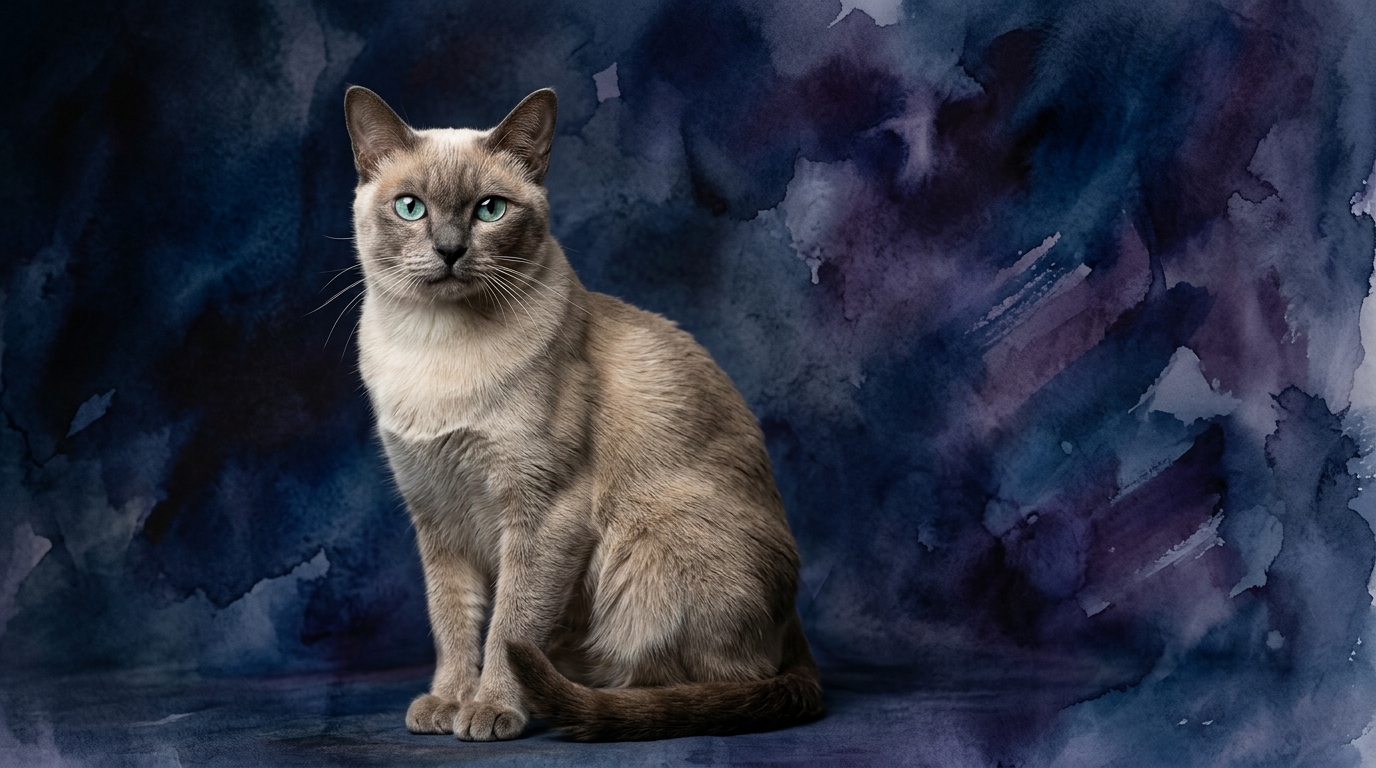
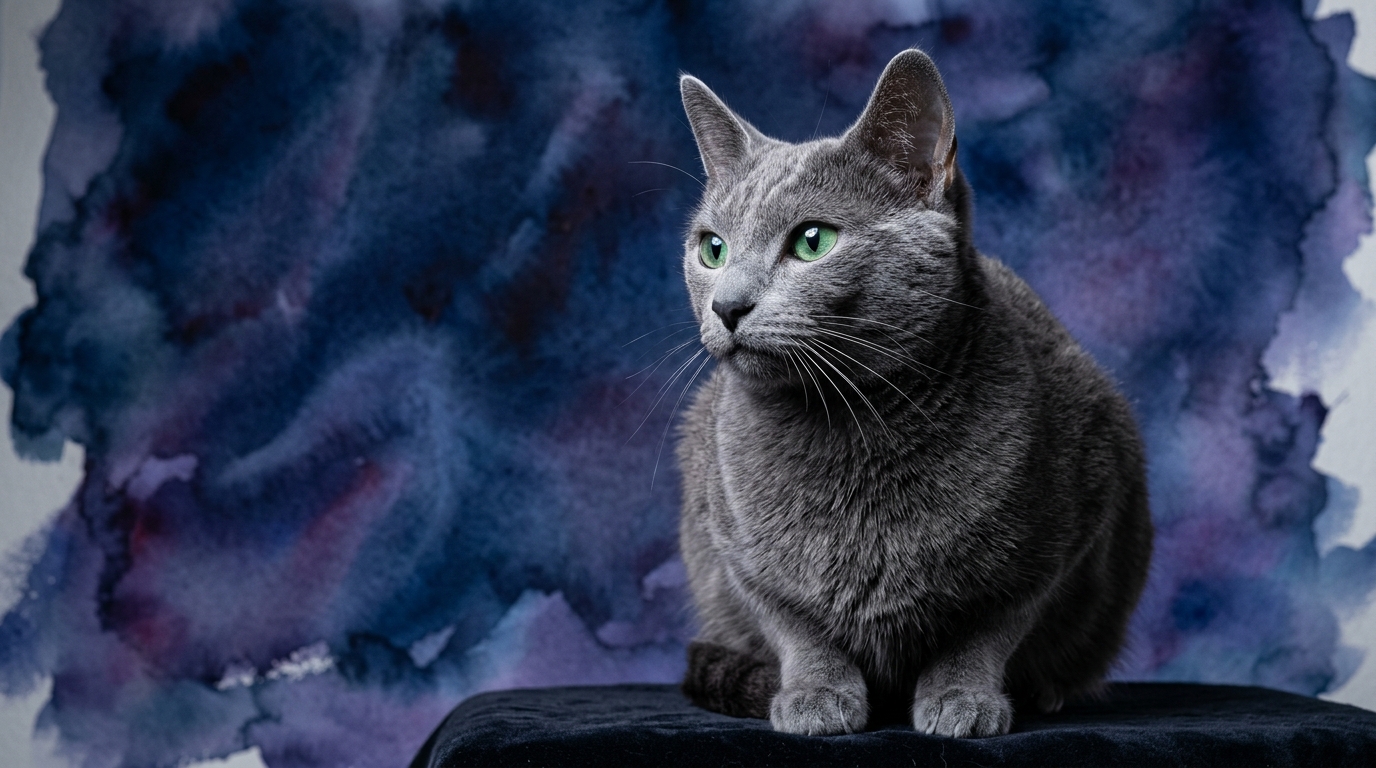
A Side-by-Side Cognitive Profile
The Cosmic Pet Pet IQ Lab provides a unique lens through which to examine the specific cognitive strengths of these two beautiful cat breeds across five key dimensions. Understanding these profiles helps us appreciate the distinct mental landscapes each breed possesses.
The Tonkinese presents a robust cognitive profile, achieving top marks in Problem Solving (5/5), Training Speed (5/5), Social Intelligence (5/5), and Memory (5/5), with a strong Instinctive Drive (4/5). This combination suggests a cat that is not only quick to learn but also highly engaged with its environment and companions.
In contrast, the Russian Blue exhibits a more reserved yet consistent cognitive makeup. It scores well in Problem Solving (4/5) and Social Intelligence (4/5), with an impressive Memory (5/5), but shows a moderate Training Speed (3/5) and Instinctive Drive (3/5). This indicates a cat that is thoughtful and observant, though perhaps less overtly driven by immediate interaction or novel challenges.
Where the Tonkinese Excels Cognitively
The Tonkinese demonstrates a remarkable cognitive agility, scoring a perfect 5/5 in Problem Solving. This means they are exceptionally adept at navigating complex environments, figuring out how to open cabinets, or solving puzzle toys with minimal frustration. Their approach to challenges is often direct and persistent, driven by a natural curiosity.
Their Training Speed, also rated 5/5, signifies an impressive capacity for rapid learning and retention of commands and tricks. A Tonkinese will quickly associate actions with rewards, making them highly receptive to positive reinforcement methods for behaviors like fetching, walking on a leash, or using a toilet. This speed suggests an attentiveness and eagerness to engage with their human companions in structured activities.
With a 5/5 in Social Intelligence, the Tonkinese displays a profound understanding of social cues, human emotions, and household dynamics. They are highly attuned to their family members' moods and often seek to participate in activities, forming strong, interactive bonds. This isn't just about being friendly; it's about processing and responding appropriately to complex social information. Their 5/5 Memory further solidifies their capacity to remember specific interactions, routines, and the individuals associated with them, building a rich tapestry of experiences and relationships.
Where the Russian Blue's Cognitive Strengths Shine
While the Russian Blue's scores are generally a point lower than the Tonkinese in several categories, its 5/5 Memory score is a significant cognitive asset, matching that of the Tonkinese. This exceptional memory allows them to recall routines, specific people, and past events with clarity, contributing to their reputation for consistency and their strong attachments to their chosen family members. They remember where their favorite toys are, the schedule for meals, and the particular sounds associated with a beloved human's return.
Their 4/5 in Problem Solving indicates a thoughtful, methodical approach to challenges. A Russian Blue might not tackle a puzzle toy with the immediate zeal of a Tonkinese, but they will observe, consider, and often arrive at a solution through careful deliberation. This isn't a deficiency; it's a different cognitive style, often characterized by patience and observation before action.
The Russian Blue's 4/5 Social Intelligence highlights their capacity for meaningful, albeit sometimes more subtle, social connections. They are observant of their surroundings and family members, often forming deep bonds with a select few. While not as overtly demanding of attention as some breeds, they communicate their affection through consistent presence, gentle nudges, and a clear understanding of social boundaries. Their lower Instinctive Drive (3/5) compared to the Tonkinese suggests they are less driven by primal urges like hunting or territoriality, leading to a generally more placid and less demanding demeanor indoors.
Ease of Training: Tonkinese vs. Russian Blue
When it comes to trainability, the data from The Cosmic Pet Pet IQ Lab clearly indicates a difference. The Tonkinese, with its 5/5 Training Speed, is generally easier to train, displaying a rapid grasp of new commands and an eagerness to participate in learning sessions. Their high social intelligence also means they are often motivated by human interaction and praise, making them highly receptive to positive reinforcement techniques.
The Russian Blue, scoring 3/5 in Training Speed, is not untrainable but typically requires more patience and consistency. They may take longer to pick up new behaviors and might not display the same immediate enthusiasm for structured training sessions as a Tonkinese. Their independent streak means that while they are capable learners, they might be more selective about what they choose to engage with, preferring a predictable routine over constant novelty. Owners of Russian Blues find success by making training a consistent, low-pressure part of their daily routine, leveraging their excellent memory for recall.
Matching Breeds to Lifestyles: Active vs. Relaxed Owners
The cognitive profiles of the Tonkinese and Russian Blue suggest they are suited to different owner lifestyles. The Tonkinese, with its top scores in problem-solving, training speed, and social intelligence, thrives with active owners who can provide consistent mental stimulation and social engagement. They are best suited for individuals or families who enjoy interactive play, teaching tricks, and including their cat in daily activities. An owner who works long hours and cannot provide consistent interaction might find a Tonkinese becomes bored or seeks out mischief to entertain itself.
The Russian Blue, while possessing strong cognitive abilities, particularly memory, and thoughtful problem-solving, is generally a better fit for owners who appreciate a more relaxed yet deeply connected companion. Their moderate instinctive drive and training speed suggest they are content with a stable routine and less intense, though still meaningful, interaction. They are observant companions who enjoy being near their people but may not constantly demand attention. A relaxed owner who values a calm presence and quiet companionship will find the Russian Blue to be an ideal match, though mental enrichment through puzzle toys and consistent play is still beneficial.
The Verdict: When to Choose Each Breed
The Verdict
Choose a Tonkinese if you are an active owner seeking a highly interactive, quick-learning cat eager to participate in training and family life. They thrive on constant engagement and will reward you with playful companionship.
Opt for a Russian Blue if you prefer a thoughtful, observant cat with an excellent memory, capable of deep bonds but content with a more consistent, perhaps less overtly demanding, companionship. They suit owners who appreciate a calm, elegant presence and consistent routines.
🧠 Find Your Pet's IQ Score
Our Pet IQ Lab assessment covers 25+ tests across 5 cognitive dimensions — personalized to your breed.
Take the Full IQ Test →Frequently Asked Questions
Are Tonkinese cats suitable for families with children?
Yes, Tonkinese cats, with their high social intelligence and playful nature, often adapt well to families with children. They enjoy interaction and can form strong bonds with multiple family members, provided interactions are supervised and respectful.
Do Russian Blue cats enjoy playing games like fetch?
While their training speed is moderate, Russian Blues can certainly learn to play games like fetch, especially if introduced early and consistently. Their strong memory helps them recall the game rules and enjoy the routine, though they might not have the same persistent drive as a Tonkinese.
How much mental stimulation do Tonkinese and Russian Blue cats require?
Tonkinese cats require significant daily mental stimulation through puzzle toys, interactive play, and training sessions due to their high problem-solving and social intelligence. Russian Blues also benefit from mental enrichment, particularly activities that leverage their excellent memory and observational skills, though they may be content with slightly less intense, more routine-based engagement.