Side-by-Side Cognitive Profiles: Decoding Feline Minds
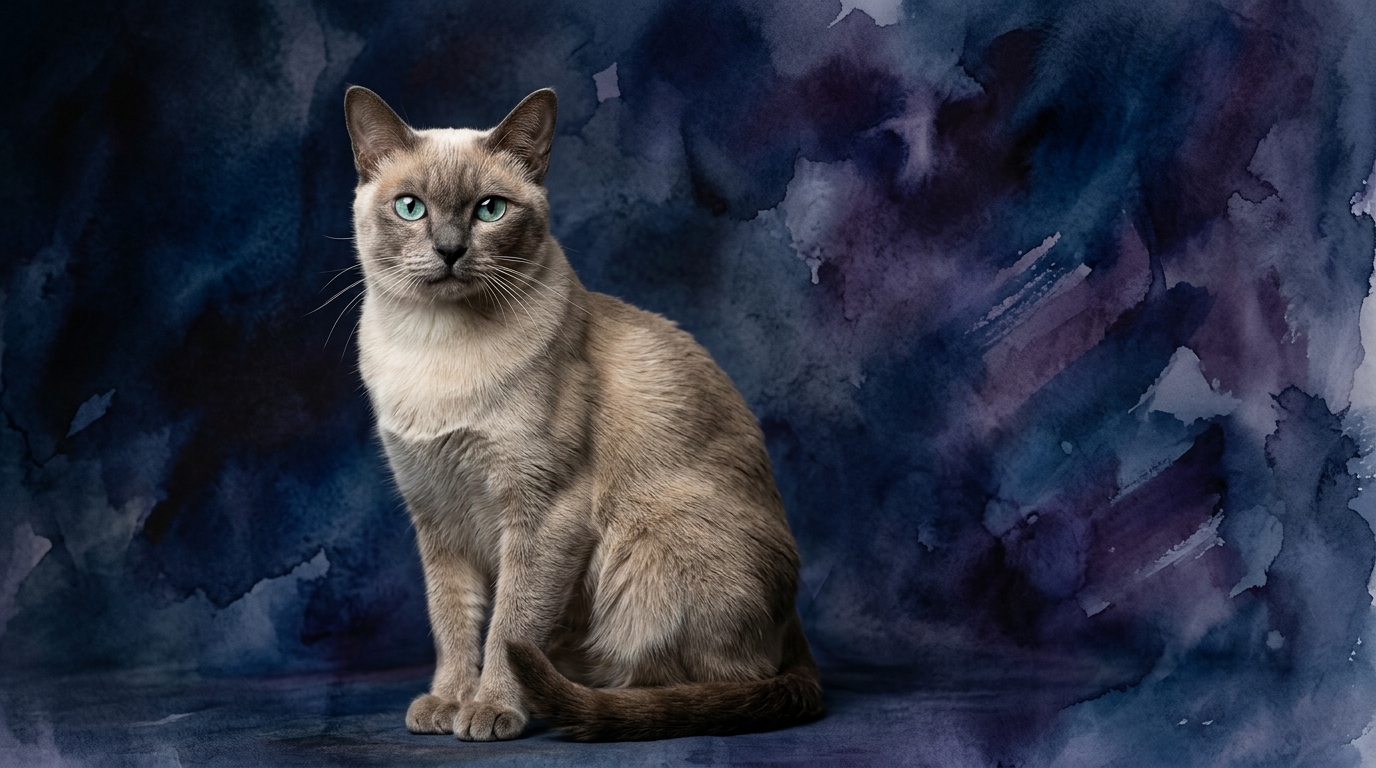
The Tonkinese cat consistently demonstrates a robust cognitive architecture. Their Problem Solving is rated 5/5, suggesting a capacity for intricate puzzle-solving and navigating complex scenarios to achieve goals, like opening cabinets or figuring out new toys. Their Training Speed also stands at 5/5, indicating a quick grasp of new commands and routines, often requiring fewer repetitions. Social Intelligence, at 5/5, highlights their exceptional ability to read human cues and adapt their behavior within social structures, fostering deep bonds. An Instinctive Drive of 4/5 points to a healthy level of natural cat behaviors – hunting simulation, exploration – but balanced with their other traits. Finally, their Memory, scoring 5/5, ensures they retain learned behaviors, routes, and social interactions over extended periods.
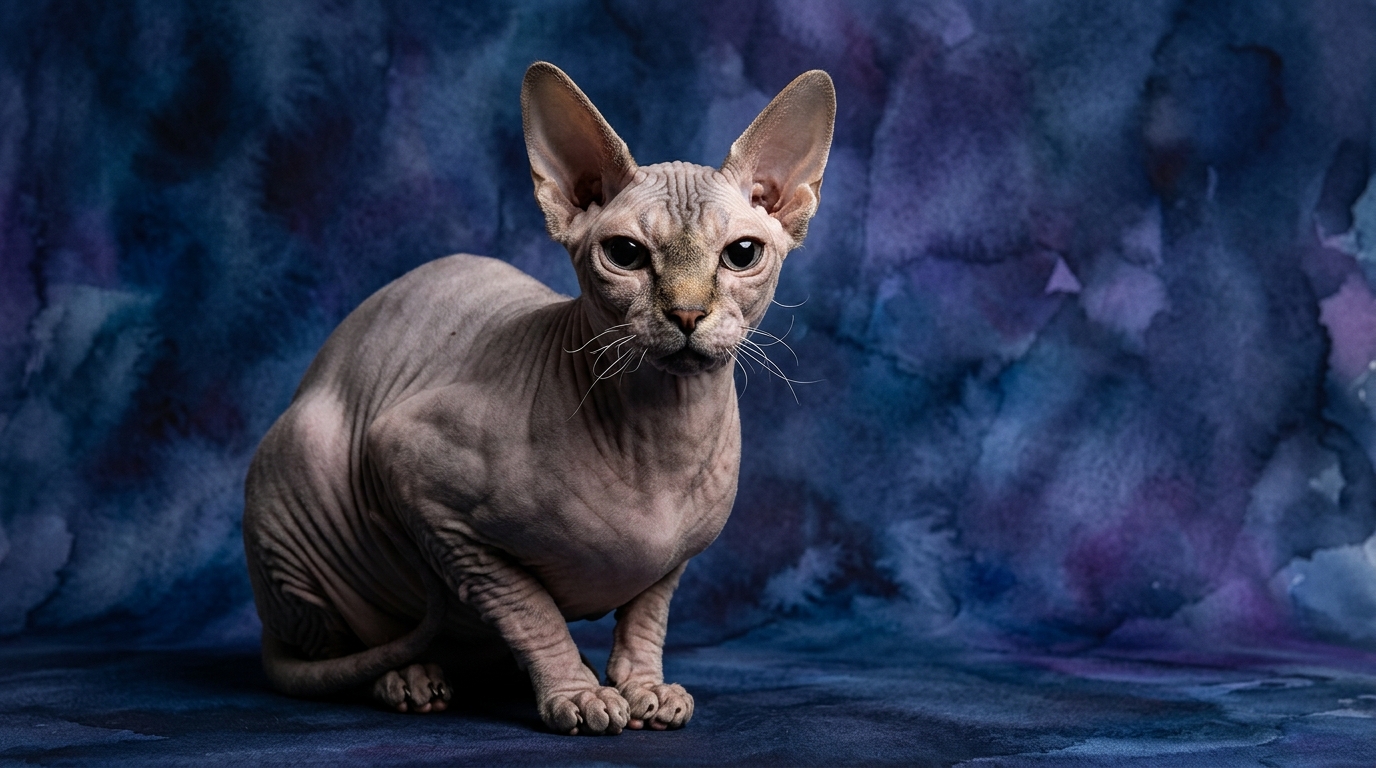
The Sphynx presents a compelling, albeit slightly different, cognitive blueprint. Their Problem Solving is rated 4/5, indicating a strong capacity for overcoming obstacles and learning, though perhaps not with the same rapid ingenuity as the Tonkinese. Training Speed at 4/5 means they are receptive learners, capable of mastering commands, but might require a bit more patience or consistent reinforcement. Their Social Intelligence matches the Tonkinese at 5/5, underscoring their profound connection to humans and their adeptness at understanding social dynamics. An Instinctive Drive of 3/5 suggests a slightly less pronounced inclination towards traditional predatory or exploratory behaviors, often preferring human interaction. Memory, at 4/5, allows them to recall significant events and learned patterns effectively, contributing to their adaptability within a home environment.
Where Tonkinese Excels in Cognitive Function
The Tonkinese cat's cognitive profile reveals a distinct edge in several key areas. Their superior Problem Solving (5/5 vs. Sphynx's 4/5) means they are more likely to independently devise solutions to novel challenges, such as manipulating latches, retrieving hidden items, or even learning multi-step sequences to get what they want. This manifests as a cat that actively engages with its environment, not just reacting to it, but proactively seeking to understand and control it. Furthermore, their perfect score in Memory (5/5 vs. Sphynx's 4/5) means that once a Tonkinese learns something, it's deeply ingrained. They recall training cues, preferred routines, and the locations of their favorite toys or human companions with remarkable accuracy, making their learning cumulative and efficient over time. This robust memory also contributes to their consistent application of learned behaviors across different contexts.
Sphynx's Unique Cognitive Strengths
While the Tonkinese might show a slight lead in raw problem-solving and memory recall, the Sphynx possesses a unique cognitive strength rooted in its profound Social Intelligence (5/5, matching the Tonkinese). This isn't just about being affectionate; it's about an exceptional capacity to interpret human emotional states, intentions, and communication nuances. A Sphynx might not be the first to figure out a complex puzzle box, but they are often unparalleled in their ability to 'read the room,' offering comfort when sensing distress or initiating play when they perceive an owner is receptive. Their slightly lower Instinctive Drive (3/5 vs. Tonkinese's 4/5) further channels their cognitive energy into human-centric interactions. This means their intellectual engagement is often directed more towards social bonding and reciprocal communication rather than purely environmental manipulation or independent exploration. Their cognitive processing is heavily weighted towards understanding and participating in the human social sphere.
Training Effectiveness: Tonkinese vs. Sphynx
When it comes to training, both breeds are highly receptive, but their approaches differ. The Tonkinese, with its 5/5 Training Speed and 5/5 Problem Solving, tends to grasp new commands and complex tricks with remarkable alacrity. Their keen memory ensures that once a behavior is learned, it's retained efficiently, reducing the need for constant repetition. For instance, a Tonkinese might learn to fetch a specific toy or navigate an agility course faster because they quickly understand the cause-and-effect of their actions and remember the sequence. Their strong instinctive drive also means they can be motivated by prey-like toys or activities.
The Sphynx, with a 4/5 Training Speed, is still a very capable learner but may benefit from more consistent, positive reinforcement to solidify new behaviors. Their training success often hinges on leveraging their 5/5 Social Intelligence; they respond exceptionally well to training that deepens their bond with their owner and involves praise and physical affection. For example, a Sphynx might learn to sit or stay not just for a treat, but because it earns them focused attention and positive interaction from their human. While they can learn tricks, their motivation might be more socially driven than the Tonkinese's intrinsic drive for mastery or reward. Their lower instinctive drive also means they might be less interested in highly predatory games, preferring interactive puzzle toys or training that involves close human participation.
Matching Breeds to Lifestyles: Active vs. Relaxed Owners
For the active owner who enjoys interactive play, teaching tricks, and engaging in stimulating activities, the Tonkinese presents an ideal match. Their high problem-solving capacity and strong instinctive drive mean they thrive on mental challenges, puzzle toys, and games that mimic hunting scenarios. They are often keen to learn to walk on a leash, play fetch, and even participate in agility, making them excellent companions for owners who want to actively involve their cat in their daily routines. Their energetic and curious nature means they require consistent mental and physical engagement to prevent boredom and channel their cognitive prowess constructively.
Conversely, the Sphynx, while still requiring attention, might be better suited for owners who prioritize close companionship and a more relaxed, but deeply affectionate, interactive lifestyle. Their exceptional social intelligence means they are content to be involved in whatever their human is doing, often preferring to cuddle, observe, or engage in gentle, interactive play from a comfortable lap. While they can certainly learn and play, their lower instinctive drive means they might not demand the same level of rigorous, structured play as a Tonkinese. They thrive in environments where their human provides consistent social engagement, warmth, and a comforting presence, making them perfect for owners who enjoy a constant, warm, and highly communicative feline shadow.
The Verdict
Opt for a Tonkinese if you seek a proactive, mentally agile companion eager for complex challenges, quick learning, and interactive games that tap into their robust problem-solving and memory capabilities. They thrive with owners who provide consistent mental stimulation and enjoy an actively engaged feline participant in their household.
Select a Sphynx if your priority is a profoundly social and affectionate feline shadow, one whose cognitive strengths lie in deep emotional connection and reciprocal communication, thriving on warm human companionship and a less demanding, yet equally engaging, interactive lifestyle.
🧠 Find Your Pet's IQ Score
Our Pet IQ Lab assessment covers 25+ tests across 5 cognitive dimensions — personalized to your breed.
Take the Full IQ Test →Frequently Asked Questions
Are Tonkinese cats difficult to keep entertained due to their problem-solving skills?
Tonkinese cats do require consistent mental stimulation to prevent boredom, but this isn't 'difficult' if you enjoy engaging with your pet. Providing puzzle toys, interactive play sessions, and opportunities for exploration helps channel their problem-solving abilities constructively.
Do Sphynx cats require less interaction because of their lower instinctive drive?
No, Sphynx cats require significant interaction, but their engagement is often more socially oriented than instinct-driven. They thrive on human companionship, cuddles, and reciprocal communication, making them less about independent exploration and more about being a warm, affectionate presence.
Can both Tonkinese and Sphynx cats learn tricks?
Absolutely, both breeds are capable of learning tricks and commands. The Tonkinese might pick them up faster due to their training speed and problem-solving, while the Sphynx excels with positive reinforcement and social motivation, making training a bonding experience.