
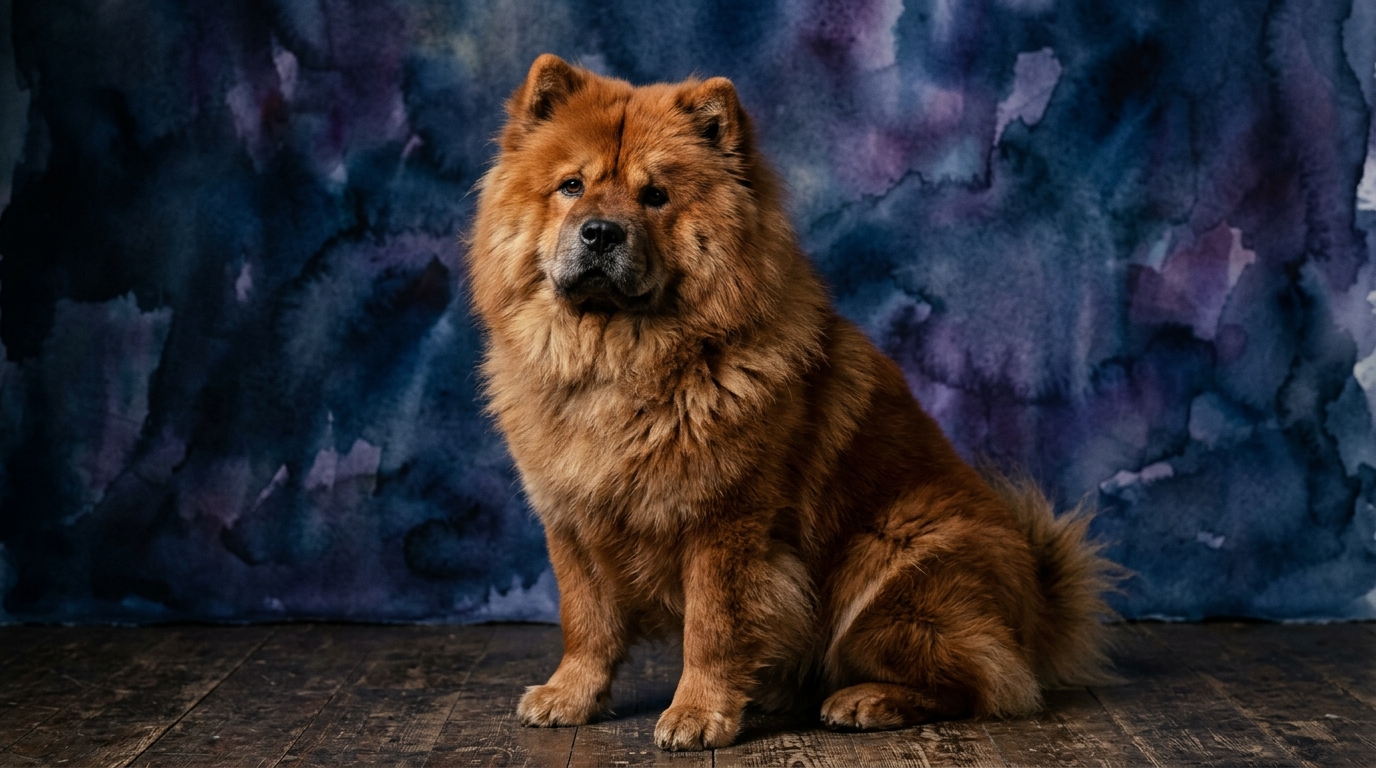
Side-by-Side Cognitive Profiles
Despite their vast physical differences, both the Toy Fox Terrier and the Chow Chow register identical scores across The Cosmic Pet Pet IQ Lab's five cognitive dimensions. However, interpreting these scores through the lens of each breed's unique history and temperament reveals fascinating distinctions in how these abilities are practically applied.
For the Toy Fox Terrier, Problem Solving (3/5) manifests as clever resourcefulness, often devising inventive methods to access desired items or navigate their environment. Their keen intellect allows them to quickly assess situations and adapt, whether it's figuring out a puzzle toy or outsmarting a gate. Training Speed (3/5) indicates they learn commands at a moderate pace, often thriving on engaging, positive reinforcement; their independent terrier spirit means they respond best when training feels like a fun challenge rather than a strict imposition. Social Intelligence (3/5) sees them highly attuned to their human family, excelling at reading moods and seeking interaction, acting as charming, responsive companions with a natural curiosity about their social world. Their Instinctive Drive (3/5) shows a moderate prey drive for small critters and an alert, vocal watchdog instinct, fueling their investigative nature. Memory (3/5) for Toy Fox Terriers means solid recall for routines, learned commands, and both positive and negative experiences, aiding consistent training and confident navigation of familiar environments.
The Chow Chow's Problem Solving (3/5) is applied with a deliberate, often self-serving approach, assessing situations for personal comfort or perceived security, finding efficient ways to meet their own needs without constant human direction. Their Training Speed (3/5) is achievable, but tempered by formidable independence and strong will, requiring consistent, patient methods as they process information at their own considered pace. Social Intelligence (3/5) for Chow Chows, while reserved and often aloof, means keen observation of their family and surroundings, masters of quiet assessment, reading situations for potential threats or changes rather than overtly seeking interaction. Their Instinctive Drive (3/5) is primarily focused on guarding and territoriality, a legacy of their ancient role, translating into a watchful, protective nature and strong sense of personal space. Memory (3/5) for Chow Chows is robust for people, places, and routines, contributing to their predictable nature and ability to recall past interactions, aiding in establishing boundaries and expectations.
Where the Toy Fox Terrier Wins Cognitively
The Toy Fox Terrier's cognitive strengths shine particularly in dynamic, interactive scenarios where agility of thought and eagerness to engage are paramount. Their 3/5 social intelligence often translates into a more overt and enthusiastic responsiveness to human cues, making them seem more 'plugged in' during training or play compared to the Chow Chow's reserved nature. This breed actively uses its intelligence to participate, quickly picking up on subtle body language and vocal tones, which makes them highly adaptable to varied social situations. Their 3/5 problem-solving manifests as a readiness to experiment and adapt on the fly, making them adept at puzzle toys that require quick manipulation or navigating complex obstacles with a spirited, 'can-do' attitude. This breed's moderate training speed feels faster in practice because their desire to please and participate often overrides their independent streak, leading to more fluid and enjoyable learning sessions. Their cognitive profile makes them particularly good at tasks that benefit from quick, iterative learning and enthusiastic collaboration.
Where the Chow Chow Wins Cognitively
The Chow Chow's cognitive advantages emerge in situations demanding independent judgment, deliberate assessment, and unwavering resolve. Their 3/5 problem-solving ability is less about quick tricks and more about strategic decision-making, such as determining the most effective way to survey their territory or asserting their comfort preferences with quiet determination. This breed's 3/5 social intelligence, though subtle, allows for a profound, quiet understanding of their family's dynamics and environmental changes, often acting as a watchful, independent guardian without needing constant interaction. They excel at processing information at their own pace, leading to well-considered, rather than impulsive, responses, a hallmark of their dignified demeanor. Their robust 3/5 memory supports their consistent routines and reinforces their boundaries, making them exceptionally reliable in established patterns and expectations. The Chow Chow's intelligence thrives in roles where self-sufficiency and a calm, observational approach are valued over boisterous engagement, demonstrating a quiet competence.
Which Is Easier to Train and Why
When comparing ease of training, the Toy Fox Terrier generally presents a more straightforward experience due to inherent behavioral differences stemming from their breed purpose and temperament. Their 3/5 social intelligence often translates into a higher eagerness to interact and please their human companions, making them more receptive to positive reinforcement and engaging training methods. While they possess a terrier's independence, it's typically expressed as playful curiosity rather than outright defiance, allowing for more flexible and fun training sessions. The Toy Fox Terrier's 3/5 training speed is often perceived as quicker because their motivation to participate and their desire for attention facilitate faster compliance and retention of commands. They thrive on clear communication and consistent, upbeat guidance, making them a rewarding project for an owner who enjoys interactive learning.
In contrast, the Chow Chow, with its Coren rank of #76, signifies a breed that is notably more challenging to train. Their 3/5 training speed is heavily influenced by their profound independence and self-willed nature, which means they are not inherently driven to please in the same way. A Chow Chow needs to understand the *value* of a command from their own perspective, rather than simply complying for the sake of it. Their 3/5 social intelligence manifests as a reserved, observant demeanor, making them less outwardly responsive to direct commands and more inclined to weigh options. Effective training for a Chow Chow demands immense patience, unwavering consistency, and a deep understanding of their unique blend of loyalty and self-reliance. Owners must establish clear leadership built on mutual respect, using calm authority rather than force, to encourage cooperation from this dignified breed.
Which Suits Active Owners vs. Relaxed Owners
For active owners seeking a dynamic companion, the Toy Fox Terrier is often the more suitable choice. Despite their small stature, they possess a surprising amount of energy and enthusiasm for walks, playtime, and interactive games, aligning with their 3/5 instinctive drive for exploration and engagement. Their 3/5 social intelligence means they genuinely enjoy participating in family activities and thrive on consistent interaction, making them excellent partners for hiking, dog sports, or simply spirited backyard play. They are adaptable to various active lifestyles and relish opportunities to burn off their moderate energy in mentally stimulating ways, always ready for the next adventure.
Conversely, the Chow Chow generally aligns better with relaxed owners who appreciate a more self-contained and tranquil companion. While they require regular, moderate exercise—such as a daily leashed walk to maintain health—they are not typically high-energy dogs built for intense or prolonged activity. Their 3/5 instinctive drive is primarily focused on guarding and observation, leading to a calm, watchful presence rather than a constant demand for engagement. Owners who value a dignified, independent dog content with a steady routine and less demanding social interaction will find the Chow Chow a fitting companion. This breed thrives in a calm household where their need for personal space and quiet companionship is respected, offering a serene presence.
The Verdict
Choose the Toy Fox Terrier if you seek an engaging, spirited companion eager for interactive play and quick-witted problem-solving, who thrives on active participation and a close, responsive bond.
Choose the Chow Chow if you value an independent, dignified companion capable of deliberate thought and self-sufficient decision-making, and prefer a reserved bond built on mutual respect rather than constant overt interaction.
🧠 Find Your Pet's IQ Score
Our Pet IQ Lab assessment covers 25+ tests across 5 cognitive dimensions — personalized to your breed.
Take the Full IQ Test →Frequently Asked Questions
Do Toy Fox Terriers bark a lot?
Yes, Toy Fox Terriers are known for their alert nature and keen senses, often using barking as a primary method of communication to alert their owners to new sights, sounds, or perceived intruders. Consistent training can help manage this tendency.
Are Chow Chows good with children?
Chow Chows can coexist with older, respectful children who understand their need for personal space and quiet interaction, but their reserved and independent nature means they are generally not tolerant of boisterous play or constant attention from very young children. Early socialization and supervision are crucial.
How much exercise do these breeds need?
Toy Fox Terriers require moderate daily exercise, including brisk walks and engaging playtime to satisfy their energetic spirit. Chow Chows also need moderate daily exercise, such as a steady leashed walk, but are not suited for strenuous activities due to their build and dense coat.