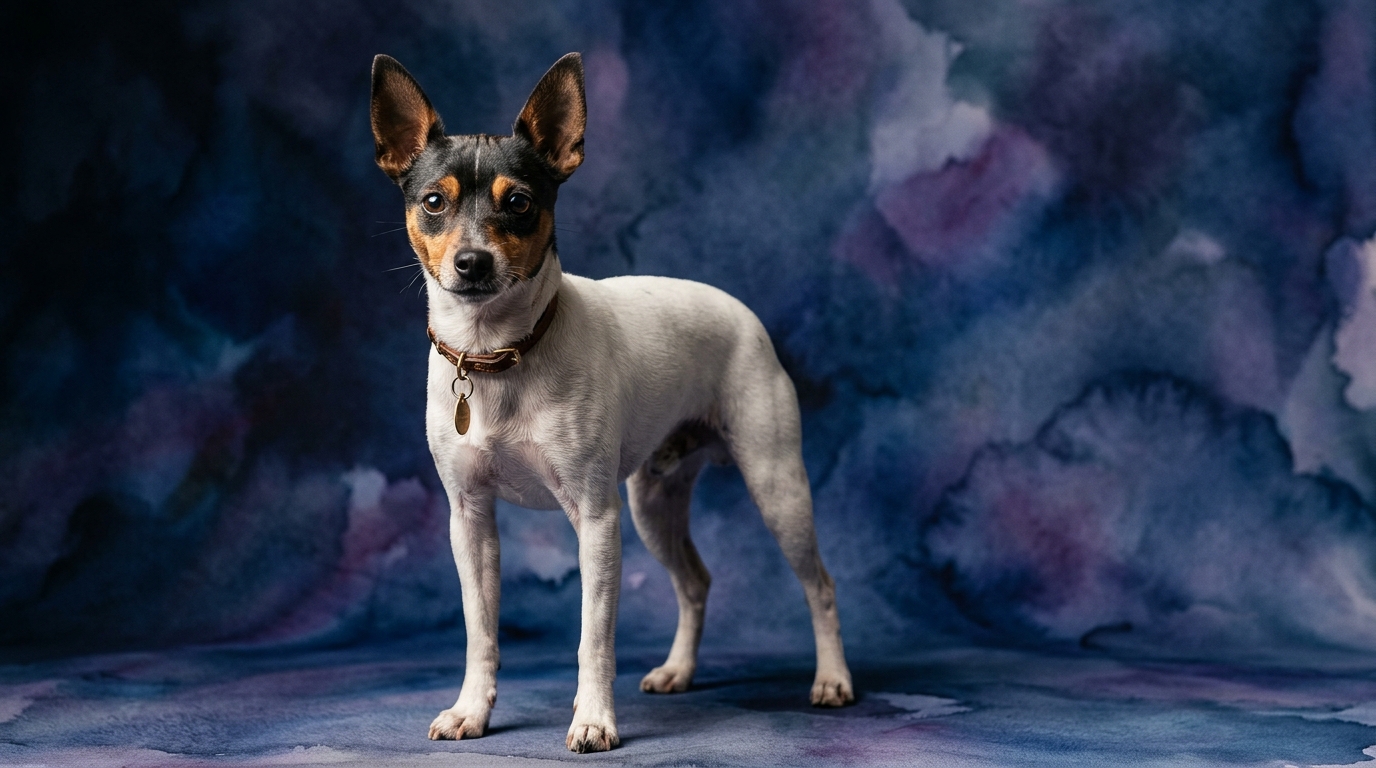
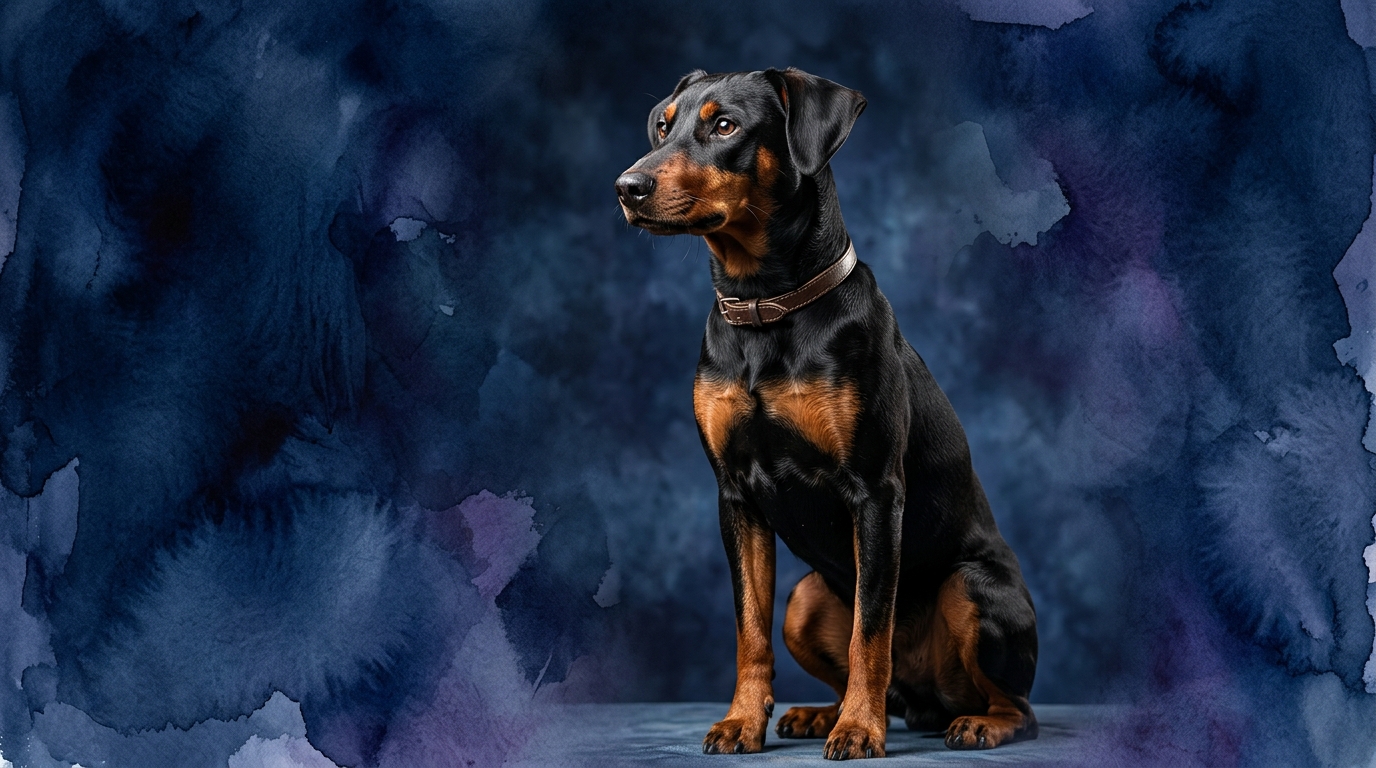
Side-by-Side IQ Profile: Toy Fox Terrier vs. German Pinscher
Both the Toy Fox Terrier and German Pinscher register a 3 out of 5 in problem-solving, indicating capable but not prodigal intellectual agility. The Toy Fox Terrier typically applies this skill to navigating its immediate environment with quick, often agile solutions, reflecting its heritage as a nimble vermin hunter. They excel at figuring out how to reach a hidden treat or manipulating simple puzzle toys, demonstrating opportunistic cleverness within their smaller world. In contrast, the German Pinscher's 3/5 problem-solving manifests in a more deliberate and robust manner, characteristic of a working breed. They might methodically assess a situation, such as how to open a gate or alert to a perceived threat, often employing persistence and physical engagement rather than pure speed. Their solutions are practical and grounded in their role as guardians and farmhands.
With a training speed also rated 3 out of 5 for both breeds, neither dog is an instant obedience scholar, but both are highly trainable with consistent effort. The Toy Fox Terrier learns at a steady pace, receptive to positive reinforcement and capable of picking up a wide array of commands and tricks. However, their independent terrier streak means that engaging methods are crucial; rote repetition without motivation might see their attention wander. The German Pinscher, also at 3 out of 5 for training speed, is a capable learner but requires a handler who understands their working dog mentality. They aren't prone to immediate, eager compliance, preferring to understand the 'why' behind a command. Once they grasp a concept and respect their trainer, they learn thoroughly and reliably.
Rated 3 out of 5 in social intelligence, both breeds are adept at reading the moods and intentions of their human family members, though their expressions differ. The Toy Fox Terrier often becomes highly attuned to their chosen people's emotions, using subtle cues to communicate their needs and desires. They adapt to various social dynamics within their household, though they might be reserved or cautious with strangers initially, preferring to observe before engaging. The German Pinscher also scores 3 out of 5, but their social intelligence is often channeled into understanding their role within the 'pack' and responding appropriately to perceived threats or changes in their environment. They are observant dogs, keenly aware of their surroundings and the nuances of human interaction, quickly assessing new people and situations with a discerning watchfulness.
The instinctive drive for both breeds is a 3 out of 5, indicating a moderate but present set of innate behaviors. The Toy Fox Terrier's drive is primarily rooted in its terrier heritage, manifesting as a strong prey drive for small critters, an inclination to dig, and a persistent curiosity. While present, this drive is typically manageable with appropriate outlets and training, fueling their energetic play and providing a basis for engaging them in activities like scent work. The German Pinscher's 3/5 instinctive drive is characteristic of a working and guarding breed. This translates into a natural inclination to protect their home and family, a strong prey drive for vermin, and a desire to patrol or 'work.' This robust inner motivation needs appropriate channeling through structured exercise and mental tasks to prevent boredom or destructive behaviors.
Finally, with a memory rating of 3 out of 5, both the Toy Fox Terrier and German Pinscher reliably retain learned commands, routines, and experiences. The Toy Fox Terrier will remember its training, familiar faces, and the layout of its home environment, making it dependable in consistent settings. While not photographic, its memory is sufficient for building a strong foundation of learned behaviors and for recalling past interactions. The German Pinscher's memory, also 3 out of 5, is quite solid, allowing it to remember complex sequences of commands, the boundaries of its territory, and the habits of its human companions. They retain training well, particularly when it's reinforced through consistency and positive experiences, supporting their role as a watchful guardian and a reliable partner.
Where the Toy Fox Terrier Wins Cognitively
The Toy Fox Terrier's cognitive strengths often lie in its agility and quickness, not just physically but mentally. They excel at rapid assessment of small-scale puzzles or navigating intricate indoor environments, a direct reflection of their history as nimble vermin hunters. Their ability to react swiftly to changes in their immediate surroundings, coupled with a charming adaptability once comfortable, gives them an edge in scenarios requiring immediate, albeit smaller-scale, mental adjustments. This mental nimbleness often translates into a more immediate emotional responsiveness within their inner circle, quickly picking up on subtle family cues.
Where the German Pinscher Wins Cognitively
The German Pinscher's cognitive advantages become apparent in situations demanding sustained focus and strategic discernment. Their working breed background means they often demonstrate superior endurance for repetitive mental tasks or long-term vigilance, such as guarding a property or maintaining a patrol. They exhibit a more deliberate, methodical approach to problem-solving, particularly when it involves security or territory management, weighing options rather than reacting impulsively. This breed also shows a heightened discernment in social interactions, carefully assessing new people and situations, which is a valuable form of social intelligence in a protective role.
Which is Easier to Train and Why
While both breeds hold a 3/5 rating in Training Speed, their approach to learning presents distinct challenges and rewards. The Toy Fox Terrier can often grasp simple commands quickly due to their eagerness to please and light frame, making initial training sessions feel responsive. However, their independent terrier spirit means that consistency, positive reinforcement, and engaging, game-based methods are paramount to prevent their attention from wandering or selective hearing from setting in. Their smaller size can also make management easier during the early stages of training.
The German Pinscher, on the other hand, requires a handler who is consistently confident, firm, and clear in their expectations. They are less inclined to simply obey; instead, they need to understand the purpose or benefit of a command, thriving on structure and clear leadership. Their working dog mindset means they excel in well-executed training programs that provide a 'job' and consistent boundaries. While they might take a bit longer to initially accept a new command compared to a highly biddable breed, once learned, their retention is usually solid and reliable, provided the training is thorough and respectful of their discerning nature.
Which Suits Active Owners vs. Relaxed Owners
For owners with an active lifestyle, the German Pinscher is often the more suitable choice. This breed thrives with significant physical exercise and consistent mental stimulation, benefiting greatly from activities like advanced obedience, agility, or engaging in 'jobs' that channel their protective and working drives. They require owners who can provide structure, challenge their minds, and commit to daily vigorous activity, making them ideal partners for hiking, running, or dog sports.
Conversely, the Toy Fox Terrier can be a better fit for relatively less active, or 'relaxed,' owners, though this doesn't mean no effort is required. While lively for their size, their exercise needs are generally met with indoor play, short brisk walks, and mental games. They are often content to cuddle and be a close companion but still require consistent mental engagement to prevent boredom. Owners should be prepared for a spirited companion who enjoys interaction and play, even if their overall physical demands are lower than a working breed.
The Verdict
Choose the Toy Fox Terrier for a spirited, agile companion who thrives on close family interaction and quick, engaging mental challenges within a more contained environment.
Opt for the German Pinscher if you seek a robust, confident, and discerning partner who excels with structured activity, strong leadership, and a clear purpose in an active household.
🧠 Find Your Pet's IQ Score
Our Pet IQ Lab assessment covers 25+ tests across 5 cognitive dimensions — personalized to your breed.
Take the Full IQ Test →Frequently Asked Questions
Are Toy Fox Terriers good at learning tricks?
Yes, Toy Fox Terriers are generally good at learning tricks, rated 3/5 for training speed. Their eagerness to please, coupled with their agile minds, makes them responsive to positive reinforcement and fun, game-based training methods.
Do German Pinschers require a lot of mental stimulation?
German Pinschers do require significant mental stimulation, reflecting their working breed heritage and a 3/5 in instinctive drive and problem-solving. Without engaging tasks and consistent training, they can become bored or destructive.
Which breed is better for first-time dog owners?
Neither breed is typically recommended for entirely novice owners, but the Toy Fox Terrier might be slightly more manageable due to its smaller size and slightly less demanding exercise needs. The German Pinscher's strong working drives and need for confident leadership generally make it a better fit for experienced dog owners.