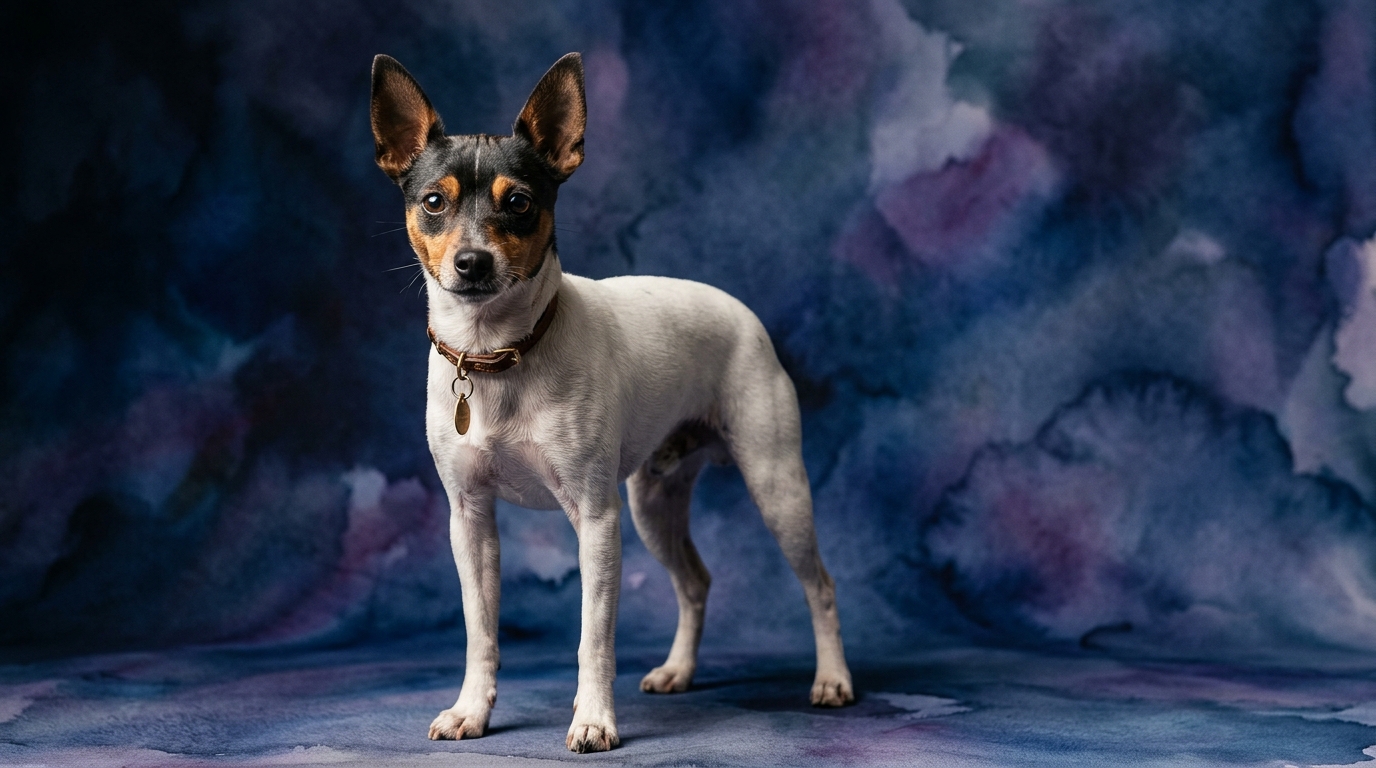

Side-by-Side IQ Profile: Unpacking Identical Scores
At first glance, the cognitive profiles of the Toy Fox Terrier and the Lhasa Apso appear remarkably similar, with both breeds scoring 3/5 across all five dimensions of intelligence in The Cosmic Pet Pet IQ Lab. This rating signifies a competent, capable intellect, but the true distinction lies in how these abilities are applied, informed by their unique breed histories and inherent dispositions.
For the **Toy Fox Terrier**, a breed not Coren-ranked but rooted in vermin control and entertainment, their 3/5 in **Problem Solving** often manifests as quick, practical solutions to immediate, tangible challenges, like navigating complex obstacles to retrieve a toy. Their **Training Speed** (3/5) is driven by an eagerness to engage, learning new commands efficiently when sessions are fun and rewarding, though their independent spirit can lead to selective hearing. **Social Intelligence** (3/5) for a TFT means a deep connection with their primary family, often anticipating needs, but a more reserved, evaluative approach to strangers. Their **Instinctive Drive** (3/5) is clearly geared towards chasing and digging, a natural inclination that requires productive outlets. Finally, their **Memory** (3/5) is effective for recalling routines, people, and the precise location of objects or preferred pathways, aiding their agile movements.
The **Lhasa Apso**, a Non-Sporting breed with a Coren rank of #68, developed as a sentinel in Tibetan monasteries. Their 3/5 in **Problem Solving** is typically more observational and strategic; they might methodically assess their environment, figuring out how to gain a better vantage point rather than reacting impulsively. **Training Speed** (3/5) for a Lhasa requires consistent, patient repetition, as their independent and discerning nature means they learn best when they perceive a command as logical or beneficial, rather than simply obeying. Their **Social Intelligence** (3/5) is characterized by forming deep, discerning bonds with their chosen family, reading subtle cues with accuracy, but maintaining a natural aloofness with outsiders, a trait stemming from their guardian heritage. The Lhasa's **Instinctive Drive** (3/5) is powerfully expressed through territorial awareness and alertness, making them excellent watchdogs. Their **Memory** (3/5) is robust for recalling their territory, routines, and past interactions, which significantly influences their trust and behavior towards others.
Where the Toy Fox Terrier Wins Cognitively
While both breeds share similar numerical scores across cognitive dimensions, the Toy Fox Terrier often demonstrates a more immediate and agile application of its intellect. Its historical role as a vermin hunter and circus performer cultivated a quick-wittedness, particularly in dynamic environments. A TFT's problem-solving, rated 3/5, often manifests as rapid strategic thinking to outmaneuver a 'prey' (be it a toy or a perceived rodent), showcasing a reactive intelligence that quickly assesses and acts. Their memory, also 3/5, is often applied to spatial recall, remembering the precise location of a hidden treat or the quickest route through a cluttered room, aiding in their nimble movements and playful antics. This breed's instinctive drive, again 3/5, is geared towards pursuit and engagement, making them adept at interactive games that demand quick decisions and physical dexterity, a cognitive advantage in scenarios requiring immediate, physical engagement.
Where the Lhasa Apso Wins Cognitively
Conversely, the Lhasa Apso's cognitive strengths, though numerically similar, lean towards a more thoughtful and discerning application. Their 3/5 problem-solving often involves a deliberate assessment of their environment, like figuring out how to gain a better vantage point to observe their surroundings, reflecting a strategic rather than reactive approach. Their social intelligence, also 3/5, is acutely tuned to discerning friend from foe, a critical trait for a sentinel. They excel at reading subtle changes in human demeanor within their trusted circle, remembering past interactions with precision, which shapes their future trust and behavior. The Lhasa's instinctive drive, rated 3/5, is powerfully expressed through their territorial awareness and keen auditory memory, allowing them to recall specific sounds and their implications, making them exceptional alert systems. This cognitive advantage lies in their ability to process and interpret sensory information with a focus on security and discernment, rather than immediate physical action.
Training Dynamics: Engagement vs. Consistency
When it comes to ease of training, both the Toy Fox Terrier and the Lhasa Apso are rated 3/5 for training speed, implying they learn new commands with moderate repetition. However, their temperamental differences significantly influence the training experience. The Toy Fox Terrier, with its spirited and eager-to-please nature when engaged, often responds well to positive reinforcement methods that incorporate play and agility challenges. They thrive on interactive training sessions that keep them mentally stimulated, though their independent streak means they can become distracted if not sufficiently motivated. Their quick reflexes and desire for engagement can make them appear faster learners in certain contexts. The Lhasa Apso, while equally capable of learning, presents a different challenge. Their independent, sometimes strong-willed temperament means they often require more patience and consistent, clear communication. They don't simply obey; they consider. Training a Lhasa is most effective when built on trust and mutual respect, where the dog understands the 'why' behind a command. Their Coren rank of #68 reflects this, indicating they typically need more repetitions to achieve reliable obedience compared to breeds with higher working intelligence. Therefore, while both are trainable, the TFT might be perceived as 'easier' due to its enthusiasm for interaction, whereas the Lhasa demands a more thoughtful, consistent approach from its owner.
Matching Canine Intellect with Owner Lifestyles
Considering their cognitive profiles and inherent drives, the Toy Fox Terrier is generally better suited for active owners. Their 3/5 instinctive drive for chasing and their quick problem-solving in dynamic situations mean they thrive with owners who can provide ample opportunities for physical exercise and engaging mental challenges, such as fetch, agility courses, or interactive puzzle toys. They enjoy being a part of family activities, and their social intelligence, while discerning, allows them to adapt to varied social settings once they've assessed them. Conversely, the Lhasa Apso, with its sentinel heritage, often aligns better with more relaxed owners who appreciate a watchful, discerning companion. While they benefit from regular walks and mental stimulation, their primary 'activity' often revolves around observing their environment and exercising their keen social intelligence and memory to differentiate between familiar and novel stimuli. Their 3/5 instinctive drive for guarding means they are content to patrol their home, making them excellent companions for those who enjoy a more settled lifestyle but still want an alert and devoted presence.
The Verdict
Choose the Toy Fox Terrier if you seek a quick-witted, agile companion eager for interactive play and dynamic mental challenges, thriving in an active household that can channel its keen hunting instincts.
Opt for the Lhasa Apso if you prefer a discerning, watchful companion whose intelligence is applied to thoughtful observation and unwavering loyalty, fitting well with owners who appreciate a more settled, yet alert, presence.
🧠 Find Your Pet's IQ Score
Our Pet IQ Lab assessment covers 25+ tests across 5 cognitive dimensions — personalized to your breed.
Take the Full IQ Test →Frequently Asked Questions
Are Toy Fox Terriers and Lhasa Apsos difficult to train?
Both breeds have a training speed rating of 3/5, meaning they are moderately trainable. Toy Fox Terriers respond well to fun, engaging methods, while Lhasa Apsos require patience and consistency due to their independent nature. Success hinges on understanding their specific motivators and learning styles.
Which breed is better for apartment living?
Both breeds can adapt to apartment living with appropriate exercise and mental stimulation. The Toy Fox Terrier needs regular active play to satisfy its energetic drive, while the Lhasa Apso is content with moderate walks and a role as a watchful home guardian. Space is less critical than meeting their specific cognitive and physical needs.
How do their social intelligence scores of 3/5 differ in practice?
While both score 3/5, the Toy Fox Terrier's social intelligence often manifests as playful engagement with its trusted circle and cautious curiosity with strangers. The Lhasa Apso's 3/5 social intelligence is more discerning, forming deep bonds with family but exhibiting a natural aloofness towards outsiders, driven by its sentinel instincts.