
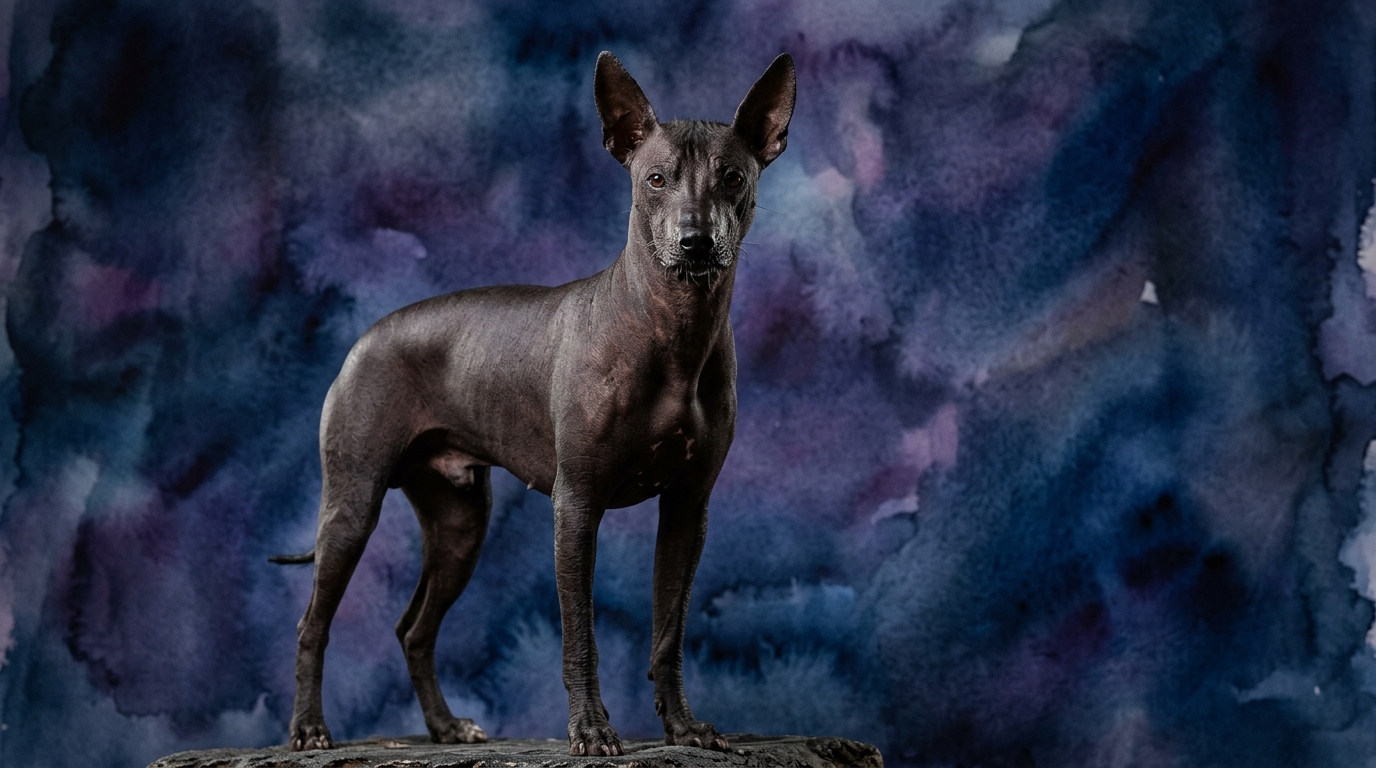
Side-by-Side IQ Profile: Unpacking Identical Scores
On paper, the Toy Fox Terrier and Xoloitzcuintli present an intriguing cognitive mirror image, each scoring 3 out of 5 across all five intelligence dimensions. However, these scores are a baseline, and the true distinction lies in how each breed manifests these capacities within their inherent nature and breed-specific drives.
For **Problem Solving (3/5)**, the Toy Fox Terrier often applies this to navigating their environment with terrier-like tenacity, figuring out how to reach a high-value toy or outsmart a squeaky plaything. Their problem-solving leans towards quick, often physical, solutions in pursuit of an objective. The Xoloitzcuintli, conversely, might demonstrate this through understanding complex household routines or discerning effective ways to communicate their needs to their family, often with a calmer, more observational approach.
**Training Speed (3/5)** indicates a moderate learning pace for both. The Toy Fox Terrier typically approaches training with an eager, sometimes boisterous, enthusiasm. They learn effectively with engaging, positive reinforcement methods, though their independent streak means consistency is paramount. The Xoloitzcuintli, while also learning at a moderate rate, thrives on calm, trust-based training. Their sensitive nature means harsh corrections are counterproductive, and they respond best to patience and a strong bond with their trainer.
**Social Intelligence (3/5)** for the Toy Fox Terrier often translates into an acute awareness of human moods, quickly adapting their playful antics or comforting presence to elicit interaction. They are adept at charming their way into the center of attention. The Xoloitzcuintli's social acumen, while equally present, tends to be more reserved and profound. They form deep, almost intuitive bonds with their primary family, often sensing emotional shifts and offering quiet, steadfast companionship, though they can be quite aloof with strangers.
**Instinctive Drive (3/5)** in the Toy Fox Terrier is a classic terrier manifestation: a keen interest in small, moving objects, a propensity for digging, and an alert, often vocal, watchfulness over their territory. This drive fuels their playful and curious nature. The Xoloitzcuintli’s instinctive drive encompasses a protective loyalty towards their family and home, alongside a discernible prey drive that can emerge during walks or when encountering small critters. Their ancient lineage also imbues them with a certain self-preservation instinct.
Finally, **Memory (3/5)** ensures both breeds retain information reliably. Toy Fox Terriers remember routines and commands associated with fun and reward, recalling past training or exciting activities with enthusiasm. Xoloitzcuintli possess a solid memory for family members, established household routines, and the layout of their environment, which contributes significantly to their sense of security and belonging within their trusted circle.
Where the Toy Fox Terrier Wins Cognitively
The Toy Fox Terrier's cognitive strengths truly shine in scenarios demanding quick adaptation and spirited engagement. Their problem-solving, while rated 3/5, is often expressed with a terrier's characteristic ingenuity and speed when faced with physical challenges, like navigating an agility course or retrieving a toy from a tight space. Their small size and agility allow for nimble mental and physical responses that larger breeds might not exhibit in similar situations. This breed excels in quick-fire decision-making during play, often devising novel ways to interact with toys or initiate games.
Furthermore, their social intelligence, also 3/5, manifests as a particular talent for reading human cues for entertainment and interaction. They are masters of playful manipulation, quickly learning which behaviors elicit laughter or attention, and are often more overtly expressive in their attempts to engage their owners. This makes them particularly adept at learning tricks that involve showmanship or a 'performance' aspect, as they genuinely enjoy being the focal point and receiving positive feedback for their efforts. Their memory is sharp for these rewarding interactions, reinforcing their desire to repeat successful social strategies.
Where the Xoloitzcuintli Wins Cognitively
The Xoloitzcuintli's cognitive advantages lean towards a more profound, internal understanding and steadfast loyalty. Their social intelligence, while rated 3/5, translates into an exceptional capacity for deep emotional bonding and an almost empathic understanding of their family's dynamics. They are remarkably attuned to shifts in mood or tension within the household, often responding with quiet comfort or subtle protective vigilance. This makes them particularly adept at forming strong, enduring relationships built on mutual trust and understanding, rather than overt displays of affection.
Their problem-solving ability (3/5) is often demonstrated in their capacity to learn and adhere to complex household rules and routines, contributing to a calm and predictable home environment. They excel at understanding boundaries and expectations, making them reliable companions once these rules are clearly established. The Xoloitzcuintli's memory (3/5) is particularly strong for these routines and for the specific people within their trusted circle, reinforcing their sense of security and belonging. Their instinctive drive (3/5), focused on protection and awareness, allows them to discern genuine threats, displaying a thoughtful rather than impulsive guardian nature.
Which is Easier to Train and Why
Neither the Toy Fox Terrier nor the Xoloitzcuintli can be definitively labeled as 'easier' to train; instead, they require different approaches tailored to their distinct temperaments. The Toy Fox Terrier, with its enthusiastic and sometimes mischievous nature, benefits from training that is engaging, fast-paced, and incorporates elements of play. Their moderate training speed (3/5) means they learn consistently, but their independent terrier drive can lead to distractions if the training isn't stimulating enough or if small, interesting stimuli are present. They thrive on positive reinforcement and clever games that appeal to their problem-solving skills, but can become bored with repetitive drills. Owners need to be patient, consistent, and creative to hold their attention and channel their boundless energy.
The Xoloitzcuintli, also with a 3/5 training speed, responds best to calm, gentle, and consistent methods. Their sensitive and sometimes reserved nature means they can be easily discouraged by harsh corrections or a chaotic training environment. Building a strong foundation of trust is paramount, as they are more likely to comply when they feel secure and understood. While they may not learn at lightning speed, their deep social intelligence and memory for routines mean that once a behavior is learned through positive reinforcement, it tends to be reliably retained. Initial training might require more patience, especially with socialization, as they can be aloof with strangers, but once bonded, their desire to please their family is a powerful motivator.
Which Suits Active Owners vs. Relaxed Owners
The **Toy Fox Terrier** is an ideal match for active owners who enjoy interactive play and can provide consistent mental and physical stimulation. Their energetic nature and keen problem-solving skills mean they thrive in environments where they have opportunities for vigorous exercise, engaging games, and perhaps even dog sports like agility or flyball. A relaxed owner who cannot keep up with their terrier's zest for life might find themselves with a bored and potentially mischievous companion. They need owners who appreciate their spirited personality and are willing to channel their cognitive and physical energy into productive outlets. Their social intelligence means they love being involved in family activities and receiving ample attention.
The **Xoloitzcuintli** can suit both active and more relaxed owners, provided their fundamental needs for security and bonding are met. While they are known for their calm demeanor indoors, they still require regular, moderate exercise to stay healthy and content. An active owner can enjoy walks, hikes, or even some dog sports, benefiting from the Xolo's steadfast companionship. However, a more relaxed owner who values a deep, quiet bond and can provide a stable, predictable home environment will also find the Xolo a rewarding companion. Their social intelligence thrives on close family interaction, and they are not typically demanding of constant stimulation, preferring to be a quiet presence by their owner's side. The key for a Xolo owner, regardless of activity level, is consistency, patience, and a deep appreciation for their unique, sensitive nature.
The Verdict: When to Choose Each
The Verdict
Choose the Toy Fox Terrier if you are an active individual or family seeking a spirited, highly interactive companion who thrives on engaging play and quick-witted challenges, and you appreciate a dog with an overt, charming personality. They are best for owners who can dedicate time to channeling their abundant energy and terrier drive through consistent training and stimulating activities.
Opt for the Xoloitzcuintli if you value a calm, deeply bonded companion who offers quiet loyalty and profound emotional connection, and you are prepared to nurture their sensitive nature with patience, consistency, and a secure home environment. They are suited for owners who appreciate a reserved yet protective presence and can provide regular exercise alongside ample opportunities for close family interaction.
🧠 Find Your Pet's IQ Score
Our Pet IQ Lab assessment covers 25+ tests across 5 cognitive dimensions — personalized to your breed.
Take the Full IQ Test →Frequently Asked Questions
Do Toy Fox Terriers bark a lot?
Toy Fox Terriers are known for being alert and can be quite vocal, using their barks to signal new arrivals, perceived threats, or simply to express their excitement. Consistent training from a young age can help manage their tendencies, but their terrier nature means they will often be quick to 'speak up'.
Are Xoloitzcuintli good with children?
Xoloitzcuintli can be excellent family dogs and are often very patient and protective of children within their immediate family, forming deep bonds. However, due to their sensitive nature, they thrive best in homes where children are taught to interact gently and respectfully with them, ensuring a calm and predictable environment.
What kind of mental stimulation do these breeds need?
The Toy Fox Terrier benefits from puzzle toys, short training sessions, and interactive games that challenge their problem-solving and retrieve drives. The Xoloitzcuintli, while enjoying puzzles, also thrives on consistent routines, scent work, and gentle, trust-based training that strengthens their bond and provides a sense of purpose.