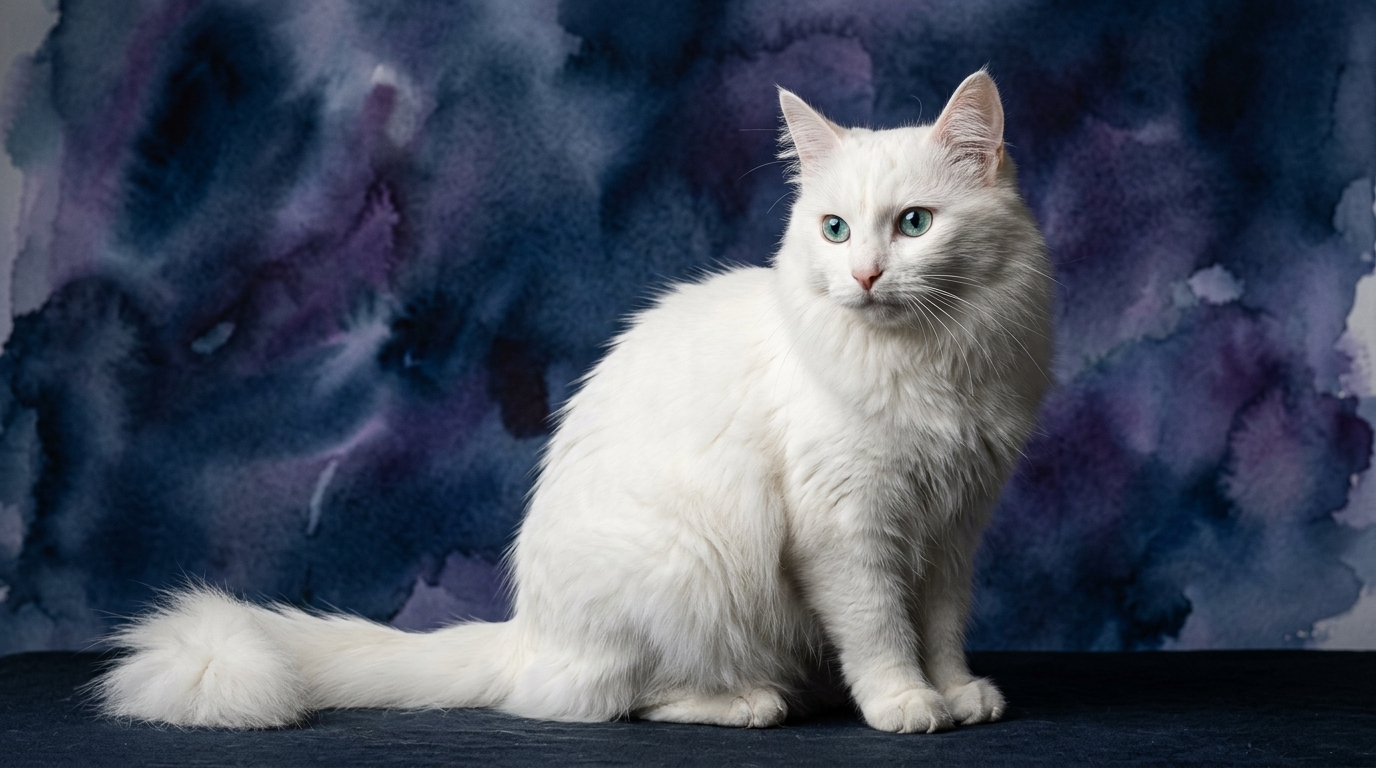
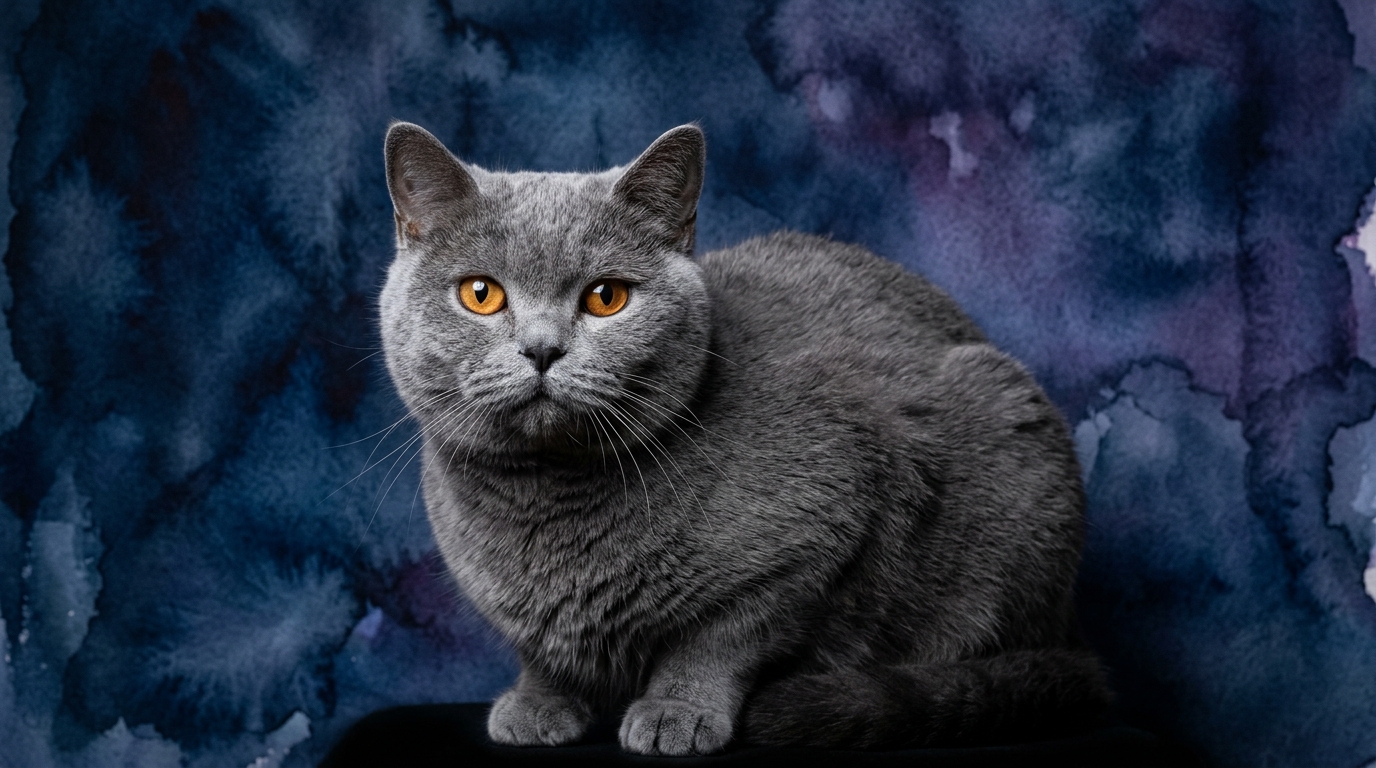
Side-by-Side IQ Profile
The Cosmic Pet Pet IQ Lab assesses feline intelligence across five crucial dimensions, offering a nuanced understanding of each breed’s cognitive strengths. Let’s examine how the Turkish Angora and British Shorthair measure up.
For the Turkish Angora (TA): Problem Solving (5/5) signifies exceptional aptitude for figuring out puzzles and navigating complex environments, often with speed and ingenuity. Training Speed (4/5) indicates they learn new commands and tricks at an impressive pace, with eagerness to engage contributing to rapid acquisition of new behaviors. Social Intelligence (4/5) reflects a sophisticated understanding of human emotions, often forming deep bonds and actively participating in family life, adept at communicating needs and responding to owner cues. Instinctive Drive (4/5) means their natural hunting and exploratory instincts are pronounced, fueling their curious, active nature. Memory (5/5) shows outstanding recall, capable of remembering intricate routines, specific locations, and retaining learned behaviors, with this sharp recall aiding learning and adaptation.
For the British Shorthair (BSH): Problem Solving (3/5) means they approach challenges with a steady, deliberate methodology, preferring straightforward solutions. Training Speed (3/5) suggests they learn at a moderate pace, requiring consistent repetition, but once mastered, it is well-retained, responding best to gentle, positive reinforcement. Social Intelligence (3/5) indicates they are affectionate and present companions, demonstrating moderate understanding of social interactions without being overly demanding, appreciating predictable social environments. Instinctive Drive (3/5) shows a balanced, less intense drive, making them less prone to restless energy, preferring comfort and routine. Memory (3/5) reflects reliable, consistent recall for routines, familiar faces, and preferred spots, ensuring a predictable, comforting daily life.
Where Turkish Angora Wins Cognitively
The Turkish Angora truly shines in areas demanding rapid cognitive processing and intricate recall. Their exceptional Problem Solving score of 5/5 means they are masters at navigating complex situations, whether it's figuring out how to open a cabinet door or devising a strategy to access a favorite toy tucked away. This showcases an agile mind that quickly analyzes variables and executes solutions. Owners report Angoras learning to manipulate household objects like doorknobs, demonstrating a sophisticated understanding of cause and effect.
Coupled with their perfect 5/5 Memory score, Angoras can effortlessly recall sequences of events, remember specific hiding places for treats, and retain learned behaviors over long periods. This superior memory reinforces their problem-solving abilities, allowing them to build upon past successes and adapt quickly to new challenges. An Angora might remember a specific tone of voice or consistently return to a spot where they once found a dropped morsel, showcasing impressive cognitive retention.
Where British Shorthair Wins Cognitively
While their scores are generally moderate, the British Shorthair's cognitive profile offers distinct advantages for owners seeking a specific type of companion. Their Instinctive Drive of 3/5 is a significant asset for households preferring a calmer, less overtly demanding feline presence. This moderated drive means they are typically less inclined towards intense hunting simulations or disruptive exploratory behaviors, offering a more tranquil domestic life. They enjoy play, but their needs are often met with shorter, focused sessions, rather than constant, high-energy engagement.
Furthermore, their Social Intelligence at 3/5 results in a companion that is affectionate and present but not overwhelmingly needy. British Shorthairs excel in providing a steady, comforting companionship without requiring constant interaction or complex social games, which can be a distinct benefit for owners with busy schedules or those who appreciate a more independent pet. This cognitive style translates into a predictable, stable emotional presence, fostering a serene home environment where their gentle nature flourishes.
Which is Easier to Train and Why
The Turkish Angora, with its Training Speed of 4/5, generally proves easier and quicker to train, especially for complex tasks. Their inherent curiosity, high social intelligence, and eagerness to engage make them receptive students who thrive on interactive learning experiences. They quickly grasp concepts like clicker training, enjoy learning tricks like 'fetch' or 'sit,' and can even be leash-trained with relative ease, viewing training as an engaging game rather than a chore. Their strong memory cements learned behaviors, requiring fewer repetitions.
In contrast, the British Shorthair's Training Speed of 3/5 suggests a more deliberate learning process. They are certainly trainable, but they require patience, consistency, and a calm approach. British Shorthairs respond best to routine-based training, where gentle positive reinforcement and clear expectations are key. While they might not pick up complex tricks as rapidly as an Angora, their steady nature means that once they understand a command, they tend to perform it reliably. Their training success often comes from consistent, low-pressure sessions respecting their composed temperament.
Which Suits Active Owners vs Relaxed Owners
For active owners who relish interactive engagement and enjoy providing consistent mental stimulation, the Turkish Angora is an ideal match. Their high Problem Solving, Social Intelligence, and Instinctive Drive mean they thrive on puzzle toys, interactive play sessions, and opportunities to explore and learn. An Angora needs an owner willing to dedicate time to their cognitive enrichment, preventing boredom and channeling their sharp minds into constructive activities. They are often described as 'dog-like' in their desire to participate in family activities, making them a vibrant addition to an energetic household.
Conversely, the British Shorthair is perfectly suited for relaxed owners who appreciate a calm, dignified companion. Their moderate scores across all cognitive dimensions mean they are content with a more predictable routine and less intense demands for interaction. A British Shorthair will enjoy quiet companionship, a comfortable lap, and gentle play, but they do not typically require constant mental challenges or high-energy physical outlets. They are the epitome of a placid, self-sufficient cat, providing a comforting, stable presence without overwhelming a quieter lifestyle.
The Verdict
If you seek an intellectually agile, highly interactive companion who will actively engage in problem-solving and thrive on consistent mental and physical stimulation, choose the Turkish Angora.
If your lifestyle calls for a calm, predictable, and moderately independent companion who offers steady affection without demanding constant high-energy interaction, choose the British Shorthair.
🧠 Find Your Pet's IQ Score
Our Pet IQ Lab assessment covers 25+ tests across 5 cognitive dimensions — personalized to your breed.
Take the Full IQ Test →Frequently Asked Questions
Does the Turkish Angora always need complex puzzle toys to be happy?
While Angoras benefit from mental enrichment, their happiness isn't solely dependent on complex toys. Regular interactive play, opportunities to explore, and consistent human engagement are equally vital for their cognitive well-being.
Are British Shorthairs difficult to train because of their moderate training speed?
Not at all; British Shorthairs are trainable, but they learn at a more deliberate pace. Success comes with patience, consistency, and positive reinforcement, focusing on routines and gentle cues.
How do their social intelligence scores impact their interactions with children?
A Turkish Angora's higher social intelligence means they might more readily engage in play and understand a child's cues, thriving in an active family. A British Shorthair's moderate social intelligence makes them gentle, tolerant, appreciating calm interactions and seeking affection on their own terms.