Side-by-side IQ profile
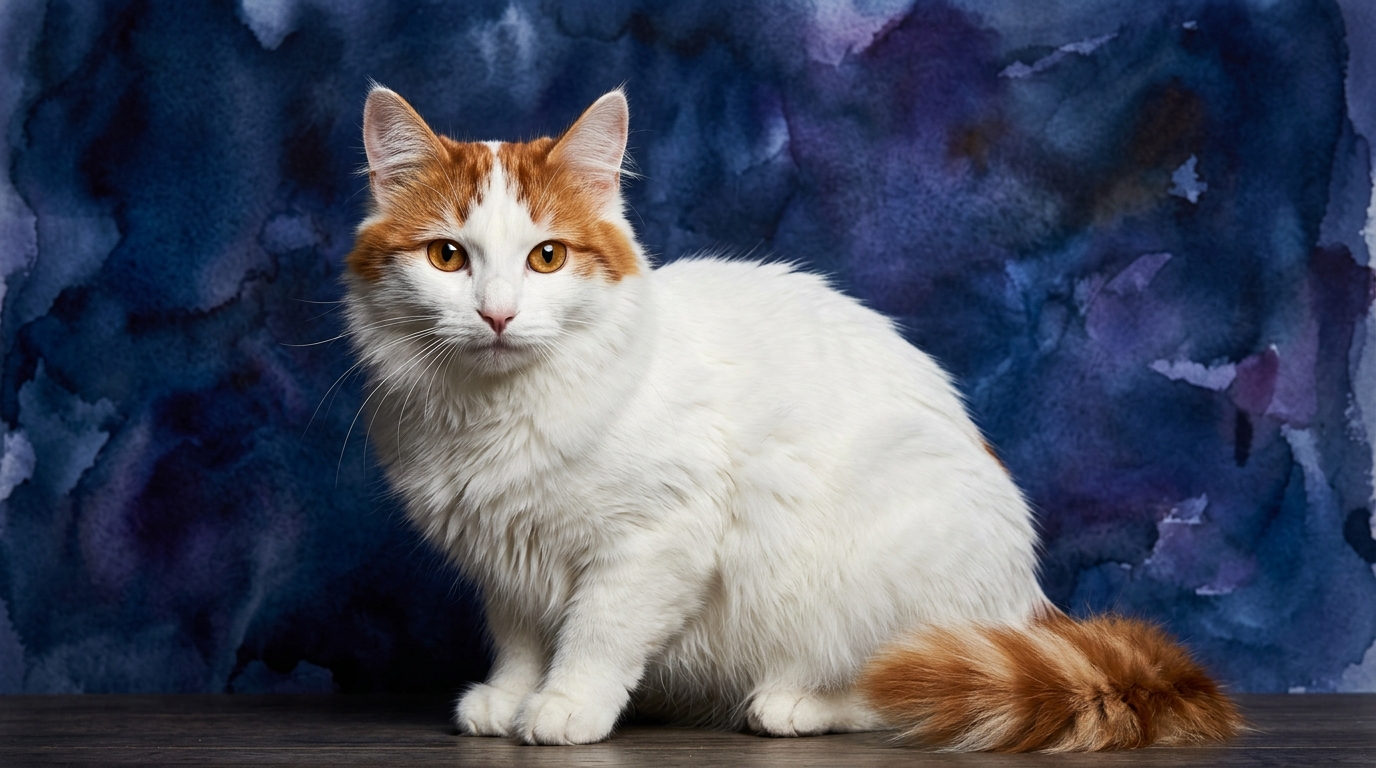
The Turkish Van, often called the "Swimming Cat," exhibits a nuanced intelligence despite its balanced scores. Its Problem Solving at 3/5 is frequently channeled into exploring its environment and manipulating objects, demonstrating a persistent curiosity to open cupboards, investigate novel spaces, or access running water. This isn't just about reaching a treat, but about engaging with the world actively. Training Speed, also 3/5, reflects their ability to learn commands and tricks, particularly when the activity aligns with their natural inclinations for play and interaction, though their independent spirit means they must be motivated, not merely commanded. Social Intelligence, at 3/5, manifests as deep, often singular bonds with specific family members, exhibiting a clear understanding of human moods and routines, yet they prefer interaction on their own terms and can be reserved with strangers. Their Instinctive Drive, a 3/5, is pronounced, encompassing strong hunting instincts for chasing and pouncing, alongside their famous, unique affinity for water, treating it as both a plaything and a challenge. Memory, scoring 3/5, allows them to recall routines, the locations of preferred toys, and the details of past interactions, influencing their future behavior and preferences.
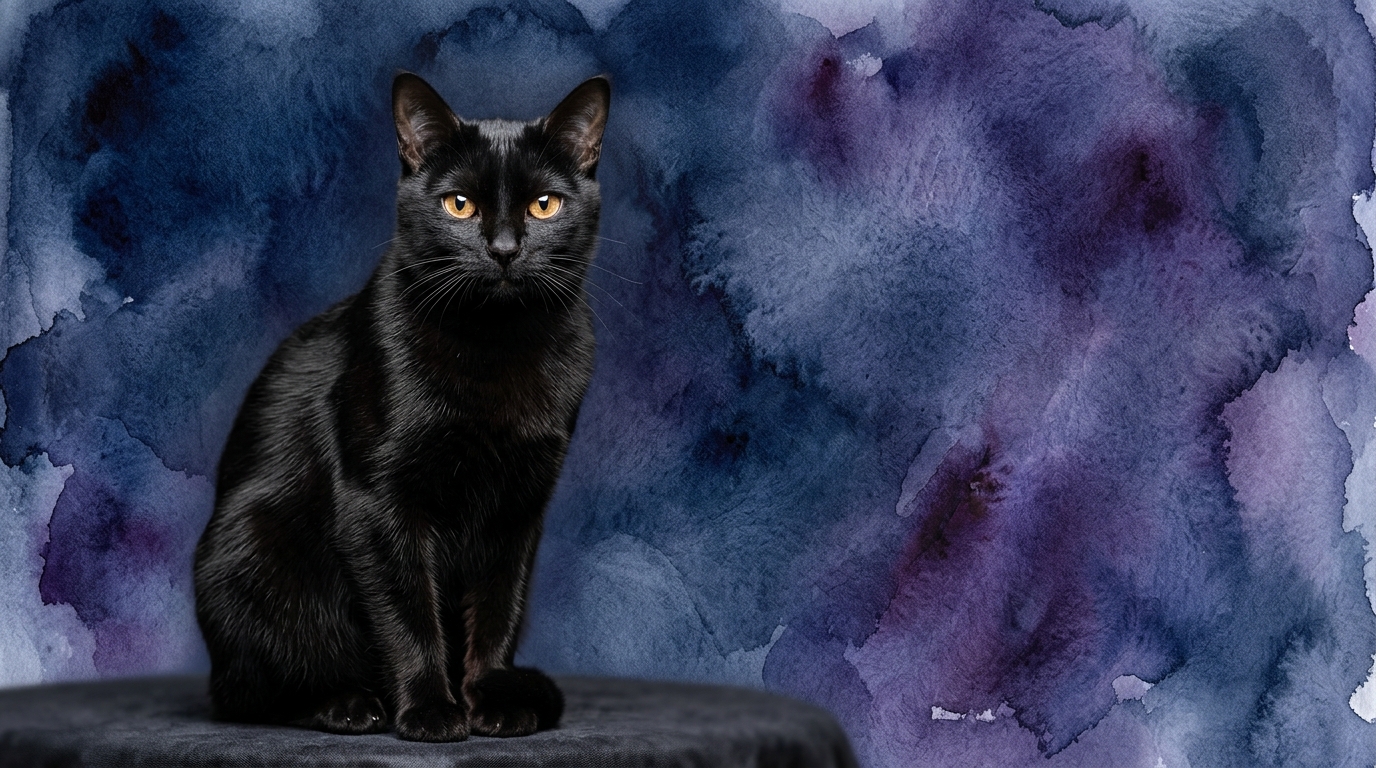
The Bombay, a sleek "mini-panther," also presents a consistent 3/5 across all cognitive dimensions, yet its expression is distinct. Its Problem Solving at 3/5 is often directed towards achieving social interaction or comfort, such as figuring out how to open doors to join their humans, or creatively signaling their desire for attention or food. This cognitive effort is highly people-centric. Training Speed, rated 3/5, benefits greatly from their eager-to-please nature and high food motivation, making them responsive to positive reinforcement for learning commands, leash training, or even complex tricks, as they enjoy the mental engagement with their owner. Social Intelligence, also 3/5, is a hallmark of the breed, characterized by an exceptional ability to read human emotional cues, seeking to be involved in household activities, and displaying a consistent, affectionate companionship that extends readily to children and other pets. Their Instinctive Drive, a 3/5, is present as a playful chase instinct, but it's typically expressed through interactive play with their human companions rather than solitary hunting, valuing the shared experience. Memory, scoring 3/5, enables them to meticulously recall household routines, the people who provide comfort and care, and preferred interaction patterns, reinforcing their social bonds and predictable behaviors.
Where Turkish Van wins cognitively
While both breeds score identically, the Turkish Van's cognitive strengths often shine in scenarios demanding independent exploration and environmental mastery. Its problem-solving capabilities, though a 3/5, are frequently applied to more complex physical challenges, such as deciphering how to open various types of latches or navigating intricate spaces to satisfy its intense curiosity. This breed's intrinsic drive for discovery means it often initiates cognitive tasks purely for the sake of understanding its surroundings. Furthermore, the Turkish Van's unique relationship with water highlights a specific cognitive adaptability; it not only tolerates but actively engages with water, learning to play in it, retrieve objects from it, and even swim, a behavior that requires distinct spatial reasoning and motor planning uncommon in most felines. This demonstrates a specialized form of problem-solving and instinctive application that sets it apart, focusing on active manipulation of its physical world.
Where Bombay wins cognitively
Conversely, the Bombay cat's cognitive advantages often emerge in the realm of social dynamics and human-centric problem-solving. Its social intelligence, while a 3/5, is particularly refined in its capacity to interpret and respond to subtle human emotional states, making it an exceptionally empathetic companion. A Bombay might "win" by intuitively knowing when its owner needs comfort or by proactively seeking interaction in a way that suggests a deep understanding of human routines and desires. Their problem-solving, also a 3/5, is frequently directed at optimizing their social environment—figuring out how to gain attention, secure a lap spot, or solicit a preferred treat from a specific family member. This breed often excels at "training" its humans through consistent, charming behaviors, demonstrating a sophisticated awareness of cause and effect within a social context. Their eagerness to engage cognitively with humans for mutual benefit gives them an edge in fostering deep, responsive companionship.
Which is easier to train and why
When considering ease of training, the Bombay cat generally holds an advantage over the Turkish Van, primarily due to inherent motivational differences and social inclinations. The Bombay's 3/5 Training Speed is significantly boosted by its profound desire for human companionship and its consistent food motivation. They enjoy the one-on-one interaction that training provides and are eager to please their owners, making them highly receptive to positive reinforcement methods. Their social intelligence means they are attuned to human cues and find satisfaction in cooperative tasks, making them more compliant and focused during training sessions. In contrast, the Turkish Van, while capable of learning (3/5 Training Speed), possesses a more independent and strong-willed temperament. Training a Van requires more creativity and engagement, often needing to incorporate their love for play, chasing, or water to maintain their interest. They respond best when training feels like a game they choose to participate in, rather than a command to obey. Their social intelligence, while strong with chosen individuals, doesn't always translate into a desire for consistent compliance, making their training experience potentially more challenging for a novice owner.
Which suits active owners vs relaxed owners
The choice between a Turkish Van and a Bombay cat often hinges on an owner's lifestyle and their preferred level of feline engagement. The Turkish Van, with its robust instinctive drives and curiosity, is better suited for active owners who relish providing consistent mental and physical stimulation. These cats thrive in environments where they can explore, climb, and engage in vigorous play sessions, often appreciating access to safe water sources for their unique aquatic inclinations. Owners who enjoy interactive games, have the time to dedicate to their cat's need for activity, and appreciate a feline companion with a distinct personality and independent streak will find the Van a rewarding match. They are not content to merely lounge all day and will actively seek out engagement.
Conversely, the Bombay cat is an ideal companion for more relaxed owners who desire a constant, affectionate presence. While playful and enjoying interactive sessions, the Bombay's strong social intelligence and preference for companionship mean they are often content to simply be near their human, whether cuddling on a lap, following them from room to room, or quietly observing. They thrive on consistent human interaction and warmth, making them perfect for individuals or families seeking a devoted, "velcro" cat that provides comfort and a calming presence. Their activity needs are easily met through regular playtime within the home, without the intense exploratory demands of a Van.
The Verdict
Choose the Turkish Van if you are an active, engaged owner who values a cat's independent spirit, enjoys stimulating its curiosity with complex play, and appreciates its unique affinity for water.
Choose the Bombay if you seek a consistently affectionate, people-oriented companion who thrives on close interaction, enjoys quiet companionship, and integrates seamlessly into a relaxed household.
🧠 Find Your Pet's IQ Score
Our Pet IQ Lab assessment covers 25+ tests across 5 cognitive dimensions — personalized to your breed.
Take the Full IQ Test →Frequently Asked Questions
Are Turkish Vans truly "water cats" or is that a myth?
Turkish Vans genuinely possess an unusual affinity for water, often enjoying swimming, playing in sinks, or even joining their owners in the bath. This isn't just a quirky habit; it's an instinctive drive and a unique cognitive adaptation, suggesting a comfort and curiosity around water that is rare among domestic felines.
How do Bombay cats typically interact with children and other pets?
Bombay cats generally excel in multi-pet households and with respectful children due to their high social intelligence and adaptable nature. They tend to be patient and affectionate, often forming strong bonds with all family members, making them excellent, gentle companions in a bustling home environment.
Do either of these breeds require extensive grooming due to their coat types?
Neither the Turkish Van nor the Bombay typically requires extensive grooming. Turkish Vans have a single coat that is water-resistant and doesn't mat easily, needing only weekly brushing. Bombay cats have short, sleek, low-shedding coats that benefit from occasional brushing to maintain their shine.