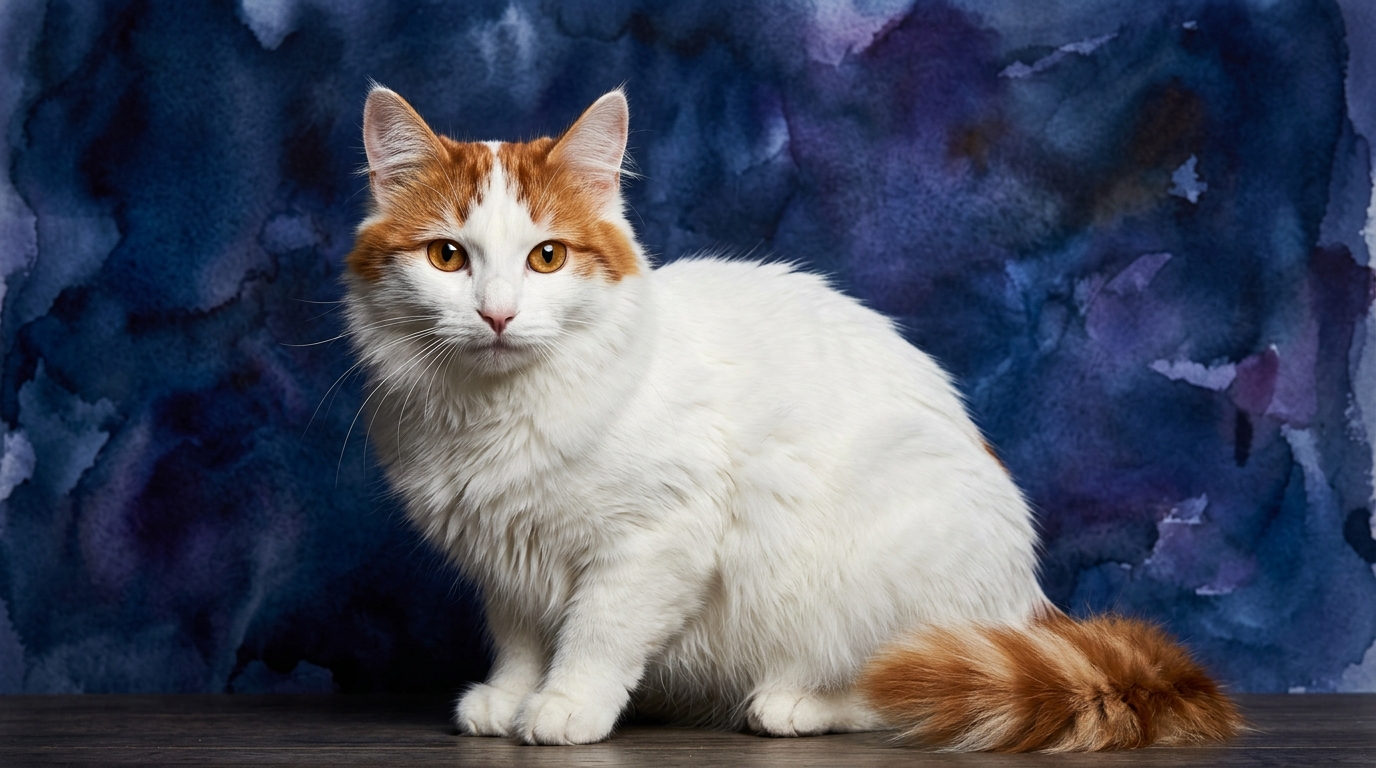
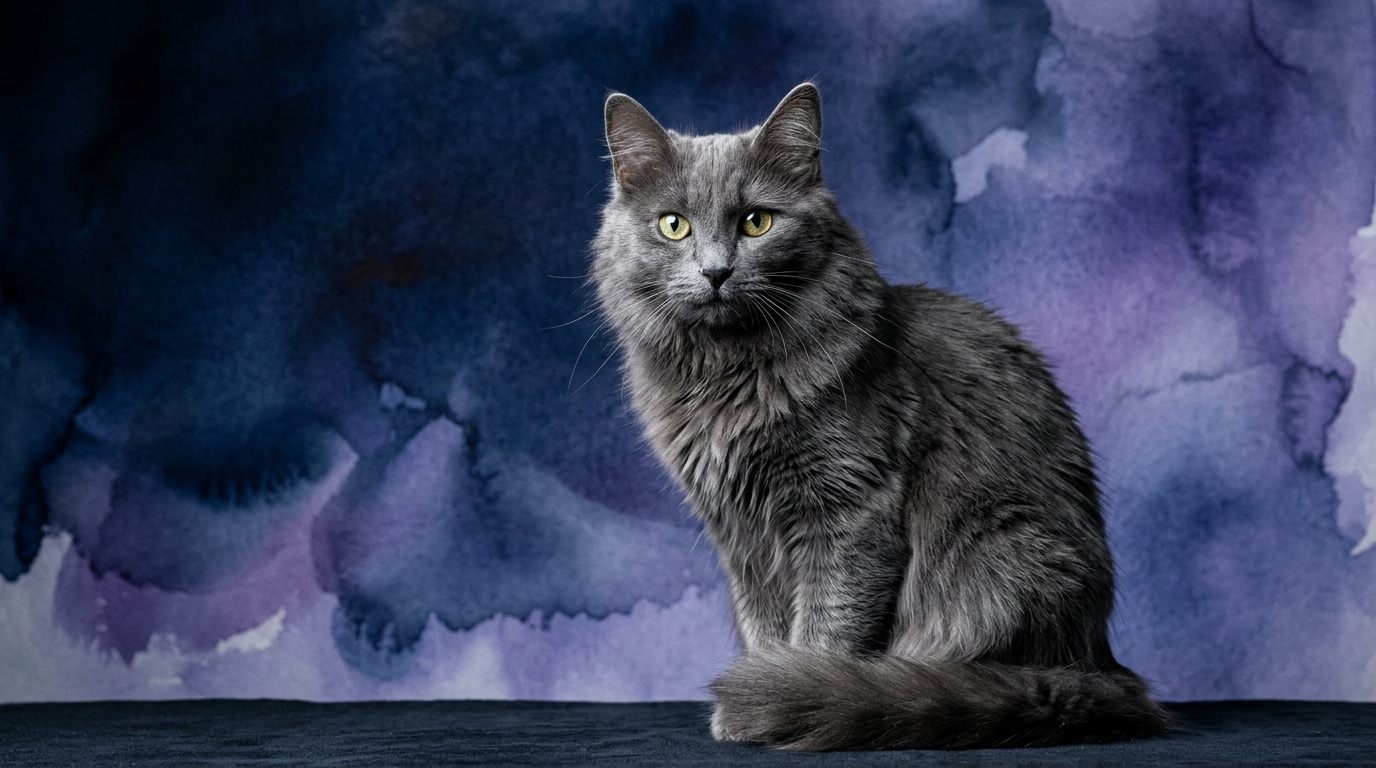
Unpacking Identical Scores: Turkish Van vs. Nebelung IQ Profiles
At first glance, the Turkish Van and the Nebelung appear to be cognitive equals, both scoring a consistent 3/5 across all five dimensions measured by The Cosmic Pet Pet IQ Lab: Problem Solving, Training Speed, Social Intelligence, Instinctive Drive, and Memory. However, these identical numerical ratings don't suggest a lack of individual character; rather, they highlight how each breed interprets and applies these cognitive strengths through their distinct temperaments and breed-specific behaviors. Understanding these nuances is key to appreciating their individual brilliance.
For the Turkish Van, a breed often described as energetic and adventurous, the 3/5 in Problem Solving indicates a cat capable of figuring out how to achieve desired outcomes, such as opening cabinets or navigating complex spaces to reach a high perch. Their independent nature often drives them to experiment and learn through trial and error, particularly when it benefits their curiosity or provides an outlet for their activity levels. They might not be decoding multi-step puzzles, but they excel at manipulating their physical environment to get what they want, often with a bold and persistent approach. Their Training Speed at 3/5 means they can learn commands and tricks effectively, especially when training is framed as a fun, interactive game. Their active minds and desire for engagement make them receptive, though their independent streak means consistency and positive reinforcement are crucial to overcoming any occasional stubbornness.
The Turkish Van's Social Intelligence, also at 3/5, reflects their capacity to form strong, often singular bonds with their primary caregivers, reading human moods and responding in their own expressive way. They understand social cues within their trusted circle but can be more aloof or even wary of strangers, preferring to observe from a distance before engaging. Their Instinctive Drive, rated 3/5, points to a robust natural prey drive, enjoying games that simulate hunting and chasing. Their unique affinity for water is a significant expression of their instinctive behaviors, often seen splashing or playing in sinks and tubs. This drive fuels their need for physical and mental stimulation. Finally, their Memory at 3/5 signifies their capability to retain routines, remember the location of favorite toys or hiding spots, and recall learned commands over time. Their memory contributes to their ability to navigate complex home environments and anticipate daily events, often using this knowledge for their own adventurous pursuits.
Turning to the Nebelung, a breed known for its gentle and reserved demeanor, their 3/5 in Problem Solving indicates a moderate ability to understand their surroundings and adapt. They can learn routines and anticipate events, perhaps figuring out how to get owner attention or access preferred lounging spots. Their problem-solving might be more subtle, relying on observation and a gentle approach rather than overt physical manipulation. They are less likely to be overtly mischievous in their problem-solving. Their Training Speed, also 3/5, shows they respond well to gentle, patient training methods. Their sensitive and affectionate nature means they often strive to please their chosen human, making them attentive learners. While they might not pick up new commands instantaneously, with consistent, positive reinforcement, they reliably integrate new behaviors.
The Nebelung's Social Intelligence, also at 3/5, highlights their deep devotion and sensitivity to the emotions of their family members, often offering quiet comfort or companionship. They excel at understanding the subtleties of human interaction within their trusted circle, though their inherent shyness means they may retreat from unfamiliar faces or loud environments. Their Instinctive Drive, also 3/5, exhibits a natural hunting instinct, finding satisfaction in stalking and pouncing on toys. This drive is typically channeled into playful interactions rather than overt aggression, providing an outlet for their energy in a more refined manner, often enjoying quiet, focused play sessions. Lastly, their Memory at 3/5 means they possess a reliable memory for routines, people, and specific experiences, especially those tied to comfort and affection. They remember preferred interaction styles and can recall where favored items are stored, contributing to their sense of security and their ability to form deep attachments.
Where the Turkish Van’s Cognition Shines
While both breeds share a 3/5 rating across all cognitive dimensions, the Turkish Van often demonstrates a more overt and assertive application of their intellect. Their problem-solving prowess is frequently directed towards exploring and interacting with their environment in a hands-on manner. A Van might, for example, persistently experiment with a door handle until it yields, or systematically investigate every cupboard in search of a favored treat, displaying a tenacious curiosity. This active engagement with their surroundings is a hallmark of their problem-solving approach.
Furthermore, the Turkish Van’s distinct instinctive drive, particularly their well-documented affinity for water, showcases a unique cognitive expression. While other cats might avoid water, the Van actively seeks it out, playing in sinks or even swimming. This particular behavior suggests a cognitive pathway that processes and embraces novel sensory experiences, integrating them into their natural play and exploration. Their memory supports this by allowing them to recall where water sources are and how to access them for their unique aquatic enjoyment, reinforcing these distinctive behaviors.
Where the Nebelung’s Cognition Excels
The Nebelung, in contrast, often showcases a more nuanced and sensitive application of their cognitive abilities, particularly within the realm of social intelligence. While both breeds score 3/5, the Nebelung’s deep devotion to their chosen family manifests as a profound understanding of human emotions and subtle cues. They may not be as overtly demonstrative as a Van, but their ability to sense and respond to a quiet mood or a gentle gesture speaks volumes about their finely tuned social perception. This sensitivity allows them to offer comfort or companionship in a way that feels deeply empathetic and intuitive.
Their problem-solving, while less boisterous, often reflects a thoughtful, observational approach. A Nebelung might learn the precise timing of an owner’s return or the subtle signals that precede mealtime, using this knowledge to position themselves for optimal interaction or comfort. Their memory supports this by allowing them to build a complex internal map of routines and preferences, contributing to their sense of security and their ability to anticipate events. This quiet perceptiveness, combined with their gentle nature, allows them to navigate their social world with grace and deep connection.
Training Dynamics: Van's Zest vs. Nebelung's Sensitivity
When it comes to training, both the Turkish Van and the Nebelung hold a 3/5 rating in Training Speed, but their behavioral differences dictate distinct approaches. The Turkish Van, with its independent spirit and zest for activity, can be trained effectively, especially when sessions are infused with play and mental stimulation. Their active minds thrive on engagement, making them receptive to learning tricks or commands if it feels like a fun challenge. However, their strong will means that consistency is paramount; a Van might occasionally choose to ignore a command if it doesn't align with their immediate interests. Positive reinforcement, coupled with short, engaging sessions, works best to harness their intellectual curiosity without clashing with their adventurous streak.
The Nebelung, by contrast, responds beautifully to gentle, patient training due to their sensitive and affectionate nature. They often possess a strong desire to please their primary caregiver, making them attentive learners who thrive on positive reinforcement and calm interactions. Harsh tones or forceful methods can be counterproductive, causing them to retreat or become anxious. Their social intelligence means they are highly attuned to their owner's emotions, and a gentle, encouraging approach fosters trust and willingness to learn. While they might not be as quick to pick up every command as a more boisterous breed, their commitment to their chosen human ensures reliable retention and execution over time, making them a joy to train for patient owners.
Matching Lifestyles: Active Explorers vs. Gentle Companions
The cognitive profiles of the Turkish Van and Nebelung, despite their numerical similarities, translate into very different needs for their human companions. The Turkish Van is an ideal match for active owners who enjoy interactive play and can provide ample mental and physical stimulation. Their problem-solving skills and robust instinctive drives mean they require outlets for their energy and curiosity, whether through challenging puzzle toys, supervised outdoor adventures, or engaging play sessions involving chasing and mock hunting. An owner who appreciates a cat with a bold personality and a penchant for exploration will find the Van a rewarding companion, understanding that their cognitive abilities are best expressed through dynamic engagement.
Conversely, the Nebelung is better suited for owners who appreciate a more relaxed, yet deeply affectionate, presence. While they enjoy playtime and can channel their instinctive drives into quiet stalking games, their social intelligence and sensitive nature mean they thrive in calm, predictable environments. Owners who value a loyal, gentle companion who offers quiet comfort and deep emotional connection will find the Nebelung's temperament a perfect fit. They still require mental stimulation and playful interaction, but their needs are often met through gentle, consistent attention rather than high-intensity activities, making them wonderful companions for those seeking a tranquil yet intellectually engaged feline friend.
The Verdict
Choose the Turkish Van if you seek an active, adventurous companion who will overtly engage their problem-solving skills in exploration and require consistent, stimulating play.
Opt for the Nebelung if you prefer a gentle, sensitive companion whose social intelligence shines through deep emotional bonds and who thrives in a calm, predictable home environment.
🧠 Find Your Pet's IQ Score
Our Pet IQ Lab assessment covers 25+ tests across 5 cognitive dimensions — personalized to your breed.
Take the Full IQ Test →Frequently Asked Questions
Do Turkish Vans truly love water more than Nebelungs?
Yes, the Turkish Van is uniquely known for its pronounced affinity for water, often seeking out opportunities to play in it, which is a distinct expression of their instinctive drives. While Nebelungs might occasionally be curious about water, they do not share the Van's breed-specific enjoyment of it.
Are Nebelungs generally good with children and other pets?
Nebelungs can be good with respectful children and other calm pets, especially if introduced gently and socialized early. Their sensitive social intelligence means they prefer peaceful interactions and may retreat from boisterous play or unfamiliar, loud situations, making a calm home environment ideal.
How much daily interaction do these breeds typically need?
Turkish Vans require significant daily interaction, including active play and mental challenges, to satisfy their high energy and curiosity. Nebelungs, while also needing attention and play, are often content with more gentle, consistent companionship and quiet interactive sessions, fitting well into a calmer daily routine.