Side-by-Side IQ Profile
The Cosmic Pet Pet IQ Lab employs a comprehensive five-dimensional framework to assess canine intelligence, moving beyond simple obedience to encompass problem-solving, training speed, social intelligence, instinctive drive, and memory. This detailed approach allows us to dissect the unique cognitive landscapes of breeds like the Weimaraner and the American Staffordshire Terrier.
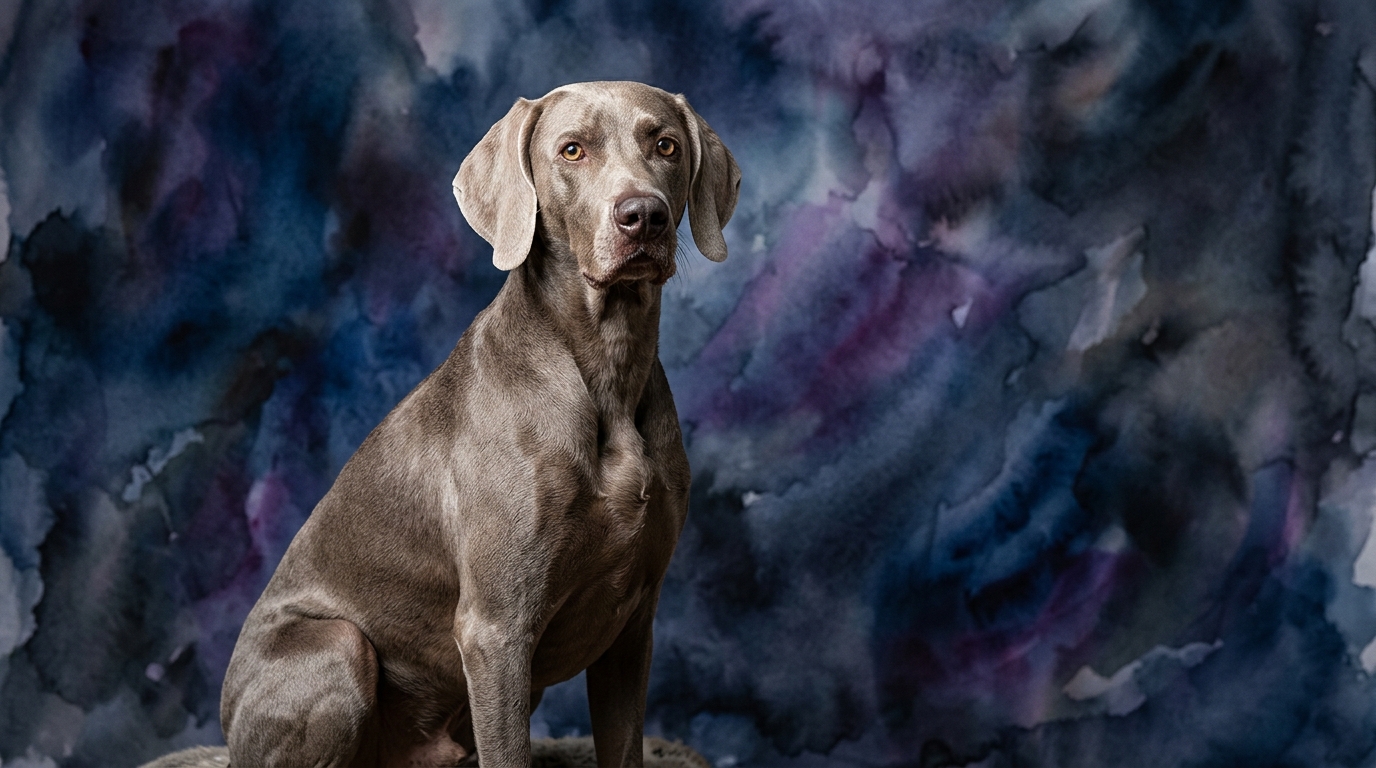
The **Weimaraner**, a distinguished member of the Sporting Group with a Coren rank of #21, showcases a cognitive profile optimized for its historical role. Its Problem Solving is rated at 4/5, indicating a robust capacity for independent thought and clever solutions. Training Speed is also 4/5, reflecting an eagerness to learn and quick retention. Social Intelligence stands at 4/5, suggesting a keen awareness of human cues and emotions. A defining characteristic is its Instinctive Drive, a perfect 5/5, highlighting its powerful hunting and retrieving instincts. Finally, its Memory is strong at 4/5, ensuring lasting recall of learned behaviors.
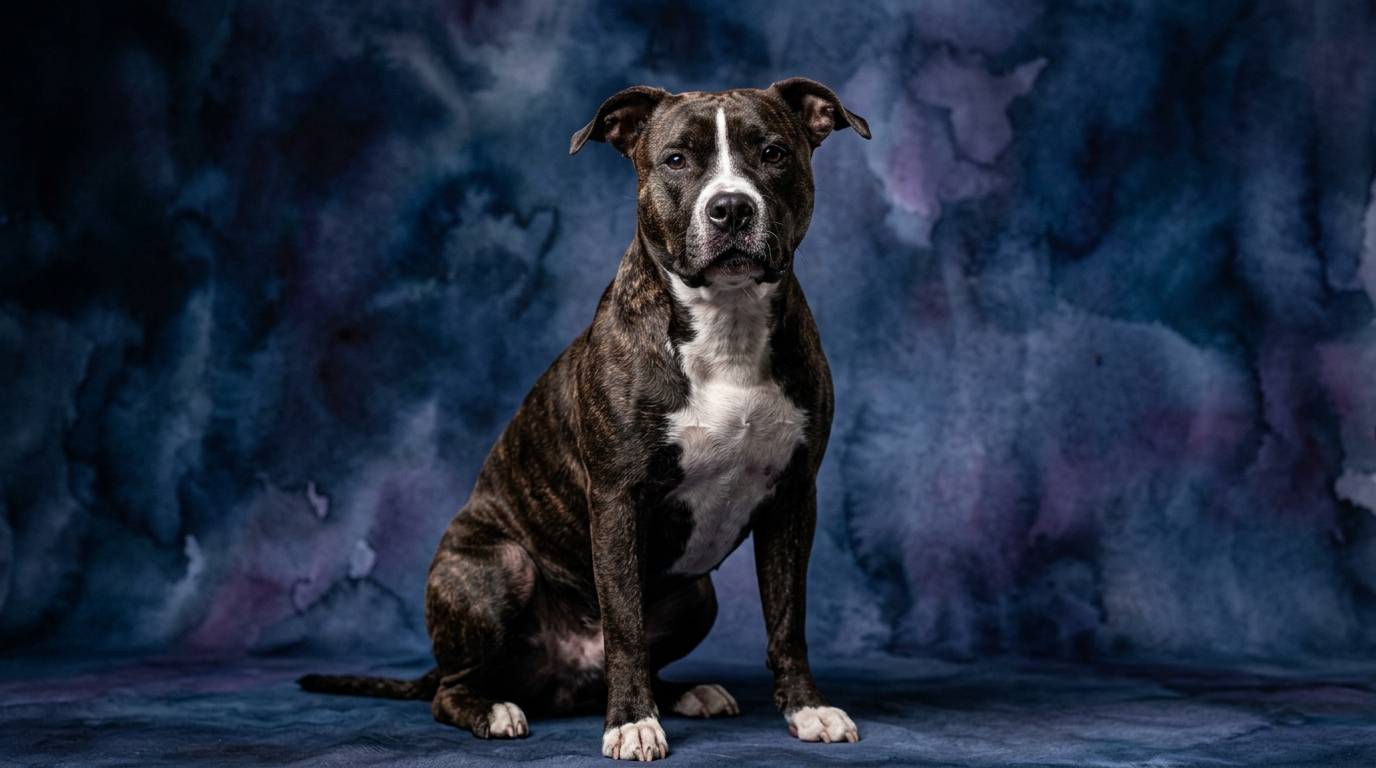
In contrast, the **American Staffordshire Terrier (AmStaff)** from the Terrier Group, holding a Coren rank of #48, presents a different set of cognitive strengths. Its Problem Solving ability is rated 3/5, indicating an average capacity for navigating novel situations. Training Speed is also 3/5, meaning they are capable learners but may require more consistent reinforcement. Social Intelligence is 3/5, showing affection and family bonding, but with a more straightforward interpretation of social signals. Their Instinctive Drive is moderate at 3/5, manifesting as typical terrier tenacity rather than intense hunting focus. Notably, the AmStaff's Memory matches the Weimaraner's at 4/5, demonstrating excellent long-term retention of commands and routines.
Where Weimaraner Wins Cognitively
The Weimaraner’s cognitive strengths shine particularly in its problem-solving capabilities and powerful instinctive drive. Their 4/5 rating in problem-solving means they are more likely to independently strategize how to open a gate or retrieve a toy from a tricky spot, often without direct human intervention. This mental agility allows for quick adaptation to changing environments or unexpected obstacles.
Furthermore, their 5/5 instinctive drive is a profound cognitive asset in specific domains. This isn't just about physical energy; it represents an innate, almost single-minded focus and determination when engaging in scent work, tracking, or retrieving. This deep-seated drive allows for extended concentration, even amidst distractions, making them exceptional partners for activities rooted in their purpose. Their social intelligence also gives them an edge in anticipating human intentions, fostering a highly collaborative partnership.
Where American Staffordshire Terrier Wins Cognitively
While the Weimaraner exhibits higher scores in several cognitive areas, the American Staffordshire Terrier's cognitive profile emphasizes tenacity and consistency, particularly in its memory. With a 4/5 memory rating, matching the Weimaraner, the AmStaff demonstrates an excellent ability to recall learned commands and routines over time. Once a behavior is thoroughly taught, it is likely to be retained reliably, even after inactivity.
The AmStaff's average instinctive drive (3/5) can also be a cognitive advantage in a different sense. Unlike the Weimaraner's intense, often all-consuming drive, the AmStaff’s more moderate instincts make them less prone to being solely driven by their prey drive in a domestic setting. This allows for balanced engagement, making them less distracted by fleeting scents or movements when not specifically working. Their problem-solving and training speed, while not as rapid, are still solid, indicating a capable and willing learner with consistent effort.
Which is Easier to Train and Why
Based on their cognitive profiles, the Weimaraner generally presents as the easier breed to train. Their 4/5 training speed, coupled with a 4/5 social intelligence, means they typically grasp new commands and concepts rapidly and are highly attuned to their handler's cues and desires. This eagerness to please and quick retention allows for faster progression through training stages, often requiring fewer repetitions to solidify a behavior. Their problem-solving ability also means they can generalize commands to new situations more readily.
The American Staffordshire Terrier, with a 3/5 training speed, requires a more patient and consistent approach. While they possess good memory, their learning curve might be slightly longer, and they can exhibit a characteristic terrier tenacity if not motivated effectively. Training an AmStaff thrives on positive reinforcement, clear communication, and making training sessions engaging and rewarding. They respond best to handlers who understand their determined nature, channeling it productively rather than overpowering it.
Which Suits Active Owners vs Relaxed Owners
For active owners seeking a canine partner for demanding activities, the Weimaraner is an undeniable fit. Their 5/5 instinctive drive, combined with high problem-solving and training speed, makes them exceptional candidates for dog sports like agility, obedience, tracking, and field trials. They thrive on having a 'job' that engages both their physical stamina and their sharp minds, relishing long runs, challenging hikes, or intricate scent work. A relaxed owner might find the Weimaraner's relentless energy and need for stimulation overwhelming, potentially leading to undesirable behaviors if not channeled.
The American Staffordshire Terrier, while still requiring regular exercise and mental engagement, is better suited to owners who are active but perhaps not seeking a canine athlete with an insatiable drive. Their moderate instinctive drive and average problem-solving mean they enjoy walks, playtime, and structured training, but are generally more content with a balanced routine that includes periods of rest and quiet companionship. A relaxed owner, with consistent daily exercise and mental enrichment, could find a devoted and manageable companion in an AmStaff, appreciating their robust memory and affectionate nature without extreme working drives.
The Verdict
Choose the Weimaraner if you are an active, experienced owner ready to channel significant instinctive drive and mental agility into structured activities and consistent training.
Opt for the American Staffordshire Terrier if you appreciate a tenacious, devoted companion with strong memory, and are prepared for consistent, positive-reinforcement training to manage their moderate drives.
🧠 Find Your Pet's IQ Score
Our Pet IQ Lab assessment covers 25+ tests across 5 cognitive dimensions — personalized to your breed.
Take the Full IQ Test →Frequently Asked Questions
Do Weimaraners get along with other pets?
Weimaraners possess a strong prey drive (5/5 instinctive drive), which means introductions to smaller pets like cats or rabbits require careful, supervised management from a young age. With proper socialization, they can coexist, but their instincts will always be present.
Are American Staffordshire Terriers good family dogs?
American Staffordshire Terriers can be wonderful family dogs, forming strong bonds and showing great affection towards their human family members. Their social intelligence (3/5) means they thrive on clear communication and consistent boundaries within a loving home environment.
How much exercise do these breeds need daily?
Weimaraners require substantial daily exercise, often 1-2 hours of vigorous activity, to satisfy their high instinctive drive and energy levels. American Staffordshire Terriers need moderate daily exercise, typically 45-60 minutes of brisk walking or playtime, to stay physically and mentally content.