Side-by-Side IQ Profile
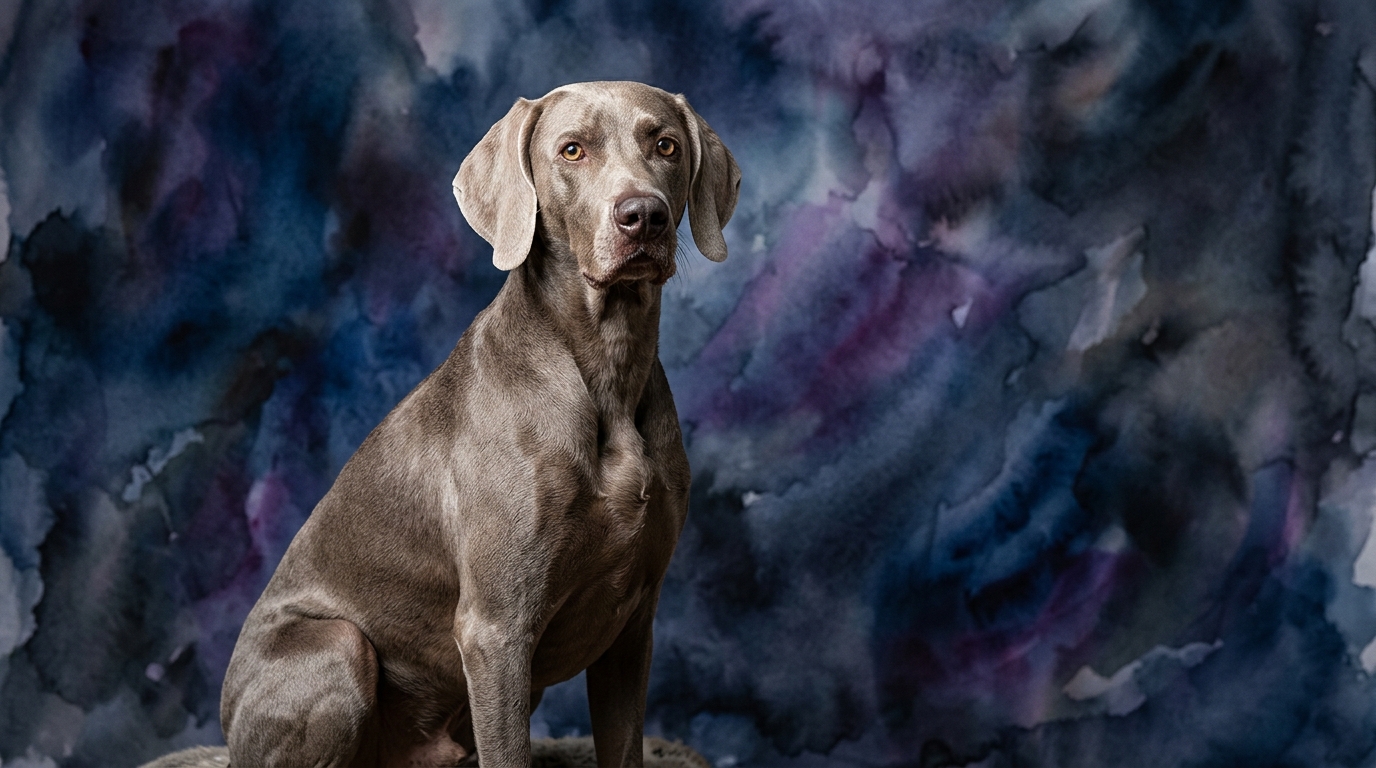
The Weimaraner, holding a Coren rank of #21, demonstrates a robust and balanced intelligence geared towards their working heritage. Their Problem Solving is rated 4/5, indicating a strong capacity for navigating complex tasks, though often within the context of their natural drive. Training Speed is 4/5, meaning they learn commands efficiently with consistent application. Social Intelligence scores 4/5, highlighting their adeptness at reading human cues and forming strong, cooperative bonds. A perfect 5/5 in Instinctive Drive underscores their powerful innate urge to hunt, track, and retrieve, a central facet of their cognitive makeup. Finally, their Memory is 4/5, allowing them to retain learned behaviors and experiences effectively.
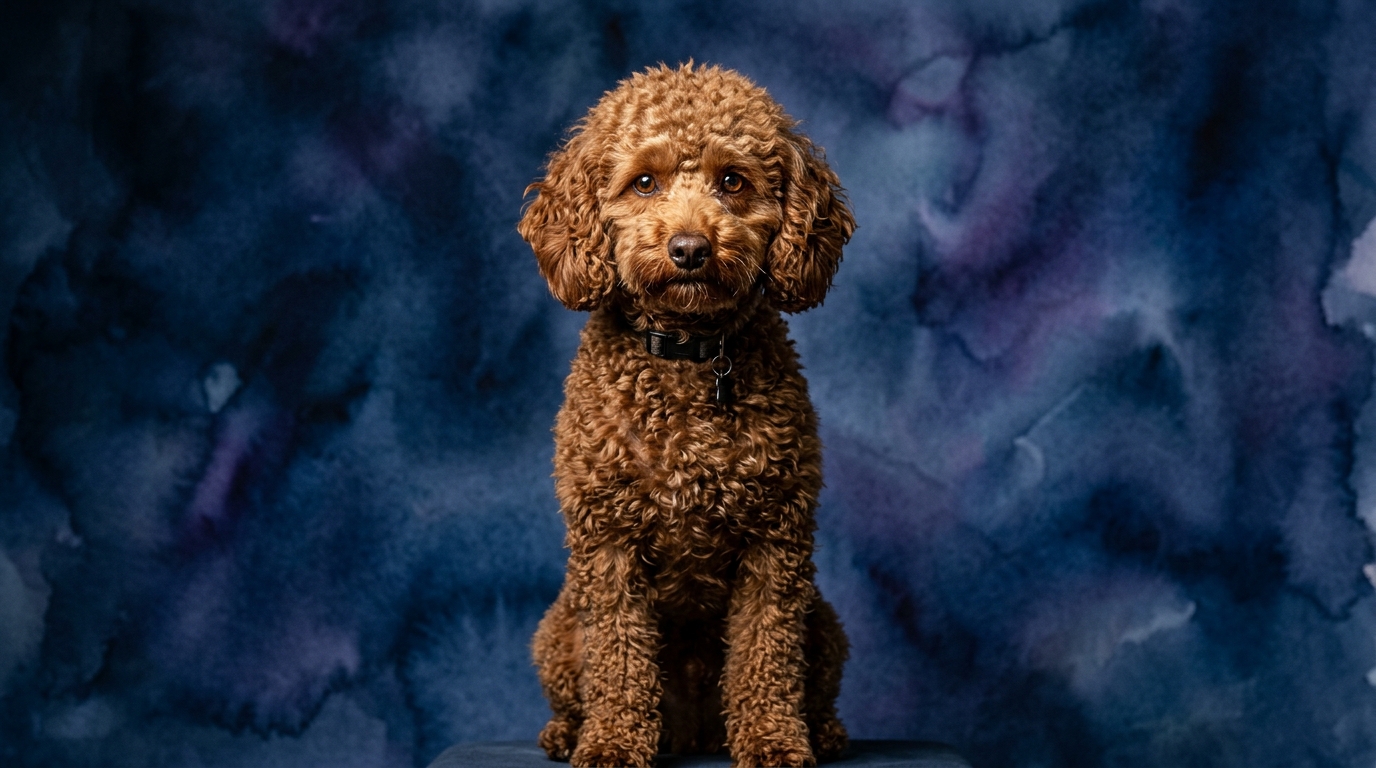
In contrast, the Miniature Poodle, with an impressive Coren rank of #2, showcases a highly agile and abstract intellect. Their Problem Solving is a perfect 5/5, reflecting an exceptional capacity for novel solutions and grasping new concepts rapidly. Training Speed also earns a 5/5, indicating they absorb and execute commands with remarkable swiftness. Social Intelligence is 3/5, suggesting that while affectionate, their primary cognitive strength isn't necessarily in nuanced social interpretation with strangers but rather in their focused bond with their immediate human family. Instinctive Drive is 3/5, a moderate level that can manifest as a desire for retrieving or water activities, but it's not the dominant force seen in specialized hunting breeds. Their Memory is a perfect 5/5, demonstrating an outstanding ability to recall commands, past experiences, and learned patterns.
Where Weimaraner Wins Cognitively
The Weimaraner's cognitive edge lies squarely in its profound instinctive drive, rated a perfect 5/5 by The Cosmic Pet Pet IQ Lab. This isn't just about a desire to chase; it's a sophisticated, hardwired set of behaviors that includes scent discrimination, tracking, pointing, and retrieving, all executed with intense focus and endurance. Their problem-solving abilities (4/5) are frequently channeled through this drive, meaning they excel at tasks that align with their natural hunting instincts, such as navigating varied terrain to locate a hidden object or working cooperatively in a field setting.
This breed's balanced social intelligence (4/5) further enhances their utility in working partnerships. A Weimaraner isn't merely following commands; they are often actively engaged with their handler, reading subtle body language and anticipating instructions within a shared task. This high social IQ, combined with their formidable drive, allows them to operate as highly intuitive and responsive team members, particularly in dynamic, real-world scenarios where quick, instinct-driven decisions are paramount.
Where Miniature Poodle Wins Cognitively
The Miniature Poodle shines with a truly exceptional cognitive profile, particularly in problem-solving (5/5), training speed (5/5), and memory (5/5). Their capacity for abstract reasoning is remarkable; they don't just learn rote commands but often understand the *why* behind them, enabling them to generalize learned behaviors to new situations with ease. This superior problem-solving allows them to figure out complex puzzles, manipulate objects to achieve a goal, or even strategize during interactive games, often surprising owners with their cleverness.
Their outstanding training speed and memory mean that once a concept is taught, it is retained with impressive permanence and can be recalled almost instantly. This makes them incredibly quick studies, excelling in obedience, agility, and even specialized tasks that require intricate sequences of actions. While their instinctive drive (3/5) is not as pronounced as a Weimaraner's, their cognitive agility allows them to learn and execute complex behaviors purely for the joy of engagement and mental stimulation, demonstrating a versatile intellect that thrives on intellectual challenges rather than purely primal urges.
Which Is Easier to Train and Why
Based on The Cosmic Pet Pet IQ Lab's metrics, the Miniature Poodle is generally easier to train for a broader range of tasks, primarily due to their perfect scores in Training Speed (5/5), Problem Solving (5/5), and Memory (5/5). They grasp new commands with minimal repetition and retain them for extended periods, making the initial learning phase remarkably efficient. Their high problem-solving ability means they can often anticipate what's expected of them and adapt quickly if an instruction isn't immediately clear, reducing frustration for both dog and handler.
The Weimaraner, with 4/5 in Training Speed and Memory, is certainly no slouch in the training department, but their powerful Instinctive Drive (5/5) can present a different kind of training challenge. While this drive can be a tremendous asset when channeled into activities like hunting or scent work, it also means they can be more prone to distractions from environmental stimuli that trigger their prey drive. Training a Weimaraner often requires more consistent management of their natural inclinations and a greater emphasis on impulse control, whereas the Miniature Poodle's training success often hinges on providing sufficient mental stimulation to keep their agile minds engaged.
Which Suits Active Owners vs. Relaxed Owners
For active owners, especially those who enjoy outdoor pursuits like hiking, running, or dog sports that mimic hunting, the Weimaraner is an exceptional match. Their formidable instinctive drive and robust physical capabilities demand significant daily exercise and mental engagement that directly taps into their working heritage. Owners who can commit to regular, vigorous activity and provide outlets for their problem-solving skills within a structured environment will find the Weimaraner to be a highly responsive and dedicated companion, thriving on shared adventures and purpose-driven tasks.
The Miniature Poodle, while adaptable, benefits greatly from owners who prioritize mental stimulation and consistent engagement, regardless of their physical activity level. Their superior problem-solving and memory mean they quickly become bored without regular intellectual challenges, such as puzzle toys, learning new tricks, or participating in dog sports like agility or obedience. While they appreciate walks and play, a "relaxed owner" for a Miniature Poodle doesn't mean a cognitively relaxed one; they need an owner who is prepared to engage their sharp minds daily, making them suitable for active and moderately active owners who enjoy interactive training and brain games.
The Verdict
Choose the Weimaraner if you are an active, outdoors-oriented individual or family seeking a devoted partner for field work, extensive hiking, or consistent, purpose-driven training. Their intense instinctive drive and robust social intelligence thrive when given a job to do.
Opt for the Miniature Poodle if you seek a highly adaptable, quick-witted companion who excels in learning complex tasks, enjoys mental puzzles, and thrives on consistent intellectual engagement within the home or competitive rings. Their exceptional problem-solving and memory make them incredibly versatile.
🧠 Find Your Pet's IQ Score
Our Pet IQ Lab assessment covers 25+ tests across 5 cognitive dimensions — personalized to your breed.
Take the Full IQ Test →Frequently Asked Questions
Is a Weimaraner difficult to train?
A Weimaraner is not inherently difficult to train, scoring 4/5 in training speed. However, their powerful 5/5 instinctive drive requires consistent, engaging training to channel their natural urges effectively and manage potential distractions.
Do Miniature Poodles need a lot of exercise?
Miniature Poodles require moderate physical exercise but have a high demand for mental stimulation due to their 5/5 problem-solving and memory scores. Daily walks combined with puzzle toys, trick training, and interactive games are crucial for their well-being.
Which breed is better for a first-time dog owner?
The Miniature Poodle's superior training speed and problem-solving (both 5/5) generally make them a more forgiving choice for a dedicated first-time owner willing to provide ample mental engagement. A Weimaraner's intense drive and energy often benefit from an owner with some prior experience.