A Side-by-Side Cognitive Profile
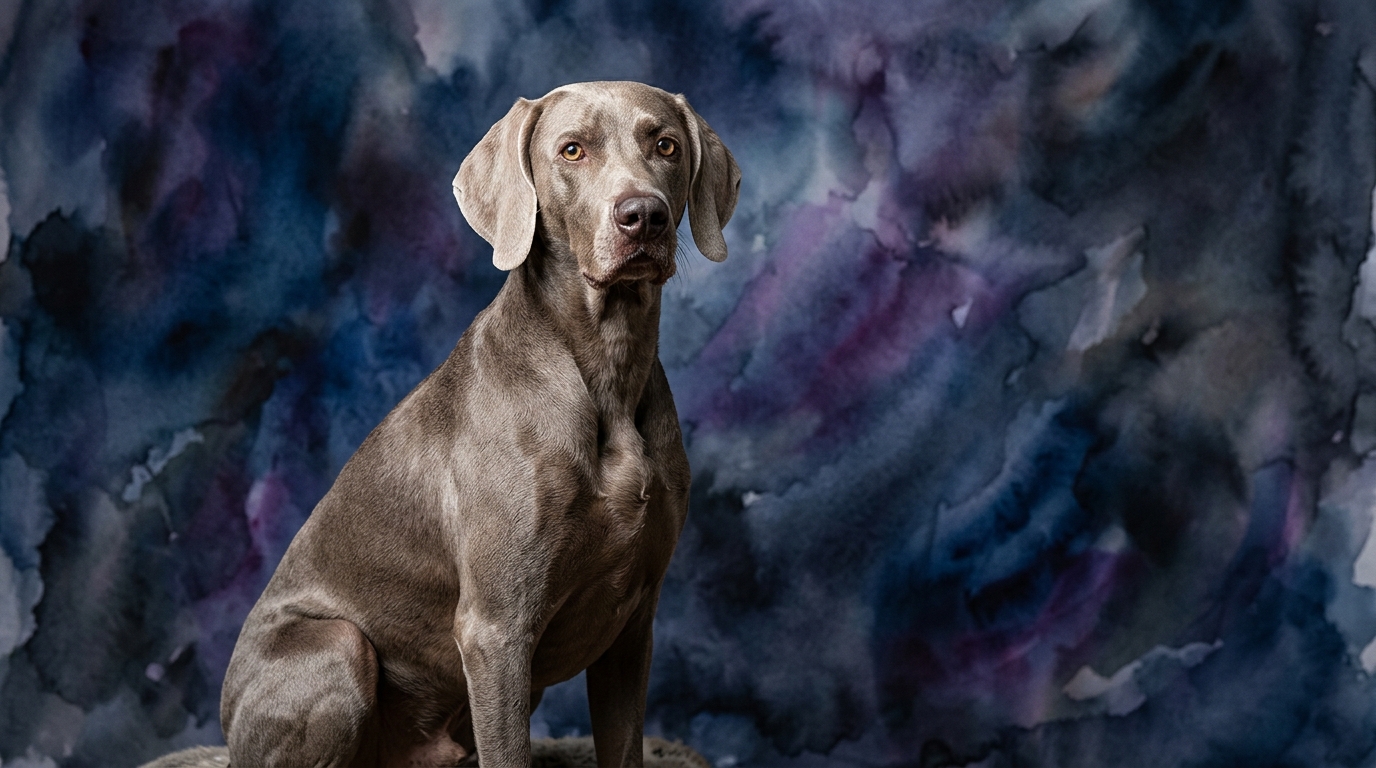
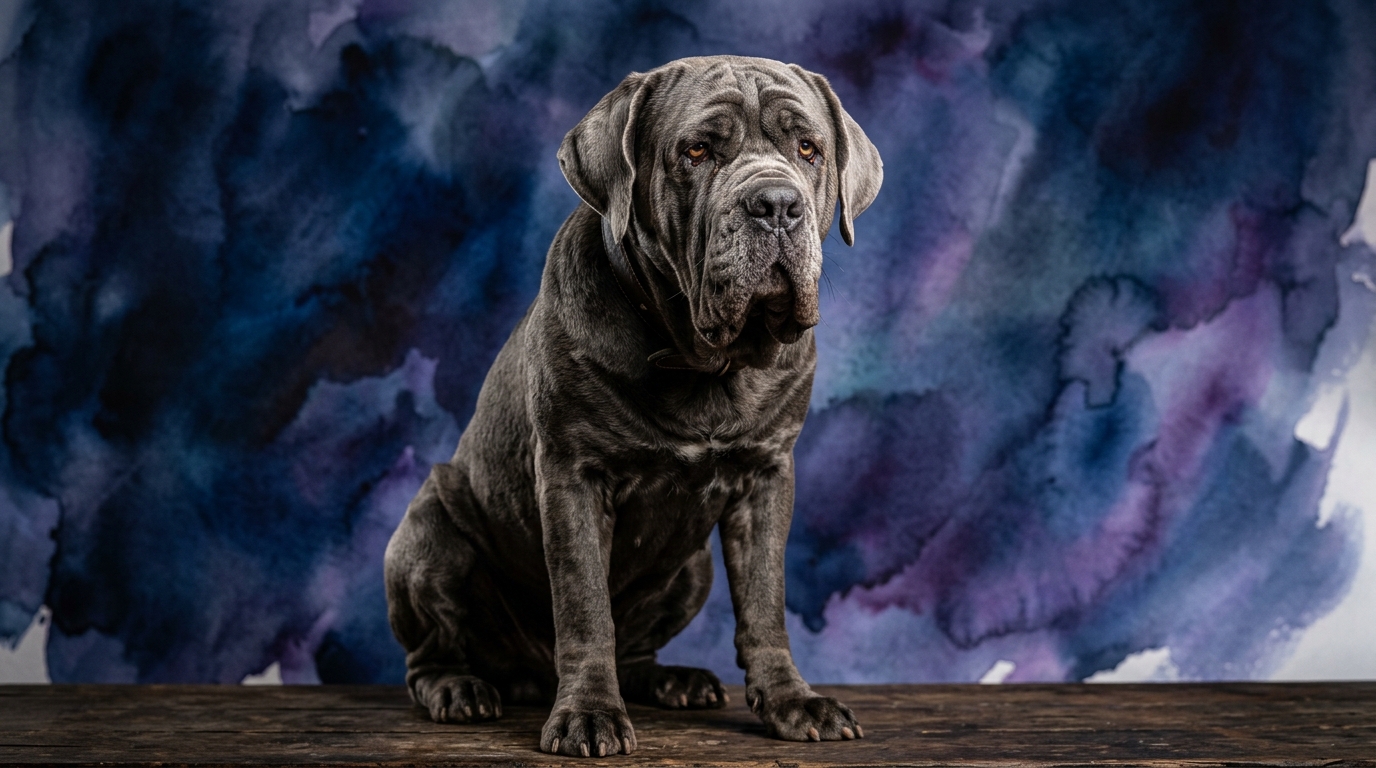
The Cosmic Pet Pet IQ Lab employs a five-dimensional framework to assess canine cognition, providing a nuanced understanding beyond simple obedience. For the Weimaraner, a breed recognized for its working acumen (Coren rank #21), and the Neapolitan Mastiff, a guardian breed with a unique history, these dimensions reveal their inherent strengths.
The Weimaraner demonstrates a Problem Solving score of 4/5, indicating an aptitude for navigating complex environments and figuring out how to achieve goals, whether retrieving game or bypassing obstacles. Their Training Speed is also 4/5, reflecting their quick grasp of new commands and routines, often eager to engage with instruction. Social Intelligence stands at 4/5, as they typically form strong bonds and are attuned to human cues and family dynamics. Their Instinctive Drive is a notable 5/5, manifesting as an intense prey drive, strong retrieve instinct, and focused attention on scent and movement. Finally, their Memory is rated 4/5, showing an effective retention of learned behaviors and spatial information, crucial for remembering training sequences or hunting patterns.
In contrast, the Neapolitan Mastiff, while not Coren-ranked, presents a different cognitive signature. Their Problem Solving is 3/5, meaning they can effectively address practical problems related to guarding or navigating familiar territory, though they are less inclined towards abstract puzzles. Training Speed is 3/5; they require patience and consistent repetition, learning at a steady pace but often needing motivation beyond mere compliance. Social Intelligence is 3/5; they are deeply devoted to their family but can be reserved with strangers, reading subtle threats and family needs with a quiet understanding. Their Instinctive Drive is 3/5, centered on strong protective and territorial instincts rather than a strong prey or retrieval focus, emphasizing vigilance and deterrence. Their Memory is also 3/5, retaining routines, people, and boundaries well, which is vital for their guardian role, but perhaps not the intricate sequences a high-drive working dog might master.
Where the Weimaraner Excels Cognitively
The Weimaraner’s cognitive strengths are evident in their speed, adaptability, and capacity for complex task learning. Their impressive Problem Solving (4/5) and Training Speed (4/5) enable them to master intricate sequences, whether in agility courses, competitive obedience, or multi-stage scent work, with relative ease. This combination allows them to process information rapidly and apply learned solutions efficiently, making them highly responsive partners in dynamic activities.
Furthermore, their powerful Instinctive Drive (5/5) means they excel in tasks requiring sustained focus and determination towards a specific goal. This could involve tracking a faint scent trail for miles, retrieving from challenging terrain, or performing repetitive, high-energy actions without losing enthusiasm. This drive, when appropriately channeled through training, translates into impressive stamina and unwavering commitment to their work. Their Social Intelligence (4/5), paired with a robust Memory (4/5), further solidifies their cognitive edge in interactive roles, allowing them to anticipate owner cues and engage in nuanced communication, making them highly collaborative companions.
Where the Neapolitan Mastiff Demonstrates Unique Strengths
The Neapolitan Mastiff's cognitive profile, while different, showcases distinct strengths rooted in their historical role as guardians. While their Problem Solving (3/5) may not involve intricate puzzles, it shines in their ability to understand and manage social dynamics within their family unit and to discern potential threats with remarkable subtlety. They possess a quiet, observational intelligence, often assessing situations and people before reacting, a hallmark of a discerning protector.
Their Instinctive Drive (3/5) is profoundly centered on protection, manifesting as a deep-seated vigilance rather than an outward display of energy. They exhibit a steady, unwavering judgment, assessing situations for danger and acting with considered force when necessary, rather than impulsive reaction. This requires a specific kind of cognitive processing – a calm, measured evaluation of their environment and its inhabitants. Their Social Intelligence (3/5) allows them to be deeply bonded and intuitive to their family's emotional states and needs, often displaying a calm, reassuring presence. This, combined with their Memory (3/5) for routines, people, and established boundaries, makes them incredibly reliable and consistent guardians within their familiar territory.
Training Dynamics: Weimaraner vs. Neapolitan Mastiff
When considering ease of training, the Weimaraner generally presents a more straightforward path. Their higher Training Speed (4/5) and inherent desire to work and please their owners mean they absorb new commands and routines quickly. They thrive on engaging tasks and respond particularly well to positive reinforcement, often eager to participate in training sessions. Their significant instinctive drive needs proper channeling from an early age, making consistent, stimulating training crucial for a well-adjusted companion. Once motivated and engaged, they are less prone to stubbornness and more inclined to eager compliance, making them rewarding students for dedicated owners.
The Neapolitan Mastiff, conversely, typically requires a more patient and consistent approach to training due to their 3/5 Training Speed and a more independent, self-assured nature. They are not necessarily slow learners, but they are discerning. Their motivation often isn't solely about pleasing; it's about understanding the *purpose* of a command in relation to their protective duties or personal comfort. This means owners must be clear, consistent, and demonstrate leadership without harshness. While they are deeply loyal, they can be selective in their obedience if they don't perceive the value or necessity of a task. Early and extensive socialization, coupled with positive reinforcement and clear boundaries, are critical to shaping a well-mannered Neapolitan Mastiff, ensuring their inherent protective instincts are appropriately managed and directed.
Suitability for Active vs. Relaxed Lifestyles
The choice between these two breeds significantly hinges on an owner's lifestyle and activity levels. The Weimaraner is an undeniable match for active owners. Their exceptional Instinctive Drive (5/5) and need for both mental and physical stimulation mean they require substantial daily exercise and structured activities. These dogs are built for movement and purpose; they thrive on extensive walks, runs, hikes, retrieving games, and dog sports like agility or flyball. They are not content to be solely indoor companions and can develop undesirable behaviors if their energy and cognitive needs are not adequately met. A Weimaraner integrates best into a dynamic household that can commit significant time to their engagement.
The Neapolitan Mastiff, on the other hand, aligns more with owners who lead a more relaxed, yet still engaged, lifestyle. While they are not sedentary and require regular, moderate exercise to maintain their health and physique, their energy levels are significantly lower than a Weimaraner's. Their needs lean more towards consistent presence, secure territory management, and calm social interaction within their family unit. They appreciate a steady routine and thrive in a predictable home environment where they can fulfill their role as a watchful, devoted guardian. "Relaxed" for a Neapolitan Mastiff owner means providing a stable, loving home rather than a constant flurry of activity, ensuring their protective instincts are managed through calm leadership and appropriate socialization.
The Verdict
Choose a Weimaraner if you are an active individual or family seeking a highly engaged, trainable partner for sports, hunting, or a dynamic lifestyle, willing to dedicate significant time to their physical and cognitive needs.
Choose a Neapolitan Mastiff if you appreciate a calm, devoted guardian with a deep bond to their family, understanding that their training requires patience and consistency, and you can provide a stable, secure environment where their protective instincts can be appropriately managed.
🧠 Find Your Pet's IQ Score
Our Pet IQ Lab assessment covers 25+ tests across 5 cognitive dimensions — personalized to your breed.
Take the Full IQ Test →Frequently Asked Questions
Are Weimaraners good family dogs?
Yes, Weimaraners form strong bonds with their families and can be wonderful companions, especially when their significant exercise and mental stimulation needs are met. They thrive on inclusion and structured activity, making them suitable for active households.
Do Neapolitan Mastiffs drool a lot?
Yes, Neapolitan Mastiffs are known for significant drooling, especially after eating or drinking, due to their loose jowls and facial structure. Owners should be prepared for this characteristic and have rags handy for cleanup.
What kind of training is best for a Neapolitan Mastiff?
Positive reinforcement, consistency, and early socialization are crucial for Neapolitan Mastiffs. Their training should focus on clear communication, establishing boundaries, and building a strong, trusting relationship, rather than expecting immediate, eager compliance.