The Cosmic Pet IQ Lab: Weimaraner vs Puli Cognitive Profiles
The Cosmic Pet Pet IQ Lab employs a multi-dimensional framework to assess canine intelligence, moving beyond simplistic notions to explore specific cognitive aptitudes. For the Weimaraner, a Sporting group dog, and the Puli, from the Herding group, their Coren ranks of #21 and #25 respectively already hint at capable minds, but our detailed breakdown offers a deeper understanding of their unique mental makeups.
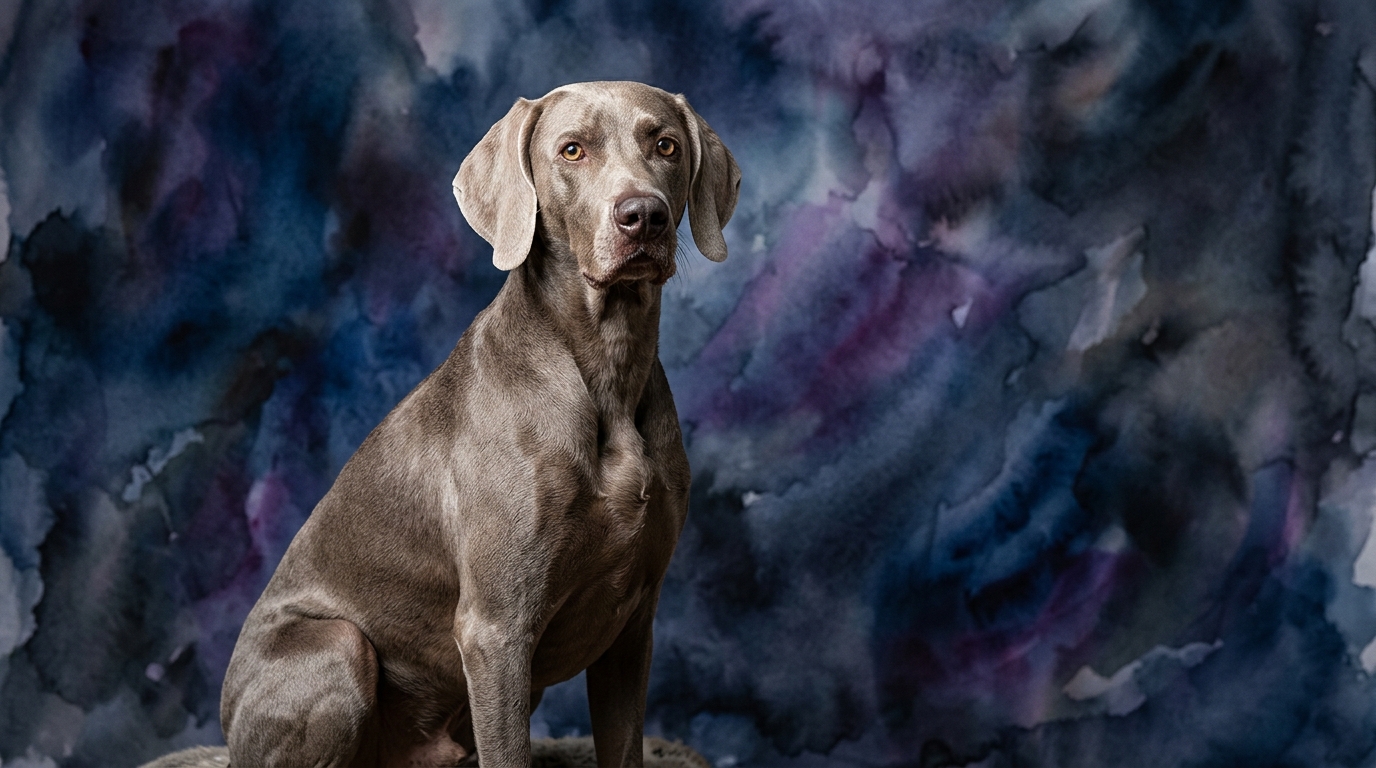
The Weimaraner’s profile reveals a robust and balanced intellect geared towards partnership and purpose. Their Problem Solving is rated 4/5, indicating an adeptness at navigating novel situations and figuring out solutions. Training Speed also scores 4/5, suggesting a quick grasp of new commands and routines. Social Intelligence, at 4/5, highlights their capacity for understanding human cues and forming strong interpersonal connections. Their Instinctive Drive is exceptionally high at 5/5, reflecting a powerful innate urge for their breed-specific tasks, and Memory stands at 4/5, enabling them to retain complex information and experiences.
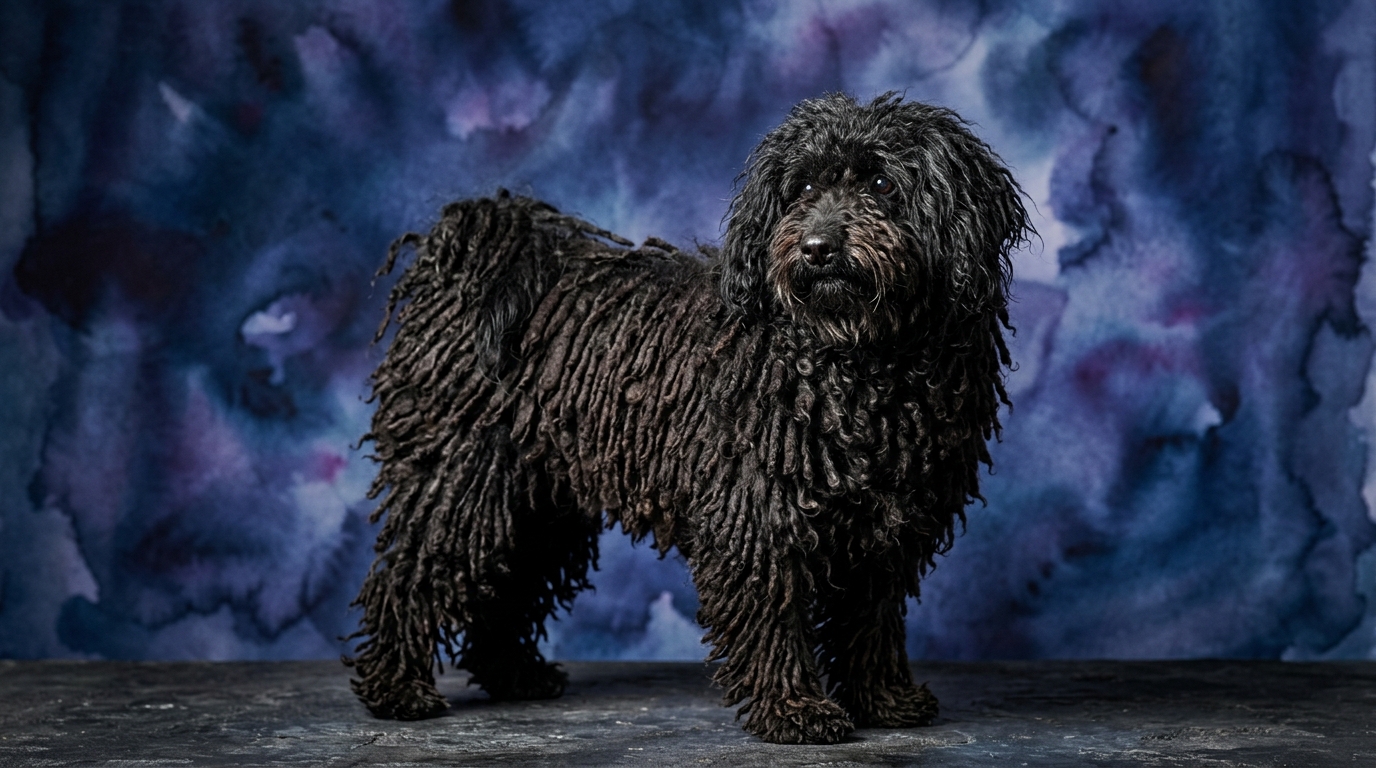
In contrast, the Puli, while equally capable, displays a cognitive emphasis on independent thought and strategic action. Like the Weimaraner, their Problem Solving is 4/5, indicating an ability to devise solutions in dynamic environments, and their Training Speed is also 4/5, showing they can learn efficiently. However, their Social Intelligence is 3/5, suggesting a more independent nature or a less overt reliance on human approval. Instinctive Drive is 3/5, reflecting a controlled, strategic drive essential for managing livestock rather than an explosive one. Their Memory, matching the Weimaraner at 4/5, ensures they learn from experience and retain crucial information for their duties.
Where the Weimaraner Cognitively Excels
The Weimaraner's cognitive strengths lie in their unparalleled combination of high instinctive drive and strong social intelligence, making them exceptional partners in human-directed tasks. Their Instinctive Drive, rated 5/5, is a powerful engine for sustained focus and determination in pursuit of a goal, whether it's tracking game, performing in agility, or retrieving. This isn't merely physical energy; it's a mental blueprint for purpose-driven action, allowing them to maintain concentration on complex sequences over extended periods.
Coupled with this, their Social Intelligence of 4/5 means they are highly attuned to their human companions, eager to understand and respond to subtle cues. This capacity for deep connection and cooperation allows their immense drive to be channeled effectively through training. Weimaraners excel in activities where they work in close partnership with an owner, demonstrating a profound desire to please and a quick understanding of expectations. Their problem-solving abilities (4/5) are often applied in collaborative efforts, such as navigating a complex field to locate a bird or executing a multi-step obedience routine flawlessly alongside their handler.
Where the Puli Cognitively Shines
The Puli's cognitive brilliance is most evident in its capacity for independent, strategic problem-solving, a trait honed by centuries of herding livestock without constant human instruction. While their Instinctive Drive is 3/5, lower than the Weimaraner’s, it’s precisely this controlled drive, combined with a 4/5 Problem Solving score, that allows them to excel. They aren't driven by an overwhelming urge to chase, but rather by an intelligent, calculated impulse to manage and direct. This manifests as a unique ability to assess dynamic situations, like a scattered flock, and devise effective, often creative, solutions on their own.
Their 4/5 Memory score is critical here, enabling them to recall past experiences with livestock, remember boundaries, and learn from previous interactions to refine their herding strategies. Unlike breeds that rely heavily on direct commands, Pulik possess a self-reliant intelligence, making decisions based on their understanding of the environment and the behavior of the animals they manage. This self-sufficiency, while sometimes misinterpreted as stubbornness, is a testament to their deep cognitive processing and their ability to operate effectively when immediate human guidance isn't available. They are thinkers, strategists, and highly capable independent workers.
Training Dynamics: Weimaraner vs Puli
Both the Weimaraner and Puli share a Training Speed score of 4/5, indicating that neither breed is inherently slow to learn new commands or behaviors. However, the *approach* to training and the *ease* of implementation vary significantly due to their distinct social intelligence and instinctive drive profiles. The Weimaraner's 4/5 Social Intelligence makes them exceptionally receptive to human interaction and direction. They typically thrive on positive reinforcement, praise, and the opportunity to work closely with their owner, viewing training as a collaborative activity that strengthens their bond. Their high Instinctive Drive (5/5) means they possess immense focus, which, when channeled correctly, makes them rapid learners capable of complex tasks. However, if not properly managed, this drive can lead to independent action, such as a strong prey drive overriding commands, requiring consistent, firm, and engaging training from puppyhood.
The Puli, while equally quick to grasp concepts (Training Speed 4/5), presents a different training challenge due to their 3/5 Social Intelligence and 3/5 Instinctive Drive. They are intelligent and capable of learning, but their independence means they may not always be as overtly eager to please as a Weimaraner. Pulik often require more motivational creativity and patience from their trainers, as they might question the purpose of a command or seek to find their own, more efficient, solution to a problem. Their problem-solving acumen can sometimes translate into a perceived stubbornness if training isn't engaging or if they feel their intelligence isn't being respected. Consistency, early socialization, and leveraging their innate desire to work, even if independently, are key to successful Puli training. Neither is 'easier' in an absolute sense, but the Weimaraner's eagerness to partner often makes the initial stages of training feel more seamless for an engaged owner.
Matching Owners: Active Lifestyle vs. Independent Spirit
Choosing between a Weimaraner and a Puli involves understanding not just their cognitive abilities but how those abilities translate into daily needs and owner compatibility. The Weimaraner, with its exceptional 5/5 Instinctive Drive and 4/5 Social Intelligence, is ideally suited for an owner with a genuinely active lifestyle who desires a constant, engaged companion. These dogs require substantial daily mental and physical exercise – think long runs, challenging hikes, advanced obedience, agility, or scent work. They thrive on having a 'job' and being an integral part of their human's activities, forming a deep, almost symbiotic bond. A relaxed or sedentary owner would quickly find a Weimaraner's unfulfilled drive leading to destructive behaviors or persistent demands for attention.
The Puli, while also a working breed requiring significant engagement, caters to a slightly different type of active owner. Their 3/5 Instinctive Drive and 3/5 Social Intelligence suggest a more independent work ethic. Pulik still need regular, vigorous exercise and mental challenges, but their satisfaction might come from tasks that allow for more independent thought and problem-solving, such as complex puzzle toys, herding games, or exploring a secure, varied environment. They are active and resilient, but perhaps less overtly demanding of constant human interaction than the Weimaraner. An owner who appreciates an intelligent, self-reliant companion, and is willing to provide structured opportunities for their Puli to 'think' and 'work' in its own unique way, would find a rewarding partnership. Neither breed is for the truly 'relaxed' owner who prefers minimal interaction or exercise, as both are intelligent working dogs with needs that extend beyond basic care.
The Verdict
Choose the Weimaraner if you seek a deeply bonded, highly driven canine partner for consistent, vigorous activity and advanced training in sporting or companion roles. Their intense focus and social engagement make them excel when given a clear purpose and ample shared experiences.
Opt for the Puli if you value an independent, resilient thinker capable of complex problem-solving, thriving with structured mental challenges and a secure environment where their unique herding instincts can be safely expressed. They suit an owner who appreciates a clever, self-reliant companion with a strong work ethic.
🧠 Find Your Pet's IQ Score
Our Pet IQ Lab assessment covers 25+ tests across 5 cognitive dimensions — personalized to your breed.
Take the Full IQ Test →Frequently Asked Questions
Are Weimaraners difficult to train due to their high drive?
Weimaraners are quick learners (Training Speed 4/5) and eager to please (Social Intelligence 4/5), but their intense instinctive drive (5/5) means training must be consistent and channel their energy into productive tasks. Without proper guidance, this drive can manifest as unwanted behaviors, requiring an owner dedicated to active management and engagement.
Do Pulik make good family pets despite lower social intelligence?
While a Puli's social intelligence (3/5) suggests more independence than some breeds, they form strong bonds with their families and are protective. They require early socialization to ensure they are comfortable with strangers and children, and their loyalty, though expressed differently than a more overtly affectionate breed, runs deep for their chosen people.
Which breed requires more mental stimulation?
Both breeds require significant mental stimulation, but the type differs. Weimaraners thrive on human-directed tasks that engage their high instinctive drive and social intelligence, such as advanced obedience or scent work. Pulik excel with problem-solving tasks that allow for independent thought, like puzzle toys or strategic herding games, leveraging their innate ability to manage complex situations.