Side-by-side IQ profile
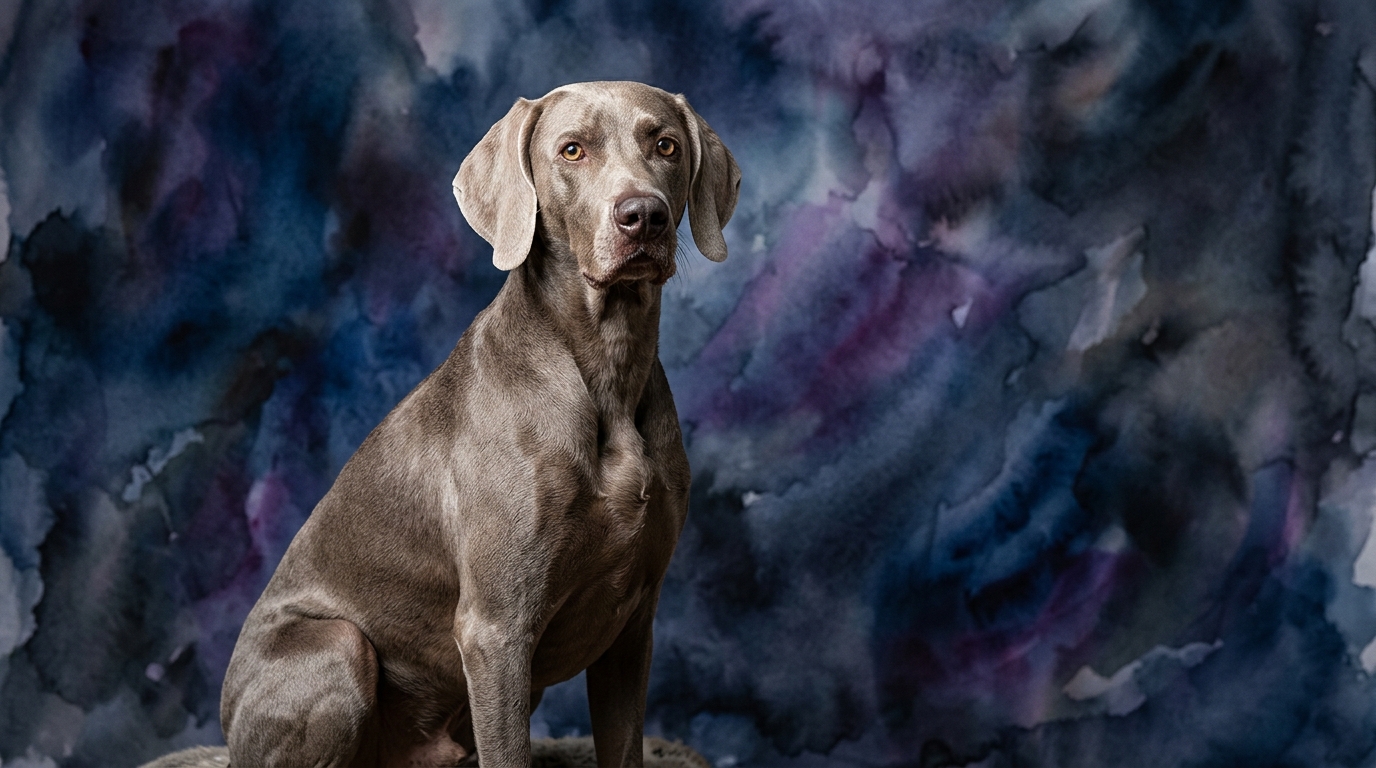
The Weimaraner, a Sporting group dog ranked #21 by Coren, demonstrates robust cognitive abilities. Its Problem Solving is rated 4/5, reflecting a keen ability to navigate novel situations and figure out solutions. Training Speed also scores 4/5, indicating a quick grasp of new commands and concepts. Social Intelligence, at 4/5, points to a strong awareness of human cues and a desire for interaction. Its Instinctive Drive is exceptionally high at 5/5, a testament to its deep-seated hunting instincts, while Memory, at 4/5, supports its capacity for retaining complex behaviors.
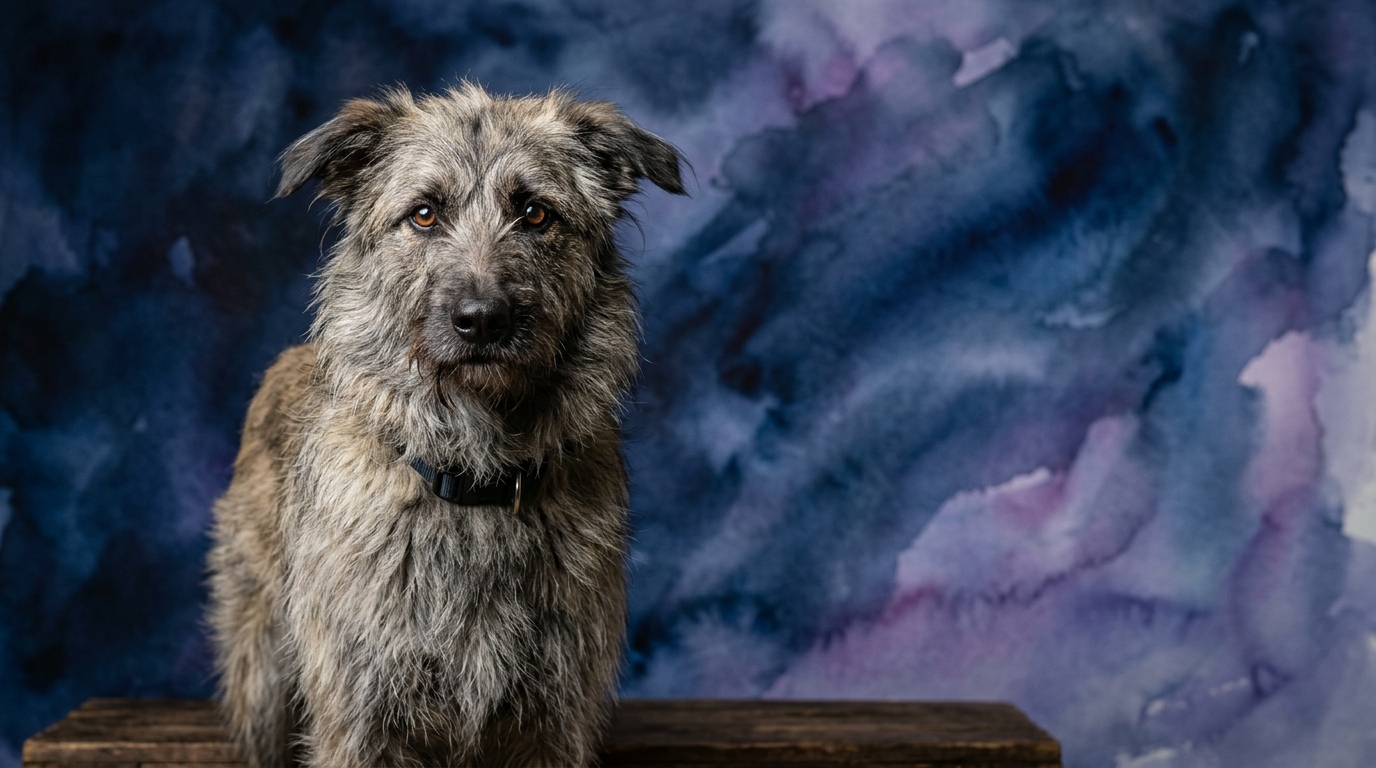
Hailing from the Herding group and not Coren-ranked, the Pyrenean Shepherd presents a different cognitive blueprint. Its Problem Solving stands at 3/5, suggesting practical intelligence geared towards its working environment rather than abstract challenges. Training Speed is 3/5, indicating a steady but not exceptionally rapid learning pace, often requiring patience. Social Intelligence, also 3/5, reflects a more independent nature, attentive to its handler but less overtly people-focused. Instinctive Drive, rated 3/5, is strongly channeled into herding, while Memory, at 3/5, serves its ability to recall flock patterns and boundaries.
Where Weimaraner wins cognitively
The Weimaraner's cognitive profile generally outpaces the Pyrenean Shepherd across our IQ dimensions. Its 4/5 Problem Solving score means it often anticipates outcomes and adapts quickly to changing scenarios, whether tracking game or learning complex agility. This dog's 4/5 Training Speed allows for rapid absorption of commands, making it adept at advanced obedience or specialized tasks. Furthermore, its 4/5 Social Intelligence makes it highly attuned to human emotions and intentions, fostering a deep partnership and responsiveness. The Weimaraner's exceptional 5/5 Instinctive Drive fuels an unparalleled intensity and focus, ensuring relentless effort in any task it undertakes, from retrieving to scent work. Its strong Memory (4/5) reinforces its capacity to build on past experiences, perfecting techniques.
Where Pyrenean Shepherd wins cognitively
While the Pyrenean Shepherd's overall IQ scores are numerically lower, its cognitive strengths are uniquely tailored to its historical role. Its Instinctive Drive, rated 3/5, is a powerful, focused force specifically honed for herding. This means its mental energy is channeled into discerning livestock movement, anticipating behavior, and working independently to manage a flock, a task requiring immense practical intelligence and self-reliance. This focused drive can be a "win" for owners seeking a dog with a clear, defined working purpose that requires less generalization of instinctual urges. Its 3/5 Social Intelligence, while lower, can translate into a desirable independence; it's attentive to its handler but less prone to being overly reliant or demanding. This makes it resilient and self-sufficient in its work. This breed's Problem Solving (3/5) and Memory (3/5) are optimized for real-world, dynamic situations found in herding, where quick, on-the-spot decisions about animal movement are paramount, showcasing a practical, adaptive intelligence crucial for its livelihood.
Which is easier to train and why
Based on our Cosmic Pet IQ Lab scores, the Weimaraner is generally easier to train than the Pyrenean Shepherd. Its 4/5 Training Speed indicates quicker uptake of new commands and a stronger desire to please, making initial obedience and complex task learning smoother. Weimaraners typically thrive on positive reinforcement and clear directives, eager to engage in structured learning. Their higher Social Intelligence (4/5) means they are often more attuned to their handler's cues, translating into greater responsiveness. In contrast, the Pyrenean Shepherd's 3/5 Training Speed suggests a more deliberate learning pace. While capable and willing, Pyr Sheps often require more repetition and a patient, consistent approach. Their 3/5 Social Intelligence, coupled with a history of independent herding, means they can sometimes be more opinionated and less overtly eager to comply with arbitrary commands, preferring to apply their problem-solving to tasks they deem intrinsically valuable. Training a Pyr Shep involves convincing them the task is worth their effort.
Which suits active owners vs relaxed owners
Neither the Weimaraner nor the Pyrenean Shepherd is suited for truly relaxed owners; both are working breeds with substantial physical and mental stimulation needs. The Weimaraner, with its 5/5 Instinctive Drive and 4/5 Problem Solving, demands highly active owners who can provide daily vigorous exercise, such as long runs, hiking, or intensive dog sports like agility or scent work. Their high social intelligence also means they thrive on being an integrated part of their family's activities, requiring consistent engagement. A less active lifestyle would lead to boredom. The Pyrenean Shepherd, while possessing a 3/5 Instinctive Drive, channels this energy into focused, intense bursts, particularly those involving herding simulations or dog sports. Owners must be prepared for regular, structured exercise that engages both its body and mind, often through activities like herding trials or rally obedience. While perhaps less overtly demanding of constant social interaction than a Weimaraner, a Pyr Shep still requires an owner committed to providing outlets for its innate herding instincts.
The Verdict
Choose a Weimaraner if you seek a highly trainable, socially engaged companion eager to participate in a wide range of intense activities, from hunting to competitive dog sports, and thrive on close human partnership.
Choose a Pyrenean Shepherd if you appreciate a resilient, independent working dog with a focused herding drive, and are prepared to engage its unique cognitive strengths in structured, purpose-driven activities.
🧠 Find Your Pet's IQ Score
Our Pet IQ Lab assessment covers 25+ tests across 5 cognitive dimensions — personalized to your breed.
Take the Full IQ Test →Frequently Asked Questions
How does the Weimaraner's high instinctive drive manifest in daily life?
The Weimaraner's 5/5 instinctive drive translates to an intense need for physical and mental exertion, often expressed through a powerful prey drive, a desire to retrieve, and boundless energy that requires consistent outlets. Without sufficient engagement, this drive can lead to restlessness or destructive behaviors.
Does the Pyrenean Shepherd's lower social intelligence mean it's not affectionate?
Not at all. A 3/5 social intelligence indicates a more independent nature compared to some breeds, but Pyr Sheps are deeply devoted to their families. Their affection may be expressed more subtly or selectively, forming strong bonds with their chosen humans while being reserved with strangers.
Can a Pyrenean Shepherd be a good family dog, given its working background?
Yes, a Pyrenean Shepherd can be a wonderful family dog for an active household that understands its working heritage. They thrive with consistent training, socialization, and outlets for their herding instincts, becoming loyal, protective, and playful companions, especially with older, respectful children.