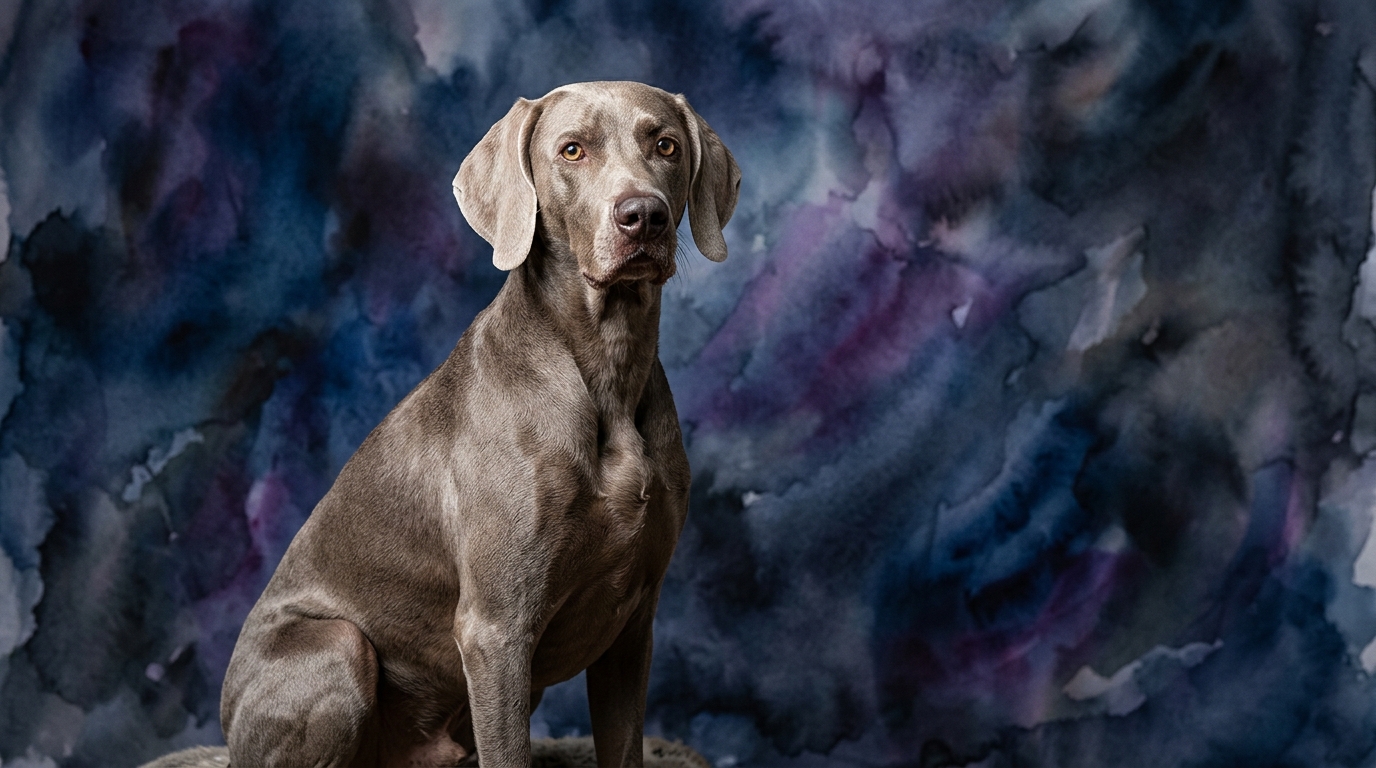
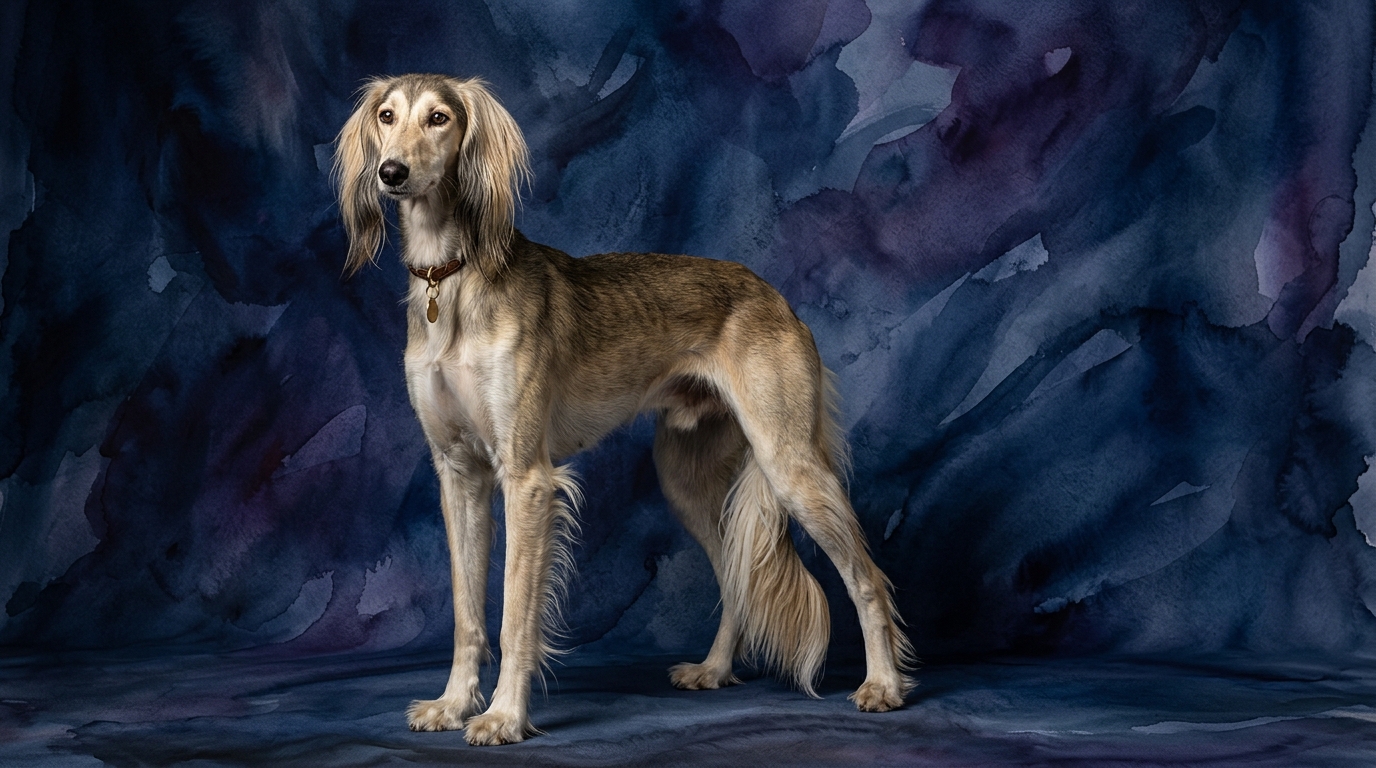
Side-by-Side Cognitive Profiles: Weimaraner vs. Saluki
To understand the unique mental landscapes of these two breeds, The Cosmic Pet Pet IQ Lab employs a five-dimensional cognitive assessment. The Weimaraner, a breed often recognized for its versatility and close human bond, scores consistently higher across several key areas, while the Saluki demonstrates a specialized intelligence honed by its historical purpose.
The Weimaraner’s Problem Solving ability rates at 4/5. These dogs exhibit a keen capacity for analytical thought, often devising strategies to overcome obstacles or achieve goals, whether it's figuring out a complex puzzle toy or navigating a new environment. Their Training Speed is also strong at 4/5, indicating a rapid grasp of new commands and a willingness to engage in structured learning sessions. Social Intelligence for the Weimaraner sits at 4/5, reflecting their attentiveness to human cues, emotional states, and a strong desire for collaborative interaction. Their Instinctive Drive, a robust 5/5, highlights an intense, sustained motivation for tasks, often channeling their hunting instincts into focused work. Finally, their Memory is rated at 4/5, allowing them to retain complex sequences, learned behaviors, and past experiences effectively.
In contrast, the Saluki’s cognitive profile leans towards independent specialization. Their Problem Solving score is 3/5, suggesting a more direct, less analytical approach to challenges, often relying on instinctual responses rather than elaborate strategizing. Training Speed for the Saluki is 3/5; while capable of learning, they may require more repetition and motivation due to their independent nature. Social Intelligence also registers at 3/5, indicating a more reserved disposition; they are affectionate but less overtly focused on human social dynamics or eager for constant collaborative engagement. The Saluki’s Instinctive Drive is 3/5, which, for a sighthound, points to a highly specific, burst-driven motivation primarily centered on chase, rather than a broad, sustained drive for varied tasks. Their Memory, at 3/5, is functional for routines and known environments but may not extend to the same depth of complex recall as the Weimaraner.
Where the Weimaraner Excels Cognitively
The Weimaraner’s superior cognitive scores translate into a distinct advantage in domains requiring active partnership and adaptable intellect. Their 4/5 rating in Problem Solving means they are adept at navigating novel situations, quickly assessing new environments, and creatively addressing challenges like opening latches or figuring out how to retrieve a toy from a difficult spot. This analytical capacity, coupled with their 4/5 Training Speed, makes them remarkably efficient learners, capable of mastering intricate command sequences and adapting to diverse training disciplines, from advanced obedience to complex field work. Their strong Social Intelligence (4/5) further enhances this, as they are exceptionally attuned to human communication, eager to please, and motivated by collaborative tasks. This breed thrives on mental engagement that involves working alongside their human companions, leveraging their robust 5/5 Instinctive Drive to sustain focus on shared objectives.
Understanding the Saluki’s Specialized Cognitive Strengths
While scoring lower in broad cognitive categories, the Saluki’s intelligence is deeply specialized, reflecting its ancient role as a desert hunter. Their 3/5 Problem Solving, though not about strategic planning in human terms, manifests as rapid, instinctual decision-making during a high-speed chase, anticipating prey movements and navigating terrain with breathtaking efficiency. Their 3/5 Instinctive Drive, while not broadly applied, is incredibly potent and focused when it comes to the pursuit of moving objects, a testament to centuries of sighthound breeding. This drive necessitates an independent mind, allowing them to operate autonomously in the field without constant human direction. The Saluki’s 3/5 Memory, while not as comprehensive as the Weimaraner's, is effective for recalling familiar routes, the location of resources, and the patterns of their environment, crucial for a dog that covers vast distances. Their reserved Social Intelligence (3/5) means they form deep bonds, but their affection is often expressed subtly, valuing companionship without the intense need for constant interaction or validation seen in more overtly social breeds.
Training Dynamics: Weimaraner vs. Saluki
When it comes to ease of training, the Weimaraner (Training Speed 4/5, Social Intelligence 4/5) generally presents a more straightforward experience for most owners. Their eagerness to please, coupled with their quick grasp of new concepts, means they readily engage in training sessions and pick up commands swiftly. They thrive on positive reinforcement and consistent structure, viewing training as a collaborative activity with their human partner. Their strong memory helps them retain learned behaviors over time, making them reliable in their responses once a command is established. This breed's high instinctive drive can be effectively channeled into various working roles, from hunting to agility, making them highly responsive to directed activities.
The Saluki (Training Speed 3/5, Social Intelligence 3/5), by contrast, can be more challenging to train due to their independent nature and specialized cognitive focus. They are not inherently motivated by the desire to perform for human approval in the same way a Weimaraner might be. Their problem-solving and instinctive drives are geared towards independent pursuit, requiring patience and creativity from their trainers. Salukis respond best to positive reinforcement, short, engaging sessions, and a deep understanding of their sighthound instincts. Owners must be prepared for a dog that thinks for itself, often weighing whether a command is worth their effort, rather than automatically complying. Consistency is paramount, and training must be framed in a way that appeals to their inherent motivations, often involving games or activities that mimic their natural chase drive.
Matching Canine Companions to Lifestyles
For active owners seeking a highly engaged and cooperative canine partner, the Weimaraner is an exceptional fit. Their boundless energy and 5/5 Instinctive Drive demand consistent physical activity, but their 4/5 Problem Solving and Social Intelligence mean they also thrive on mental stimulation and collaborative tasks like hiking, running, dog sports, or scent work. They are happiest when intricately involved in family life, requiring an owner who can dedicate significant time to their training and enrichment, channeling their intensity into productive outlets. A Weimaraner will become a shadow, eager to participate in every adventure and requiring constant interaction.
The Saluki, while also requiring specific forms of activity, suits a different kind of active owner. They need outlets for their powerful, burst-driven chase instinct, meaning secure areas for galloping at full speed are essential. However, once their exercise needs are met, they are typically calm and reserved indoors, making them suitable for owners who appreciate a quieter, more independent presence within the home. They are not as demandingly interactive as a Weimaraner, and while they enjoy companionship, they do not require constant, collaborative engagement. Owners who value grace, independence, and a less overtly 'people-pleasing' temperament, and who can provide safe, high-speed exercise opportunities, will find a rewarding companion in the Saluki.
The Verdict
Choose a Weimaraner if you seek a highly trainable, versatile, and devoted partner eager to share in all your activities and thrives on consistent mental and physical engagement.
Opt for a Saluki if you appreciate an independent, graceful companion, understand the specialized needs of a sighthound, and can provide outlets for their unique burst-driven athleticism.
🧠 Find Your Pet's IQ Score
Our Pet IQ Lab assessment covers 25+ tests across 5 cognitive dimensions — personalized to your breed.
Take the Full IQ Test →Frequently Asked Questions
Are Weimaraners difficult to live with due to their high drive?
Weimaraners possess a 5/5 instinctive drive and high energy, which means they require consistent mental and physical stimulation to prevent boredom and destructive behaviors. While not 'difficult,' they demand committed owners who can channel their drive into productive activities and provide ample exercise.
Do Salukis need extensive daily exercise like other active breeds?
Salukis require intense bursts of exercise, primarily opportunities to gallop at full speed in a secure area, rather than sustained, long-duration activities. Once these needs are met, they are typically calm indoors, making their exercise requirements different from, rather than necessarily more or less than, a Weimaraner.
Which breed is better for a first-time dog owner?
Neither breed is typically recommended for a completely novice owner without prior research and commitment to their specific needs. However, the Weimaraner's higher training speed and social intelligence can make them more responsive to guidance, potentially offering a slightly more forgiving learning curve for a dedicated first-time owner prepared for their energy.