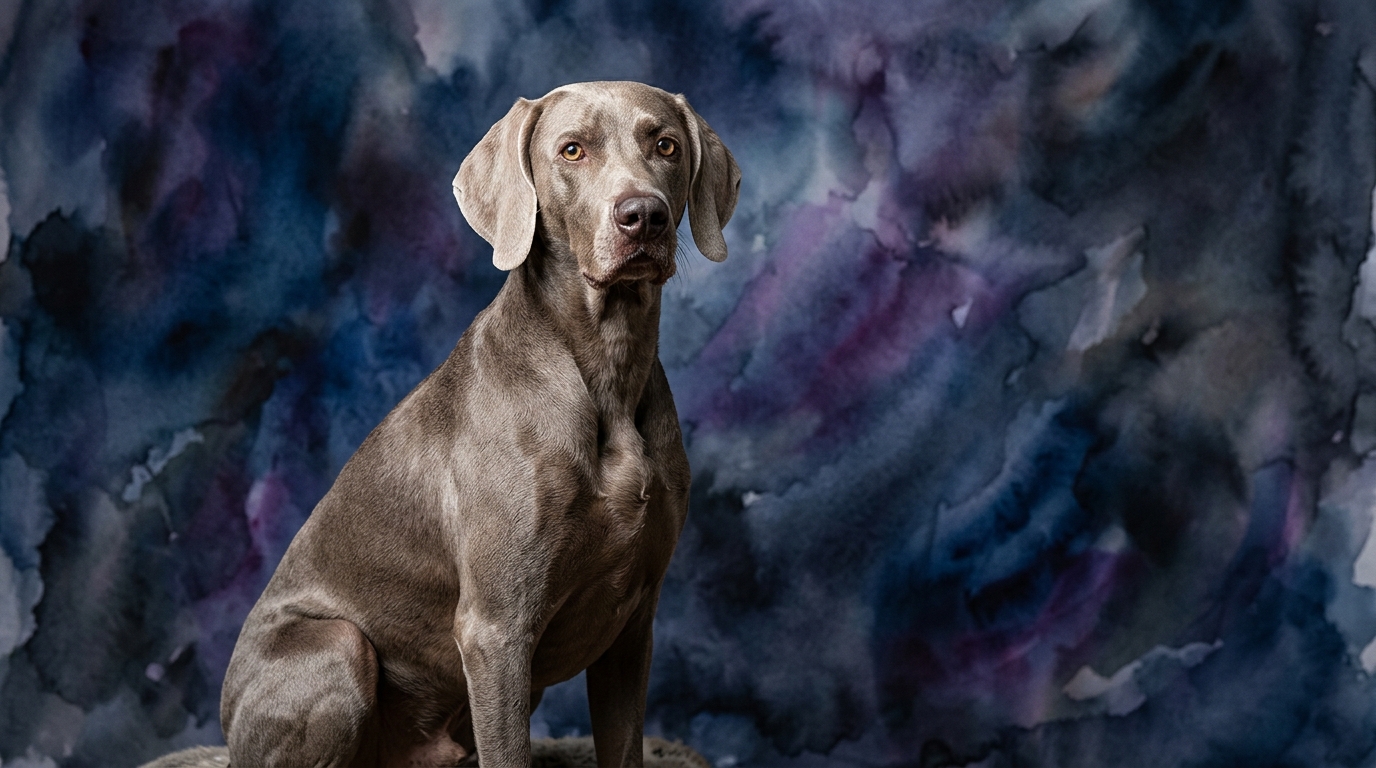
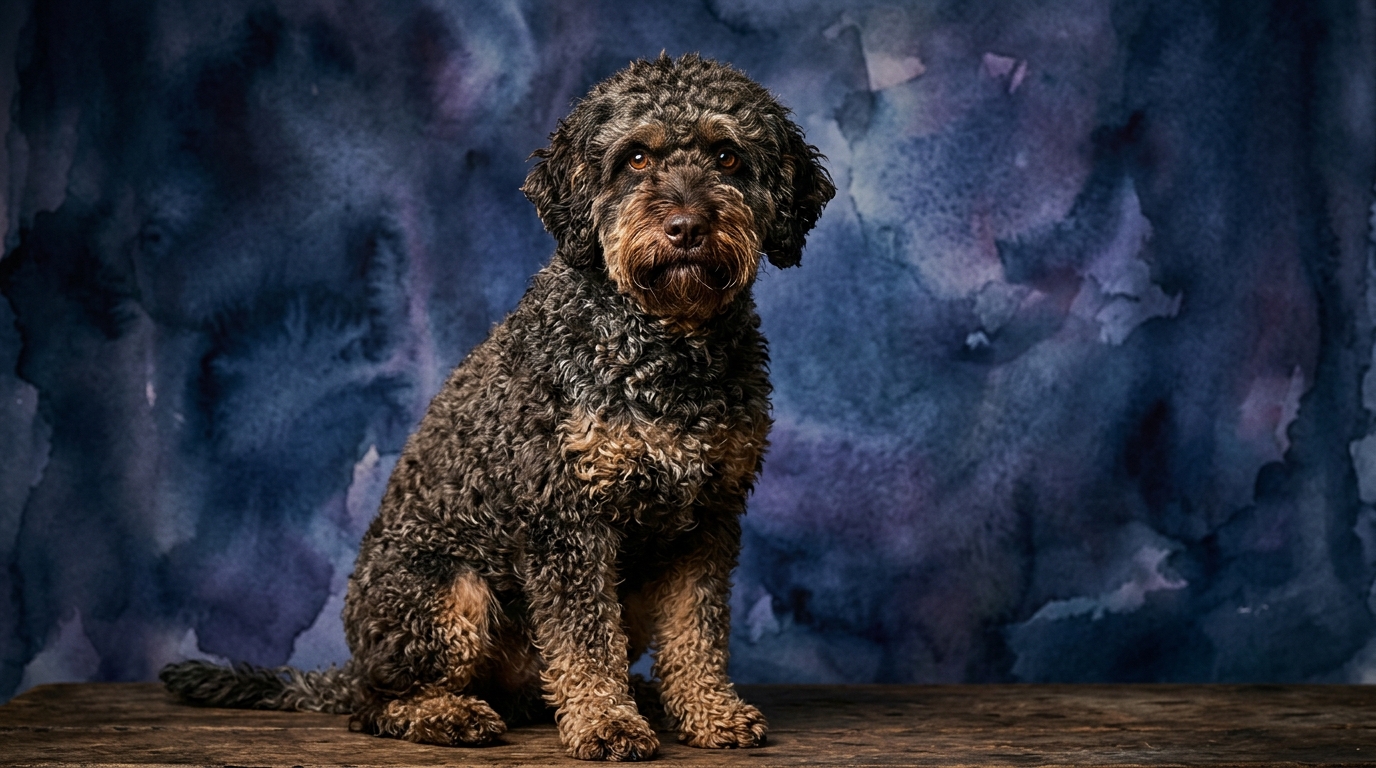
Side-by-Side Cognitive Profile: Weimaraner vs. Spanish Water Dog
The Cosmic Pet Pet IQ Lab evaluates canine cognition across five critical dimensions, offering a nuanced look at how different breeds process information and interact with their world. For the Weimaraner, a Sporting group member ranked #21 by Coren, its profile reflects a highly engaged and driven mind. Its Problem Solving ability is rated 4/5, indicating a capacity for navigating complex scenarios and learning multi-step tasks efficiently. Training Speed also scores 4/5, suggesting a quick grasp of new commands and a responsive nature during instruction. Social Intelligence, at 4/5, points to a strong awareness of human cues and a desire for close interaction. The Weimaraner’s Instinctive Drive is a robust 5/5, showcasing a powerful inherent urge for tracking and pursuit, deeply rooted in its hunting heritage. Finally, its Memory is rated 4/5, meaning it retains learned behaviors and associations over time with considerable accuracy.
In contrast, the Spanish Water Dog, a Herding group member without a specific Coren ranking, presents a profile of steady and independent cognition. Its Problem Solving ability is rated 3/5; while capable, this breed may require more structured guidance or simpler steps for intricate challenges compared to its Weimaraner counterpart. Training Speed also stands at 3/5, indicating that the Spanish Water Dog learns at a consistent pace, benefiting from patient, positive reinforcement and repetition to solidify new skills. Its Social Intelligence is rated 3/5, suggesting a loyal but sometimes reserved demeanor, particularly with strangers, forming deep bonds with its immediate family. The Instinctive Drive for the Spanish Water Dog is 3/5, reflecting a moderate but present herding and working impulse, rather than the intense predatory focus of a hunter. Lastly, its Memory is 3/5, meaning it capably stores information, though less frequently used commands might need occasional refreshers.
Where the Weimaraner Excels Cognitively
The Weimaraner's cognitive strengths are evident in its superior Problem Solving and Instinctive Drive. As a sporting breed developed for hunting, it possesses a remarkable ability to process environmental stimuli rapidly, making quick decisions in dynamic situations. This translates to an adeptness at scent work, tracking, and navigating varied terrains with purpose. Its 4/5 Problem Solving score means it often anticipates outcomes and can adapt strategies on the fly, a crucial skill for a dog expected to work independently yet cooperatively with a handler in the field. This breed excels at understanding complex sequences and spatial reasoning, making them adept at agility courses or retrieving tasks that involve multiple steps and obstacles.
Furthermore, the Weimaraner's 5/5 Instinctive Drive is a profound cognitive advantage when channeled appropriately. This isn't just about physical energy; it’s a mental focus that allows them to maintain concentration on a task, whether it's following a scent trail or retrieving a downed bird. This drive fuels their persistence and endurance, enabling them to work for extended periods with unwavering attention. Their 4/5 Memory supports this, allowing them to recall specific locations of retrieves or complex commands learned in training, making them reliable partners in demanding activities where consistency is key. Their overall cognitive speed allows them to react swiftly to cues and environmental changes, displaying a mental agility that sets them apart.
Where the Spanish Water Dog Finds Its Cognitive Niche
While the Spanish Water Dog's IQ scores are generally lower than the Weimaraner's, its cognitive profile reflects a different kind of strength, particularly in its independent thought and resilience derived from its herding and water-retrieving background. Its 3/5 Problem Solving, though not as rapid, often involves a thoughtful, methodical approach. This breed was historically tasked with herding livestock across diverse landscapes and retrieving from water, requiring a capacity for independent decision-making when a handler was not directly present. Rather than instant compliance, they often process a command and then act, implying a cognitive flexibility to assess situations and apply learned behaviors within their own judgment.
The Spanish Water Dog’s 3/5 Social Intelligence, while perhaps appearing reserved, fosters a deep, focused loyalty within its family unit. This selective social engagement means they often form particularly strong, nuanced bonds with their trusted humans, leading to subtle communication and a robust understanding of their inner circle's routines and moods. Their moderate 3/5 Instinctive Drive, in contrast to the Weimaraner's intense focus, can be a cognitive benefit for owners who desire a working dog without the extreme, often overwhelming, prey drive. This allows their drive to be directed towards herding games, scent work, or water activities in a more manageable way, requiring a different kind of mental engagement that is less about singular pursuit and more about adaptable task completion. Their memory, while also 3/5, is sufficient for retaining the consistent routines and commands essential for a working companion.
Ease of Training: Weimaraner vs. Spanish Water Dog
When considering ease of training, the Weimaraner generally presents as the more straightforward student due to its higher Training Speed (4/5) and Problem Solving (4/5) scores. This breed typically grasps new commands quickly, often with fewer repetitions, and demonstrates a strong desire to work cooperatively with its handler. Their high instinctive drive, while requiring an outlet, can be effectively channeled into structured training, making them eager participants in activities like obedience, agility, or field work. Weimaraners respond well to clear, consistent instruction and thrive on mental engagement that challenges their quick minds, making them appear to 'learn for the sake of learning' when properly motivated.
The Spanish Water Dog, with a Training Speed of 3/5, requires a more patient and consistent approach. Their independent herding background means they are not always instinctively inclined to comply immediately; they may take a moment to process or decide if a command aligns with their current assessment of a situation. This isn't a lack of ability, but rather a different cognitive style that values independent thought. Owners will find success with positive reinforcement, short, engaging training sessions, and breaking down complex tasks into smaller, achievable steps. While they may not pick up new skills as rapidly as a Weimaraner, their retention is solid with regular practice, and they can excel in various dog sports once the foundation is firmly established, often showing tenacity in tasks they understand and enjoy.
Suitability for Active vs. Relaxed Owners
Neither the Weimaraner nor the Spanish Water Dog are suited for truly relaxed or sedentary owners; both are working breeds with significant needs for physical activity and mental engagement. However, their specific cognitive profiles suggest different intensities and styles of activity. The Weimaraner, with its 5/5 Instinctive Drive and high scores across the board, demands an owner who is prepared for an extremely active and mentally stimulating lifestyle. They require daily vigorous exercise, such as long runs, intense fetching, or structured dog sports, to prevent boredom and destructive behaviors. Their quick minds also need constant challenges through advanced training, puzzle toys, and interactive play. An owner who enjoys intense outdoor activities, hunting, or competitive dog sports will find a highly engaged and capable partner in a Weimaraner.
The Spanish Water Dog, while also an active breed, might be better suited for owners who are consistently active but perhaps not at the same intense, driven pace as required by a Weimaraner. Their 3/5 Instinctive Drive suggests they enjoy work and activity, but may not possess the same relentless pursuit. They thrive on regular walks, hikes, swimming, and herding games, which provide both physical exertion and mental stimulation. Their independent nature means they can be content with slightly more self-directed play and exploration, though they still benefit immensely from structured activities like obedience, agility, or water work. An owner who appreciates a resilient, thoughtful companion for consistent outdoor adventures and engaging, but not necessarily high-octane, mental tasks would align well with a Spanish Water Dog.
The Verdict
Choose a Weimaraner if you seek a highly responsive, driven canine partner for intense sports, hunting, or complex training, and are prepared to provide extensive daily mental and physical engagement.
Opt for a Spanish Water Dog if you appreciate a resilient, thoughtful, and independent working dog, ready for consistent training and a more self-directed active lifestyle without the extreme intensity.
🧠 Find Your Pet's IQ Score
Our Pet IQ Lab assessment covers 25+ tests across 5 cognitive dimensions — personalized to your breed.
Take the Full IQ Test →Frequently Asked Questions
Which breed requires more mental stimulation?
The Weimaraner generally requires more intense and varied mental stimulation due to its higher problem-solving abilities and strong instinctive drive. Owners must provide consistent challenges to keep their sharp minds engaged.
How do their instinctive drives impact daily life?
The Weimaraner's powerful 5/5 instinctive drive translates to a strong prey drive, needing careful management and appropriate outlets like structured retrieve games. The Spanish Water Dog's 3/5 drive manifests as a moderate herding impulse, which might involve circling or nipping at heels, requiring consistent training to redirect.
Are Weimaraners or Spanish Water Dogs better for first-time owners?
Both breeds present challenges for first-time owners due to their working dog needs. Weimaraners are quicker to train but require intense commitment to their high drive, while Spanish Water Dogs need patient, consistent training to manage their independent nature. Neither is a low-maintenance choice.