Side-by-Side Cognitive Profiles: A Deeper Look
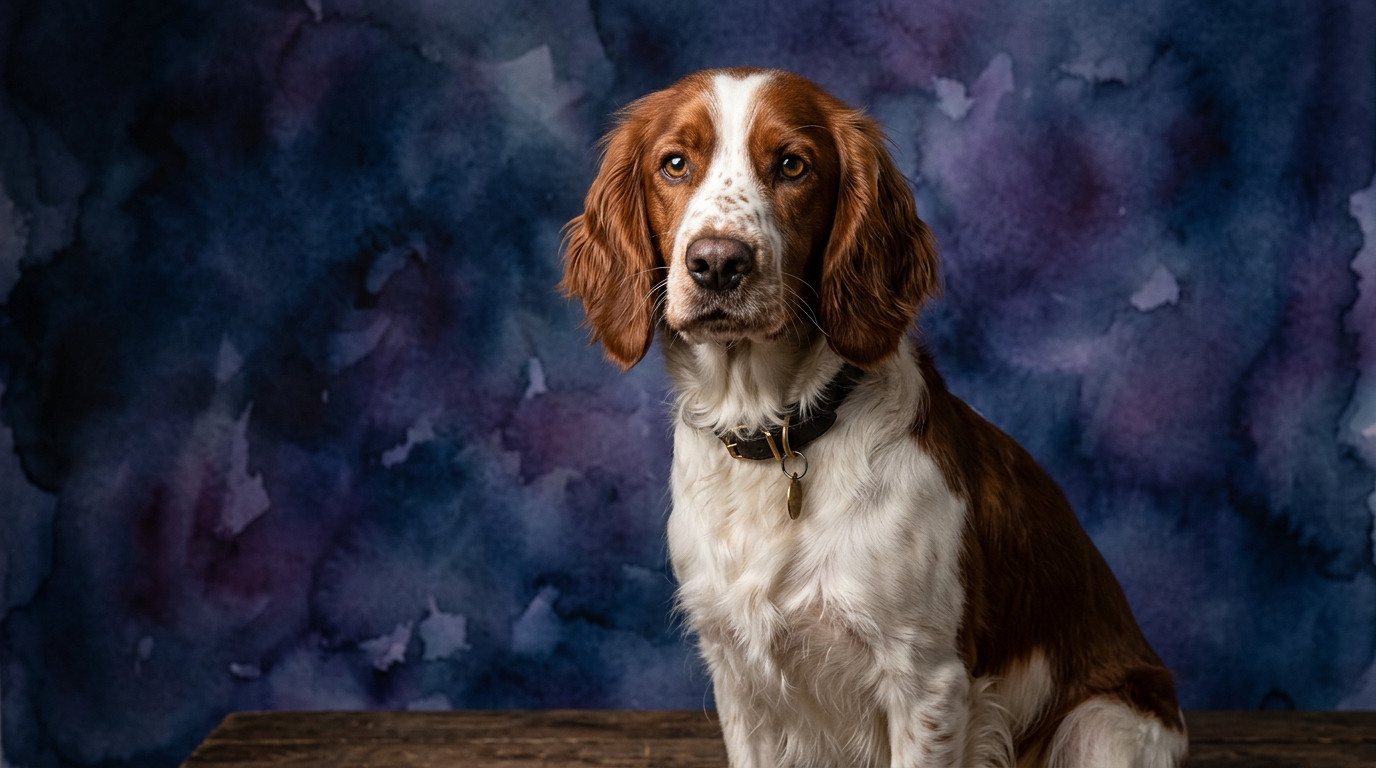
The Welsh Springer Spaniel (Sporting, Coren #31) showcases its Problem Solving ability (4/5) through complex scent work and navigating varied terrains, often requiring sequential steps and memory of previous successes. Its Training Speed (4/5) reflects an eagerness to learn and cooperate, quickly grasping new commands and routines in a partnership setting. Social Intelligence (3/5) means they are generally attuned to human moods and family dynamics, thriving on companionship and interaction. An Instinctive Drive (3/5) for retrieving and flushing shapes their focus and motivation during activities. Their Memory (4/5) allows them to retain intricate training sequences, remember locations of hidden objects, and recall past experiences with accuracy.
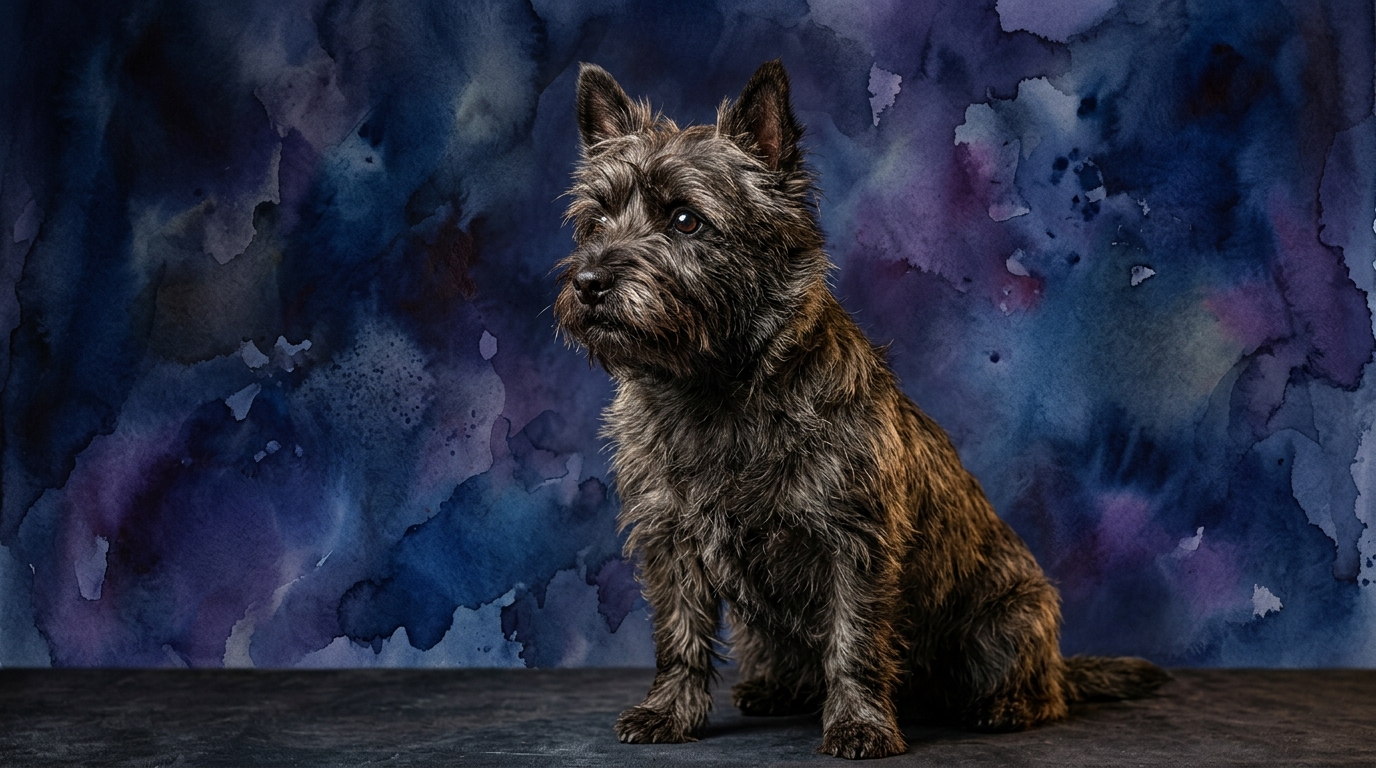
The Cairn Terrier (Terrier, Coren #35) demonstrates its Problem Solving (4/5) in its tenacity to overcome obstacles, whether digging under a fence or figuring out how to reach a hidden treat, reflecting a determined, independent approach. Its Training Speed (4/5) allows them to pick up commands swiftly, though their application can sometimes be selective, driven by their own immediate interests. Social Intelligence (3/5) manifests as a keen awareness of their immediate family unit and surroundings, often observing with a discerning eye rather than always seeking overt interaction. An Instinctive Drive (3/5) for chasing and digging is a defining trait, directing their cognitive energy towards exploration and pursuit of small “prey.” Their Memory (4/5) is robust, enabling them to recall complex routes, remember where they buried a toy, and retain the outcomes of past interactions.
Where the Welsh Springer Spaniel Shines Cognitively
Despite identical raw scores, the Welsh Springer Spaniel's cognitive strengths distinctly align with its Sporting heritage, excelling in cooperative problem-solving and sustained focus within a team dynamic. Its 4/5 Problem Solving score is often applied to intricate tasks like following multi-stage scent trails or performing complex agility sequences that require anticipating human cues and adapting in real-time. This breed's Social Intelligence (3/5) and Memory (4/5) combine to foster a strong working partnership, allowing them to anticipate a handler's next move and remember detailed instructions over extended periods. A Welsh Springer might recall a specific hand signal for a distant retrieve even after a distraction, demonstrating a blend of memory, problem-solving, and social attunement to its handler's intent, highlighting its cooperative cognitive profile.
Where the Cairn Terrier Excels Cognitively
The Cairn Terrier, while sharing the same IQ scores, manifests its cognitive prowess through a distinctly independent and resilient lens, characteristic of its Terrier lineage. Its 4/5 Problem Solving ability often translates into ingenious, self-directed strategies for navigating its environment or achieving a personal objective, such as accessing a forbidden area or outsmarting a puzzle toy through persistent effort. The Cairn's Instinctive Drive (3/5) for hunting and digging means its cognitive resources are frequently dedicated to these pursuits, leading to creative solutions for excavation or tracking. Their Memory (4/5) is particularly sharp for remembering prime digging spots, locations of interesting smells, or past successful escapades, often without direct human instruction. This breed's cognitive wins lie in its ability to independently assess situations, make quick decisions, and apply its mental faculties with tenacious determination.
Training Dynamics: Welsh Springer Spaniel vs. Cairn Terrier
Both breeds boast an impressive Training Speed of 4/5, indicating they grasp new commands and concepts quickly. However, the experience of *training* them can feel quite different due to their underlying temperaments and motivations. The Welsh Springer Spaniel, as a Sporting dog, typically possesses a strong desire to please its handler and thrives on positive reinforcement within a collaborative framework. Their social intelligence, even at a 3/5, often inclines them towards working *with* their human, making them generally more compliant and eager to perform learned behaviors consistently in a formal setting. This inherent cooperativeness means that while they learn quickly, they are also often more willing to *execute* what they've learned reliably.
Conversely, the Cairn Terrier, despite its identical 4/5 Training Speed, often couples rapid learning with a more independent and sometimes stubborn streak, characteristic of terriers. They are quick to understand what is being asked but might weigh the command against their own immediate interests or perceived rewards. Their problem-solving skills might even be applied to “negotiating” commands or finding loopholes. While they learn commands efficiently, consistently reliable performance, especially in distracting environments, may require more patience, creativity, and a stronger emphasis on making training highly rewarding and engaging from their perspective. For owners, this means the Welsh Springer might offer a smoother, more straightforward training journey for traditional obedience, while the Cairn demands a more nuanced approach to motivation and consistency.
Lifestyle Suitability: Active vs. Relaxed Owners
Both the Welsh Springer Spaniel and the Cairn Terrier are active breeds that require regular mental and physical engagement, making them suitable for owners who appreciate an interactive companion. However, the *nature* of that activity differs significantly. The Welsh Springer Spaniel, with its Sporting background, flourishes with owners who enjoy structured activities like hiking, jogging, or participating in dog sports such as agility, obedience, or scent work. They thrive on having a “job” and appreciate companionship during their activities, making them ideal for individuals or families who want a canine partner for shared adventures and consistent interaction. Their need for physical exercise is matched by a desire for mental stimulation that involves working closely with their human.
The Cairn Terrier, while also active, often expresses its energy and cognitive drive through more independent exploration and terrier-specific activities. They need regular walks and playtime, but also benefit immensely from opportunities to dig in a designated area, chase toys, or explore a securely fenced yard, channeling their instinctive drives. Owners who appreciate a spirited, tenacious companion that enjoys independent investigation and can provide outlets for their natural instincts will find a Cairn a good fit. While they enjoy family interaction, their activity needs might lean more towards self-directed exploration and less towards constant, collaborative human-dog tasks compared to the Welsh Springer. Neither breed is suited for a truly sedentary lifestyle, but the *type* of active engagement each breed seeks varies.
The Verdict
Opt for a Welsh Springer Spaniel if you seek a cooperative, eager-to-please companion for shared activities like hiking, dog sports, or family adventures, where their problem-solving and memory shine in partnership.
Select a Cairn Terrier if you appreciate an independent, tenacious spirit that excels at self-directed problem-solving, and you can provide outlets for their natural instincts like digging and exploring.
🧠 Find Your Pet's IQ Score
Our Pet IQ Lab assessment covers 25+ tests across 5 cognitive dimensions — personalized to your breed.
Take the Full IQ Test →Frequently Asked Questions
Do Welsh Springer Spaniels or Cairn Terriers shed more?
Welsh Springer Spaniels have a moderate shedding coat that requires regular brushing to prevent mats, especially during seasonal changes. Cairn Terriers also shed moderately but have a wiry double coat that benefits from hand-stripping a few times a year to maintain texture and minimize loose hair.
Are these breeds good with children?
Both breeds can be good with children, especially when raised together and properly socialized. Welsh Springers are generally gentle and playful, while Cairns are sturdy and spirited, but require supervision to ensure respectful interactions due to their independent nature.
Which breed is more vocal?
Cairn Terriers are often more prone to barking, using their voice to alert to perceived threats or express excitement, a common terrier trait. Welsh Springers can be vocal, especially when excited or left alone for extended periods, but typically less persistently than a Cairn.