Side-by-Side Cognitive Profile: Welsh Springer Spaniel vs. Toy Fox Terrier
At The Cosmic Pet Pet IQ Lab, we evaluate canine intelligence across five key dimensions, offering a nuanced look beyond generalized notions. Understanding these profiles helps prospective owners align with a companion whose cognitive makeup suits their lifestyle.
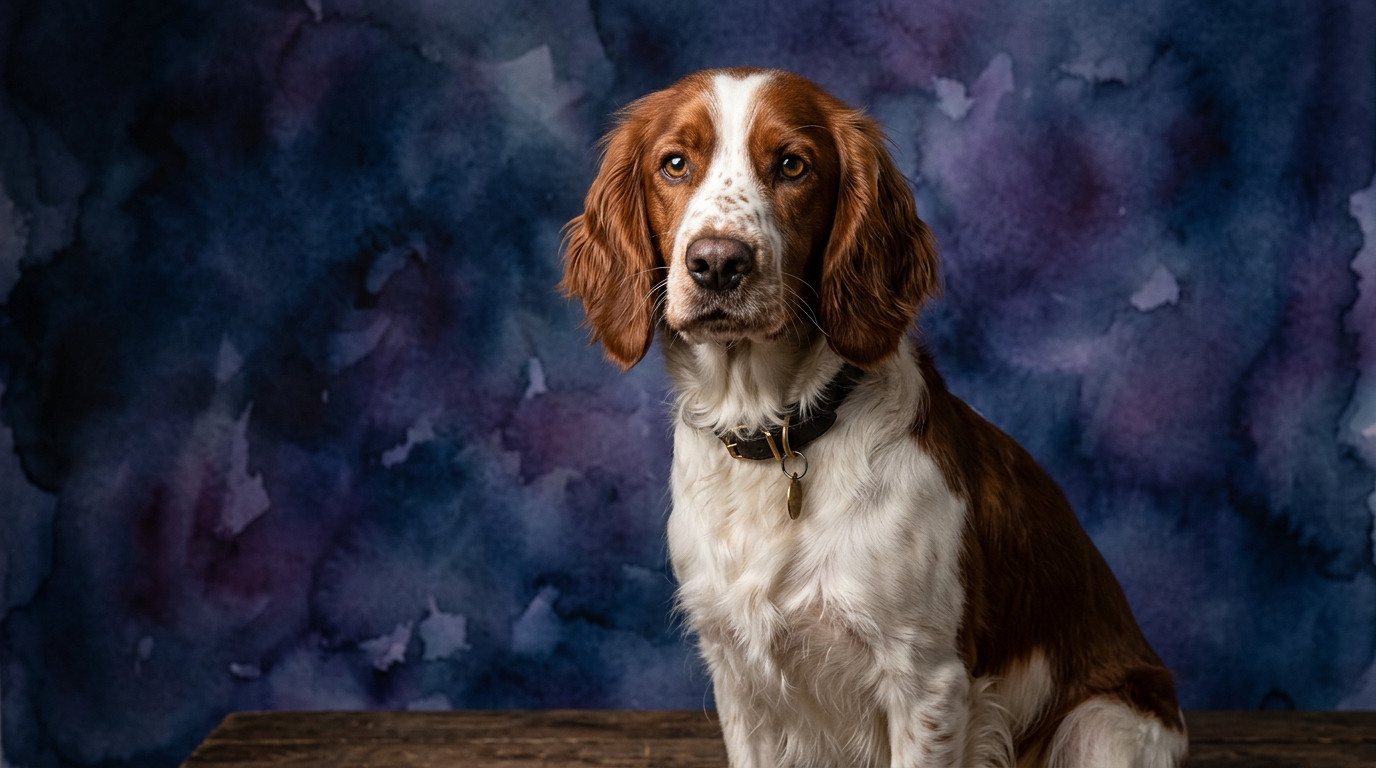
The Welsh Springer Spaniel, a Sporting Group member, exhibits a balanced and capable cognitive profile, reflecting its heritage as a versatile gundog. Their Problem Solving is rated 4/5, indicating an aptitude for navigating complex environments and figuring out how to achieve objectives, whether retrieving an object from a challenging spot or bypassing an obstacle. Training Speed is also strong at 4/5, showing a readiness to grasp new commands and routines efficiently, often driven by a desire to work alongside their human. Social Intelligence stands at 3/5, meaning they possess a moderate understanding of human cues and can form deep bonds, interpreting familiar emotions. Their Instinctive Drive is 3/5, retaining a notable inclination for sniffing, tracking, and retrieving, which influences their engagement with certain tasks. Finally, Memory is 4/5, demonstrating a solid ability to recall learned behaviors and past experiences over extended periods, contributing to consistent performance.
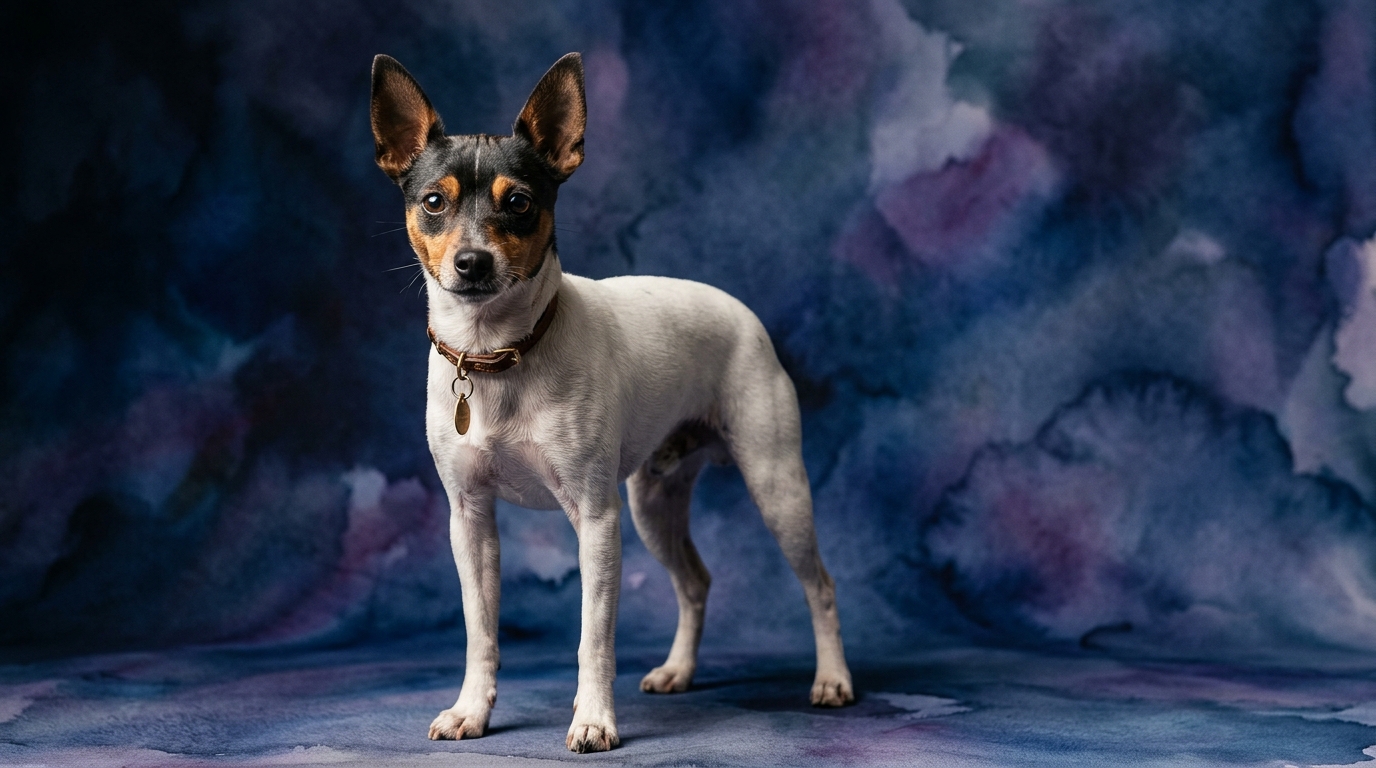
The Toy Fox Terrier, a member of the Toy Group and not Coren-ranked, presents a distinct cognitive makeup, typical of its feisty and alert terrier lineage. Their Problem Solving is rated 3/5, indicating they are capable of solving straightforward challenges, like finding a hidden treat or navigating simple puzzles, often with a focus on immediate rewards. Training Speed is 3/5, suggesting they learn at a moderate pace, requiring consistent and engaging methods to maintain their interest. Social Intelligence is 3/5, as they are observant of their family's moods and routines, forming close attachments and responding to familiar interactions within their intimate circle. Instinctive Drive is 3/5, maintaining a characteristic terrier prey drive, though typically directed at small rodents or toys, manifesting as spirited play. Memory is 3/5, possessing a reasonable recall for commands and routines, though perhaps requiring more frequent reinforcement compared to breeds with higher memory scores.
Where the Welsh Springer Spaniel Wins Cognitively
The Welsh Springer Spaniel consistently outscores the Toy Fox Terrier in several cognitive domains, largely due to its historical role demanding independent thought and sustained focus. Their superior Problem Solving (4/5 versus 3/5) means they are generally more adept at tackling intricate challenges, such as figuring out how to open a childproof gate or devising a strategy to retrieve a toy from under furniture. This stems from their heritage of working in varied terrain, requiring them to make decisions autonomously to flush and retrieve game.
Furthermore, their higher Training Speed (4/5 versus 3/5) indicates a greater capacity for quickly absorbing and executing new commands and complex sequences. Welsh Springers possess a strong cooperative drive, making them more receptive to instruction and eager to please, which translates into faster skill acquisition. This collaborative spirit, coupled with a robust Memory (4/5 versus 3/5), ensures that learned behaviors are retained with greater reliability. Once a Welsh Springer masters a command, it tends to stick, reducing the need for constant refreshers and making them highly consistent companions in various settings, from household routines to competitive dog sports.
Where the Toy Fox Terrier Excels Cognitively
While the Toy Fox Terrier's individual cognitive scores are generally lower or equal, their unique blend of terrier attributes translates into specific areas of cognitive strength. Their compact size and sharp awareness often give them an edge in hyper-vigilance and adaptability within a domestic environment. The Toy Fox Terrier's quick reflexes and keen observational skills, tied to their terrier heritage, make them exceptionally alert to subtle changes in their immediate surroundings, often noticing the rustle of a leaf or a distant sound before larger breeds.
This focused perception, combined with their moderate problem-solving, allows them to master the intricacies of a home environment with impressive speed, quickly learning household routines and identifying potential novelties. Their moderate instinctive drive, while not for large game, is highly adaptable to indoor 'prey' like squeaky toys or puzzle feeders, demonstrating a concentrated determination during play. This precise application of their cognitive abilities makes them excellent, alert house companions, adept at providing entertainment and watchful companionship without the broader, more complex cognitive demands of a sporting breed.
Ease of Training: Welsh Springer Spaniel vs. Toy Fox Terrier
When considering ease of training, the Welsh Springer Spaniel generally holds an advantage. Their higher Training Speed (4/5) and Problem Solving (4/5) mean they pick up new commands and complex sequences more readily than the Toy Fox Terrier. Welsh Springers possess a strong desire to please and a collaborative spirit, making them highly responsive to positive reinforcement and eager to work alongside their human. Their robust Memory (4/5) ensures that once a behavior is learned, it is retained, which significantly reduces the need for constant repetition and reinforces consistent performance in activities like obedience or agility.
The Toy Fox Terrier, with a Training Speed of 3/5, requires more patience and consistency in their training approach. Their independent terrier nature means that training sessions need to be highly engaging and fun to prevent boredom or stubbornness. While they can excel at specific tasks they find rewarding, such as trick training for treats, they may be less inclined towards repetitive obedience without clear and compelling motivation. For instance, house-training might demand stricter adherence to routine, and recall could require more intensive reinforcement due to their potential for distraction by small, moving objects.
Matching Breeds to Lifestyles: Active vs. Relaxed Owners
Choosing between these breeds also involves aligning their cognitive and physical needs with an owner's lifestyle. The Welsh Springer Spaniel is an ideal fit for active owners. Their sporting background means they thrive on consistent activity and mental engagement, requiring regular, vigorous exercise such as long walks, hikes, or swimming. They excel in dog sports like agility, obedience, or field trials, which provide essential outlets for their higher problem-solving and training speed. An owner who can provide consistent mental challenges, structured routines, and frequent opportunities for physical exertion will find a deeply fulfilled and responsive companion. Without sufficient outlets for their energy and cognitive capacity, a Welsh Springer might become restless or develop undesirable behaviors.
In contrast, the Toy Fox Terrier is better suited for more relaxed owners. While energetic for their size, their exercise needs are more modest than a sporting dog; daily walks and indoor play are typically sufficient to keep them content. They are often happy to cuddle on the sofa after a burst of activity, appreciating a warm lap and close companionship. Their moderate instinctive drive can be satisfied with interactive toys and shorter, engaging training sessions, making them a good fit for owners who enjoy bursts of playful interaction and companionship but do not necessarily seek a dog for extensive outdoor adventures or high-impact dog sports. They offer alert companionship without the intense demands of a high-drive working breed.
The Verdict
Opt for a Welsh Springer Spaniel if you seek a highly trainable, collaborative companion eager for consistent mental and physical challenges, thriving in an active household that values participation in dog sports or outdoor adventures. Their robust memory and problem-solving make them excellent partners for intricate tasks and reliable performance.
Select a Toy Fox Terrier if you desire a spirited, observant companion with a moderate activity level, fitting well into a home that appreciates bursts of playful energy followed by cuddle time, and where an owner enjoys engaging in fun, reward-based training. They offer alert companionship without the intense demands of a high-drive sporting breed.
🧠 Find Your Pet's IQ Score
Our Pet IQ Lab assessment covers 25+ tests across 5 cognitive dimensions — personalized to your breed.
Take the Full IQ Test →Frequently Asked Questions
Do Welsh Springer Spaniels bark a lot?
Welsh Springers can be vocal, especially if left alone for extended periods or if they detect unfamiliar activity, using their bark as an alert. Consistent training from a young age can help manage their vocal tendencies, ensuring they understand appropriate times to alert their family.
Are Toy Fox Terriers good with children?
Toy Fox Terriers can be good with older, respectful children who understand how to interact gently with a small dog, but their delicate size makes them less suitable for very young, boisterous kids. Early socialization with children is crucial to foster positive interactions, as they prefer calm and predictable environments.
How much grooming do these breeds require?
The Welsh Springer Spaniel requires regular grooming, including brushing several times a week to prevent mats in their feathered coat and occasional trims around the feet and ears. The Toy Fox Terrier, with its short, smooth coat, needs minimal grooming, typically just a weekly brush to remove loose hair and keep their coat shiny.