Side-by-Side IQ Profile
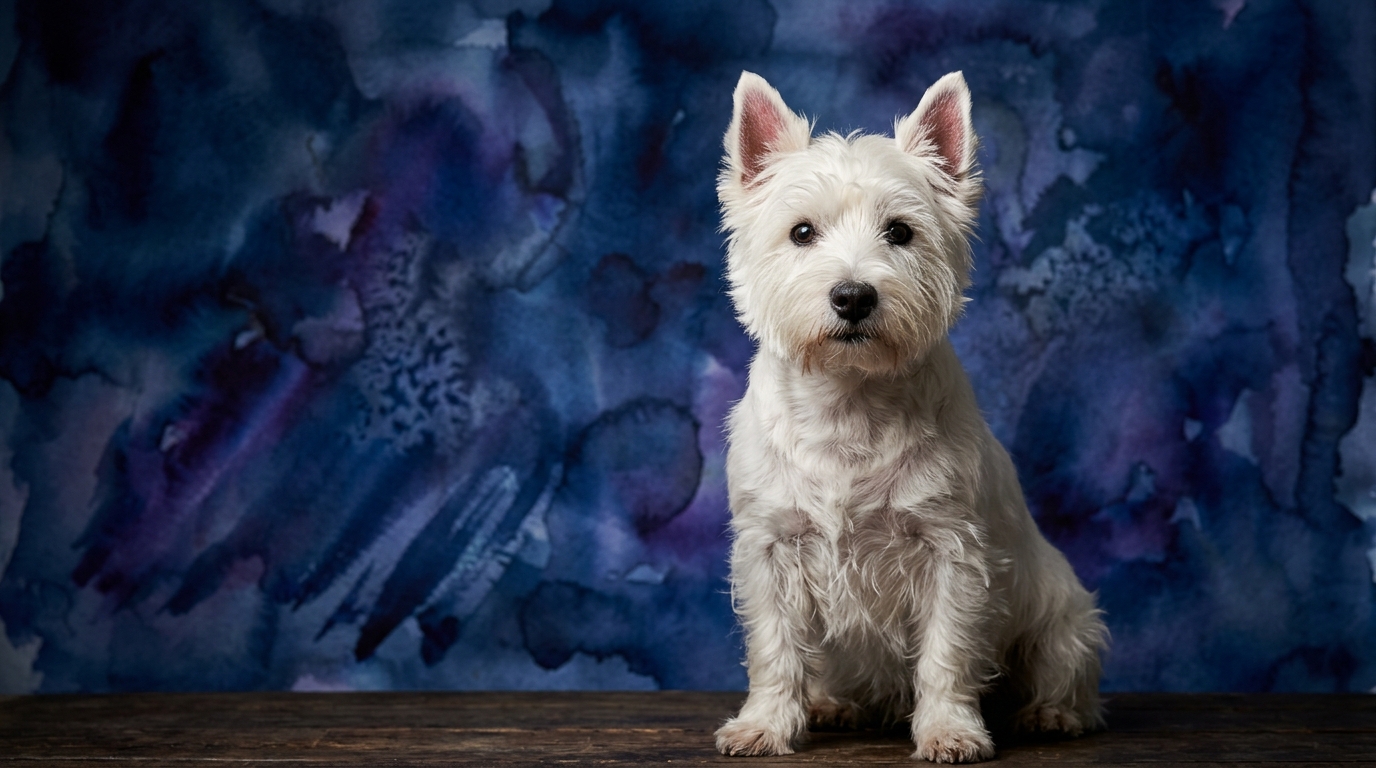
**West Highland White Terrier (Westie)**: Their cognitive profile is ranked #47 by Coren, indicating a solid foundation in working intelligence and obedience. **Problem Solving (3/5):** Westies show moderate problem-solving, often using trial-and-error to achieve goals or overcome obstacles, driven by their independent nature and curiosity. They can be creative in finding solutions, sometimes leading to mischief. **Training Speed (3/5):** These terriers learn new commands at a moderate pace, responding well to consistent, engaging positive reinforcement. Their independent streak means compliance requires patience and varied training methods to maintain their interest. **Social Intelligence (3/5):** Westies possess a balanced social intelligence, forming strong bonds and interpreting human cues within their family. While adaptable, their terrier assertiveness means they often have clear preferences in social interactions. **Instinctive Drive (3/5):** Their moderate instinctive drive stems from vermin hunting, manifesting as a keen prey drive, digging tendencies, and territoriality. These innate behaviors are central to their heritage. **Memory (4/5):** Westies exhibit notable memory, recalling commands, routines, and past experiences with considerable accuracy. This strong recall supports their ability to learn and adapt over time.
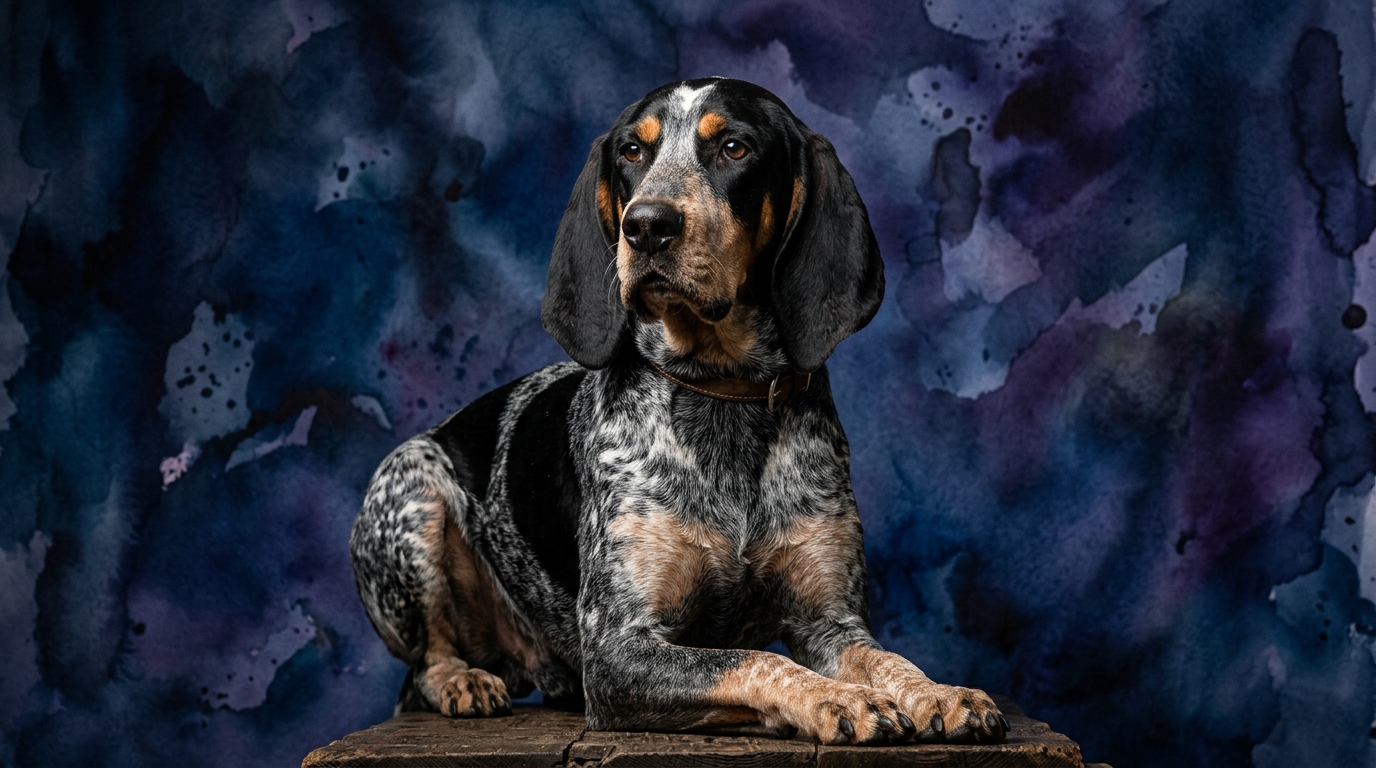
**Bluetick Coonhound**: This breed is not Coren-ranked, suggesting their cognitive strengths lie outside traditional obedience metrics, focusing instead on their specialized working abilities. **Problem Solving (3/5):** Bluetick Coonhounds demonstrate moderate problem-solving, particularly in navigating complex environments by interpreting scent trails. Their solutions are often instinct-driven, focusing on olfactory input to overcome obstacles. **Training Speed (3/5):** These hounds learn at a moderate pace, but their powerful scenting instincts can easily divert their focus from human commands. Successful training requires specific strategies that account for their profound sensory engagement. **Social Intelligence (3/5):** Blueticks show moderate social intelligence, forming deep bonds with their families and understanding emotional cues. Though amiable, their independent working nature means they may not constantly seek human interaction. **Instinctive Drive (3/5):** Their instinctive drive is profoundly specialized and potent, centered on trailing and baying game. This powerful drive dictates much of their behavior, compelling them to follow scents for extended periods with unwavering dedication. **Memory (3/5):** Bluetick Coonhounds exhibit moderate memory, recalling important scents, familiar routes, and consistent routines. Their memory often remains secondary to immediate sensory input when a strong scent captures their attention.
Where West Highland White Terrier Wins Cognitively
The West Highland White Terrier stands out with a superior memory score of 4/5, surpassing the Bluetick Coonhound’s 3/5. This enhanced recall allows a Westie to consistently remember a broader range of learned commands, routines, and specific locations over time. For owners, this means a dog that builds upon training more readily, retaining complex behaviors with greater ease. This cognitive advantage aids in tasks requiring sustained learned behavior rather than immediate, instinctual responses.
Their Coren ranking (#47) further suggests an aptitude for traditional obedience and cooperative learning, reflecting a general ability to understand and execute human directives in varied contexts. Their problem-solving, though rated similarly, often manifests in more varied contexts within a home environment, such as figuring out how to open a cupboard or retrieve a hidden toy, leveraging their stronger memory to refine these strategies.
Where Bluetick Coonhound Wins Cognitively
While not numerically superior in all IQ dimensions, the Bluetick Coonhound's cognitive strength lies in the *intensity and specialization* of its instinctive drive and problem-solving. Their 3/5 instinctive drive signifies an almost unparalleled dedication to scent work, a profound cognitive specialization for identifying, tracking, and following complex scent trails with immense focus and endurance.
Their problem-solving ability (3/5) is uniquely geared towards navigating challenging terrain and overcoming environmental obstacles solely to maintain a trail. This isn't about solving human-designed puzzles, but about intelligently interpreting a world of scent, making complex decisions about direction and persistence. This deep-seated, specialized intelligence allows them to excel in their intended role in ways few other breeds can match, demonstrating a unique form of cognitive mastery.
Which is Easier to Train and Why
For general obedience and household manners, the West Highland White Terrier is typically easier to train. Their superior memory (4/5) helps them retain lessons more effectively, building a stronger foundation of learned behaviors. Despite their independent spirit, Westies are generally more responsive to consistent, positive reinforcement, motivated by human interaction and varied rewards.
The Bluetick Coonhound presents different training challenges due to its powerful, specialized instinctive drive towards scenting. When an enticing odor is present, their focus on human commands can diminish significantly. Training a Bluetick requires understanding and respecting this profound drive, often necessitating specialized techniques that leverage their natural inclinations rather than trying to suppress them. Their learning is often best when directly tied to their olfactory capabilities.
Which Suits Active Owners vs Relaxed Owners
The West Highland White Terrier suits moderately active owners who enjoy regular walks, playtime, and mental stimulation. Their exercise needs are manageable for many living situations, including apartments, provided they receive daily outings and engagement. They thrive on interaction and can adapt well to a family that provides consistent attention and opportunities for both physical and cognitive activity, without requiring extreme athletic pursuits.
Conversely, the Bluetick Coonhound is unequivocally suited for highly active owners dedicated to providing extensive outdoor exercise and outlets for their potent scenting drive. These dogs require substantial physical activity, such as long hikes, runs, or dedicated scent work, to thrive both physically and mentally. A relaxed, sedentary owner would struggle to meet the Bluetick's profound need for activity and mental engagement related to their instincts, making them unsuitable for such lifestyles.
The Verdict
For those seeking a spirited, engaging companion with a strong memory and an aptitude for varied learned behaviors in a home setting, the West Highland White Terrier is an excellent choice.
If your lifestyle is defined by extensive outdoor activity, a passion for scent work, and a profound appreciation for a dog driven by ancient, specialized instincts, then the Bluetick Coonhound will be an incredibly rewarding, albeit demanding, partner.
🧠 Find Your Pet's IQ Score
Our Pet IQ Lab assessment covers 25+ tests across 5 cognitive dimensions — personalized to your breed.
Take the Full IQ Test →Frequently Asked Questions
Are Bluetick Coonhounds difficult to train for basic obedience?
Bluetick Coonhounds are not inherently difficult, but their intense scenting drive can make traditional obedience challenging, as they prioritize following a compelling odor over human commands. Consistent, patient training that incorporates their natural instincts and high-value rewards is crucial for success.
Do West Highland White Terriers require a lot of exercise?
Westies require regular, moderate exercise to stay healthy and mentally stimulated, including daily walks and playtime. While they are energetic, their needs are generally manageable for most active households and they can adapt to apartment living with sufficient outdoor activity.
Which breed is generally better with children?
Both breeds can be good with children with proper socialization and supervision, but Westies, with their moderate social intelligence and smaller size, are often perceived as more adaptable to family life. Blueticks are usually gentle but their powerful instincts and energy require careful management around very young children.