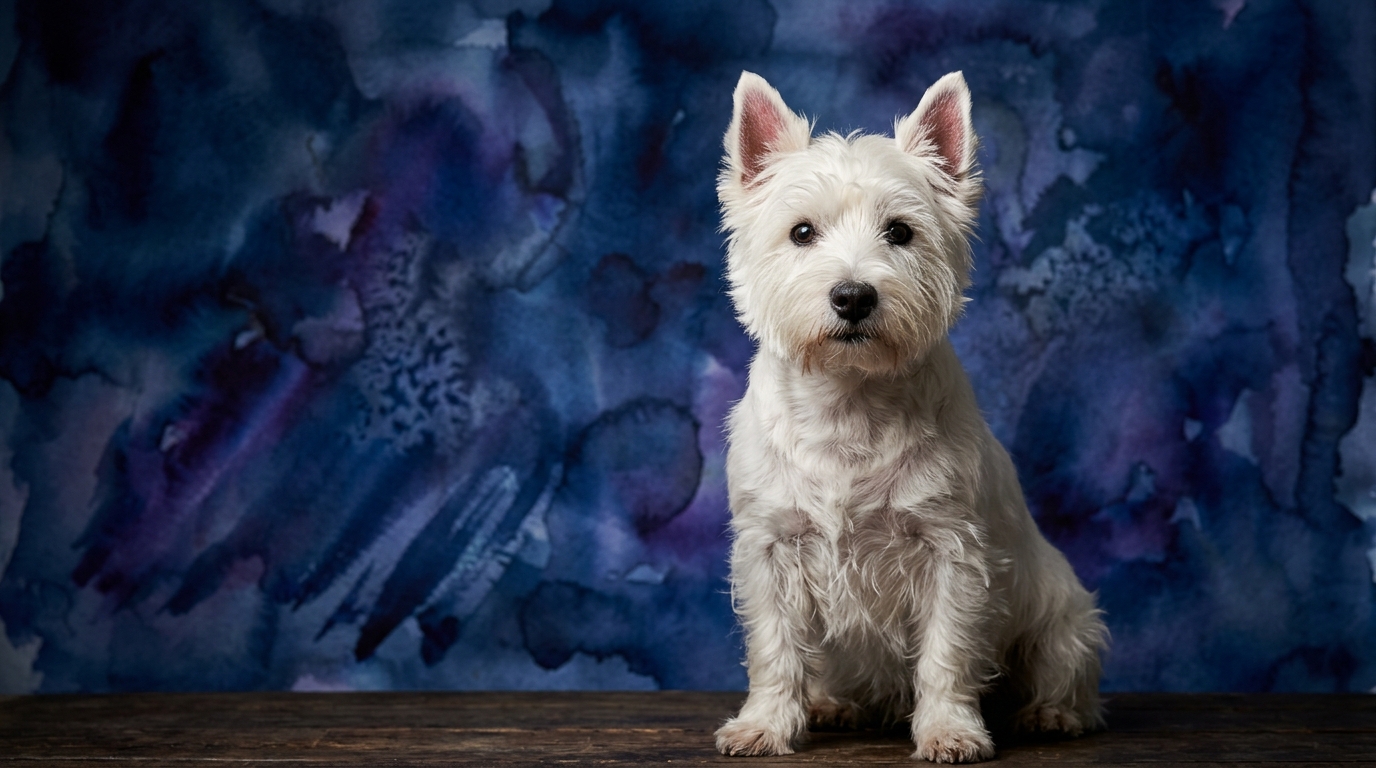
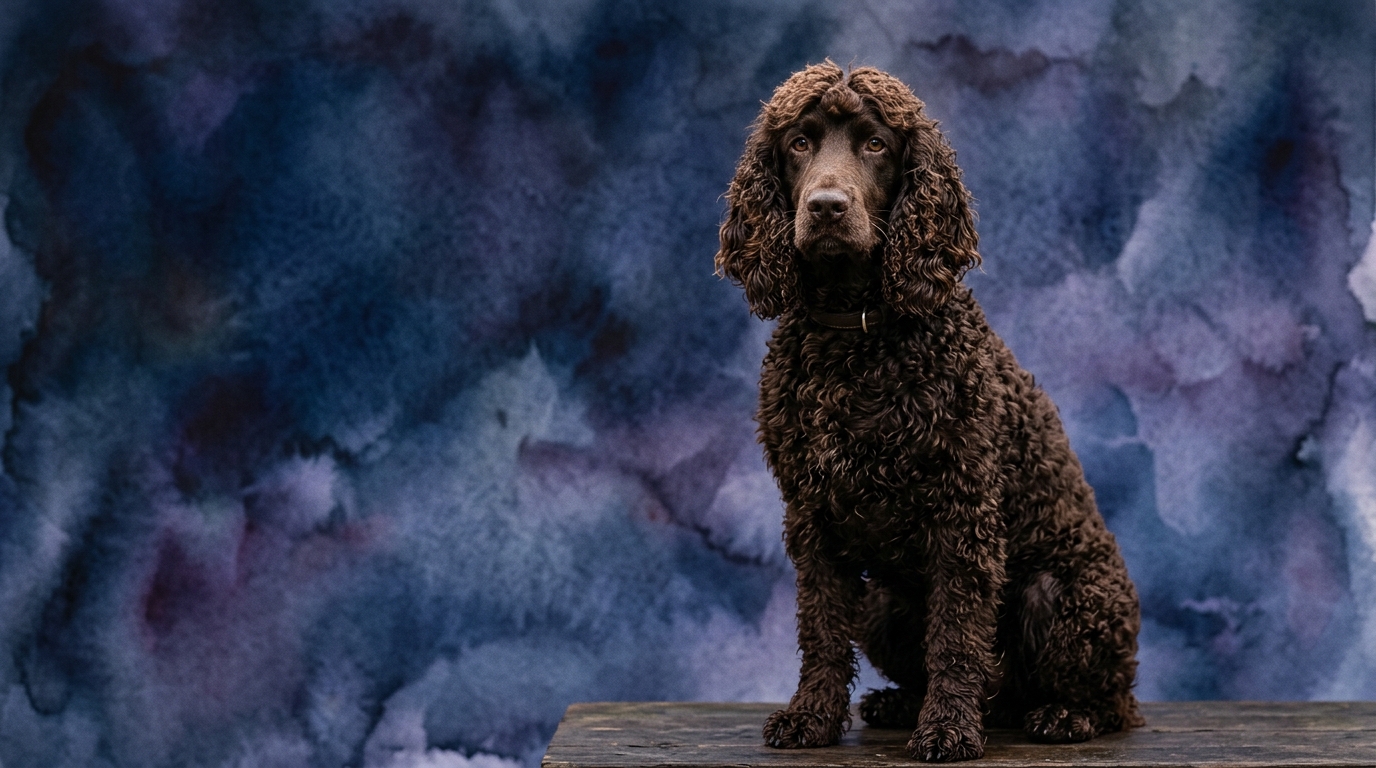
Side-by-Side IQ Profile: Westie vs. Irish Water Spaniel
The Cosmic Pet Pet IQ Lab provides a fascinating framework to understand canine cognition, breaking down intelligence into five key dimensions. For the West Highland White Terrier, its profile paints a picture of a capable yet independent thinker. Its Problem Solving is rated at 3/5, indicating an ability to tackle moderately complex tasks, often employing persistence and a characteristic terrier tenacity. Training Speed stands at 3/5, suggesting they learn new commands at a moderate pace, but their independent streak means consistent, engaging methods are crucial for compliance. Social Intelligence is 3/5; they understand pack dynamics and human cues within their familiar circle but can be discerning with strangers. Their Instinctive Drive, also 3/5, reflects a moderate prey drive from their vermin-hunting heritage, manifesting as an interest in chasing and digging. Finally, Memory is a strong 4/5, allowing them to retain learned commands, routines, and experiences effectively.
In contrast, the Irish Water Spaniel's cognitive blueprint leans towards rapid learning and resourceful problem-solving, befitting its sporting background. Its Problem Solving score is 4/5, demonstrating a strong aptitude for complex tasks, often combining logical thought with adaptability and initiative. Training Speed is also 4/5, indicating they pick up new commands quickly, eager to please and highly responsive to positive reinforcement, though they can become bored without stimulating instruction. Social Intelligence is rated 3/5; they are generally friendly and observant of human interactions, forming strong family bonds while potentially being reserved with new acquaintances. Their Instinctive Drive, a 3/5, highlights a robust retrieving drive, characteristic of a waterfowl dog, translating into enthusiasm for carrying objects and a strong urge to swim. Like the Westie, their Memory is an excellent 4/5, supporting their advanced training capabilities and ability to perform intricate sequences of tasks.
Where the West Highland White Terrier Wins Cognitively
While the Irish Water Spaniel may score higher in raw problem-solving, the West Highland White Terrier's unique cognitive victories are rooted in its application of problem-solving with distinct terrier tenacity. A Westie might not always find the most direct solution, but its sheer persistence and independent thought often lead to success through sheer will. This isn't just about speed; it's about an unyielding drive to achieve a goal, even if it means trying several approaches and refusing to give up. Their impressive 4/5 memory serves them exceptionally well, enabling them to recall past successes and failures, and to navigate familiar environments or routines with confident autonomy. This strong recall, combined with their moderate instinctive drive (3/5), means they remember the thrill of the chase or the satisfaction of a successful 'hunt' (even if it's just a toy). This reinforces their independent problem-solving efforts, allowing them to remember precisely where they buried a favorite toy weeks ago or the exact spot a squirrel usually appears, showcasing a practical application of memory intrinsically tied to their ancestral purpose.
Where the Irish Water Spaniel Wins Cognitively
The Irish Water Spaniel truly excels in areas demanding rapid assimilation of information and highly adaptable problem-solving. With a 4/5 in both problem-solving and training speed, they are adept at processing new commands and applying them to novel situations with impressive fluidity. Their cognitive strength lies in their ability to quickly grasp complex sequences and adjust their behavior based on feedback. This translates to an efficiency in learning advanced tasks, such as intricate obedience routines or field work that requires navigating varied terrain and retrieving specific items. Their quick processing allows them to learn from a single demonstration or a few repetitions, making them highly receptive to advanced training methodologies. Furthermore, their strong memory (4/5) perfectly complements their rapid learning, ensuring that once a lesson is learned, it is retained, allowing for the building of an extensive and reliable behavioral repertoire. Their social intelligence (3/5) also plays a crucial role here, as they are generally attuned to their handler's instructions and eager to collaborate, making the learning process a shared, productive endeavor.
Which is Easier to Train and Why
The Irish Water Spaniel generally presents as the easier breed to train, primarily due to its superior training speed (4/5) and problem-solving aptitude (4/5). These scores reflect a breed that is typically eager to please, quick to understand instructions, and highly motivated by interaction and reward. Their natural propensity for retrieving and working closely with humans means they are often more focused on the task at hand and less prone to independent diversions during training sessions. They respond well to positive reinforcement and can master complex commands and multi-step tasks with relative ease, making them excellent candidates for competitive obedience, agility, or field trials where precision and responsiveness are paramount. Their desire to be a working partner with their human drives their cooperative spirit in training.
In contrast, while the West Highland White Terrier also possesses a respectable training speed (3/5) and problem-solving ability (3/5), their training journey often requires more patience, creativity, and a deeper understanding of their independent spirit. Westies are independent thinkers, and their terrier heritage means they can be more inclined to follow their own instincts or explore interesting scents rather than immediately complying with a command. They understand what is being asked but may choose to evaluate if it aligns with their current interest or if a more compelling distraction is present. Training a Westie demands consistency, engaging methods, and a strong understanding of their independent spirit to channel their intelligence effectively, rather than relying solely on their desire to please. They will learn, but often on their own terms or when the reward is compelling enough to override their innate curiosity or stubborn streak, making the process a rewarding challenge for the right owner.
Which Suits Active Owners vs. Relaxed Owners
For active owners seeking a canine partner for adventures and structured activities, the Irish Water Spaniel is often the more suitable choice. Their strong instinctive drive (3/5) for retrieving, combined with their impressive problem-solving (4/5) and training speed (4/5), makes them ideal for owners who enjoy hiking, swimming, dog sports like agility or dock diving, and advanced obedience training. They thrive on mental and physical challenges, requiring consistent engagement to prevent boredom and channel their considerable energy. An owner who can provide ample opportunities for exercise, training, and a 'job' will find an IWS to be a dedicated and enthusiastic companion, channeling their energy and cognitive abilities into productive outlets. They excel when given purpose and thrive in environments where their intelligence is regularly stimulated through varied, engaging activities.
Conversely, while all dogs require consistent care and attention, the West Highland White Terrier might be a better fit for owners who appreciate a dog with a strong personality and independent streak, and whose activity levels are moderate rather than intensely athletic. Their moderate instinctive drive (3/5) for hunting and digging means they still require daily walks and mental stimulation, but they may be content with shorter, more frequent bursts of activity rather than sustained, high-intensity exercise. Owners who enjoy engaging their dog in puzzle toys, short, fun training sessions, and backyard play, and who appreciate a companion capable of entertaining itself for periods, might find a Westie a more harmonious match. Their self-reliant nature means they can be content observing their surroundings or engaging in independent exploration, making them suitable for owners who might not dedicate every free moment to structured dog activities, but still provide consistent care and attention and enjoy a dog with distinct character.
The Verdict
Choose the West Highland White Terrier if you value an independent, persistent companion with a strong memory and a charmingly stubborn streak, and are prepared for training that celebrates their unique terrier spirit.
Opt for the Irish Water Spaniel if you seek a highly trainable, problem-solving partner eager for engaging activities and advanced learning, thriving on a close working relationship with an active owner.
🧠 Find Your Pet's IQ Score
Our Pet IQ Lab assessment covers 25+ tests across 5 cognitive dimensions — personalized to your breed.
Take the Full IQ Test →Frequently Asked Questions
How do their problem-solving styles differ?
The Irish Water Spaniel often approaches problems with a rapid, adaptable, and logical sequence, leveraging their quick learning and eagerness to please. The West Highland White Terrier typically uses persistence and independent trial-and-error, driven by a tenacious terrier spirit to achieve their goal, even if it takes a more circuitous route.
Which breed is more likely to excel in dog sports?
The Irish Water Spaniel, with its higher training speed, problem-solving aptitude, and strong drive for activity, is generally more suited for competitive dog sports like agility, obedience, and dock diving. Westies can certainly participate and enjoy such activities, but may require more motivation and tailored approaches due to their independent nature.
How does their social intelligence impact family life?
Both breeds have a 3/5 social intelligence score, meaning they form strong bonds with family members and understand pack dynamics within their household. The IWS tends to be more overtly friendly and outgoing once comfortable, while the Westie might exhibit more reserved or assertive tendencies with new people or situations, requiring careful socialization from a young age to ensure positive interactions.