Side-by-Side Cognitive Profiles: Westie vs. Iggy
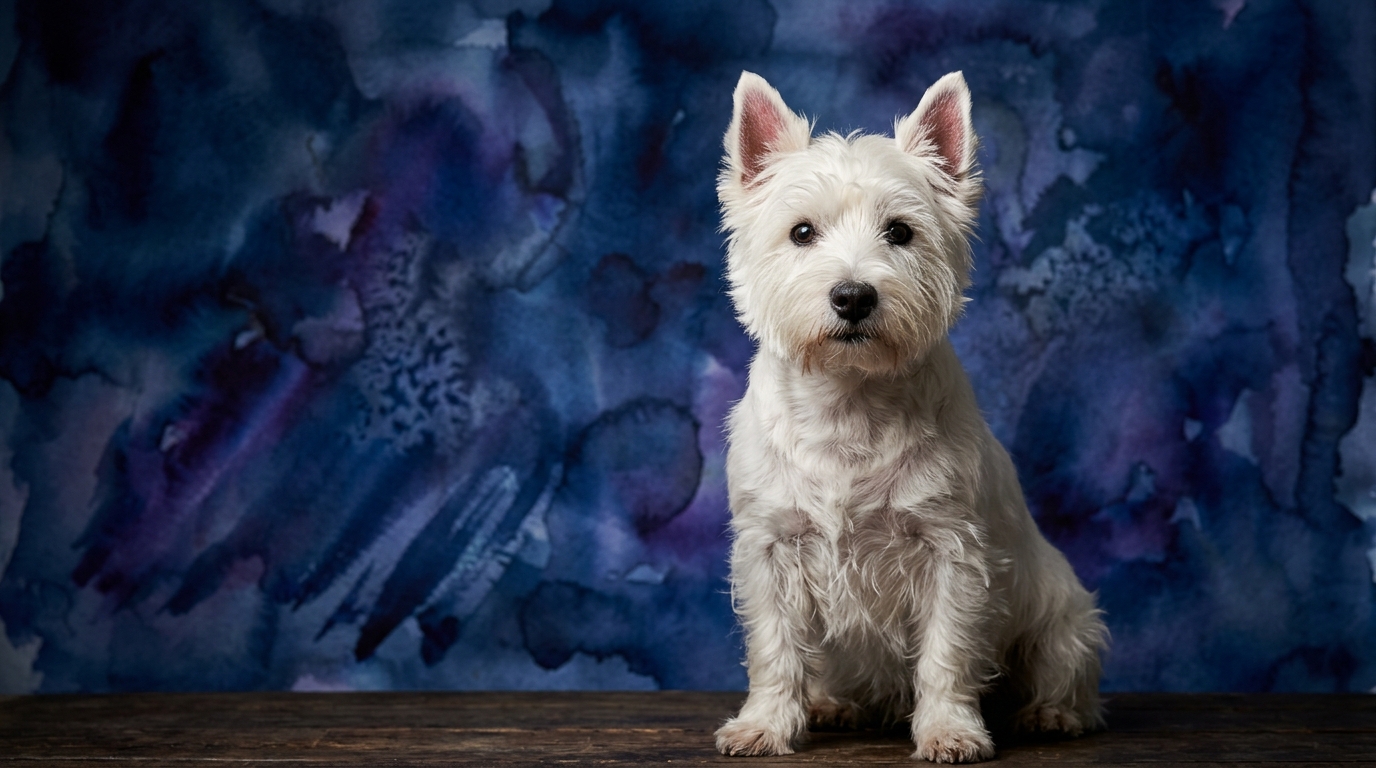
The West Highland White Terrier (WHWT), a compact dynamo ranked #47 by Coren, exhibits a robust cognitive profile rooted in its terrier lineage. Its Problem Solving at 3/5 reflects a keen, persistent mind, adept at figuring out how to achieve a goal, often involving creative approaches to access desired items or areas. Training Speed, also 3/5, indicates a breed capable of learning but one that thrives on engaging, varied sessions rather than rote repetition, often requiring handlers to make learning feel like a collaborative game. Social Intelligence at 3/5 suggests a perceptive nature, capable of forming deep bonds with its family while maintaining a degree of independent spirit, sometimes appearing aloof with strangers. An Instinctive Drive of 3/5 speaks to its historical role, manifesting as a strong desire to dig, chase, and explore, driven by an innate curiosity for its surroundings. Crucially, the Westie's Memory shines at 4/5, enabling it to retain commands, routines, and experiences effectively, making learned behaviors durable over time.
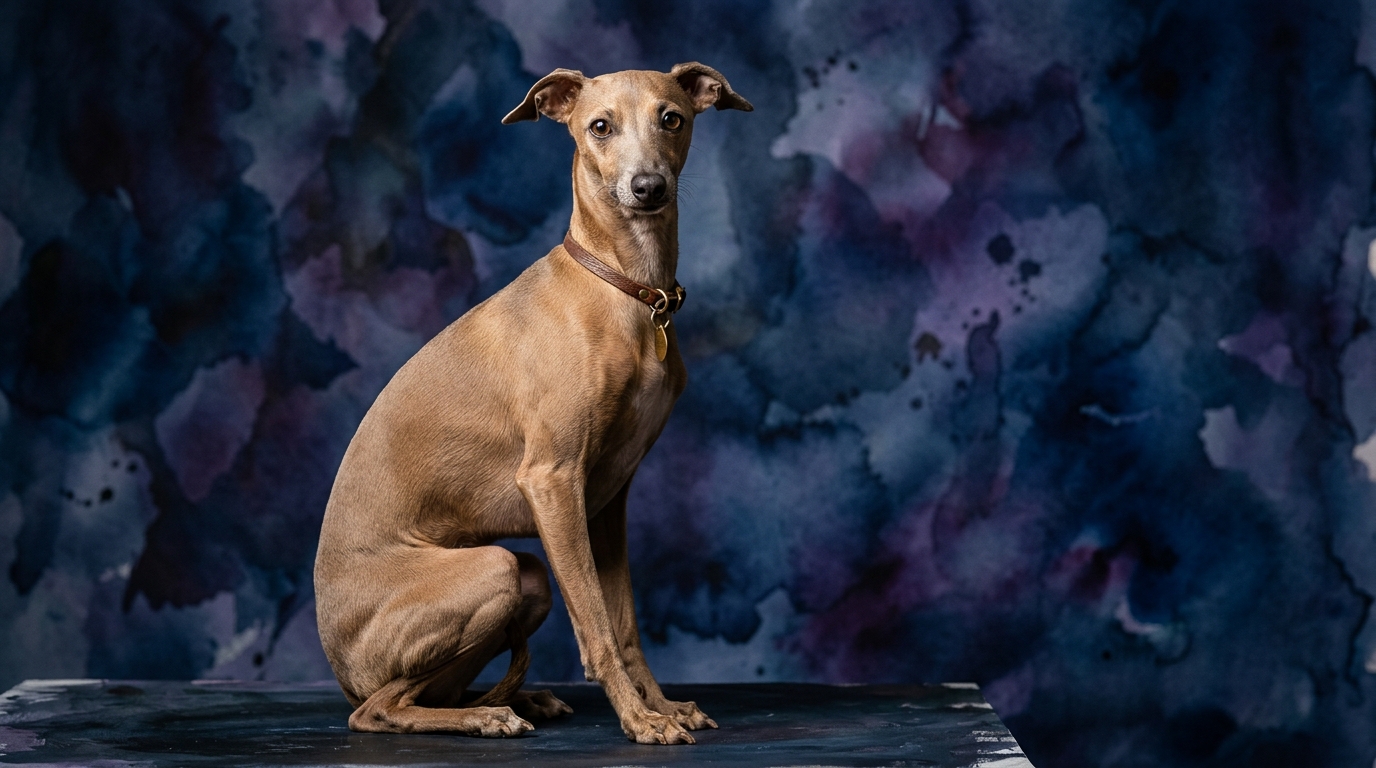
The elegant Italian Greyhound (IG), while not Coren-ranked, presents a distinct cognitive makeup shaped by its sighthound heritage and centuries of companionship. Its Problem Solving, rated 3/5, often manifests in clever ways to secure comfort or attention, such as strategically positioning itself for warmth or subtly communicating needs rather than complex task completion. Training Speed, also 3/5, highlights a sensitive learner that responds best to positive reinforcement and gentle guidance; harsh methods can lead to shutdown or resistance. Social Intelligence at 3/5 reveals a breed that typically forms intense, affectionate bonds with its inner circle, often displaying a nuanced understanding of their human’s moods, yet can be reserved or shy around unfamiliar faces. Its Instinctive Drive, also 3/5, is primarily expressed as a powerful chase instinct, characteristic of sighthounds, coupled with a desire for warmth and soft spaces, rather than the terrier's digging impulse. The Italian Greyhound's Memory, at 3/5, allows it to learn and follow routines and specific cues, though consistent reinforcement is key to prevent learned behaviors from fading without regular practice.
Where the West Highland White Terrier Shines Cognitively
The West Highland White Terrier's cognitive strengths are deeply intertwined with its history as a working terrier, where persistence and an excellent memory were paramount for survival and success. With a Memory score of 4/5, the Westie holds a distinct advantage over the Italian Greyhound's 3/5. This superior recall means a Westie is more likely to remember complex sequences of commands, the layout of its territory, and the specific rules of the household over longer periods, even with less frequent reinforcement. Their 3/5 Problem Solving, combined with this memory, translates into a resilient approach to challenges; they will often revisit a puzzle or a desired object repeatedly, drawing on past attempts and successes to refine their strategy. For instance, a Westie might remember exactly where a treat was hidden days ago or recall a specific method for nudging open a cabinet door they once breached. This cognitive tenacity, fueled by their instinctive drive, allows them to master intricate tricks or agility courses with a lasting retention that can be truly impressive for a breed of its size.
Where the Italian Greyhound Excels Cognitively
The Italian Greyhound, while possessing similar 3/5 scores across several cognitive dimensions to the Westie, brings a unique blend of sensitivity and social awareness to its intellectual toolkit. Its 3/5 Social Intelligence, though numerically identical to the Westie's, often manifests with a different depth and nuance, particularly within its established family unit. Iggies are renowned for their profound emotional attunement to their human companions, frequently anticipating needs or mirroring moods with subtle cues. This can be seen in their uncanny ability to offer comfort when a family member is distressed or to subtly solicit attention when their human is relaxed. Their 3/5 Problem Solving, while not focused on digging or chasing small game, is often creatively applied to optimize their comfort and social interactions. An Italian Greyhound might ingeniously stack pillows to create the perfect sunbathing spot or devise elaborate methods to get under a blanket on a cold day, demonstrating a practical application of their wits. This breed's sensitive nature means they process social cues and environmental changes with a fine-tuned perception, often reacting to subtle shifts in tone or body language that might go unnoticed by a more robust, independent breed.
Training Dynamics: Westie's Tenacity vs. Iggy's Sensitivity
When it comes to trainability, both the West Highland White Terrier and the Italian Greyhound register a 3/5 for Training Speed, indicating that neither is inherently a 'fast-track' learner, but their approaches to training differ significantly due to their underlying behavioral traits. The Westie, with its terrier spirit and 3/5 Instinctive Drive, brings a certain independence and tenacity to the training ring. They are capable of learning a wide array of commands and behaviors, thanks in part to their 4/5 Memory, which ensures good retention. However, their drive means they can be easily distracted by scents or movement, and their problem-solving nature might lead them to test boundaries or find alternative 'solutions' if not consistently engaged. Training a Westie requires patience, consistency, and making the process feel like a stimulating game rather than a chore; they respond well to positive reinforcement and varied exercises that challenge their minds. In contrast, the Italian Greyhound's training is profoundly influenced by its sensitive temperament. While also scoring 3/5 for Training Speed, Iggies are prone to shutting down or becoming anxious if training methods are harsh or inconsistent. They excel with gentle, positive reinforcement, short sessions, and a focus on building trust. Their strong social bonds and desire to please their primary caregiver can be powerful motivators, but their 3/5 Memory means that learned behaviors may require more consistent refreshing to remain solid. House training can be a particular challenge for Italian Greyhounds due to their small bladders and aversion to cold or wet weather, often requiring dedicated effort and patience. Ultimately, the Westie's training journey is about channeling its robust independence, while the Iggy's is about nurturing its delicate sensibility.
Lifestyle Match: Active Adventurer vs. Elegant Companion
Choosing between a West Highland White Terrier and an Italian Greyhound often comes down to matching their unique energy levels and social preferences with an owner's lifestyle. The Westie is an ideal companion for active owners who relish outdoor adventures and enjoy engaging in stimulating play. Their 3/5 Instinctive Drive means they thrive on activities that allow them to explore, dig (in designated areas!), and chase, making them excellent partners for long walks, hiking on trails, or even earthdog trials. They possess a sturdy build and a resilient spirit, eager to participate in family excursions and requiring consistent mental and physical stimulation to prevent boredom and channeling their problem-solving into constructive outlets. Owners who appreciate a dog with a robust personality, a penchant for playful mischief, and a need for regular, varied exercise will find a loyal and entertaining friend in the Westie. Conversely, the Italian Greyhound, while capable of astonishing bursts of speed and enjoying vigorous play, is ultimately better suited for more relaxed owners who appreciate elegance and indoor comfort. Their delicate physique makes them less tolerant of harsh weather, preferring warm, soft spots indoors. While they need opportunities for secure, off-leash running to satisfy their sighthound instincts, their exercise needs are often met with shorter, more frequent bursts rather than endurance activities. They are deeply affectionate and thrive on close companionship, often preferring to curl up on a lap or under a blanket for extended periods. Owners who enjoy a serene home environment, appreciate a dog's refined presence, and are prepared to provide ample cuddles and warmth will find the Italian Greyhound an exquisite and devoted companion.
The Verdict
Choose a West Highland White Terrier if you seek a tenacious, fun-loving companion eager for outdoor adventures and consistent engagement, valuing a dog with robust memory and independent problem-solving.
Opt for an Italian Greyhound if you desire an elegant, sensitive friend who thrives on deep indoor companionship and bursts of playful energy, appreciative of warmth and gentle interaction.
🧠 Find Your Pet's IQ Score
Our Pet IQ Lab assessment covers 25+ tests across 5 cognitive dimensions — personalized to your breed.
Take the Full IQ Test →Frequently Asked Questions
Do Westies and Italian Greyhounds learn at the same pace?
Both breeds score 3/5 for Training Speed, suggesting a similar initial learning capacity. However, the Westie's 4/5 memory aids retention, while the Italian Greyhound's sensitivity means training methods must be gentle and consistent for optimal results.
Which breed is more likely to remember commands long-term?
The West Highland White Terrier, with its 4/5 Memory score, generally exhibits stronger long-term retention of commands and routines compared to the Italian Greyhound's 3/5. Consistent reinforcement benefits both, but the Westie's recall is typically more enduring.
How does their social intelligence differ with strangers?
Both breeds score 3/5 in Social Intelligence. The Westie tends to be more independently observant but can warm up, while the Italian Greyhound, though deeply bonded with family, is often more reserved or shy with unfamiliar individuals, requiring careful, gentle introductions.