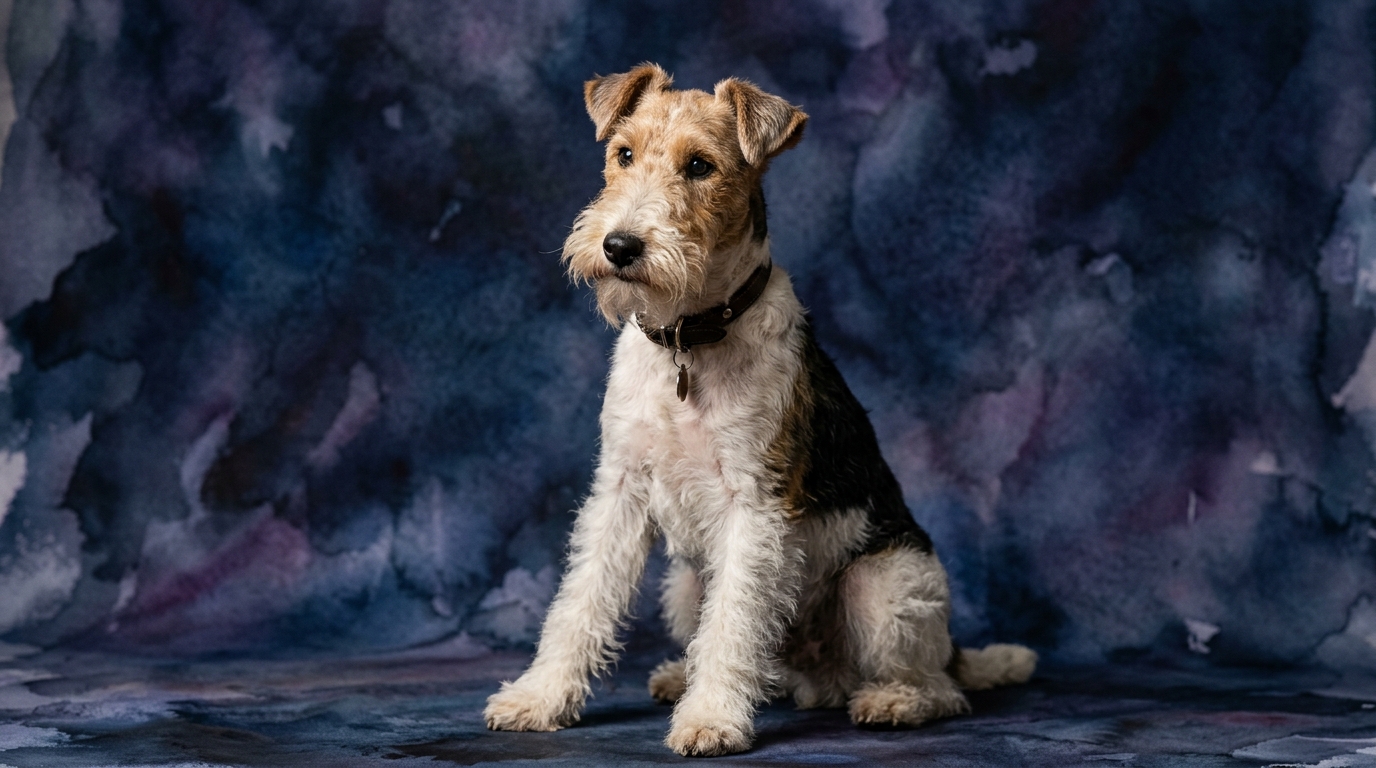
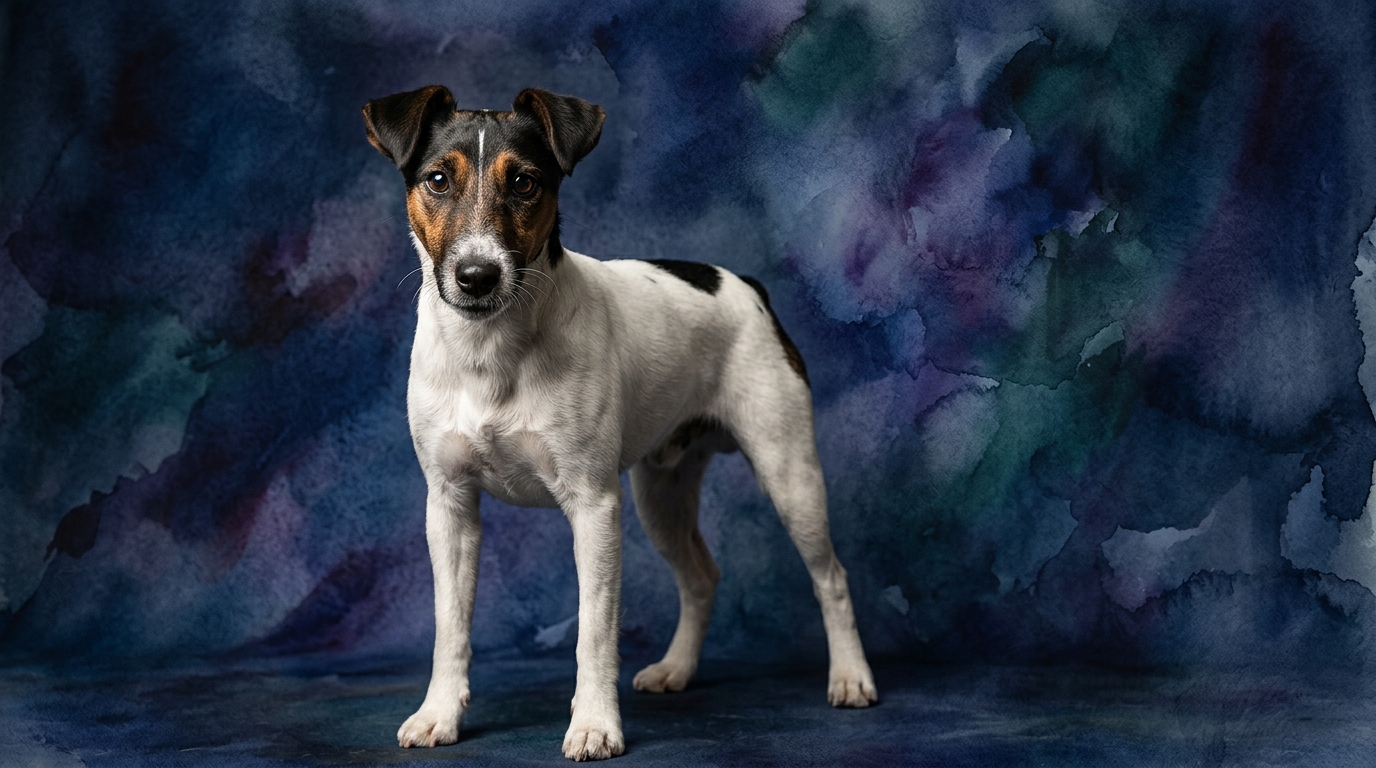
Side-by-Side Cognitive Profile: Unpacking the Fox Terrier Mind
Despite their distinct coats, both the Wire Fox Terrier and the Smooth Fox Terrier share identical scores across our five cognitive dimensions, suggesting a foundational similarity in their mental make-up. Understanding what a 3/5 score means for a Fox Terrier provides crucial context for appreciating their unique blend of intellect and instinct.
For Problem Solving (3/5), both breeds exhibit a remarkable capacity for independent thought and persistent effort when faced with obstacles. This score reflects a dog that won't easily give up, often devising their own clever—and sometimes mischievous—solutions to get what they want, whether it's retrieving a hidden toy or figuring out a gate latch. Their intelligence shines in their ability to adapt and innovate, rather than merely following instructions.
Training Speed (3/5) indicates that both Wire and Smooth Fox Terriers grasp new commands and routines at a moderate pace, but their strong will and independent nature mean consistency and motivation are paramount. They learn quickly when tasks align with their instincts or offer clear rewards, yet they possess the terrier independence to dismiss commands they deem irrelevant or boring, making patience a key component for successful training.
Their Social Intelligence (3/5) suggests both breeds possess a moderate understanding of social cues, both canine and human. They form strong bonds and can read intentions, but their inherent terrier assertiveness and sometimes boisterous nature mean they might not always defer to subtle social hierarchies. They are sociable and engaging, often initiating play or interaction, but always on their own terms.
Instinctive Drive (3/5) is a significant aspect of both Fox Terriers, reflecting their strong inherent terrier instincts: a keen prey drive, a desire to dig, bark, and chase. While not overwhelming, this drive profoundly influences their behavior and cognitive focus, often directing their problem-solving towards hunting-related tasks or their social interactions towards energetic chase games. This innate wiring is a constant undercurrent to their cognitive processes.
Finally, Memory (3/5) for both breeds signifies a solid capacity to recall commands, routines, and past experiences with reasonable accuracy. They remember specific training cues and past interactions, which aids in learning and adapting to their environment. However, their independent streak can sometimes lead to a selective memory, where they might 'forget' a command if a more stimulating distraction is present, rather than truly lacking the recall.
Where the Wire Fox Terrier Cognitively Excels
While their core cognitive scores are identical, the Wire Fox Terrier often expresses its 3/5 problem-solving and social intelligence with a distinctive flair. Their scruffy, wiry coat seems to mirror a more robust and perhaps slightly less refined approach to mental challenges. Wire Fox Terriers frequently demonstrate a more boisterous and 'clownish' ingenuity, often experimenting with multiple, sometimes unorthodox, methods to achieve a goal. This means their problem-solving might appear more overtly creative or even comically persistent, for example, trying several different angles to dislodge a treat from under furniture, displaying a tenacious trial-and-error approach.
In terms of social intelligence, the Wire Fox Terrier's 3/5 score often translates into a more overtly expressive and engaging personality. They might be quicker to initiate playful rough-housing or use their vocalizations and body language to 'demand' attention, showcasing a bold confidence in their social interactions. Their memory, while rated the same, might be particularly sharp for remembering past successes in 'outsmarting' their humans or other dogs, reinforcing their independent problem-solving strategies.
Where the Smooth Fox Terrier Cognitively Shines
The Smooth Fox Terrier, with its sleek lines and often more reserved demeanor, tends to manifest its identical cognitive scores with a different kind of precision. Their 3/5 problem-solving capability often appears more direct and efficient; they might assess a situation and move straight to the most logical solution, rather than the Wire's more exploratory approach. This could mean they quickly identify the single weak point in a barrier or the most direct path to a desired object, demonstrating a focused intensity in their mental efforts.
Their social intelligence, while equally rated at 3/5, might present as a slightly more elegant or composed interaction. Smooth Fox Terriers can be equally assertive but might employ more subtle cues or a focused gaze to communicate their intentions, rather than the Wire's overt exuberance. This directness can also influence their training speed, where once they understand a command, their memory and focused nature can lead to a more consistent execution, provided the motivation is present and distractions are managed.
Training Dynamics: Wire vs. Smooth
Given both breeds score a 3/5 in Training Speed, neither is inherently 'easier' in the traditional sense, but their behavioral nuances create different training challenges. The Wire Fox Terrier's more boisterous and sometimes impish nature means training often requires a more engaging, varied approach to hold their attention. They might be prone to 'testing' boundaries more frequently, requiring consistent reinforcement and a sense of humor from their trainer. Their problem-solving prowess means they're adept at finding loopholes in commands, demanding precise and foolproof training methods.
The Smooth Fox Terrier, while equally independent, might respond better to training that is structured and direct, leveraging their focused intensity. Their slightly more streamlined approach to challenges can translate into a more consistent application of learned behaviors, provided the environment is relatively free of high-value distractions that trigger their instinctive drive. Both breeds require early socialization and positive reinforcement, as their 3/5 social intelligence and strong instinctive drives mean they need clear guidance on appropriate interactions and outlets for their natural behaviors. Without careful management, both can be prone to selective hearing when their instincts take over, making foundational obedience crucial for both variations.
Matching Owners: Active Lifestyle vs. Focused Engagement
Neither the Wire Fox Terrier nor the Smooth Fox Terrier is suited for truly 'relaxed' owners; both demand active engagement and consistent mental and physical stimulation due to their 3/5 instinctive drive and problem-solving scores. However, the type of activity they thrive on can differ subtly. Wire Fox Terriers, with their potentially more playful and robust expression of cognitive traits, often flourish with owners who enjoy varied, spontaneous adventures. They might be the ideal companion for someone who enjoys exploring new trails, engaging in agility, or participating in spirited, unpredictable play sessions, thriving on novelty and a bit of good-natured chaos.
Smooth Fox Terriers, while equally energetic, might align better with owners who appreciate structured activities and focused engagement. Their directness and intensity can make them excellent candidates for more precision-based dog sports like competitive obedience, earthdog trials, or scent work, where their keen senses and focused problem-solving can be channeled. They still require ample physical exercise, but their cognitive needs might lean towards tasks that demand concentration and a clear objective, making them a good fit for owners who enjoy setting goals and working methodically with their canine partner.
The Verdict
Choose a Wire Fox Terrier if you appreciate a dog whose intelligence manifests in spirited, often humorous, problem-solving and a boisterous, highly expressive social demeanor, thriving on varied and energetic interaction.
Choose a Smooth Fox Terrier if you prefer a dog whose intelligence is expressed with focused intensity and directness, excelling in structured activities and offering a more streamlined, yet equally assertive, companionship.
🧠 Find Your Pet's IQ Score
Our Pet IQ Lab assessment covers 25+ tests across 5 cognitive dimensions — personalized to your breed.
Take the Full IQ Test →Frequently Asked Questions
Are Wire Fox Terriers and Smooth Fox Terriers equally trainable?
Both breeds have a Training Speed of 3/5, meaning they grasp commands at a moderate pace. However, their independent terrier nature means consistent, engaging, and highly motivated training is essential for both, rather than one being inherently easier.
Do Wire or Smooth Fox Terriers have a stronger prey drive?
Both Wire and Smooth Fox Terriers score 3/5 for Instinctive Drive, indicating a strong, inherent prey drive. This means both will likely exhibit a desire to chase, dig, and bark, requiring careful management and appropriate outlets for these natural behaviors.
Which Fox Terrier is better with children?
With a Social Intelligence score of 3/5, both breeds can form strong bonds and interact well with children when properly socialized from a young age. Their energetic and assertive terrier nature means supervision is always recommended, and interactions should be taught to both dog and child for mutual respect.