Side-by-Side IQ Profile: Unpacking Identical Scores
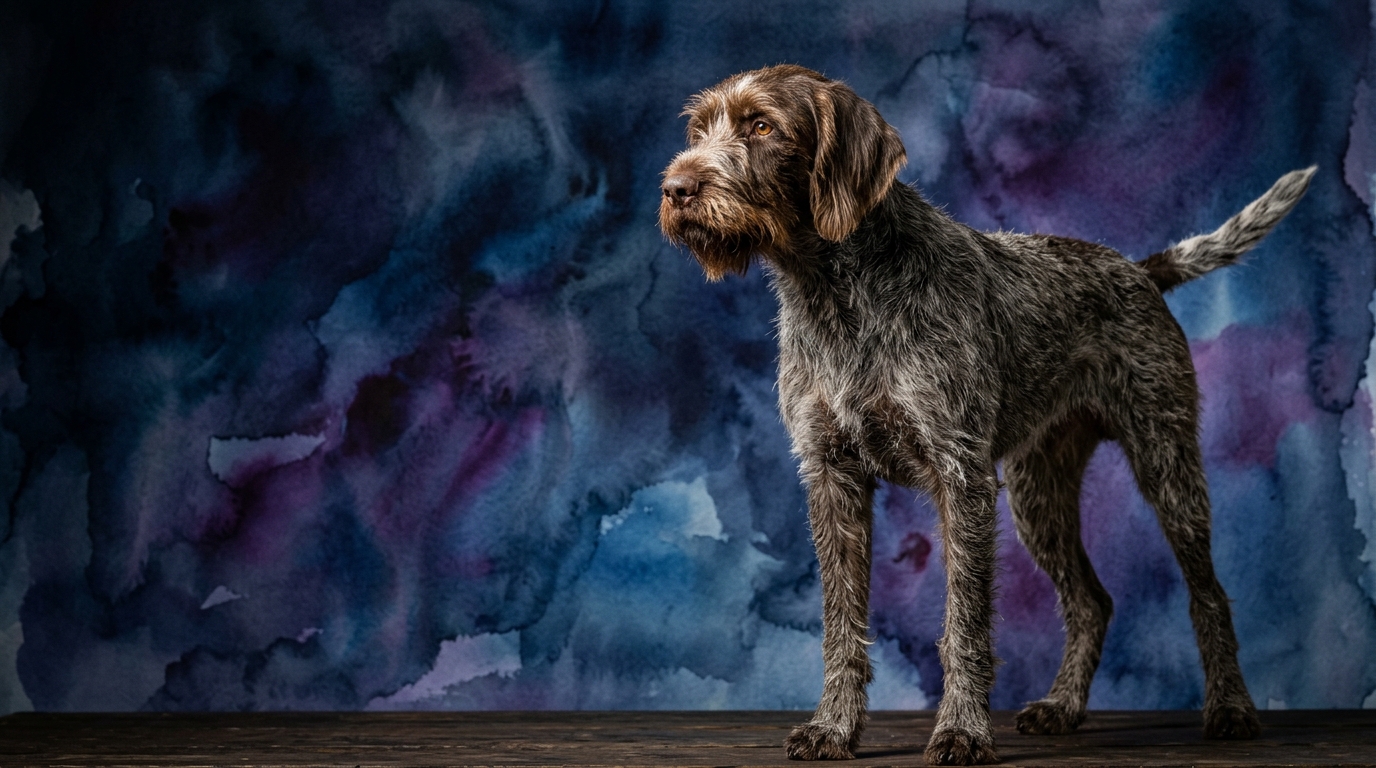
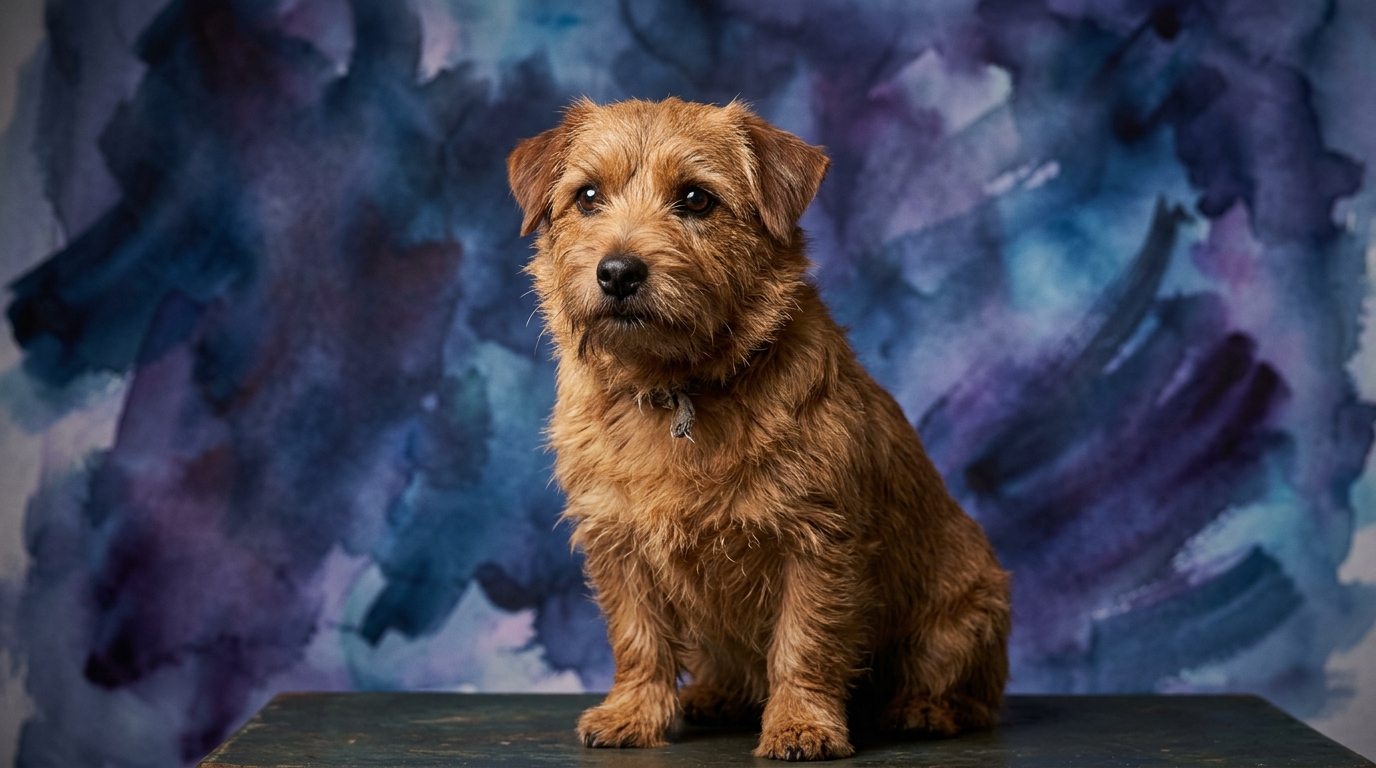
When we examine the Wirehaired Pointing Griffon and the Norfolk Terrier through The Cosmic Pet Pet IQ Lab's lens, both breeds present a uniform 3/5 across all cognitive dimensions. This identical scoring is less about sameness and more about how these capabilities are applied within each breed's unique context and ancestral purpose. Understanding this nuance is key to appreciating their distinct forms of intelligence.
For Problem Solving (3/5), the Griffon displays this skill in navigating complex terrain during a hunt, figuring out how to retrieve game from water or dense cover, or adapting to varied field conditions. Their problem-solving is often patient and methodical, aimed at achieving a specific, often cooperative, goal alongside a human partner. The Norfolk's 3/5 problem-solving, conversely, shines in tasks requiring quick, independent decisions, like outsmarting a rodent or finding a hidden toy. It's often characterized by ingenuity and persistence, sometimes bordering on stubbornness, as they work to achieve their desired outcome with a terrier's determination.
Regarding Training Speed (3/5), the Griffon possesses a moderate pace, absorbing commands and routines effectively with consistent, positive reinforcement. Their eagerness to please and strong work ethic contribute to their receptiveness, especially when tasks align with their natural pointing and retrieving instincts. The Norfolk also learns at a moderate pace, but their independent terrier spirit means training needs to be engaging and varied to maintain focus. They might grasp commands quickly but choose to obey only if highly motivated, making consistency and positive reinforcement crucial for success.
Social Intelligence (3/5) in the Griffon is exhibited through their capacity to form strong bonds with their human family and understand pack dynamics. They are generally cooperative and responsive to human cues, thriving on companionship and working alongside their owners in the field. The Norfolk's 3/5 social intelligence is often expressed through keen observation of household routines and family members' moods. They are highly attuned to their human companions, forming close attachments and often displaying a charming, assertive personality within the family unit.
Their Instinctive Drive (3/5) in the Griffon is a strong, well-channeled aptitude for hunting, pointing, and retrieving. This score reflects a balanced blend of prey drive, scenting ability, and biddability, making them proficient field partners focused on their task. The Norfolk's instinctive drive, also at 3/5, is geared towards their terrier roots: an intense desire to chase, dig, and dispatch small prey. This drive is powerful and innate, requiring careful management and appropriate outlets in a domestic setting, as it is often independently directed.
Finally, Memory (3/5) in the Griffon demonstrates a reliable capacity for learned commands, routines, and hunting locations. This memory supports their ability to perform complex sequences of tasks in the field and recall scent trails over time. The Norfolk's memory, also a 3/5, is effective for recalling past experiences, learned boundaries, and where favorite toys or treats are hidden. They remember training cues well, but their independent nature might sometimes make them seem selectively forgetful when a more interesting scent or activity presents itself.
Where the Wirehaired Pointing Griffon Wins Cognitively
While both breeds exhibit a 3/5 in problem-solving, the Wirehaired Pointing Griffon often demonstrates a cognitive edge in scenarios demanding sustained focus and methodical execution. Their problem-solving prowess is particularly valuable in complex hunting situations, such as deciphering intricate scent puzzles across varied terrain or strategizing the most efficient path to retrieve fallen game from dense cover or water. This isn't about being 'smarter' than the Norfolk, but about a different application of their cognitive abilities; the Griffon's mental stamina allows them to work through multi-stage challenges with a clear, cooperative objective.
Similarly, their 3/5 instinctive drive, while equal in score to the Norfolk, manifests as a highly refined and channeled instinct for pointing and retrieving. This drive is often seamlessly integrated with their social intelligence, enabling them to work in close, communicative partnership with a hunter. This cooperative drive, combined with their reliable memory for commands and learned field strategies, gives them an advantage in tasks requiring consistent, team-oriented performance over extended periods. For an owner seeking a canine partner capable of intricate, collaborative work, the Griffon's specific cognitive architecture offers a distinct advantage.
Where the Norfolk Terrier Wins Cognitively
The Norfolk Terrier, despite sharing identical cognitive scores, reveals its own unique strengths, particularly in situations demanding independent thought and rapid, decisive action. Their 3/5 problem-solving often translates into quick-witted solutions for immediate, localized challenges, such as figuring out how to access a forbidden area or outsmarting a perceived 'intruder' like a squirrel in the yard. This isn't a sustained, cooperative approach, but rather a burst of ingenuity driven by their terrier tenacity.
Their instinctive drive, also at 3/5, is a powerful engine for independent action, making them exceptionally adept at tasks requiring vigilance and swift response. While a Griffon's drive is about partnership in the hunt, a Norfolk's is about self-reliance in pest control, demanding sharp observational skills and rapid processing of sensory information. Furthermore, their social intelligence, though rated equally, often manifests as a highly perceptive understanding of human emotions and household dynamics. They are masters of reading their environment and their people, making them exceptionally charming and adaptable companions who can subtly manipulate situations to their advantage through sheer personality and keen observation. For owners who appreciate a dog with a strong, self-assured personality and a quick, independent mind, the Norfolk's cognitive style is a perfect fit.
Training Differences: Cooperation vs. Independence
Comparing the training ease between the Wirehaired Pointing Griffon and the Norfolk Terrier, despite their identical 3/5 training speed, reveals distinct approaches required for success. The Griffon, with its inherent desire to please and a strong working drive channeled towards cooperation, often presents as more straightforward to train for complex command sequences and field work. Their social intelligence and memory at 3/5 mean they absorb and retain instructions well, especially when training is consistent and positive, and when tasks align with their natural pointing and retrieving instincts. They thrive on having a job and working alongside their human, which translates into a generally biddable and responsive student. However, their high energy and need for mental stimulation mean that boredom can lead to undesirable behaviors if not properly managed.
The Norfolk Terrier, conversely, while equally capable of learning at a moderate pace, often requires a more creative and patient training approach due to their independent and spirited terrier nature. Their 3/5 instinctive drive for chasing and digging can be a significant distraction, and their problem-solving skills might be employed to find ways around commands rather than simply complying. Training a Norfolk often feels like a negotiation; success hinges on making lessons fun, varied, and highly rewarding, leveraging their keen social intelligence to build a strong bond. Owners must be prepared for moments of charming stubbornness, where the Norfolk's keen memory helps them recall what they want to do, rather than what they've been told. Consistency, clear boundaries, and positive reinforcement are paramount for both, but the Griffon's cooperative nature generally makes the process of teaching specific tasks feel more direct, while the Norfolk demands more engagement with their independent spirit.
Owner Suitability: Active Pursuits vs. Engaging Companionship
The question of owner suitability, particularly concerning activity levels, highlights significant differences between these two cognitively similar breeds. The Wirehaired Pointing Griffon, with its robust 3/5 instinctive drive geared towards active hunting and a physique built for endurance, is unequivocally suited for highly active owners. These dogs thrive when given a 'job,' whether it's actual field work, advanced scent training, or participating in dog sports like agility or dock diving. They require extensive daily exercise – long runs, challenging hikes, or vigorous play sessions – combined with mental stimulation to prevent boredom and destructive behaviors. An owner who enjoys spending significant time outdoors, engaging in purposeful activities with their dog, will find the Griffon an unparalleled companion. They are not content with a short walk around the block; their cognitive and physical well-being depend on regular, strenuous activity that taps into their working heritage.
In contrast, the Norfolk Terrier, while certainly an energetic and playful breed for its size, is a better fit for owners who appreciate daily activity but might not lead an intensely outdoorsy lifestyle. Their 3/5 instinctive drive still demands outlets for chasing and exploration, meaning daily walks, engaging playtime, and opportunities for mental puzzles are essential. However, they are more adaptable to apartment living or smaller yards, provided their exercise needs are consistently met. A Norfolk will enjoy a brisk walk, a romp in a secure park, or a game of fetch in the living room, but they typically don't require the same level of sustained endurance or specialized field work as a Griffon. They are active companions for owners who appreciate a lively presence and regular engagement without necessarily needing a partner for multi-hour wilderness expeditions.
The Verdict
Choose the Wirehaired Pointing Griffon if you're an active, outdoors-loving owner seeking a cooperative, biddable partner for extensive field work, dog sports, or long, purposeful adventures. Their cognitive strengths excel in sustained, collaborative tasks.
Opt for the Norfolk Terrier if you appreciate a spirited, independent companion with a quick mind, suitable for daily engaging activities and a lively presence in a home that might not involve intense outdoor pursuits. Their intelligence shines in quick, adaptable problem-solving and keen social observation.
🧠 Find Your Pet's IQ Score
Our Pet IQ Lab assessment covers 25+ tests across 5 cognitive dimensions — personalized to your breed.
Take the Full IQ Test →Frequently Asked Questions
Do Wirehaired Pointing Griffons require a lot of mental stimulation?
Absolutely. While their training speed is 3/5, their high instinctive drive and problem-solving skills mean they thrive on mental challenges. Without adequate stimulation through training, puzzle toys, or field work, they can become bored and potentially destructive.
Are Norfolk Terriers good family dogs, given their independence?
Yes, Norfolk Terriers are typically excellent family dogs, forming strong bonds with their human companions. Their 3/5 social intelligence allows them to be very attuned to family dynamics, though their independent nature means they appreciate respect and clear boundaries, rather than constant doting.
How does a 3/5 instinctive drive differ between these two breeds?
For the Griffon, a 3/5 instinctive drive manifests as a strong, cooperative desire to point and retrieve game, working in partnership with a human. For the Norfolk, the same 3/5 drive is an intense, independent urge to chase and dispatch small prey, requiring careful management and appropriate outlets in a domestic environment.