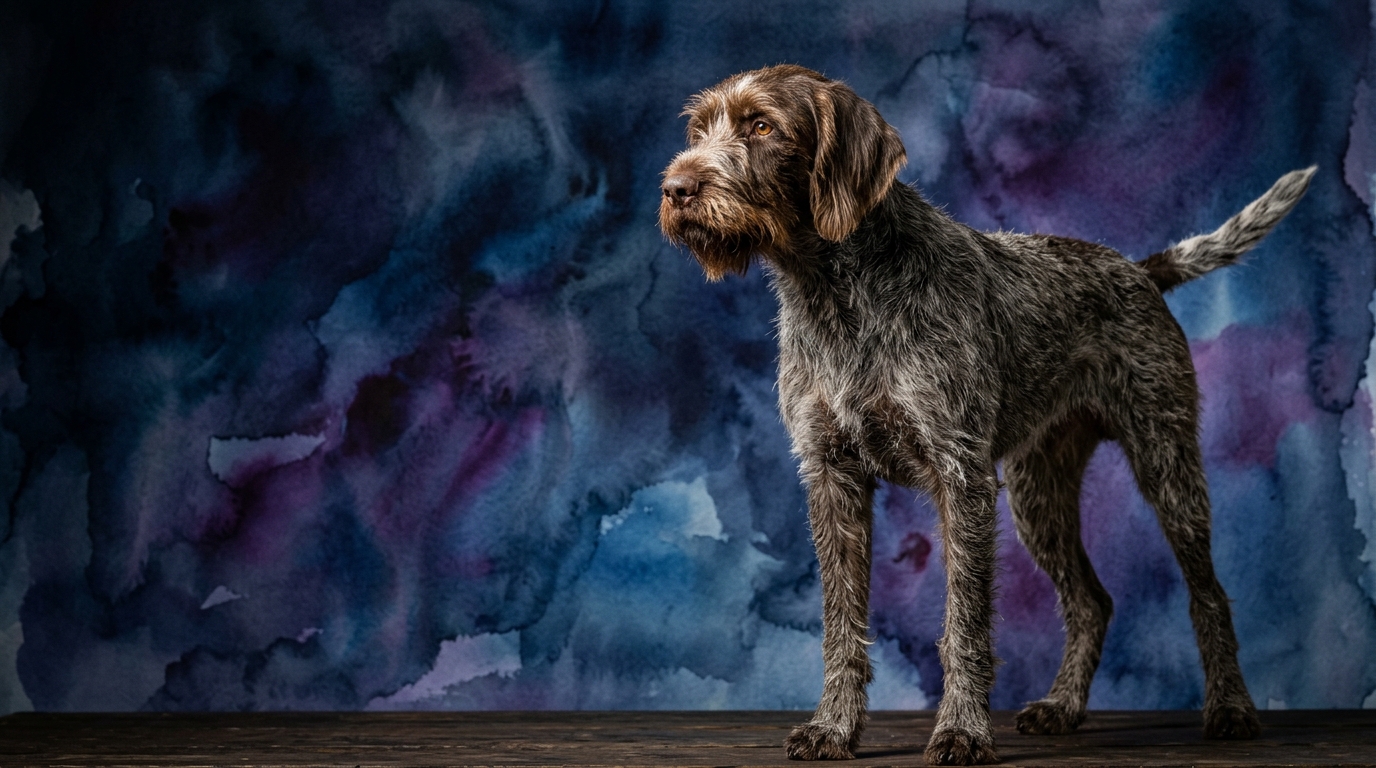
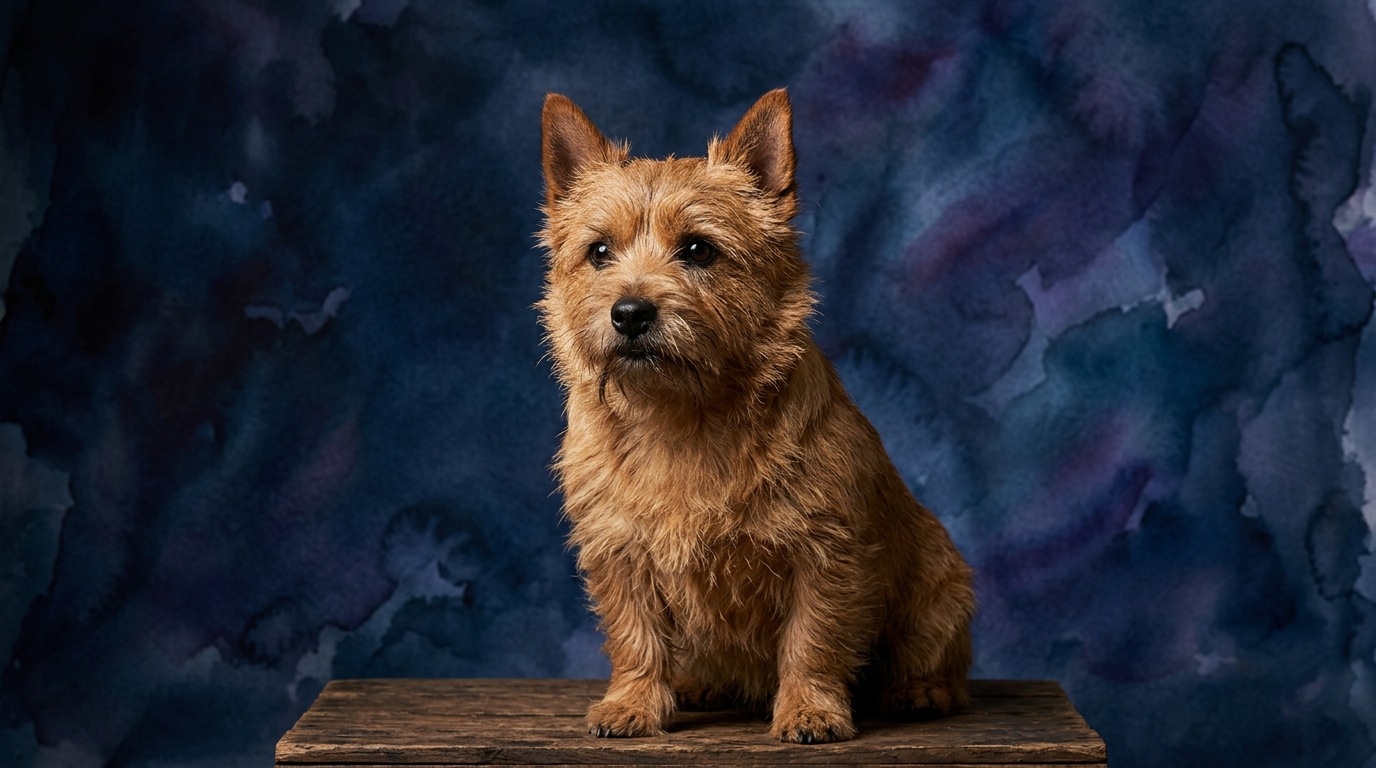
Side-by-Side IQ Profile: Understanding the '3/5' for Each Breed
While both the Wirehaired Pointing Griffon (WPG) and the Norwich Terrier (NT) register a consistent 3 out of 5 across all evaluated cognitive dimensions, the context of these scores is critical. A 3/5 in problem-solving for a Sporting Group dog like the Griffon often relates to tasks like locating hidden game, navigating complex terrain during a hunt, or figuring out how to retrieve an object from a tricky spot. For the Norwich Terrier, a Terrier Group member, 3/5 problem-solving typically involves cleverness in finding vermin, navigating confined spaces, or resourcefully manipulating objects or situations to achieve their goals, such as acquiring a desired toy or treat.
When it comes to training speed, a 3/5 for the WPG suggests a cooperative learner who is generally eager to please their handler, capable of picking up new commands with consistent, positive reinforcement, though they might be momentarily distracted by compelling scents or sights. The Norwich Terrier’s 3/5 training speed, conversely, often points to a quick study when motivated, but one who also possesses a strong independent streak. They learn rapidly but often require engaging, reward-based methods to keep their attention, as they can decide if a task is 'worth their time.'
Social intelligence at 3/5 for the Griffon indicates a companion animal that forms strong bonds with its family, is generally responsive to human cues, and can adapt well to various social situations, though some may exhibit a reserved demeanor with strangers. The Norwich Terrier's 3/5 in this dimension often manifests as an outgoing, confident, and sometimes boisterous social presence. They are adept at communicating their desires and can be quite charmingly manipulative to get attention or resources from their human companions, while also potentially being opinionated with other dogs.
Instinctive drive, also at 3/5 for both, highlights their heritage. For the WPG, this score reflects a robust pointing, retrieving, and scenting instinct, driven by a deep desire to work collaboratively with a human partner in the field. This drive is channeled towards a specific hunting purpose. The Norwich Terrier's 3/5 instinctive drive is rooted in its terrier lineage: a strong prey drive for small vermin, an inclination to dig, and a fearless, tenacious approach to challenges, often acting on its own initiative rather than awaiting human direction.
Finally, memory at 3/5 for both breeds means they retain learned behaviors, routines, and experiences effectively. A Griffon will remember complex hunting patterns, scent trails, and obedience commands over time, linking them to positive outcomes. A Norwich Terrier will similarly remember training cues, but also the location of favorite digging spots, past successful 'escapes' from confined areas, and the precise routines that lead to desired rewards, demonstrating a memory keen on personal advantage and environmental recall.
Where the Wirehaired Pointing Griffon Excels Cognitively
The Wirehaired Pointing Griffon's cognitive strengths shine in cooperative problem-solving and sustained focus within a working partnership. Their 3/5 problem-solving, combined with their instinctive drive, makes them particularly adept at tasks requiring nuanced scent discrimination and methodical searching over varied terrain. They excel at figuring out how to track a scent, navigate through brush to retrieve, and work in tandem with a human, anticipating commands and responding to subtle cues. This collaborative intelligence is a hallmark of their breed, making them outstanding partners for activities like field trials, hunting, or even advanced scent work.
Their social intelligence, while rated the same, often leans towards a desire for human approval that can streamline complex training. A Griffon’s memory for sequences and routines, coupled with their willingness to engage, means they can master multi-step commands and maintain proficiency over time, especially when these tasks align with their natural hunting instincts. They remember not just the 'what' but the 'why' from a partnership perspective, allowing for a deeper understanding of their role in a team.
Where the Norwich Terrier Excels Cognitively
The Norwich Terrier's cognitive prowess is evident in their independent problem-solving and tenacious resourcefulness. Their 3/5 problem-solving often manifests as cleverness in navigating their environment, finding solutions to perceived obstacles (like a closed door to a forbidden room), or outsmarting perceived adversaries (like a pesky squirrel). This breed's ingenuity is geared towards achieving personal objectives, often with a bold and self-assured approach that allows them to adapt quickly to new situations or challenges, especially those requiring quick thinking and determination.
Their instinctive drive, also 3/5, fuels a remarkable persistence. A Norwich will remember where a rodent might hide or where a particular digging spot was successful, applying their memory to practical, self-directed tasks. Their social intelligence, while equal in score, leans towards a confident, sometimes demanding communication style, making them effective at conveying their needs and desires to their human companions. They are quick to learn what strategies work to get attention or treats, demonstrating a keen understanding of household dynamics and human behavior.
Which Is Easier to Train and Why?
When considering ease of training, the Wirehaired Pointing Griffon often presents a more straightforward path for many owners due to their intrinsic desire to collaborate and please. Their 3/5 training speed is supported by a strong impulse to work alongside their handler, making them generally receptive to commands and eager to participate in structured learning. While their strong instinctive drive means they can be distracted by environmental stimuli, their social intelligence often translates into an attentiveness to their human partner, making them responsive to guidance and correction during training sessions. They thrive on positive reinforcement and consistent methods, quickly forming associations between actions and desired outcomes within a cooperative framework.
The Norwich Terrier, while equally capable of learning quickly (3/5 training speed), can present a different set of training considerations due to their independent nature. Their 3/5 instinctive drive means they are often self-directed and may prioritize their own interests (like chasing a scent or investigating a noise) over a handler's command. Their social intelligence allows them to understand human expectations, but their terrier tenacity means they might choose to comply only if they perceive sufficient motivation or if the task is engaging enough. Training a Norwich requires creativity, patience, and a deep understanding of their motivations, often leveraging play and high-value rewards to maintain their focus and enthusiasm. They are not necessarily harder to train, but they demand a more nuanced and engaging approach, recognizing their bold, self-reliant personality.
Which Suits Active Owners vs. Relaxed Owners?
The Wirehaired Pointing Griffon is an ideal match for active, outdoors-oriented owners who seek a dedicated working partner. Their 3/5 instinctive drive for hunting and retrieving means they thrive on regular, vigorous exercise that engages both their body and mind. Activities like hiking, long walks in varied terrain, swimming, and especially field work or scent-based games are crucial for their well-being. Owners who enjoy spending significant time outdoors and can provide consistent training and mental stimulation will find the Griffon an exceptionally rewarding companion. Their cooperative nature means they flourish in a home where they are an integral part of daily activities and perceived as a true partner.
The Norwich Terrier, while small, is also best suited for active owners, though the nature of that activity differs. Their 3/5 instinctive drive and problem-solving translate into a need for consistent mental engagement and outlet for their tenacious energy. They enjoy brisk walks, exploring new environments, and participating in dog sports like agility or earthdog trials where their natural instincts can be channeled. They are not content to be couch potatoes and require owners who can provide plenty of interactive play, puzzle toys, and consistent training to prevent boredom and channel their cleverness constructively. Relaxed owners who cannot commit to engaging their Norwich's sharp mind and energetic body may find their independent problem-solving manifests in less desirable ways, such as digging or persistent vocalizations.
The Verdict: When to Choose Each
The Verdict
Choose the Wirehaired Pointing Griffon if you're an active, outdoorsy individual or family seeking a devoted, cooperative partner for hunting, field sports, or extensive outdoor adventures, valuing a dog that thrives on working alongside you. Their cognitive profile suits owners who appreciate a keen scenting ability and a desire to please within a structured partnership.
Opt for the Norwich Terrier if you're an active, engaging owner who appreciates a bold, clever, and independent canine personality in a compact package, and are prepared to provide consistent mental stimulation and creative training. Their intelligence shines when given outlets for their tenacious problem-solving and spirited exploration, making them a vibrant companion for those who enjoy lively interaction.
🧠 Find Your Pet's IQ Score
Our Pet IQ Lab assessment covers 25+ tests across 5 cognitive dimensions — personalized to your breed.
Take the Full IQ Test →Frequently Asked Questions
Do Wirehaired Pointing Griffons shed a lot?
Wirehaired Pointing Griffons have a dense, wiry coat that sheds minimally, especially with regular brushing and hand-stripping. This makes them a relatively low-shedding breed, often appreciated by those sensitive to dog hair.
Are Norwich Terriers good with children?
Norwich Terriers can be good with respectful, older children who understand how to interact with dogs, due to their confident and playful nature. However, their small size and terrier feistiness mean supervision is always recommended, especially with very young children.
Which breed is better for apartment living?
The Norwich Terrier is generally better suited for apartment living due to their smaller size, provided their significant exercise and mental stimulation needs are consistently met. The larger Wirehaired Pointing Griffon, with its strong hunting drive, typically requires more space and extensive outdoor access.