
Side-by-Side IQ Profile: Unpacking Identical Scores
The Wirehaired Pointing Griffon (WPG) and the Smooth Fox Terrier (SFT) both register a 3 out of 5 in Problem Solving, Training Speed, Social Intelligence, Instinctive Drive, and Memory according to The Cosmic Pet Pet IQ Lab. However, these identical numerical ratings mask significant qualitative differences shaped by their breed purposes.
For the Wirehaired Pointing Griffon, a Sporting dog, their Problem Solving at 3/5 often involves navigating complex terrain to locate game, deciphering scent trails, and executing retrieves in challenging environments, all while maintaining communication with a human handler. Their solutions are typically collaborative, aimed at achieving a shared goal with their partner.
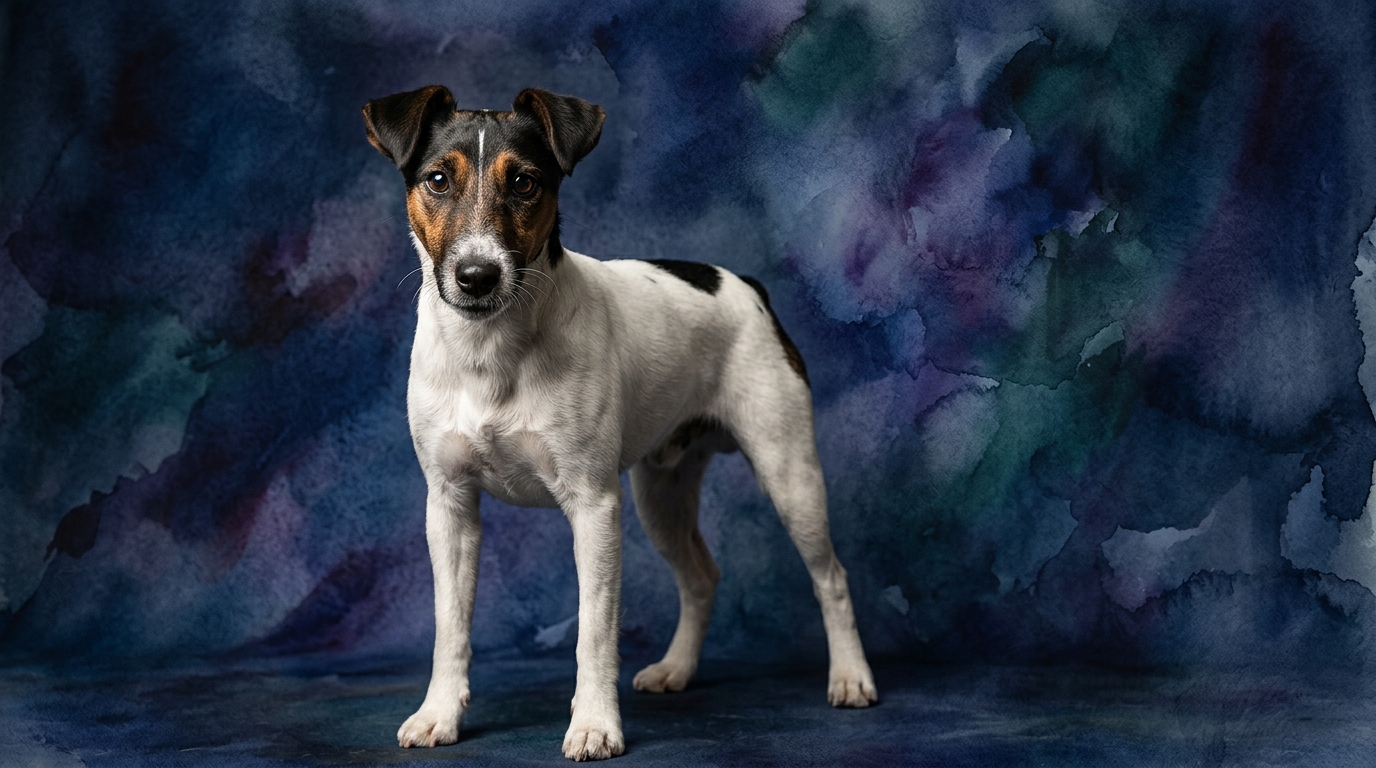
In contrast, the Smooth Fox Terrier’s 3/5 in Problem Solving shines in independent scenarios; think strategizing how to flush a burrowing animal, finding an opening in a fence, or outwitting small prey. Their problem-solving is often self-directed, focused on individual success rather than partnership.
When it comes to Training Speed, the WPG’s 3/5 suggests a dog that learns new commands and routines at a moderate pace, particularly when the training aligns with their cooperative hunting instincts. They are generally eager to please and respond well to consistent, positive reinforcement, viewing training as a partnership activity.
The SFT’s 3/5 Training Speed indicates they can also grasp new concepts quickly, but their independent nature means they might choose whether or not to comply based on their own assessment of the situation or their current interest. Their learning is often rapid for tasks that appeal to their prey drive or offer immediate gratification, but may slow for repetitive obedience that feels less purposeful to them.
Social Intelligence for the WPG at 3/5 speaks to their strong bond with their human family, their ability to read subtle cues from their handler in the field, and their desire to work in tandem. They are generally attuned to human emotions and intentions, fostering a deep, cooperative relationship.
The SFT’s 3/5 Social Intelligence, while present, often manifests as a keen awareness of their surroundings and the intentions of others, but with a more assertive and sometimes challenging communication style. They are adept at understanding social dynamics but are less inclined to simply defer, often asserting their own personality within the family unit.
Instinctive Drive in the WPG (3/5) is powerfully channeled towards pointing, flushing, and retrieving game, particularly birds, and often includes a strong affinity for water work. This drive is typically controlled and directed by their handler, making them focused and steady in their work.
For the SFT, Instinctive Drive at 3/5 is an intense, unyielding force directed primarily at hunting and dispatching vermin. This translates into a strong desire to dig, chase, and explore, often with a tenacious focus that can make them oblivious to distractions, including their handler’s commands.
Finally, Memory for both breeds at 3/5 has different practical applications. The WPG excels at remembering complex scent patterns, specific field locations, and intricate multi-step commands from their handler. Their memory supports their role as a consistent, reliable hunting partner. The SFT’s memory is robust for recalling successful hunting strategies, the location of hidden toys or burrow entrances, and past interactions, often with a long recollection of perceived wrongs or rewarding independent actions.
Where the Wirehaired Pointing Griffon Excels Cognitively
The Wirehaired Pointing Griffon's cognitive strengths lie in their capacity for cooperative problem-solving and sustained focus within a partnership. Their 3/5 problem-solving score is particularly effective when the challenge requires a methodical approach, such as systematically quartering a field for scent or navigating dense cover while staying connected to their handler. They demonstrate a patient persistence, driven by the goal of working alongside their human.
Their social intelligence, also rated 3/5, makes them highly receptive to human direction and subtle non-verbal cues. This enables them to anticipate their handler's next move during a hunt or training session, fostering a seamless working relationship. This cognitive trait makes them particularly adept at activities requiring synchronized effort, such as advanced obedience or intricate field trials where timing and responsiveness are paramount.
The WPG’s memory, at 3/5, supports their role as a dedicated companion and worker. They are skilled at recalling complex sequences of commands, remembering specific locations of past successes, and retaining intricate scent patterns over time. This cognitive reliability means they can build upon previous training and experiences, becoming progressively more refined in their tasks without needing constant re-instruction.
Where the Smooth Fox Terrier Excels Cognitively
The Smooth Fox Terrier's cognitive prowess is deeply rooted in their independent spirit and tenacious drive. Their 3/5 problem-solving ability shines brightest when faced with challenges requiring quick, self-directed solutions, often in confined or unpredictable environments. This might involve figuring out how to access a perceived target, outmaneuvering small prey, or navigating complex obstacles without direct human guidance. Their solutions are typically inventive and driven by an intense desire to achieve their goal.
The SFT's instinctive drive, also rated 3/5, fuels a relentless pursuit and an unwavering determination. This cognitive trait ensures they will persist in a task, whether it's digging, chasing, or exploring, long after many other breeds might give up. This tenacity is a significant cognitive advantage for their original purpose, allowing them to overcome obstacles through sheer will and focus on their objective.
Their memory, at 3/5, is particularly strong for recalling opportunities and successes linked to their independent pursuits. An SFT will remember where they once found a particularly interesting scent or a rewarding digging spot, and will return to explore it again with renewed vigor. This reinforces their self-directed problem-solving and contributes to their bold, confident demeanor, making them quick to learn and adapt if the outcome benefits their immediate interests.
Training Dynamics: A Tale of Two Temperaments
Determining which breed is 'easier to train' requires understanding the nature of their 3/5 training speed in conjunction with their other cognitive traits. For cooperative, handler-focused training, the Wirehaired Pointing Griffon generally presents a more straightforward experience. Their social intelligence and instinctive drive lean heavily towards working in partnership, making them eager to please their human companions. When taught with consistent, positive reinforcement, a WPG will typically learn commands and routines steadily, valuing the shared activity and the bond it strengthens. Their memory for commands and routines further aids in building reliable behaviors over time.
The Smooth Fox Terrier, while also possessing a 3/5 training speed, can be more challenging for traditional obedience due to their independent problem-solving and intense, self-directed instinctive drive. They learn quickly, but their terrier nature means they often evaluate whether a command aligns with their current interest or inherent drive. A SFT might understand a command perfectly but choose to ignore it if there's a more compelling scent or perceived 'job' at hand. Training a Smooth Fox Terrier demands creativity, high motivation (often food or prey-drive related rewards), and unwavering consistency to channel their tenacious spirit effectively, rather than trying to suppress it. Their memory for successful independent actions can sometimes make them less inclined to follow a handler's repeated directives if they've found a more rewarding alternative.
Lifestyle Match: Active Partners vs. Energetic Explorers
Both the Wirehaired Pointing Griffon and the Smooth Fox Terrier are undeniably active breeds, but the nature of their activity and the type of owner they suit differs significantly. The WPG, with its Sporting background and cooperative cognitive profile, thrives with active owners who enjoy engaging in outdoor pursuits *with* their dog. This includes long hikes, scent work, retrieving games, or actual hunting. Owners who appreciate a devoted, focused partner for their adventures will find the WPG to be an excellent match. They need consistent mental stimulation that taps into their problem-solving and memory for tasks, often involving their handler's input, making them ideal for individuals who want an active companion to share experiences with.
The Smooth Fox Terrier, on the other hand, requires an owner who can not only match their high energy but also understand and channel their intense, independent drives. While also an active breed, their activity often manifests as vigorous exploration, determined digging, and relentless chasing. They are suited for owners who thrive on high energy, a spirited personality, and are prepared to provide extensive, varied exercise and mental challenges to satisfy their keen prey drive and cunning. This might include structured agility, earthdog trials, long runs, or extensive interactive play. A 'relaxed owner' would likely find a Smooth Fox Terrier overwhelming, as their problem-solving and instinctive drives, if not properly stimulated and directed, can lead to destructive behaviors born of boredom and unspent energy. They need an owner who is as tenacious and clever as they are, ready for a dynamic and engaging relationship.
The Verdict
Choose the Wirehaired Pointing Griffon if you seek a devoted, cooperative companion for outdoor adventures, scent work, or hunting, valuing a steady, focused partner who thrives on working alongside you. They are a superb choice for owners who appreciate a dog eager to engage in shared activities and respond reliably to direction.
Choose the Smooth Fox Terrier if you are an active owner who embraces a challenge, enjoys a dog with an independent spirit and boundless energy, and is prepared for consistent, creative training to channel their tenacious terrier drive. They are ideal for those who appreciate a spirited, problem-solving companion with a strong will and a zest for life.
🧠 Find Your Pet's IQ Score
Our Pet IQ Lab assessment covers 25+ tests across 5 cognitive dimensions — personalized to your breed.
Take the Full IQ Test →Frequently Asked Questions
Are these breeds suitable for first-time dog owners?
Neither breed is typically recommended for first-time dog owners without significant commitment to understanding their specific needs. Both require dedicated training, socialization, and exercise to thrive, with the Smooth Fox Terrier's independent nature often proving more challenging for novice handlers.
Which breed is better with children?
The Wirehaired Pointing Griffon generally tends to be more patient and tolerant with children due to their cooperative social intelligence and calmer demeanor, especially when properly socialized. Smooth Fox Terriers can be good with respectful, older children, but their high energy, strong prey drive, and assertive nature mean they require more supervision and training to ensure positive interactions with younger children.
How do their energy levels compare despite similar IQ scores?
Both breeds possess significant energy, but it manifests differently. The WPG's energy is often channeled into sustained, focused activity like hunting or long hikes, with periods of calm. The SFT's energy is typically more intense, bursty, and always on, fueling their constant exploration, digging, and chasing, requiring more consistent outlets throughout the day.