
Side-by-Side IQ Profile: Unpacking the 3/5 Scores
At The Cosmic Pet Pet IQ Lab, both the Affenpinscher and the Russian Toy consistently achieve a score of 3/5 across all five measured intelligence dimensions: Problem Solving, Training Speed, Social Intelligence, Instinctive Drive, and Memory. While these identical scores suggest a similar overall cognitive capacity, the *application* and *expression* of these abilities are where the distinctions lie, shaped by their unique histories and temperaments.
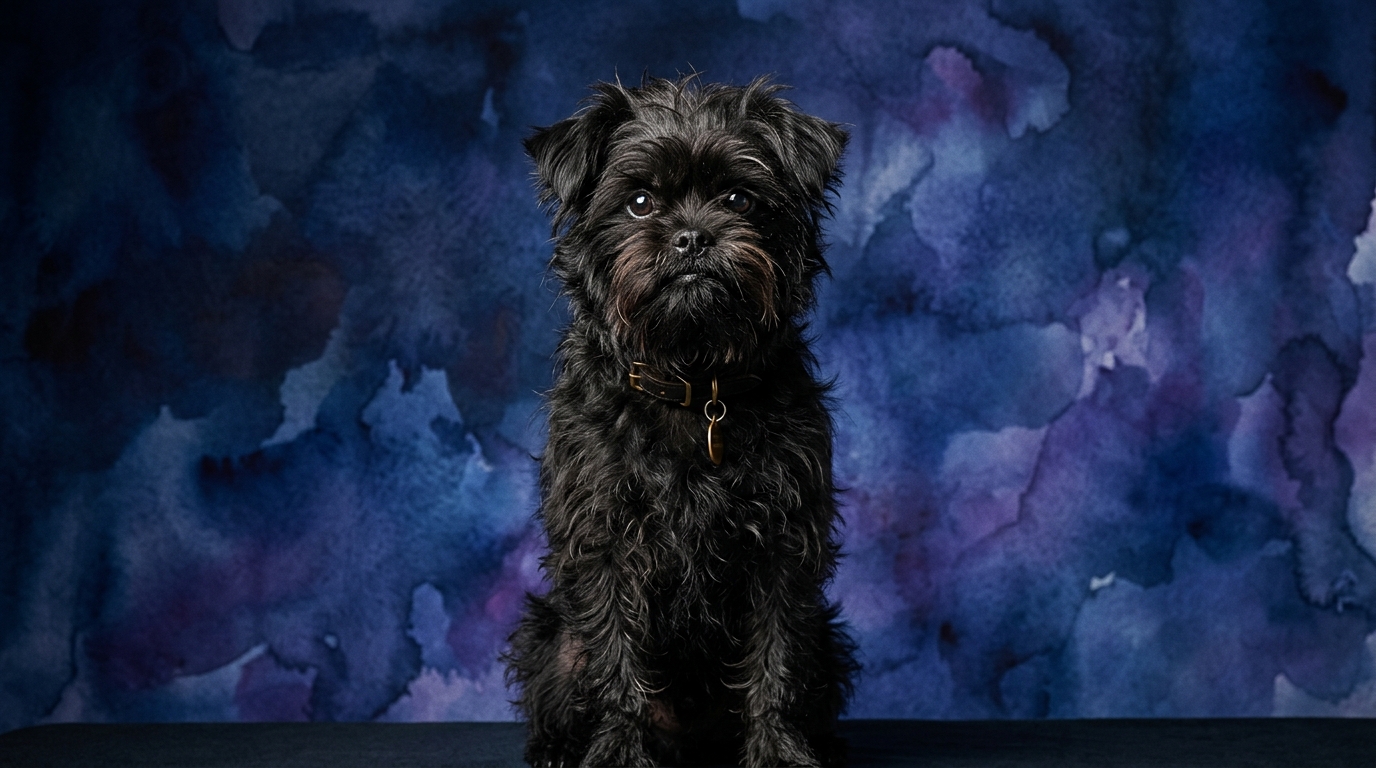
For the Affenpinscher, a 3/5 in Problem Solving indicates an ability to figure out routine challenges, like navigating a familiar puzzle toy or finding a hidden treat, often through a trial-and-error approach driven by their innate curiosity. Their Training Speed at 3/5 means they are capable learners, absorbing commands with consistent, engaging methods, though their independent streak can sometimes slow the initial uptake. Their Social Intelligence, also 3/5, suggests they form strong bonds with their primary caregivers and can interpret familiar human cues, but may approach new social situations or strangers with a cautious, discerning attitude. An Instinctive Drive of 3/5 reflects their historical role as ratters, manifesting as a moderate prey drive or a spirited determination in play, without being overwhelming. Finally, their Memory at 3/5 allows them to retain learned commands, routines, and positive or negative experiences with a reliable, but not exceptional, recall.
The Russian Toy, likewise scoring 3/5 across the board, interprets these capacities through a different lens. Their Problem Solving at 3/5 is often directed towards social problem-solving – figuring out how to gain their owner's attention, comfort, or a desired outcome through interaction rather than independent physical manipulation. A Training Speed of 3/5 means they can learn quickly, particularly when motivated by positive reinforcement and the desire to please their beloved human, though their sensitive nature can make them easily discouraged by harsh methods. Their Social Intelligence at 3/5 highlights their profound devotion to their inner circle, making them highly attuned to their family's moods and signals, though they can be reserved or even timid with unfamiliar people or environments. An Instinctive Drive of 3/5 typically manifests as a playful zest for life and companionship, with less of a pronounced prey drive compared to the Affenpinscher, focusing more on interactive play. Their Memory, also 3/5, enables them to remember beloved routines, commands, and the people who provide comfort and security, and they tend to recall past interactions with clarity.
Where the Affenpinscher Wins Cognitively
The Affenpinscher often demonstrates a slight edge in self-directed problem-solving, particularly when the task involves physical manipulation or exploration. Their 'monkey-like' curiosity, coupled with a sturdy confidence, means they are more inclined to experiment independently with objects and environments without immediate human guidance. This manifests as a bolder approach to novel situations, where they might attempt various solutions on their own before seeking human intervention. For instance, an Affenpinscher might spend more time autonomously figuring out how to retrieve a toy stuck under furniture, trying different angles and pawing techniques, driven by an internal motivation to explore and conquer small challenges. Their somewhat less sensitive disposition allows them to persist through minor frustrations without becoming overly discouraged, fostering a more resilient cognitive approach to physical puzzles.
Where the Russian Toy Wins Cognitively
The Russian Toy's cognitive strengths often shine in areas that involve close human interaction and emotional attunement. Their profound devotion and sensitivity translate into a heightened social intelligence within their immediate family unit. While both breeds score 3/5 in social intelligence, the Russian Toy's manifestation leans towards a more acute ability to read subtle human emotional cues and body language, often anticipating their owner's needs or moods. This makes them particularly adept at tasks requiring cooperative learning and understanding nuanced verbal or non-verbal signals from their primary caregiver. They excel in scenarios where their cognitive effort is directed towards strengthening their bond and pleasing their human, such as quickly understanding a desired behavior when presented with positive reinforcement, making them highly responsive to gentle, encouraging guidance.
Which is Easier to Train and Why
When considering ease of training, the distinction isn't about raw intelligence but rather temperament and motivation. The Russian Toy, with its sensitive nature and strong desire to please its chosen human, tends to be more responsive to positive reinforcement and gentle training methods. They thrive on praise and treats, and their eagerness to maintain a harmonious relationship with their owner often makes them cooperative students. However, their sensitivity means they can be easily discouraged or shut down by harsh corrections, requiring patience and a consistent, upbeat approach from the trainer. They may also be more prone to distractions in busy environments due to their delicate focus.
The Affenpinscher, conversely, can present a different set of training challenges. While equally capable of learning (3/5 training speed), their independent spirit and sometimes stubborn 'big dog in a small body' attitude mean they may require more creative and engaging training techniques. They might not be as inherently driven to please as the Russian Toy, often needing a trainer who can make learning feel like a game or a challenge they choose to engage with. Their resilience means they are less likely to be upset by firm, fair correction, but they might also be less inclined to follow a command if they don't see the immediate benefit or if it conflicts with their current independent agenda. Training an Affenpinscher often involves a bit more negotiation and a strong sense of humor, making consistency and clear expectations paramount.
Which Suits Active Owners vs. Relaxed Owners
For owners with a more active lifestyle, the Affenpinscher might be the more suitable companion. Despite their small size, they possess a robust energy level and a spirited, curious disposition. They enjoy daily walks, exploring new environments, and engaging in playful activities that stimulate both their bodies and minds. An Affenpinscher thrives on variety and is often up for an adventure, whether it's a stroll in the park or participating in dog sports like agility or obedience (at a foundational level). They are not fragile and can keep pace with owners who enjoy regular, moderate activity and can provide opportunities for exploration and interaction beyond the confines of the home.
The Russian Toy, on the other hand, is generally better suited for more relaxed owners or those living in smaller spaces. While playful in bursts, their overall activity requirements are lower, and they are quite content with indoor play sessions, short walks, and ample cuddle time on the sofa. Their delicate build and sensitivity to cold weather mean they often prefer sheltered environments. They are the quintessential lapdog, thriving on close companionship and consistent, gentle interaction within a predictable routine. Owners who prioritize a devoted, affectionate companion that is comfortable with a more sedate lifestyle, and who can provide consistent emotional support and warmth, will find the Russian Toy an ideal match.
The Verdict: When to Choose Each Breed
The Verdict
Choose the Affenpinscher if you seek a spirited, independent, and curious companion who thrives on varied activities and approaches life with a bold, self-assured demeanor, even if training requires a creative touch.
Opt for the Russian Toy if you desire a devoted, sensitive, and affectionate lap companion who excels in close interaction, thrives on gentle guidance, and prefers a more predictable, cozy home environment.
🧠 Find Your Pet's IQ Score
Our Pet IQ Lab assessment covers 25+ tests across 5 cognitive dimensions — personalized to your breed.
Take the Full IQ Test →Frequently Asked Questions
Are Affenpinschers good with children?
Affenpinschers can coexist with older, respectful children who understand how to interact gently with a small dog. Their independent nature means they prefer calm interactions and may not tolerate rough play, so supervision is always recommended to ensure positive experiences for both.
Do Russian Toys bark a lot?
Russian Toys can be prone to barking, especially if they are left alone for extended periods, feel threatened by strangers at the door, or are overly excited. Early socialization and consistent training can help manage and reduce excessive barking tendencies.
How do their grooming needs compare?
Affenpinschers have a wiry, shaggy coat that requires regular brushing a few times a week to prevent matting, along with occasional hand-stripping or professional clipping to maintain their distinctive appearance. Russian Toys, depending on their coat type (smooth or long-haired), need regular brushing several times a week to prevent tangles and keep their coat healthy and shiny, with long-haired varieties requiring more attention to feathering.