Side-by-Side Cognitive Profiles
The Pet IQ Lab's assessment provides a valuable framework for understanding canine cognition, evaluating breeds across five key dimensions. For both the Affenpinscher and the Silky Terrier, each dimension registers a score of 3 out of 5, suggesting a moderate but capable cognitive foundation. However, the manifestation of these scores is where their individual breed characteristics truly shine through.
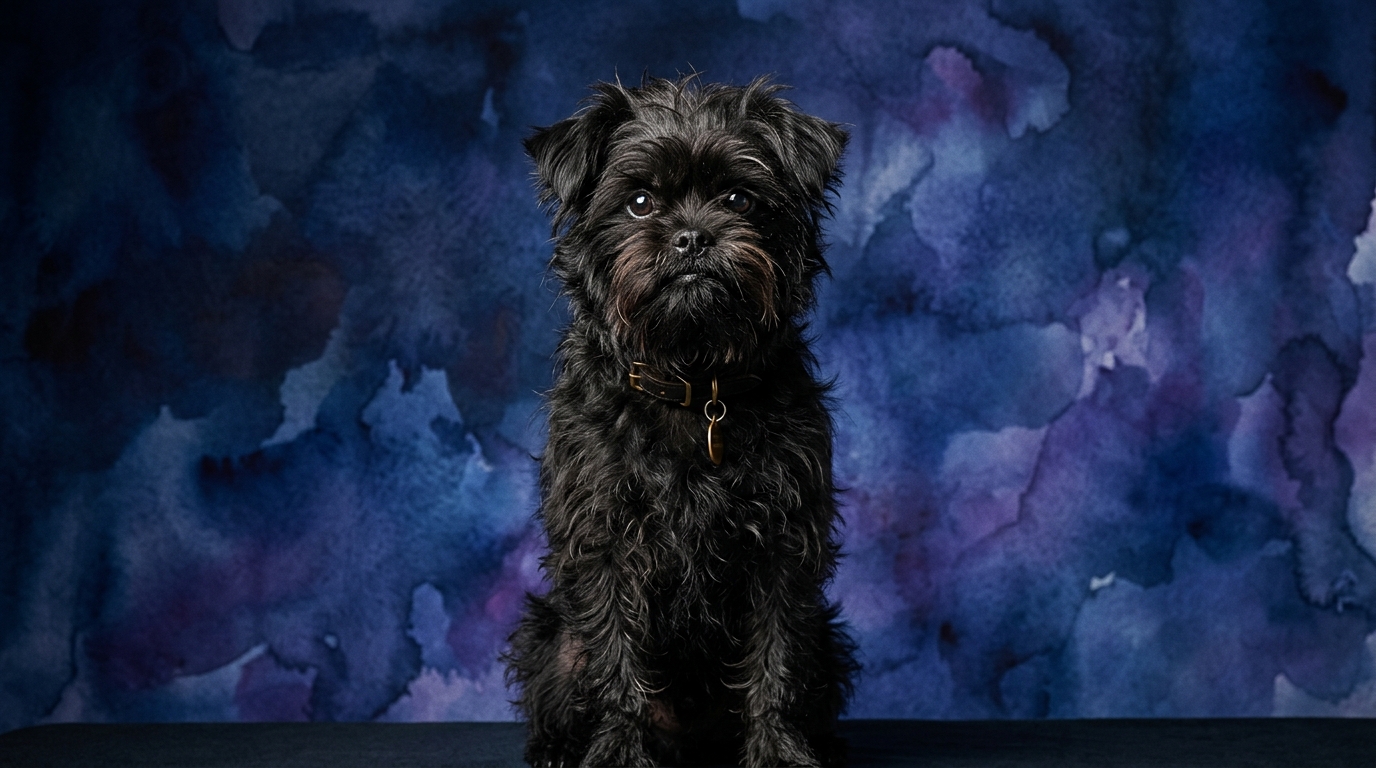
For the **Affenpinscher**, a 3/5 in Problem Solving indicates they are capable of navigating moderately complex challenges, often approaching them with a thoughtful, almost deliberate curiosity. Their smaller paws and agile bodies allow for a unique interaction with puzzle toys, where they might exhibit a focused, sometimes mischievous, determination. Their Training Speed at 3/5 suggests they learn new commands at a steady pace, but their independent spirit means consistency and positive reinforcement are paramount to encourage willing compliance. A 3/5 in Social Intelligence points to their ability to read human cues and integrate into family dynamics, often forming deep bonds while remaining discerning, sometimes even aloof, with strangers. Their Instinctive Drive, also 3/5, manifests as a moderate, watchful nature, perhaps a remnant of their historical role as ratters, showing focused attention on their immediate environment without being overwhelmingly driven by prey or territorial impulses. Finally, a 3/5 in Memory indicates a good capacity to retain learned behaviors, routines, and past experiences, influencing their comfort with established household rhythms and their recall of training cues.
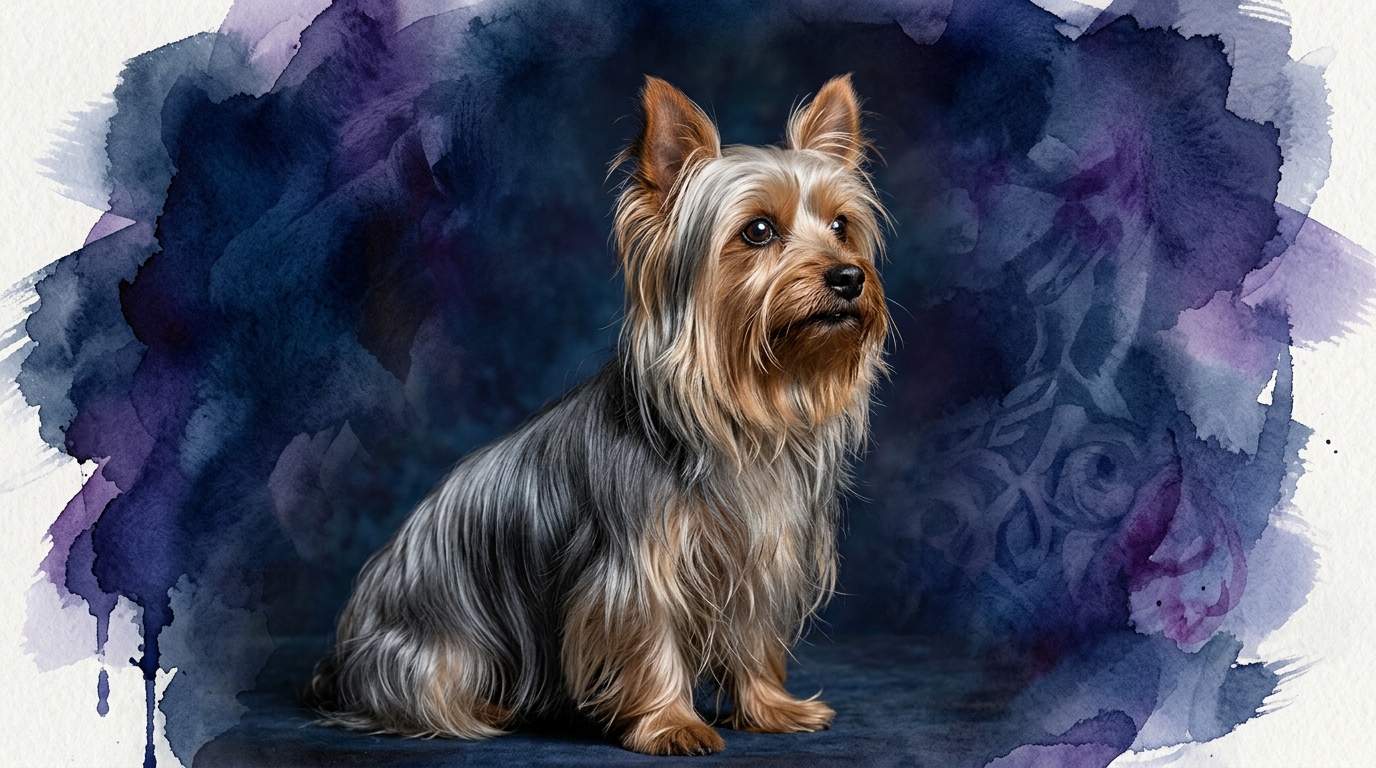
The **Silky Terrier**, also scoring 3/5 across all dimensions, expresses these cognitive abilities with a distinct terrier flair. Their Problem Solving at 3/5 means they are adept at tackling moderately difficult tasks, often employing a tenacious, investigative approach. They might use their sharp senses and persistent nature to overcome obstacles, sometimes through trial and error, driven by a strong desire to explore or achieve a goal. A 3/5 in Training Speed highlights their capacity to learn new commands at a moderate rate, though their spirited and sometimes easily distracted terrier nature requires engaging, varied, and highly motivating training sessions to maintain their focus. Their Social Intelligence at 3/5 reflects an ability to bond strongly with their family and understand social cues, yet their interactions with new people or other animals might carry a confident, sometimes assertive, disposition typical of their breed type. The 3/5 in Instinctive Drive is a notable aspect for Silkys, manifesting as a keen prey drive, an urge to dig, and a highly alert, vocal watchdog tendency, requiring appropriate outlets for these natural behaviors. Lastly, a 3/5 in Memory suggests they retain learned commands, routines, and environmental details effectively, particularly those related to exciting outdoor adventures or potential 'prey' encounters, which can impact their focus during walks.
Where the Affenpinscher Shines Cognitively
While both breeds share the same numerical scores, the Affenpinscher often exhibits a nuanced cognitive strength in areas demanding a particular kind of observational perceptiveness. Their 3/5 in Social Intelligence, for instance, tends to manifest as a more subtle attunement to human emotional states and household dynamics. They might pick up on unspoken cues or shifts in mood with a discerning sensitivity, making them exceptionally responsive companions within their trusted circle.
In Problem Solving, their 3/5 score is often expressed through a deliberate, almost thoughtful manipulation of objects. They tend to approach puzzle toys or minor environmental challenges with a focused, primate-like dexterity, favoring precision and careful exploration over brute force or relentless digging, which can be particularly satisfying for owners who enjoy engaging their dogs with intricate brain games.
Their Memory at 3/5 often translates into a strong adherence to routines and a clear recall of established comfort zones. An Affenpinscher is likely to remember exactly where their favorite napping spot is, the sequence of events leading to a walk, or the specific rituals of their day, providing a sense of predictable companionship that can be deeply comforting to their owners.
Where the Silky Terrier Excels Cognitively
The Silky Terrier's cognitive strengths, while numerically identical, lean towards a more robust and persistent engagement with their environment, particularly when their terrier instincts are activated. Their 3/5 in Instinctive Drive is a prime example; it imbues them with a focused tenacity for tasks that involve scent work, exploration, or 'hunting' games, making them particularly adept at activities requiring sustained effort and sensory investigation.
Their Problem Solving, also at 3/5, often manifests as a 'never give up' attitude. When faced with a barrier or a hidden treat, a Silky Terrier will typically employ a persistent, energetic approach, using their keen senses and physical agility to find a solution, often demonstrating impressive determination to achieve their desired outcome. This makes them excellent candidates for agility courses or interactive games where tenacity is rewarded.
In terms of Training Speed, their 3/5 score often comes with a lively responsiveness when highly motivated. While they can be independent, a Silky Terrier can show remarkably quick uptake for commands that are presented as engaging challenges or lead to highly valued rewards, especially if those rewards tap into their natural drives for play and discovery.
Training: Navigating Independent Spirits
Given that both breeds score 3/5 in Training Speed, neither can be definitively labeled as 'easier' to train, but rather, they require different approaches tailored to their unique temperaments. The Affenpinscher's independence, often linked to their discerning social intelligence and deliberate problem-solving style, means they might understand a command quickly but choose whether or not to comply based on their current mood or perceived benefit. Training an Affenpinscher demands patience, a light touch, and making sessions feel like engaging games to appeal to their playful yet sometimes stubborn nature. They respond best to consistent, positive reinforcement that builds trust and makes them feel like a valued partner in the learning process.
The Silky Terrier, while equally independent, brings a terrier's characteristic tenacity and potential for distraction to the training arena. Their 3/5 instinctive drive means that external stimuli, like a rustling leaf or a distant scent, can easily capture their attention, overriding learned commands. Effective training for a Silky involves short, highly engaging sessions with varied activities to combat boredom, strong motivation through high-value treats or toys, and consistent proofing in different environments to manage their inherent curiosity and prey drive. Their problem-solving tenacity means they can learn complex sequences, but their lively spirit necessitates making training enjoyable and challenging to keep them invested.
Matching Canine Cognition to Owner Lifestyles
The subtle cognitive and behavioral differences between these two Toy breeds make them suitable for distinct owner lifestyles. The Affenpinscher, with its moderate instinctive drive (3/5) and discerning social intelligence (3/5), generally suits owners who appreciate a companion with a charming, sometimes 'monkey-like' personality that enjoys both quiet companionship and moderate activity. They are content with daily walks and indoor play, thriving in a home that offers consistent routines and a calm, predictable environment. Their cognitive profile makes them an excellent fit for relaxed owners who enjoy a perceptive, low-to-moderate energy companion and are willing to engage in gentle, consistent training.
In contrast, the Silky Terrier, while also a Toy breed, carries a more pronounced energy and a 3/5 instinctive drive that demands a more active engagement. They thrive with owners who can provide consistent opportunities for exploration, vigorous play, and mental stimulation. Their tenacious problem-solving and higher energy levels make them ideal for active owners who enjoy longer walks, interactive games, and potentially dog sports like agility or earthdog trials. They are best suited for individuals or families who can channel their spirited terrier energy and keen senses into constructive activities, preventing boredom and potential mischief.
The Verdict
Choose an Affenpinscher if you seek a perceptive, charming, and moderately active companion who appreciates routine and offers a discerning, somewhat independent personality, thriving on gentle guidance and calm companionship.
Choose a Silky Terrier if you desire an energetic, tenacious, and alert companion who enjoys adventure, consistent engagement, and has a confident, spirited personality, thriving with owners who channel their natural terrier instincts.
🧠 Find Your Pet's IQ Score
Our Pet IQ Lab assessment covers 25+ tests across 5 cognitive dimensions — personalized to your breed.
Take the Full IQ Test →Frequently Asked Questions
Are Affenpinschers good with children?
Affenpinschers, with their 3/5 social intelligence, can coexist with respectful children, but their sensitive and sometimes assertive nature means they generally prefer older, calmer kids who understand how to interact gently. Supervision is always recommended to ensure positive interactions, as they may not tolerate rough play.
Do Silky Terriers bark a lot?
Silky Terriers, exhibiting a 3/5 instinctive drive, possess a natural alertness that often manifests as barking to signal perceived threats or excitement. While they can be trained to moderate their vocalizations, their inherent watchdog tendencies mean consistent training and management of environmental stimuli are crucial.
How much exercise do these breeds need?
Both breeds, scoring 3/5 in instinctive drive, benefit from regular activity, though their needs differ. Affenpinschers are content with moderate daily walks and indoor play, whereas Silky Terriers require more vigorous exercise, enjoying longer walks, games, and opportunities to explore due to their more pronounced terrier energy.