Side-by-Side IQ Profile: Unpacking Canine Minds
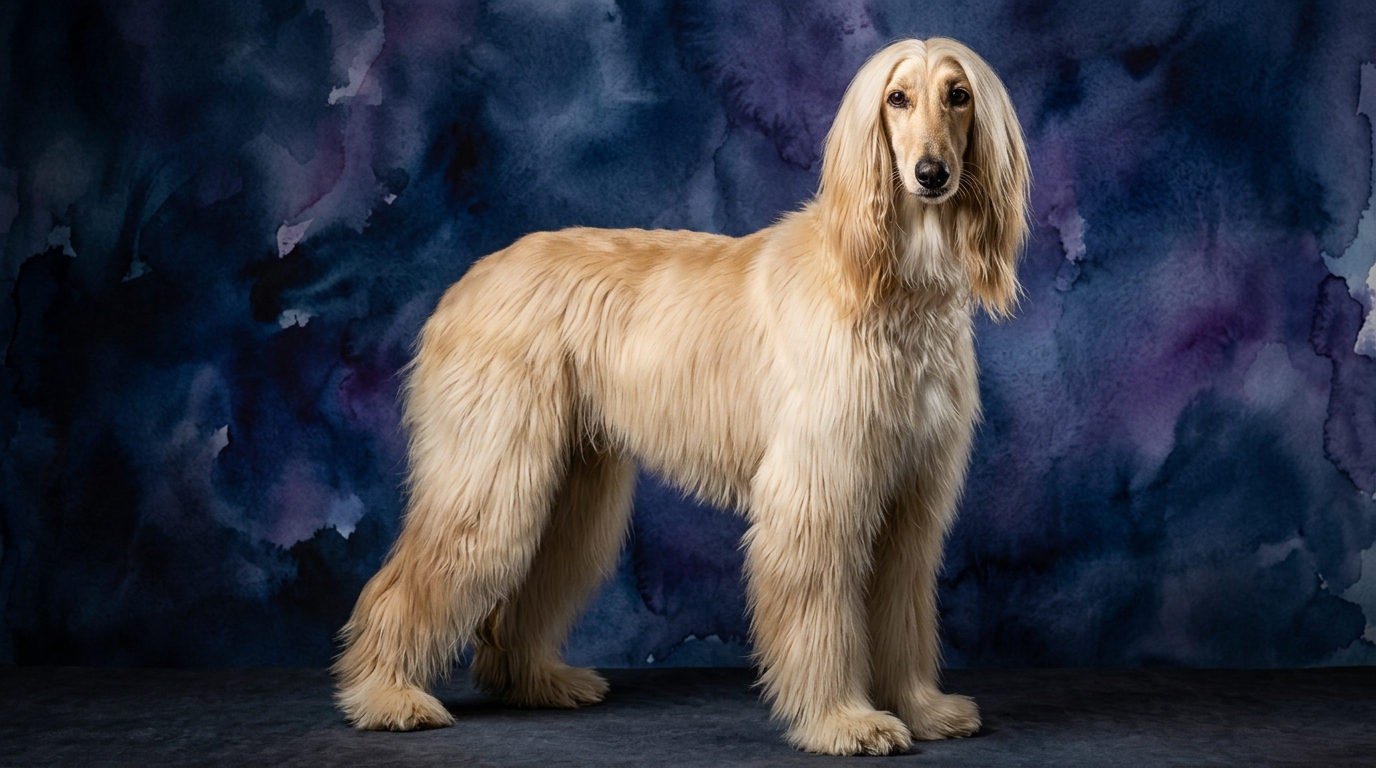
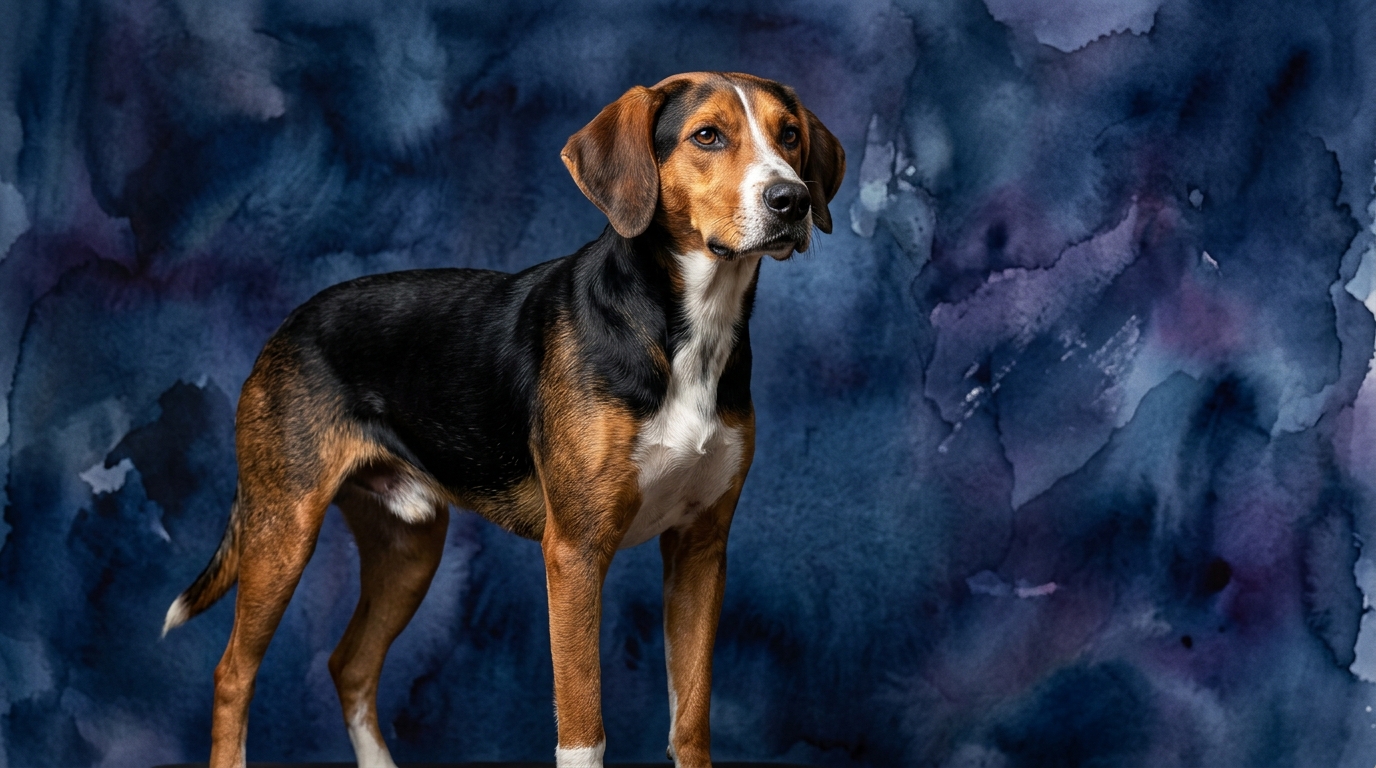
At The Cosmic Pet Pet IQ Lab, we delve beyond surface appearances to understand the intricate cognitive landscapes of our canine companions. For the Afghan Hound and American Foxhound, our analysis uncovers distinct mental strengths and challenges across five key dimensions. The Afghan Hound, recognized in Stanley Coren's intelligence ranking at #79, often presents a puzzle to conventional trainers, while the American Foxhound, though not Coren-ranked, offers a different, more cooperative mental framework.
**Afghan Hound Cognitive Profile:** Problem Solving (4/5): This breed excels at independent thought, often demonstrating ingenuity in navigating their environment to achieve personal goals. They are adept at figuring out how to open gates, reach forbidden items, or manipulate situations to their advantage, driven by a strong sense of self-interest rather than a desire to please. This isn't about solving human-set puzzles, but about devising practical solutions to their own dilemmas. Training Speed (1/5): Notoriously challenging to train in a conventional sense, Afghan Hounds require immense patience and highly creative, reward-based methods. Their low score reflects a disinterest in repetitive commands and a strong independent streak; they often perceive training as a suggestion rather than an imperative, learning slowly and often selectively. Social Intelligence (2/5): Afghan Hounds tend to be aloof and discerning, forming deep bonds with their immediate family but often remaining reserved or indifferent towards strangers and other dogs. They are not typically "people-pleasers" and may not actively seek social interaction beyond their inner circle, preferring quiet observation. Instinctive Drive (5/5): Possessing an exceptionally powerful prey drive, Afghan Hounds are highly attuned to movement and scent. This intense, innate hunting instinct can lead to bolting after perceived prey, making secure containment and diligent leash work absolutely critical for their safety. Their drive is a fundamental part of their being, not easily overridden. Memory (3/5): They have a good memory for routines, specific locations, and the people they deem important. However, this memory doesn't always translate to remembering commands they consider irrelevant or inconvenient, especially if not consistently reinforced with high-value rewards.
**American Foxhound Cognitive Profile:** Problem Solving (3/5): American Foxhounds exhibit practical problem-solving skills, particularly in contexts related to their hunting heritage, such as tracking a scent or navigating varied terrain. While capable, they are less inclined toward complex, abstract, or self-serving ingenuity compared to the Afghan Hound, preferring straightforward solutions to immediate challenges. Training Speed (3/5): This breed is generally responsive to positive reinforcement and clear instructions, capable of learning commands at a moderate pace. Their pack-oriented nature often makes them more eager to cooperate with their human companions, especially when tasks are engaging and rewarding, making them more receptive to structured training. Social Intelligence (3/5): American Foxhounds are typically amiable, sociable, and enjoy the company of both humans and other dogs. They are generally good-natured and adaptable in various social settings, though their strong scent drive can make them temporarily oblivious to their surroundings if a compelling trail presents itself. Instinctive Drive (3/5): While possessing a robust scent drive essential for tracking, the American Foxhound's instinctive drive is often more cooperatively oriented for pack hunting. This makes it strong but typically more manageable in a domestic setting than the Afghan's intense, solitary prey drive, often channeled into focused tracking rather than impulsive chasing. Memory (3/5): They have a solid memory for learned tasks, routines, and social interactions, retaining training well once established, especially if it serves a practical purpose or is part of a consistent routine. This contributes to their moderate trainability and adaptability.
Where the Afghan Hound Wins Cognitively
The Afghan Hound often demonstrates a superior capacity for self-directed problem-solving, scoring an impressive 4/5 in this dimension. This isn't about performing tricks but about their innate ability to independently analyze a situation and devise effective, often clever, solutions to satisfy their own desires, whether it's outsmarting a gate latch or reaching a counter-top snack. This ingenuity stems from a profound independence of thought. Furthermore, their instinctive drive, rated at a powerful 5/5, is another area where they truly stand out. This represents an unparalleled, almost primal, commitment to their ancestral hunting purpose. This manifests as an unwavering focus on scent trails and movement, a deep-seated impulse that defines much of their behavior and requires careful management in any domestic environment. This intense drive, while challenging, is a testament to their profound connection to their heritage.
Where the American Foxhound Wins Cognitively
The American Foxhound shines in its responsiveness to training, boasting a 3/5 rating for training speed. Unlike the Afghan, they are generally more amenable to learning and retaining commands, particularly when motivated by praise or treats, and when the tasks align with their cooperative, pack-oriented nature. This makes them a more rewarding student for consistent trainers. Their social intelligence, also rated 3/5, reflects a more outwardly gregarious and agreeable temperament, making them more adaptable to various social situations with people and other dogs, thriving on companionship. Furthermore, while possessing a robust instinctive drive (3/5), it tends to be more cooperatively oriented for pack hunting, making it somewhat more predictable and manageable in a home environment compared to the Afghan’s intense, solitary prey focus. Their drive is about collaboration, not just individual pursuit.
Which is Easier to Train and Why
When assessing ease of training, the American Foxhound clearly holds an advantage over the Afghan Hound. The American Foxhound’s training speed rating of 3/5, coupled with its 3/5 social intelligence, indicates a breed generally more eager to engage with human instruction and less inclined to challenge authority. They are often motivated by a desire to please their owners and thrive on consistent, positive reinforcement, making basic obedience and recall relatively achievable with patience. For instance, teaching an American Foxhound to "stay" or "come" can be accomplished through consistent repetition and reward, as they value their human's approval. In contrast, the Afghan Hound's training speed rating of 1/5 is notoriously low. Their independent, often self-serving problem-solving approach (4/5) and lower social intelligence (2/5) mean they are less interested in performing tasks merely to satisfy a human. Training an Afghan Hound requires exceptional patience, creativity, and an understanding that their primary motivation is often their own comfort or desire, not necessarily compliance. They learn slowly and forget quickly if the command doesn't serve an immediate purpose for them, making house-training or reliable recall particularly challenging without consistent, high-value rewards and an ability to make the desired behavior inherently rewarding for the dog.
Which Suits Active Owners vs. Relaxed Owners
For owners seeking a companion for regular, vigorous activity and who are prepared for consistent engagement, both breeds demand a certain level of commitment, though for different reasons. The American Foxhound, with its history as a cooperative hunting partner, requires substantial daily exercise to satisfy its energetic drive and prevent boredom, making it suitable for active individuals who enjoy long walks, runs, or structured outdoor activities like scent work or agility. Its cooperative nature means this activity can often be shared and enjoyed together. The Afghan Hound, despite its regal appearance, also possesses significant stamina and requires regular opportunities for free, fast running in a secure environment due to its powerful instinctive drive (5/5). However, their exercise might involve more independent bursts of speed and less structured interaction, often preferring to explore on their own terms. Relaxed owners might find either breed challenging without a dedicated approach to their needs. The American Foxhound’s need for mental stimulation and physical exertion can be channeled through training and shared activities, while the Afghan Hound's fiercely independent spirit and intense instinctive drive demand a secure, spacious environment and owners who appreciate a dog that operates on its own terms, rather than constantly seeking interaction or instruction. An Afghan will tolerate a relaxed owner who respects their independence, but still requires significant physical outlets.
The Verdict
Choose an Afghan Hound if you appreciate an independent, visually striking companion with a profound, self-directed problem-solving ability, and you are prepared for a dog that thrives on its own terms, requiring immense patience in training and secure containment for its powerful instincts.
Opt for an American Foxhound if you seek a more biddable, sociable hunting type that enjoys cooperative activities, responds well to consistent training, and thrives in an active household willing to meet its substantial exercise needs.
🧠 Find Your Pet's IQ Score
Our Pet IQ Lab assessment covers 25+ tests across 5 cognitive dimensions — personalized to your breed.
Take the Full IQ Test →Frequently Asked Questions
Are Afghan Hounds difficult to live with due to their low training speed?
Afghan Hounds present unique challenges due to their 1/5 training speed, often appearing disengaged from conventional commands. Owners must embrace their independent nature, utilizing highly motivating rewards and understanding that compliance is often secondary to their own desires, requiring a shift in typical training expectations.
How does the American Foxhound's instinctive drive manifest in a home environment?
The American Foxhound's 3/5 instinctive drive primarily involves a strong scenting ability and a desire to follow trails. In a home, this means they require secure fencing and leashed walks to prevent them from pursuing interesting smells, but their drive is generally more manageable for cooperative activities and less prone to independent, high-speed chases than the Afghan's.
Which breed is better for first-time dog owners?
Given the cognitive profiles, the American Foxhound (with 3/5 training speed and social intelligence) is generally a more forgiving choice for first-time owners who are committed to consistent training and exercise. The Afghan Hound's fiercely independent nature and low trainability (1/5) typically require experienced ownership and a deep understanding of hound psychology.