Side-by-Side Cognitive Profiles
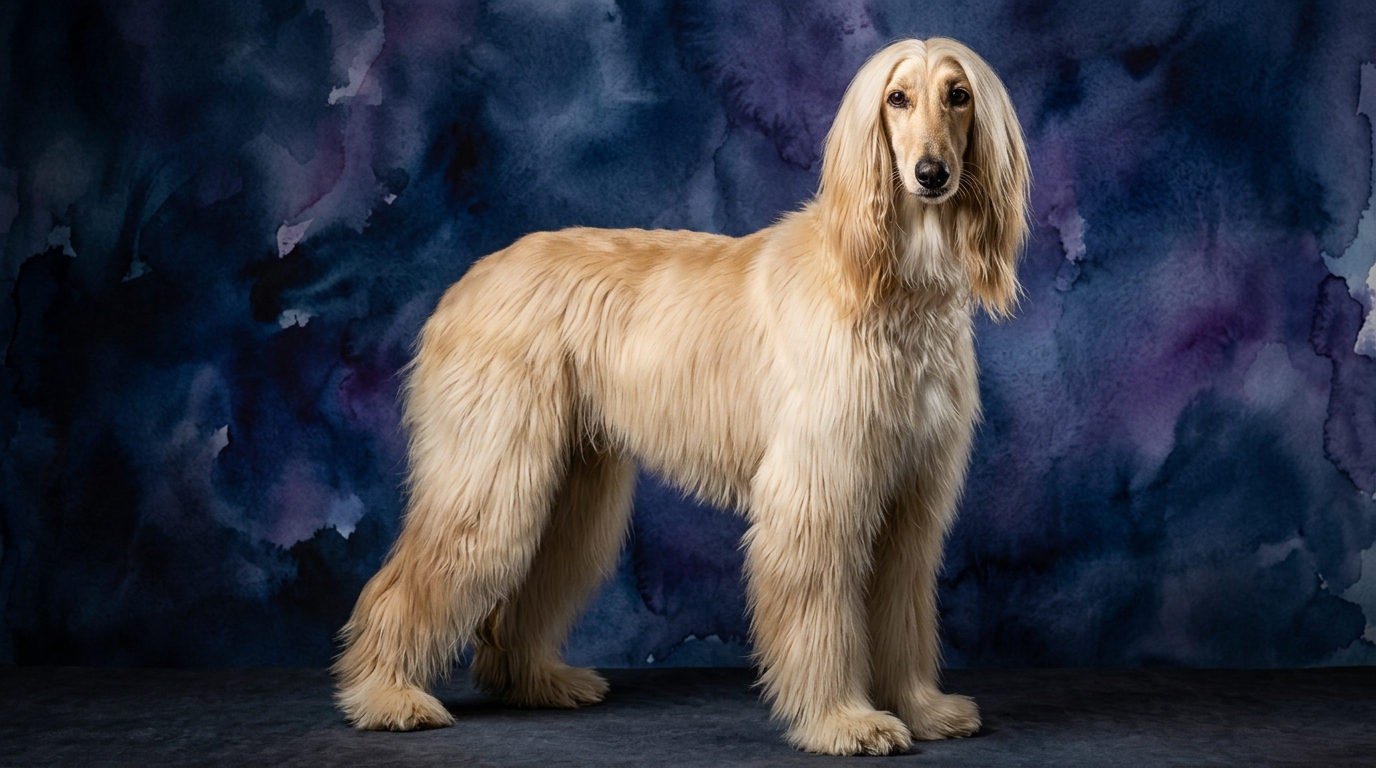
The Cosmic Pet Pet IQ Lab provides a nuanced framework to understand canine intelligence, moving beyond simple obedience to encompass problem-solving, training speed, social intelligence, instinctive drive, and memory. For the Afghan Hound, ranked #79 on the Coren scale, its cognitive strengths lie in areas distinct from traditional compliance. Their Problem Solving score of 4/5 indicates an exceptional capacity for independent thought, particularly when navigating complex environments or strategizing to achieve a self-directed goal, such as pursuing quarry. However, their Training Speed is a low 1/5, reflecting a strong independent streak and a tendency to prioritize personal motivations over human directives. Social Intelligence, at 2/5, suggests a reserved nature; they process human cues but often choose whether to engage based on their own immediate interests. An Instinctive Drive of 5/5 highlights their profound sighthound heritage, with an overwhelming urge to chase and hunt, a drive that profoundly influences their behavior and focus. Their Memory, rated 3/5, is moderate, meaning they retain information but its recall can be inconsistent, often overshadowed by their powerful drives.
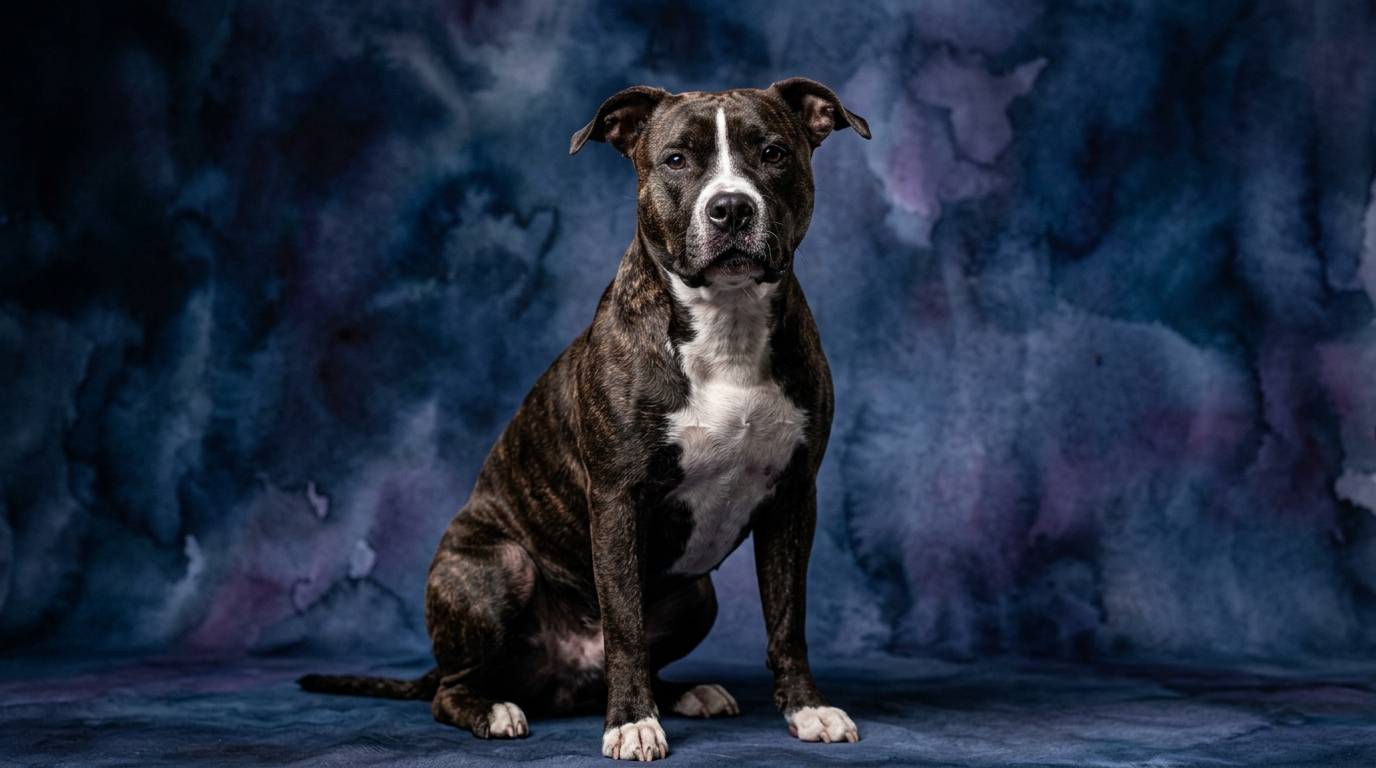
In contrast, the American Staffordshire Terrier, positioned at #48 on the Coren scale, presents a more balanced cognitive profile, particularly in areas facilitating human partnership. Their Problem Solving score of 3/5 denotes a competent ability to figure out puzzles and new situations, often through persistence and physical manipulation, though perhaps with less abstract ingenuity than the Afghan. A Training Speed of 3/5 indicates a moderate pace of learning, responding well to consistent positive reinforcement and finding satisfaction in cooperative tasks. Their Social Intelligence, also 3/5, reflects a generally affable and responsive nature, capable of interpreting and adapting to social cues within their family unit, fostering strong bonds. The AmStaff’s Instinctive Drive is 3/5, manifesting as engagement in games and interactive play, but it is generally manageable and less singularly focused than the Afghan’s prey drive. Crucially, their Memory scores 4/5, demonstrating excellent retention of learned information, including commands and routines, which significantly contributes to their overall trainability and adaptability within a human household.
Where the Afghan Hound Excels Cognitively
The Afghan Hound's cognitive prowess shines brightest in situations demanding self-reliance and independent action. Their 4/5 Problem Solving score isn't about deciphering human-designed puzzles for treats; it's about their ancestral capacity to navigate vast, challenging terrains, identify and pursue fast-moving prey, and make split-second decisions without human intervention. This breed truly excels at autonomous strategy, such as finding the most efficient path around an obstacle during a high-speed chase or discerning the best vantage point to spot a distant movement. Their high Instinctive Drive (5/5) is intrinsically linked to this problem-solving ability; it fuels their motivation to act and provides the framework for their independent decision-making. They demonstrate a sophisticated understanding of their environment, prioritizing sensory input related to movement and distance above almost all else. Owners witness this as an Afghan Hound scanning the horizon with intense focus, mentally mapping out potential scenarios for pursuit, or cleverly finding a way through a fence that a less self-directed dog might simply bark at. This independent cognitive style means they are adept at tasks requiring initiative and self-direction, rather than rote compliance.
Where the American Staffordshire Terrier Excels Cognitively
The American Staffordshire Terrier's cognitive strengths are centered around their capacity for cooperative learning and robust memory, making them adept at integrating into a human-centric world. Their 4/5 Memory score means they retain commands, routines, and social cues exceptionally well, building a strong foundation for consistent behavior. This superior recall allows them to learn complex sequences of actions and understand intricate household rules, making them predictable and reliable companions once trained. Coupled with their 3/5 Training Speed and 3/5 Social Intelligence, AmStaffs demonstrate a genuine willingness to engage with their human counterparts, interpreting intentions and responding to guidance. They excel at understanding cause-and-effect related to human interaction, quickly learning what behaviors yield positive outcomes like praise or play. For instance, an AmStaff is more likely to remember a multi-step fetch game or a specific sequence of agility obstacles after fewer repetitions than an Afghan Hound. Their cognitive profile makes them highly capable of forming strong associative learning, connecting verbal cues with specific actions and internalizing expectations for behavior within a family unit. This adaptability and retention make them excellent candidates for a variety of structured activities and roles where understanding and remembering human directives are paramount.
Which is Easier to Train and Why
Based on their cognitive profiles, the American Staffordshire Terrier is unequivocally easier to train than the Afghan Hound. The AmStaff's 3/5 Training Speed, combined with a 4/5 Memory and 3/5 Social Intelligence, creates a highly receptive learner. They generally enjoy working with humans, respond positively to reinforcement, and retain lessons effectively. Real behavioral differences illustrate this: an AmStaff often shows genuine enthusiasm for training sessions, focusing on the handler and striving to understand what is being asked. They are more likely to repeat a desired action for a reward or praise, demonstrating a clear understanding of the command-action-reward loop.
Conversely, the Afghan Hound's 1/5 Training Speed and 5/5 Instinctive Drive pose significant challenges. Their independent nature means they are less inclined to perform actions simply for human approval. When an Afghan Hound is presented with a command, its internal cognitive process often weighs the perceived benefit of compliance against its own powerful drives or desires. If a novel scent or movement captures their attention, their high instinctive drive will almost certainly override any learned command, leading to what owners often describe as 'selective deafness.' Their problem-solving abilities are geared towards self-preservation and pursuit, not obedience. While they can learn, it requires immense patience, creativity, and motivation from the owner, often needing many more repetitions and a highly engaging reward system to achieve even basic compliance. The AmStaff's cognitive architecture is simply more wired for cooperative learning and retention of human-directed tasks, making the training journey significantly smoother and more rewarding for most owners.
Which Suits Active Owners vs. Relaxed Owners
The choice between an Afghan Hound and an American Staffordshire Terrier largely depends on an owner's preferred activity level and their expectations for canine engagement. An Afghan Hound, despite its independent nature, requires owners who can accommodate its bursts of intense physical activity. Their 5/5 Instinctive Drive means they need regular, extensive opportunities to run at top speed in a secure, fenced area. This isn't about structured exercise like jogging on a leash; it's about unleashing their sighthound instincts for a powerful, uninhibited sprint. Owners must be prepared for a dog that, after a vigorous run, is content to be a relaxed, often aloof, companion indoors. They thrive with owners who appreciate their independent spirit and don't demand constant interaction or obedience. Mental stimulation for an Afghan often comes from observing their surroundings, independent exploration, or engaging their sight and scent, rather than complex training games or obedience work. They are well-suited for owners who enjoy long, quiet walks and provide ample space for their dog to 'be a dog' on its own terms, without constant direction.
The American Staffordshire Terrier, with its balanced drives and higher social intelligence, suits active owners who enjoy consistent, interactive engagement. Their moderate to high physical exercise needs are often coupled with a strong desire for human companionship and mental challenge. AmStaffs thrive on having a 'job' or purpose, whether it's through structured obedience training, agility, flyball, or long, interactive play sessions. They are excellent partners for hiking, running, and participating in dog sports, deriving satisfaction from working alongside their owners. These dogs benefit from owners who can provide consistent mental stimulation through training, puzzle toys, and varied activities that leverage their problem-solving and memory skills. A relaxed owner might find an AmStaff's need for engagement challenging, as a lack of mental and physical outlets can lead to boredom and undesirable behaviors. They are best for owners who are prepared to be active participants in their dog's daily life, fostering a strong, cooperative bond through shared activities and consistent guidance.
The Verdict: When to Choose Each
The Verdict
Choose the Afghan Hound if you value an independent, elegant companion with a profound instinct for chase, and you can provide secure, expansive spaces for their powerful bursts of energy, appreciating their reserved yet affectionate nature.
Opt for the American Staffordshire Terrier if you seek a loyal, trainable, and engaging partner for an active lifestyle, willing to invest in consistent training and interactive activities to foster their cooperative intelligence and strong bond.
🧠 Find Your Pet's IQ Score
Our Pet IQ Lab assessment covers 25+ tests across 5 cognitive dimensions — personalized to your breed.
Take the Full IQ Test →Frequently Asked Questions
Is the Afghan Hound difficult to live with due to its low training speed?
The Afghan Hound's low training speed means they require significant patience and creative motivation. While they can learn, their independent nature and strong instinctive drives mean they often prioritize their own impulses over human commands, making consistent obedience a long-term project.
How does the AmStaff's memory benefit owners in daily life?
The American Staffordshire Terrier's strong memory (4/5) allows them to quickly learn and retain household rules, routines, and commands. This translates to a more predictable and well-behaved companion, as they remember what is expected of them, leading to smoother daily interactions.
Do both breeds require a lot of exercise?
Both breeds have significant exercise needs, but in different ways. Afghan Hounds require intense, high-speed running in secure areas to satisfy their sighthound instincts, while American Staffordshire Terriers thrive on consistent, interactive physical and mental engagement like long walks, structured play, or dog sports.