Side-by-Side IQ Profile: Afghan Hound
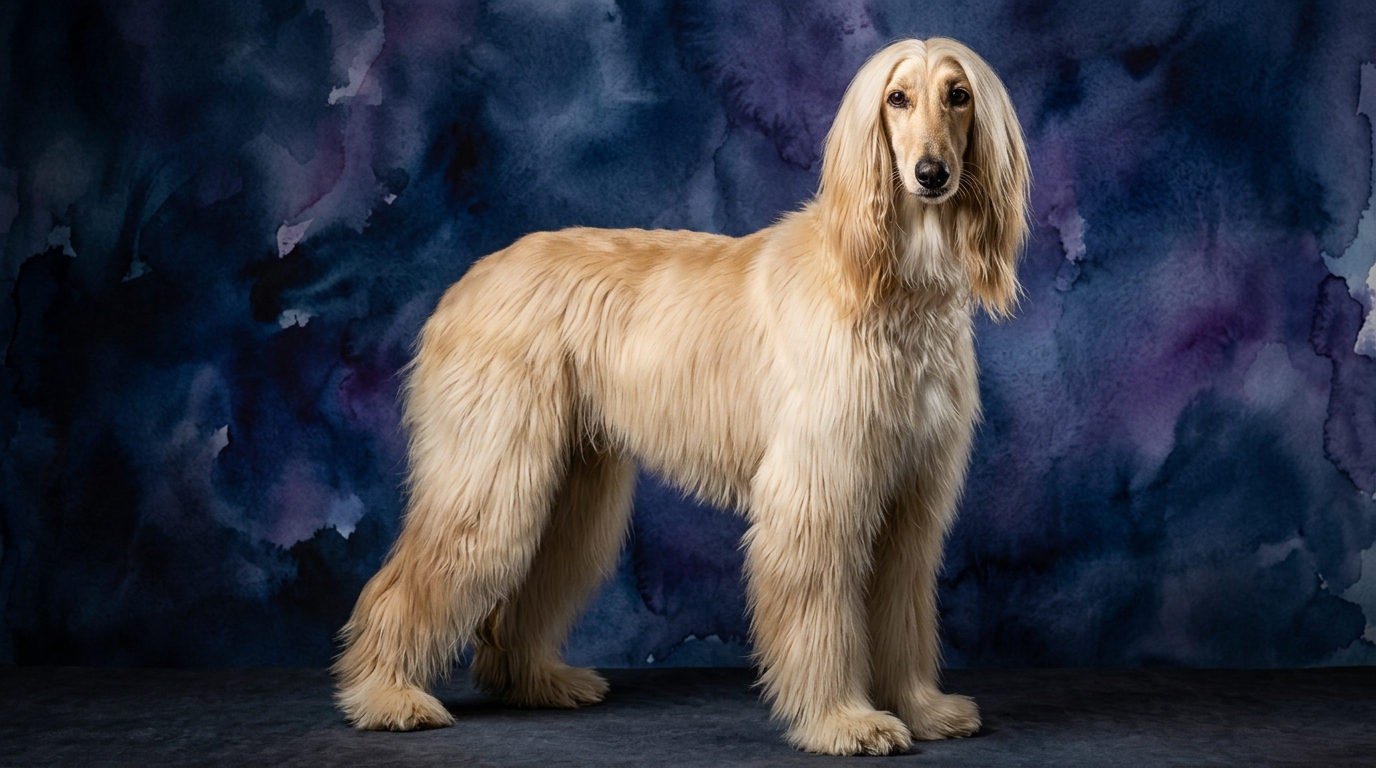
The Afghan Hound, a sighthound of ancient lineage, presents a cognitive profile shaped by its heritage of independent hunting. Their Problem Solving ability rates a respectable 4/5, indicating a capacity for navigating complex situations, often to achieve their own objectives. However, their Training Speed is a stark 1/5, reflecting an inherent disinterest in repetitive instruction or tasks that don't immediately align with their desires. Social Intelligence stands at 2/5, suggesting a more aloof demeanor, less inclined to interpret subtle human cues or seek constant approval. Where they truly shine is in Instinctive Drive, scoring a perfect 5/5, a testament to their powerful, self-directed hunting prowess. Their Memory is a solid 3/5, sufficient for retaining information relevant to their environment and experiences, though perhaps not for an extensive repertoire of human-imposed commands.
Side-by-Side IQ Profile: Belgian Tervuren
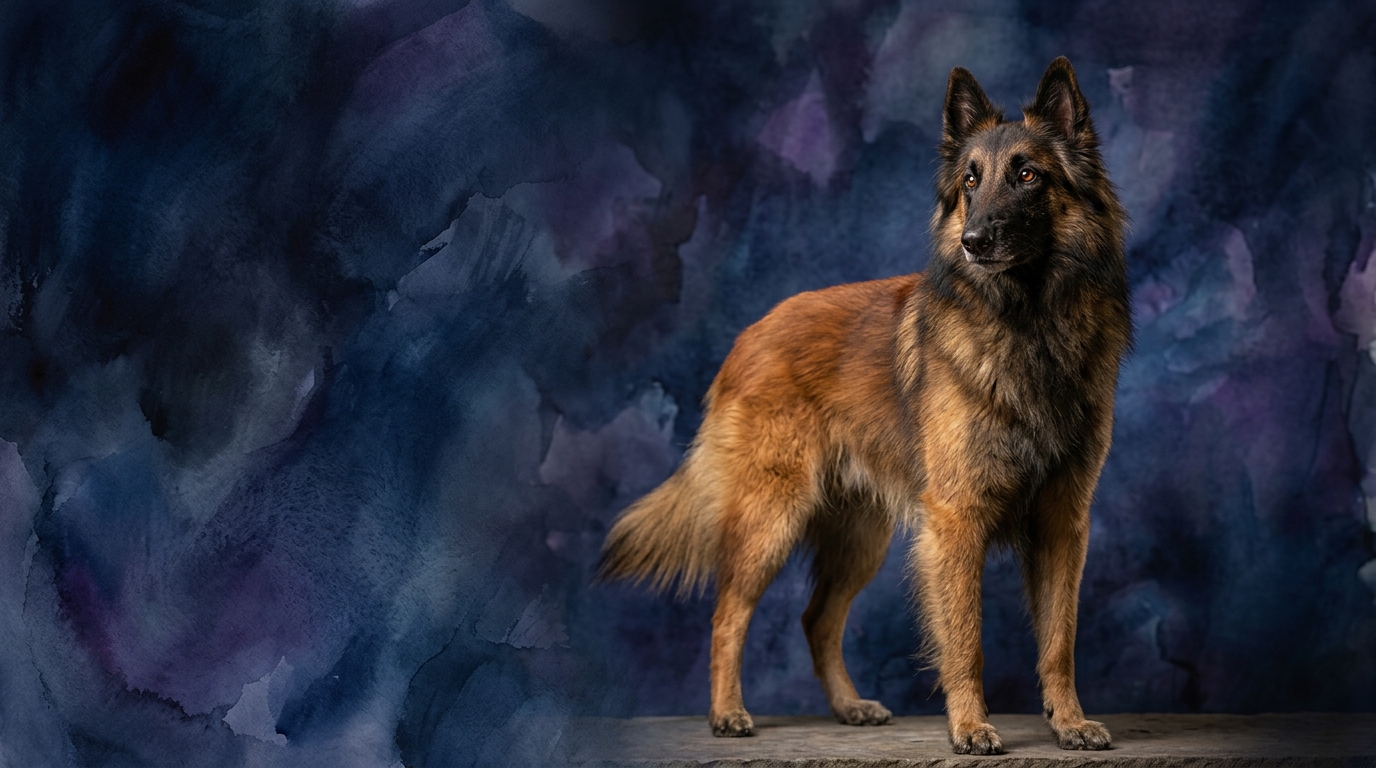
In contrast, the Belgian Tervuren, a member of the Herding group, exhibits a mind built for collaboration and directed work. Their Problem Solving ability is exceptional at 5/5, enabling them to quickly assess and adapt to novel scenarios with strategic thinking. Their Training Speed also rates a perfect 5/5, highlighting their eagerness to learn and rapid acquisition of new skills and commands. Social Intelligence is a strong 3/5, indicating a keen awareness of their human companions' intentions and a desire to engage meaningfully. Their Instinctive Drive, while present, is a moderate 3/5, primarily manifesting as a herding impulse that can be channeled and managed. Crucially, their Memory is an outstanding 5/5, allowing them to recall a vast array of commands and experiences with remarkable consistency.
Where the Afghan Hound Wins Cognitively
While the Afghan Hound's Coren rank of #79 might suggest otherwise, its cognitive strengths are undeniable within its specific context. The breed's supreme Instinctive Drive, rated 5/5, is a profound cognitive asset, allowing them to process environmental stimuli for hunting opportunities with unmatched efficiency and focus. This isn't merely a physical drive; it's a sophisticated cognitive program for independent pursuit, involving rapid identification of movement, assessment of terrain, and strategic chase. Their Problem Solving at 4/5, combined with this drive, means they are adept at finding solutions to challenges that directly benefit them, such as navigating complex landscapes to track prey or outsmarting obstacles to reach a desired location. They excel at self-directed tasks where their innate predatory intelligence can flourish, making quick, autonomous decisions without needing human input or approval. This cognitive independence, while challenging for conventional training, is a victory in terms of self-sufficiency and focused intent.
Where the Belgian Tervuren Wins Cognitively
The Belgian Tervuren's cognitive superiority is evident across multiple dimensions, making it a highly versatile and adaptable companion. Their Problem Solving ability, a perfect 5/5, signifies a mind that not only grasps complex situations but actively seeks optimal solutions, often anticipating consequences. This cognitive agility allows them to excel in diverse roles, from obedience trials to search and rescue, where quick, accurate decisions are paramount. Coupled with an equally impressive Training Speed of 5/5, Tervurens absorb new information and commands with remarkable swiftness, making them a joy for experienced trainers. Their outstanding Memory (5/5) ensures that learned behaviors and complex sequences are retained long-term, building a robust foundation for advanced work. This combination of rapid learning, excellent retention, and proactive problem-solving places the Tervuren at the pinnacle of cognitive performance for collaborative tasks, reflecting their Coren rank of #14.
Which Is Easier to Train and Why
The distinction in trainability between these two breeds is profound, stemming directly from their core cognitive wiring and historical roles. The Belgian Tervuren is unequivocally the easier breed to train, a fact highlighted by its perfect 5/5 scores in both Training Speed and Memory. Their herding lineage instilled a strong desire to work in partnership with humans, making them naturally receptive to direction and eager to please. When a Tervuren is given a command, their high Social Intelligence (3/5) ensures they are paying attention to the handler's intent, their problem-solving mind (5/5) quickly processes the request, and their exceptional memory (5/5) ensures the lesson sticks. They thrive on structure and mental engagement, viewing training as a stimulating activity rather than a chore. In contrast, the Afghan Hound's Training Speed of 1/5 is a direct consequence of its independent nature and lower social intelligence (2/5). An Afghan Hound often understands a command but may choose not to comply if it perceives a more compelling alternative, such as a distant movement or a comfortable napping spot. Their strong Instinctive Drive (5/5) means that once focused on an external stimulus, redirecting their attention can be incredibly challenging. Training an Afghan Hound requires immense patience, creativity, and an understanding that their compliance is often voluntary, rather than an inherent desire to please. They are not 'stubborn' in a malicious sense, but rather self-directed, making traditional obedience a significant uphill battle.
Which Suits Active Owners vs. Independent Companionship
When considering lifestyle compatibility, the cognitive profiles of these breeds paint clear pictures for potential owners. The Belgian Tervuren is an ideal match for highly active owners who are prepared to provide consistent mental and physical stimulation. Their exceptional problem-solving and training speed mean they thrive with structured activities like agility, obedience, protection work, or even complex trick training. An owner who enjoys daily challenging walks, training sessions, and engaging their dog in a 'job' will find the Tervuren an eager and capable partner. Their moderate instinctive drive means their energy can be channeled productively. Conversely, the Afghan Hound, while possessing an intense instinctive drive, is not necessarily suited for the same type of 'active' ownership. Their independent nature and low training speed mean they are not ideal for competitive obedience or agility where precision and rapid response are key. They require regular, vigorous exercise – long, secure runs where they can stretch their legs and satisfy their 5/5 instinctive drive – but this exercise often doesn't need to be highly structured or collaborative. They suit owners who appreciate a dog with a regal, somewhat detached demeanor, who are comfortable with a less 'involved' companion during downtime, and who can provide secure, expansive areas for their hound to express its natural athleticism without constant direction. They are not for the truly 'relaxed' owner who avoids exercise, but rather for one who appreciates independent activity over constant partnership.
The Verdict
For those seeking a highly trainable, versatile, and collaborative companion eager to engage in structured activities and problem-solving, the Belgian Tervuren stands out as the clear choice. Its cognitive strengths are geared towards partnership and directed achievement.
If, however, you are drawn to a dog of profound independence, possessing a powerful, self-directed intellect and an elegant, aloof presence, and are prepared for the unique training challenges that accompany such a spirit, the Afghan Hound might be your ideal match, valuing its self-sufficiency over constant compliance.
🧠 Find Your Pet's IQ Score
Our Pet IQ Lab assessment covers 25+ tests across 5 cognitive dimensions — personalized to your breed.
Take the Full IQ Test →Frequently Asked Questions
Is the Afghan Hound truly difficult to train, or simply misunderstood?
The Afghan Hound isn't difficult because of a lack of understanding, but because its cognitive design prioritizes self-interest and innate drives over human directives. Its low training speed and social intelligence mean it often understands commands but chooses not to comply if a more appealing independent activity presents itself.
What makes the Belgian Tervuren so adept at learning complex tasks?
The Belgian Tervuren's exceptional problem-solving, rapid training speed, and perfect memory combine to make it highly adept at complex tasks. This breed actively engages its mind, quickly absorbing and retaining intricate sequences and adapting its behavior based on new information.
How do their instinctive drives impact their daily behavior?
The Afghan Hound's 5/5 instinctive drive translates to an intense prey drive, meaning they may bolt after perceived game, requiring secure leashes and fences. The Belgian Tervuren's 3/5 instinctive drive manifests as a herding impulse, which, while manageable, means they might try to 'herd' family members or other pets, requiring consistent guidance and channeling.