Side-by-Side Cognitive Profile
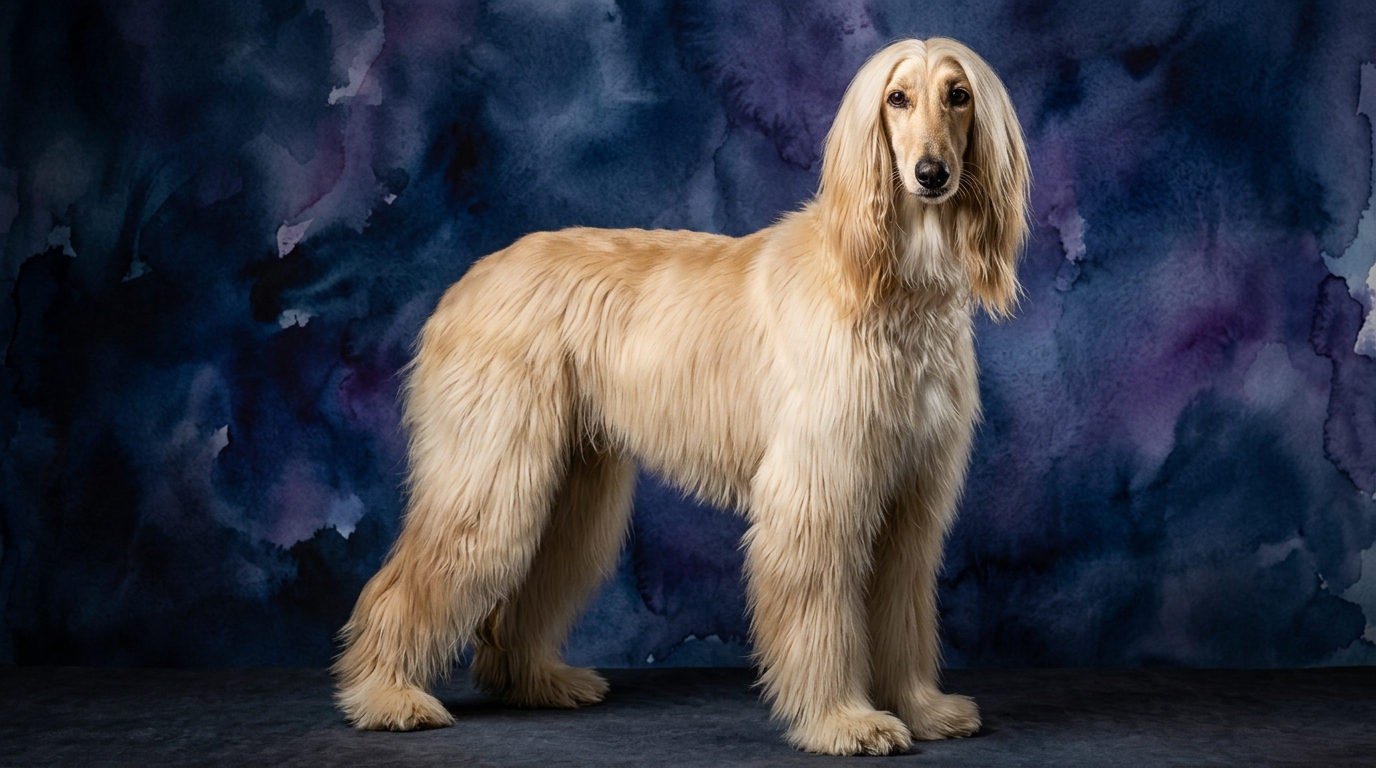
Our Cosmic Pet Pet IQ Lab assesses five key dimensions of canine intelligence, and for the Afghan Hound, their profile paints a picture of independent thought and powerful instinct. They score 4/5 for Problem Solving, indicating a capacity for complex, self-directed solutions, particularly in scenarios that mimic their ancestral hunting tasks, such as navigating varied terrain or tracking. Training Speed registers at 1/5, reflecting a selective approach to learning human commands and a strong independent streak that often prioritizes their own agenda. Social Intelligence is 2/5; while capable of reading human emotions, their primary inclination isn't immediate social interaction or people-pleasing, often appearing reserved. Instinctive Drive is a perfect 5/5, highlighting their profound urge to chase and hunt, which directs much of their behavior. Finally, Memory stands at 3/5, showing they retain experiences and routines, though their independence can sometimes override command recall.
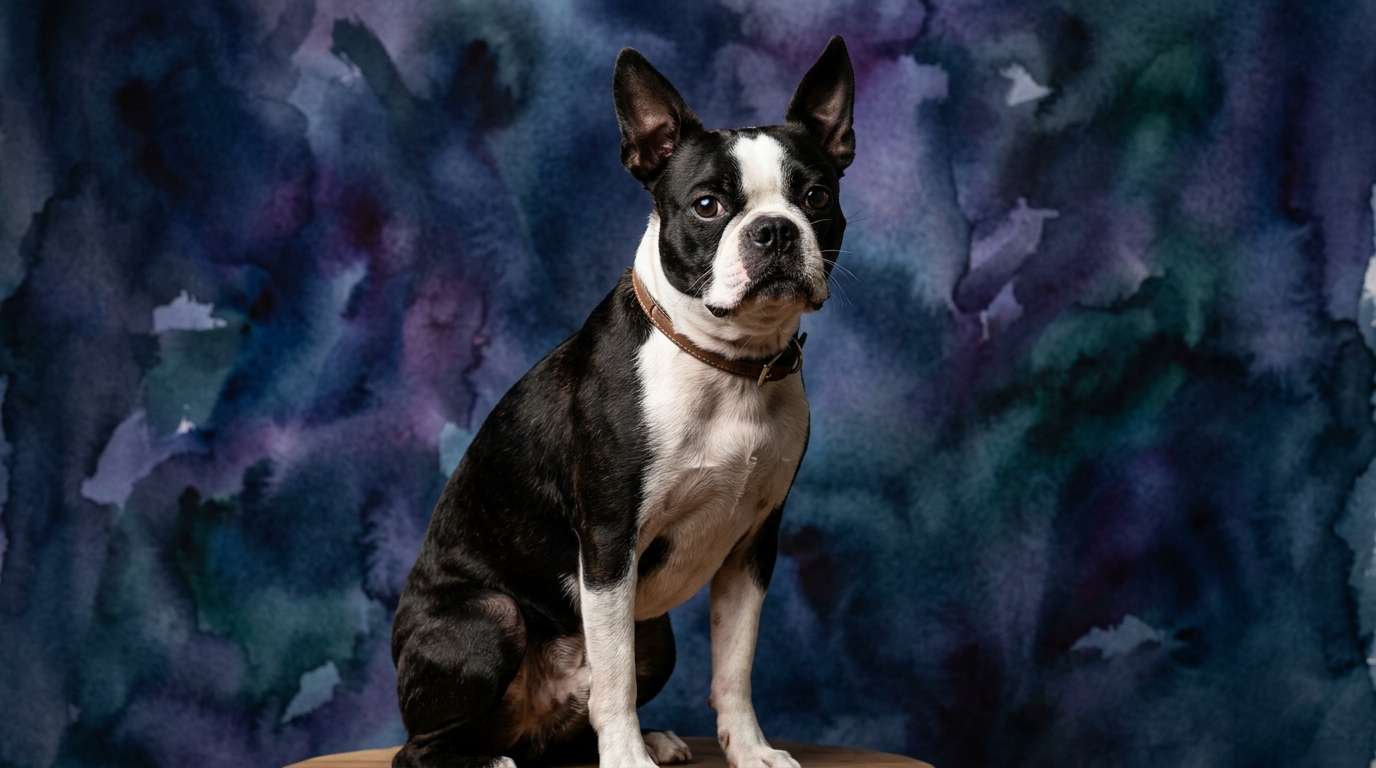
In contrast, the Boston Terrier presents a different set of cognitive strengths, aligning with their role as a companion animal. Their Problem Solving is rated 3/5, demonstrating practical intelligence for daily routines and minor household challenges, adapting well to their environment. Training Speed scores 3/5, suggesting they learn new commands at a moderate pace, generally showing enthusiasm for engaging with their human partners. Social Intelligence is notably higher at 4/5; they are highly attuned to human emotions and social cues, thriving on companionship and often seeking to please. Instinctive Drive is 2/5, indicating a relatively low prey drive and instincts more geared towards interaction than independent pursuit. Their Memory is also 3/5, providing a solid capacity for recalling commands, routines, and familiar individuals, contributing to their adaptability as a house pet.
Where the Afghan Hound Excels Cognitively
The Afghan Hound’s cognitive strengths are most apparent in areas demanding independent decision-making and primal instinct. With a Problem Solving score of 4/5 compared to the Boston Terrier’s 3/5, the Afghan Hound demonstrates superior ability in devising unique solutions, particularly in complex, dynamic environments. This breed excels at figuring things out on its own, a trait deeply ingrained by its sighthound heritage where swift, autonomous choices were essential for survival. Their unparalleled Instinctive Drive, a perfect 5/5 against the Boston Terrier’s 2/5, means they possess an profound understanding of their surroundings and a proactive, almost primal, approach to engaging with it. This translates to an exceptional capacity for activities requiring endurance, speed, and self-directed action in pursuit, showcasing a deep, inherent intelligence for their original purpose.
Where the Boston Terrier Shines Cognitively
The Boston Terrier’s cognitive advantages lie primarily in their capacity for social interaction and their willingness to learn from humans. Their Social Intelligence score of 4/5, significantly higher than the Afghan Hound’s 2/5, highlights their exceptional ability to understand and respond to human social cues. They prioritize connection and often seek to integrate seamlessly into family life, making them highly responsive to the nuances of human interaction and companionship. Furthermore, their Training Speed of 3/5, in stark contrast to the Afghan Hound’s 1/5, means they learn new commands and routines much faster. This quicker uptake is driven by a greater willingness to cooperate and engage in structured learning activities, often motivated by a desire to please their human companions.
Trainability: A Tale of Two Temperaments
When it comes to trainability, the differences between these two breeds become particularly pronounced, directly influenced by their core cognitive profiles. The Boston Terrier is generally a much easier breed to train due to their higher social intelligence and moderate training speed. They are inherently more inclined to pay attention to human instructions and possess a desire to please, making them receptive students. They respond very well to positive reinforcement and consistent methods, forming clear associations between actions and rewards. Their lower instinctive drive also means fewer external distractions pulling their focus away from training sessions, allowing for more consistent progress in obedience and manners.
Conversely, the Afghan Hound presents a more significant training challenge. Their low training speed (1/5) coupled with an exceptionally high instinctive drive (5/5) means they frequently prioritize their own impulses and a strong independent streak over human commands. Training an Afghan Hound requires immense patience, creative and engaging motivation techniques, and a profound understanding of their independent nature. It’s less about achieving immediate, robotic obedience and more about building a strong, respectful partnership where the dog *chooses* to cooperate. Their powerful drive, especially their sighthound instinct, can make reliable recall incredibly difficult if they spot something that triggers their chase response, demanding specialized training and management strategies.
Matching Breeds to Lifestyles: Active vs. Relaxed Owners
The distinct cognitive and behavioral traits of the Afghan Hound and Boston Terrier make them suitable for vastly different owner lifestyles. The Afghan Hound, with its exceptional instinctive drive (5/5) and need for physical exertion, is an ideal match for active owners. They thrive with individuals or families who can provide consistent, stimulating outlets for their boundless physical and mental energy, such as long runs, lure coursing, or other high-intensity pursuits. These owners must also appreciate and manage their independent problem-solving nature, understanding that their dog will often make its own choices, requiring a proactive approach to management and training.
The Boston Terrier, on the other hand, with its moderate activity needs, higher social intelligence (4/5), and lower instinctive drive (2/5), is perfectly suited for owners seeking a more relaxed companion. They are generally content with regular, brisk walks and engaging indoor play sessions, valuing companionship and social interaction above intense physical challenges. Their adaptable nature means they fit well into a more sedentary lifestyle, provided their significant social needs for interaction and inclusion in family activities are consistently met. They are excellent choices for urban dwellers or those who prefer a devoted, less demanding exercise routine from their canine friend.
The Verdict
Choose the Afghan Hound if you are an experienced, active owner seeking an independent, elegant companion for high-energy activities and appreciate a dog that thinks for itself, even if it means training requires exceptional patience.
Opt for the Boston Terrier if you desire a devoted, socially adept companion with moderate exercise needs, who is generally eager to please and integrates seamlessly into a relaxed family environment.
🧠 Find Your Pet's IQ Score
Our Pet IQ Lab assessment covers 25+ tests across 5 cognitive dimensions — personalized to your breed.
Take the Full IQ Test →Frequently Asked Questions
Is the Afghan Hound truly untrainable?
While their training speed score is low, Afghan Hounds are not untrainable; rather, they require a different approach. They respond best to positive reinforcement, short engaging sessions, and an understanding that their independent nature means compliance might not be immediate or absolute.
Do Boston Terriers need a lot of exercise?
Boston Terriers have moderate exercise needs, typically satisfied with a couple of daily walks and some indoor playtime. Their lower instinctive drive means they are generally content with less intense physical activity compared to more driven breeds.
Which breed is better with children?
The Boston Terrier's higher social intelligence and generally eager-to-please nature often make them a more straightforward choice for families with children, provided proper introductions and supervision occur. Afghan Hounds, being more reserved, can be good with respectful children but may not seek out interaction as readily.