Side-by-Side Cognitive Profiles: A Deeper Look
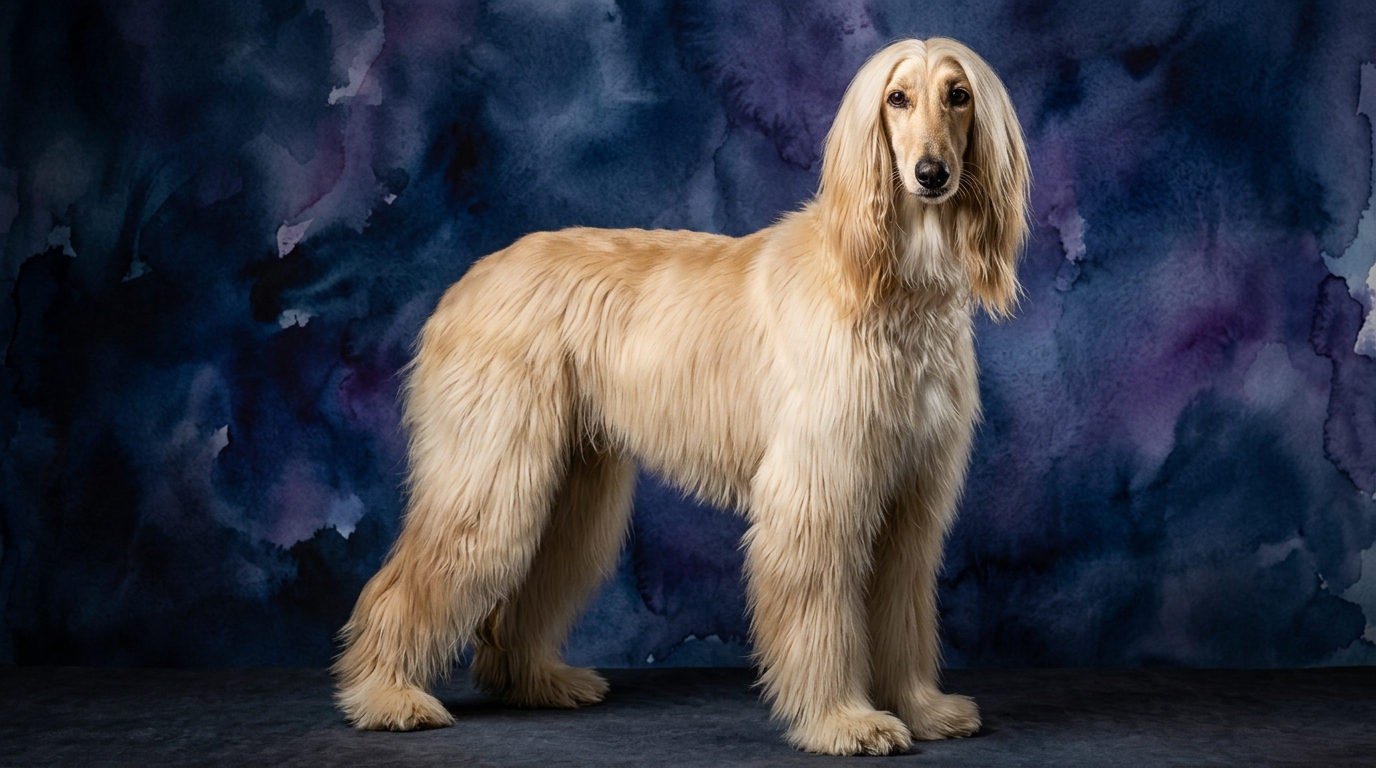
The Afghan Hound, ranking 79th on Coren's scale, presents a fascinating cognitive blend, shaped by centuries of independent hunting. Their problem-solving capacity scores a robust 4/5, indicating an exceptional ability to independently navigate complex, dynamic situations, a trait honed by their history of solitary pursuit of game across challenging terrains. However, their training speed is a notably low 1/5, reflecting a strong, self-directed streak rather than a lack of understanding; they simply often prioritize their own motivations and the thrill of the chase over immediate human directives. Social intelligence sits at 2/5, suggesting a degree of dignified aloofness, where direct human interaction might not always be their primary focus, though they form deep bonds. Their instinctive drive is exceptionally high at 5/5, a testament to their powerful sighthound heritage, compelling them to chase and pursue anything that moves with incredible focus and speed. Memory is an average 3/5, sufficient for recalling essential people, places, and routines, but perhaps not for a vast repertoire of trained behaviors they deem irrelevant to their core purpose.
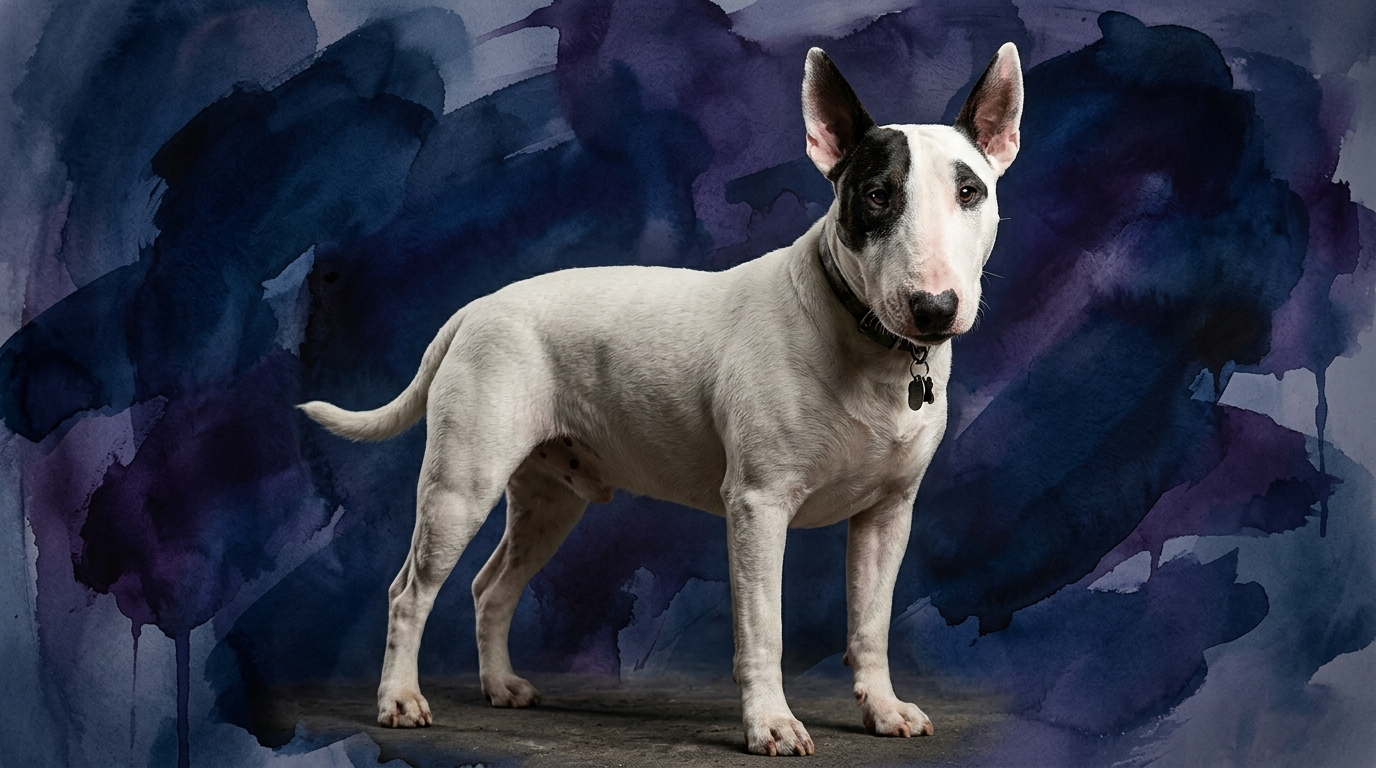
The Bull Terrier, positioned higher at 66th on Coren's scale, offers a more balanced and interactive cognitive profile. Their problem-solving ability is a solid 3/5, demonstrating practical cleverness in everyday scenarios, often employing playful persistence and ingenuity to achieve their goals, whether it's opening a cabinet or figuring out a new game. Their training speed is also 3/5, indicating a reasonable willingness and capacity to learn new commands and routines when engaged appropriately with positive reinforcement and clear guidance. Social intelligence matches this at 3/5; they are generally more attuned to human social cues, enjoy interactive engagement with their families, and often display a charming, clownish nature that invites connection. Instinctive drive is rated 3/5, present but typically more manageable than a sighthound's, manifesting as a playful tenacity and a desire to "do" rather than an overwhelming, singular urge to chase distant objects. Their memory, like the Afghan Hound's, is an average 3/5, allowing them to retain learned information, routines, and positive or negative experiences effectively.
Where the Afghan Hound's Mind Shines Cognitively
The Afghan Hound's cognitive prowess truly stands out in its independent problem-solving and profound instinctive drive, reflecting its ancient role. With a problem-solving score of 4/5, they are remarkably adept at making autonomous decisions, particularly in dynamic, open environments where quick, self-directed action is paramount. Imagine a sighthound, pursuing game over vast distances, needing to independently navigate unfamiliar terrain, bypass unexpected obstacles, and adapt to changing conditions without direct human guidance—this is where their cognitive strength lies. This isn't about mastering complex puzzle toys for treats, but about strategic self-reliance and environmental mastery in a real-world, high-stakes context. Their 5/5 instinctive drive is not merely a physical attribute but a deeply integrated cognitive force; it means their entire being is wired for the pursuit, making them exceptionally focused and effective when engaged in activities that tap into this primal urge, such as lure coursing, extensive free-running in secure areas, or tracking. This powerful drive, while challenging for conventional obedience training, is a testament to their specialized intelligence for their original, demanding purpose.
Where the Bull Terrier's Intellect Excels
The Bull Terrier's cognitive advantages become apparent in areas requiring more cooperative engagement and social attunement, traits that make them engaging companions. Their training speed, rated at 3/5, significantly surpasses the Afghan Hound's, indicating a greater readiness to learn and execute human-initiated commands and routines. This means they are generally quicker to grasp new tricks, obedience cues, and behavioral expectations when presented with consistent, positive methods. Furthermore, their social intelligence, also at 3/5, suggests a more nuanced understanding of human emotions and intentions; Bull Terriers often thrive on interaction and can be quite adept at reading their owners' moods, making them more responsive to social cues and more inclined to participate in shared activities. While their problem-solving is 3/5, it's often applied to domestic challenges or finding creative ways to engage with their environment and people, showcasing a different kind of cleverness—one more integrated with their human companionship and family life. Their balanced instinctive drive (3/5) allows for more versatile redirection into structured play or training, rather than being singularly focused on a singular chase.
Trainability: A Tale of Two Behavioral Approaches
When it comes to trainability, the contrast between these two breeds is stark and rooted in their fundamental behavioral differences. The Bull Terrier, with a training speed of 3/5, generally proves to be a more willing and cooperative student. They often possess a playful eagerness and a desire to engage with their owners, which translates into a greater receptiveness to positive reinforcement, clear communication, and structured lessons. Their average social intelligence means they are more likely to interpret human cues as invitations for interaction and learning, often enjoying the process itself. Conversely, the Afghan Hound's training speed of 1/5 highlights a profound independence and self-determination. Their strong instinctive drive (5/5) means they are often more interested in their environment's stimuli—a distant movement, an interesting scent, or the sheer joy of running—than in repeating a 'sit' command for the tenth time. They learn, but they often choose *when* and *if* to demonstrate that learning. Their aloof social intelligence means they may not feel the same intrinsic motivation to please their human as other breeds, requiring immense patience, highly motivating rewards, and an understanding that their compliance is often conditional on their own perceived value of the task. Teaching an Afghan Hound requires appealing to their independent nature, making the task itself intrinsically rewarding, rather than relying solely on traditional obedience.
Lifestyle Compatibility: Independent Athletes vs. Engaging Playmates
The ideal lifestyle for an Afghan Hound versus a Bull Terrier diverges significantly, primarily due to their differing instinctive drives and approaches to activity. Afghan Hounds, with their exceptional instinctive drive (5/5), are inherently suited for active owners who can provide vast opportunities for running and free exercise in secure environments. Their physical needs are substantial, requiring regular, vigorous sprints to satisfy their sighthound heritage and maintain their physical and mental health. While they can be calm and elegant indoors, their mental and physical well-being critically depends on fulfilling their innate urge to chase and gallop. They are not content with short walks; they need ample space and opportunity to truly stretch their legs and engage their visual hunting instincts. Relaxed owners might find their independent nature appealing, but failing to meet their intense exercise requirements can lead to frustration and behavioral challenges for the dog. The Bull Terrier, with a more moderate instinctive drive (3/5), suits owners who are active but perhaps not seeking a pure endurance athlete. They thrive on regular walks, engaging play sessions, and mental stimulation. Their social intelligence (3/5) means they generally enjoy interactive activities with their families, making them good companions for owners who appreciate structured play, consistent training, and shared adventures. They can adapt to a wider range of activities, from hiking to agility, as long as they receive consistent physical and mental engagement and feel included in family life.
The Verdict
Choose an Afghan Hound if you value a dog with profound independent problem-solving skills and an unmatched drive for athletic pursuit, and are prepared to engage with a dignified, self-reliant companion on their own terms.
Opt for a Bull Terrier if you seek a clever, interactive companion who is generally more amenable to training and thrives on cooperative engagement and playful interaction within a family setting.
🧠 Find Your Pet's IQ Score
Our Pet IQ Lab assessment covers 25+ tests across 5 cognitive dimensions — personalized to your breed.
Take the Full IQ Test →Frequently Asked Questions
Are Afghan Hounds difficult to train?
Afghan Hounds are often perceived as challenging to train due to their extremely low training speed (1/5) and high independent drive (5/5). They possess self-directed problem-solving skills but are less motivated by traditional obedience, preferring tasks that align with their innate instincts. Patience, consistency, and making training intrinsically rewarding are key.
Do Bull Terriers need a lot of exercise?
Bull Terriers have a moderate instinctive drive (3/5) and require regular exercise to stay happy and healthy. This includes daily walks, engaging play sessions, and mental stimulation. While not as demanding as a sighthound, consistent physical activity and interactive play are important to prevent boredom and channel their energy positively.
Which breed is better for first-time dog owners?
Given their higher training speed and social intelligence, Bull Terriers (Coren #66) are generally a more manageable choice for first-time dog owners who are committed to consistent training and socialization. Afghan Hounds (Coren #79) with their profound independence and specialized needs, often require owners with significant experience understanding and managing sighthound behaviors.