Side-by-Side Cognitive Profiles
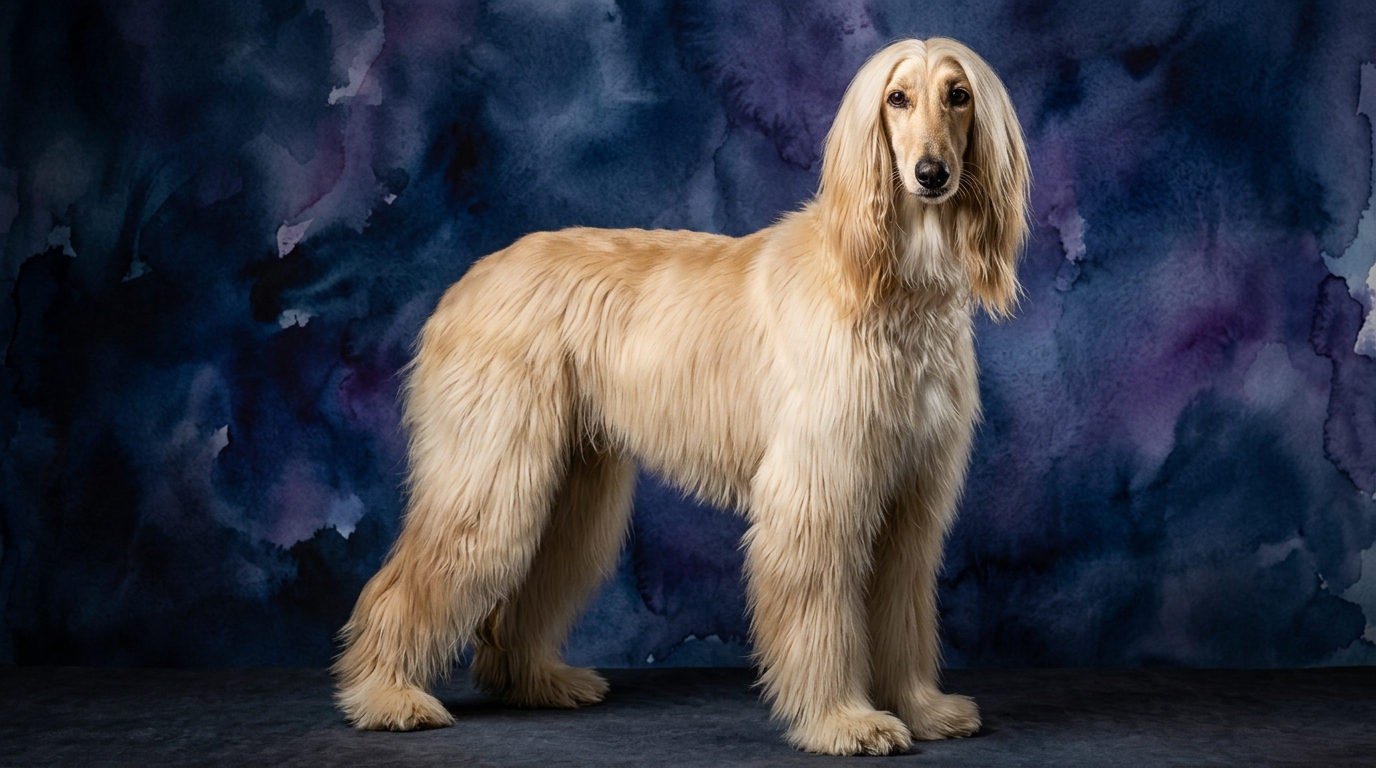
Delving into The Cosmic Pet Pet IQ Lab's framework reveals unique cognitive landscapes for both the Afghan Hound and the Cane Corso across five critical dimensions. For the Afghan Hound, problem-solving registers at a robust 4/5, indicating a strong capacity for independent thought and navigating complex situations, often in pursuit of its own interests rather than human directives. However, its training speed is a notably low 1/5, reflecting a breed that prioritizes self-sufficiency over eager compliance. Social intelligence for the Afghan Hound is a moderate 2/5, suggesting it forms bonds but often maintains a dignified aloofness, while its instinctive drive soars at 5/5, a testament to its powerful sighthound instincts for chase and independent action. Memory for the Afghan Hound is rated 3/5, indicating a solid ability to recall experiences and learned behaviors, especially those that benefit its independent pursuits.
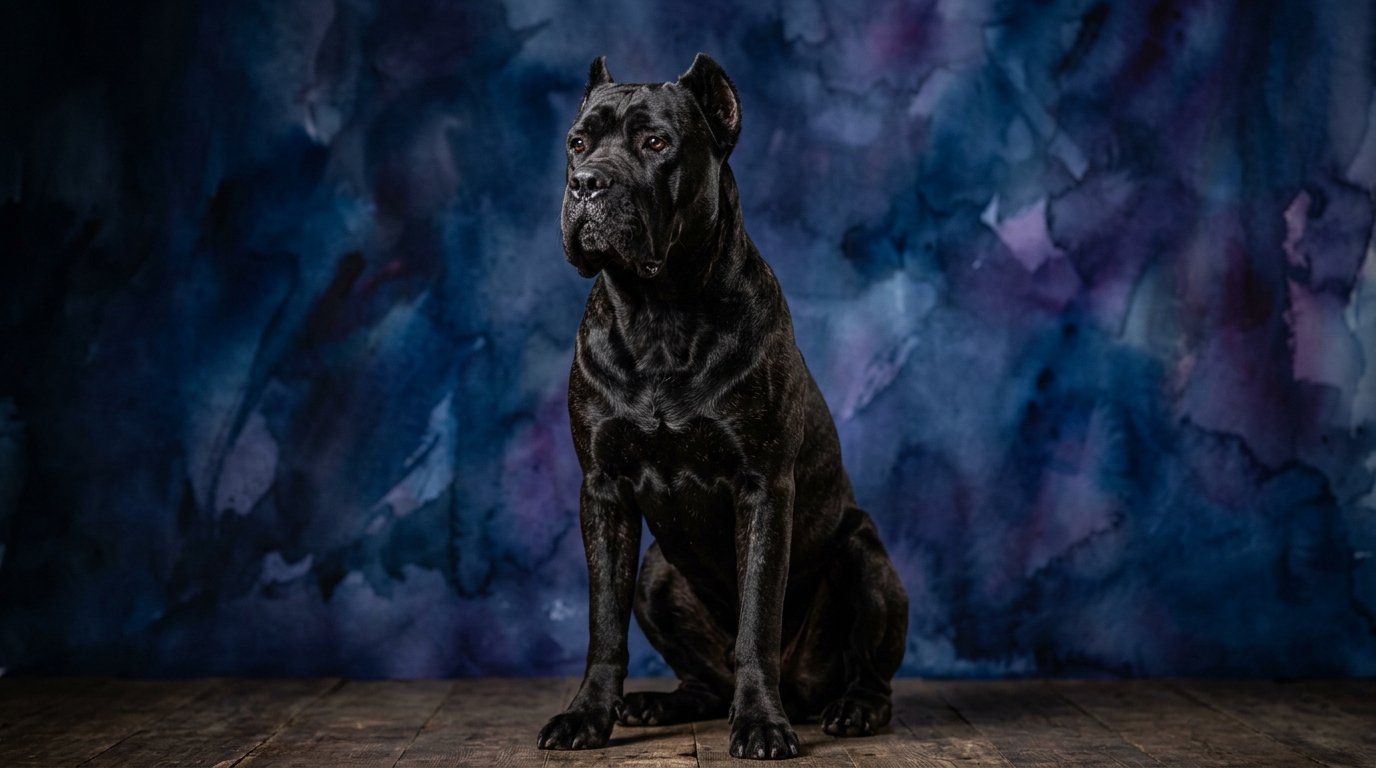
The Cane Corso, while not Coren-ranked, presents a more balanced, albeit different, cognitive blueprint within our IQ framework. Its problem-solving ability is a solid 3/5, demonstrating practical intelligence for tasks related to protection and family integration. Training speed for the Cane Corso is a respectable 3/5, suggesting a willingness and capacity to learn and respond to commands with reasonable consistency. Social intelligence also stands at 3/5, highlighting its ability to form strong, loyal bonds with its family and navigate social dynamics within its trusted circle. Its instinctive drive is rated 3/5, indicating a controlled yet present guardian instinct, focused more on defense than pursuit. Memory for the Cane Corso is also 3/5, supporting its ability to retain training and recall important social cues and environmental awareness.
Where the Afghan Hound Excels Cognitively
The Afghan Hound truly shines in its problem-solving abilities and powerful instinctive drive. With a problem-solving score of 4/5, these sighthounds exhibit a remarkable capacity to figure things out for themselves, especially when it involves navigating terrain, finding escape routes from enclosures, or cleverly obtaining something they desire, often without human intervention. This isn't about solving obedience puzzles for praise, but rather an innate resourcefulness in achieving their own goals.
Its 5/5 instinctive drive is another area of cognitive dominance. This manifests as an unparalleled focus and determination in pursuing moving objects, a deep-seated drive that has been honed over centuries for hunting by sight. This cognitive function allows them to process visual stimuli rapidly, predict movement, and execute complex chase sequences with incredible precision and endurance, making them formidable in activities that tap into this primal instinct.
Where the Cane Corso Wins Cognitively
The Cane Corso's cognitive strengths lie in its balanced approach to training and its social acumen. A training speed of 3/5 indicates a practical aptitude for learning and a greater desire to cooperate with human instruction compared to its sighthound counterpart. This means a Cane Corso is generally more receptive to repetitive commands and structured lessons, making it more straightforward to teach complex behaviors or specific duties.
Furthermore, its social intelligence, also at 3/5, allows the Cane Corso to integrate effectively into a family unit and understand nuanced social cues. This isn't just about being friendly, but about discerning appropriate behavior in different social contexts, recognizing family members, and understanding their roles. This cognitive strength underpins its effectiveness as a loyal guardian, enabling it to differentiate between threats and welcomed guests with greater reliability.
Which is Easier to Train and Why?
Between these two breeds, the Cane Corso is unequivocally the easier to train. This difference stems directly from their respective training speed scores: the Cane Corso at 3/5 and the Afghan Hound at 1/5. The Cane Corso possesses a natural inclination to work collaboratively with its owner, showing a greater desire for structure and a willingness to please, which translates into faster acquisition of commands and more consistent execution. Their inherent drive to protect and bond with their family makes them attentive students who appreciate clear guidance.
Conversely, the Afghan Hound's low training speed is not a reflection of a lack of mental capacity, but rather a profound independence and a lower motivation for human-directed tasks. They process information, but often choose whether or not to act on it based on their own assessment of the situation or their own strong sighthound instincts. This means training an Afghan Hound requires immense patience, creativity, and a deep understanding of their independent nature, often feeling like a negotiation rather than a straightforward instruction.
Which Suits Active Owners vs. Relaxed Owners?
For active owners seeking a canine partner for specific, high-energy pursuits that align with natural instincts, the Afghan Hound could be an intriguing choice. Their 5/5 instinctive drive means they thrive on activities that engage their powerful chase instinct, such as lure coursing or long, unsupervised runs in secure areas where they can truly stretch out. Owners who appreciate a dog with an independent spirit and can provide outlets for their innate drives will find a unique companion, though their exercise needs are more about bursts of speed and mental engagement with their environment than structured, repetitive activities.
The Cane Corso, with its balanced cognitive profile and guardian instincts, is better suited for active owners who desire a more integrated, cooperative companion for structured activities. Their 3/5 instinctive drive and 3/5 training speed make them excellent partners for obedience, protection sports, or even long hikes where they can walk reliably on a leash. They require consistent physical activity to maintain their powerful physique and mental stimulation to prevent boredom, making them ideal for owners who enjoy a dog that actively participates in their routine and appreciates clear direction.
The Verdict
Choose the Afghan Hound if you admire independent thinkers, can manage a powerful prey drive, and appreciate a dog that operates on its own terms, thriving in environments that allow for bursts of self-directed activity.
Opt for the Cane Corso if you seek a loyal, trainable guardian with practical intelligence, valuing a cooperative companion capable of structured learning and active participation in family life.
🧠 Find Your Pet's IQ Score
Our Pet IQ Lab assessment covers 25+ tests across 5 cognitive dimensions — personalized to your breed.
Take the Full IQ Test →Frequently Asked Questions
Is the Afghan Hound difficult to live with due to its low training speed?
The Afghan Hound's low training speed means they require a very patient and consistent owner who understands their independent nature. While not 'difficult' in a malicious sense, they are not eager to please and require creative motivation and clear boundaries to coexist harmoniously.
Does the Cane Corso's 3/5 instinctive drive make them aggressive?
A 3/5 instinctive drive for the Cane Corso indicates a present but manageable guardian instinct, not inherent aggression. With proper socialization and training, this drive manifests as protective loyalty towards their family, rather than unprovoked hostility towards strangers.
Which breed requires more mental stimulation?
Both breeds benefit from mental stimulation, but in different ways. The Afghan Hound requires outlets for its problem-solving and instinctive drive, often through independent exploration or lure coursing. The Cane Corso thrives on structured training, puzzle toys, and engaging in activities with its owner to satisfy its cooperative and guardian instincts.