Side-by-Side Cognitive Profiles
Understanding the distinct cognitive makeup of the Afghan Hound and the Chinook requires a closer look at five key dimensions: problem-solving ability, training speed, social intelligence, instinctive drive, and memory. These metrics, provided by The Cosmic Pet Pet IQ Lab, offer a nuanced perspective beyond simple obedience.
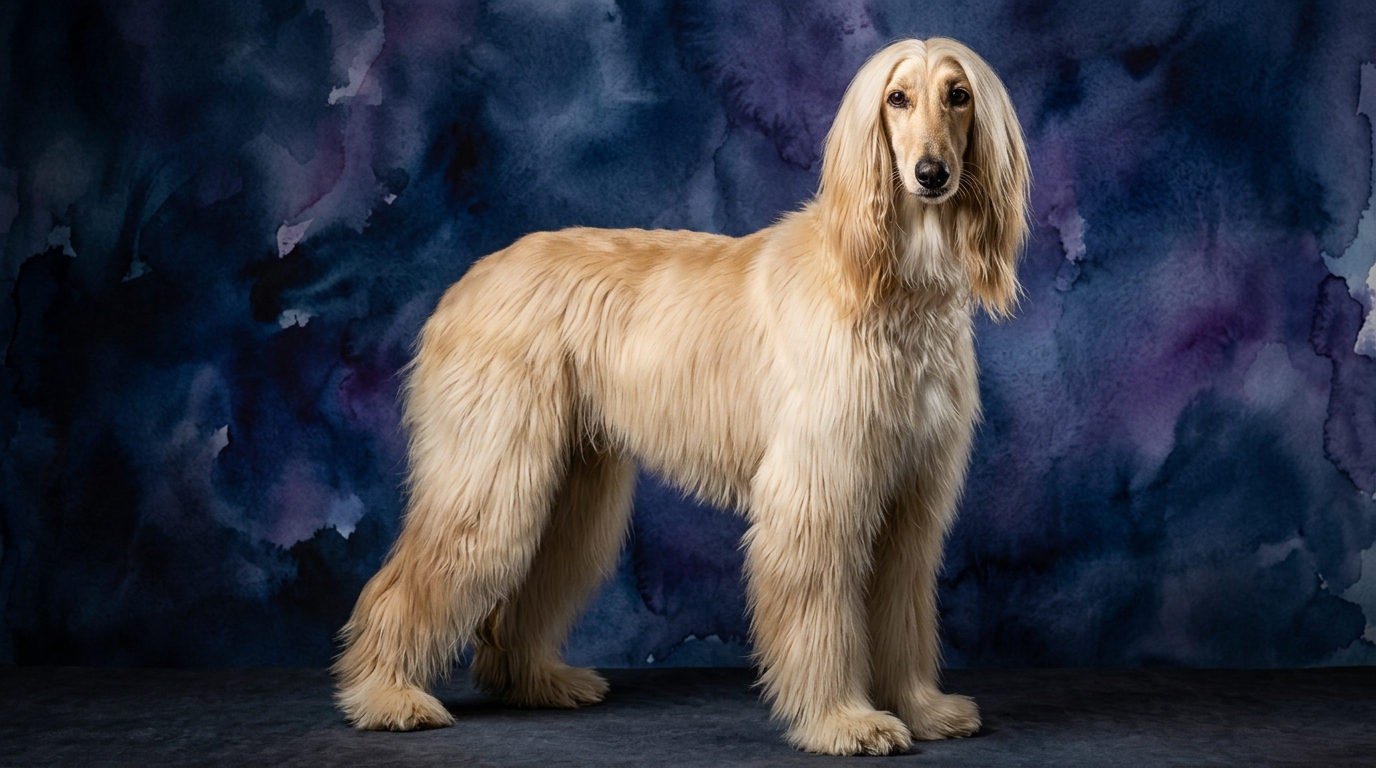
The Afghan Hound, a sighthound, holds a Coren rank of #79, a position that often sparks discussion. This ranking primarily reflects a dog's willingness to comply with human commands quickly and consistently, a trait not high on the Afghan Hound's priority list. Their independence is frequently misinterpreted as a lack of capacity, when in reality, it's a difference in cognitive motivation and processing. For problem-solving, they score an impressive 4/5, demonstrating a notable capacity for independent thought and creative, albeit sometimes self-serving, solutions to obstacles they encounter. This isn't about following human instructions but about autonomously navigating their environment and achieving personal objectives, such as cleverly figuring out how to unlatch a gate or access a hidden treat. Their training speed, however, stands at 1/5, reflecting a deliberate, often resistant, approach to formal obedience. They learn at their own pace and frequently require extensive repetition and highly motivating rewards, indicating a strong independent streak rather than a struggle to comprehend. Social intelligence for the Afghan Hound is 2/5; while capable of forming deep, unwavering bonds with their chosen few human companions, they tend to be reserved and somewhat detached in broader social interactions, preferring observation over eager participation. Their instinctive drive is a profound 5/5, a powerful prey drive and an innate ability to pursue quarry over long distances with relentless focus, dictating much of their behavior. Finally, their memory is a moderate 3/5, capable of recalling routines, familiar locations, and specific individuals, though recall for commands can appear selective when conflicting with stronger internal urges.
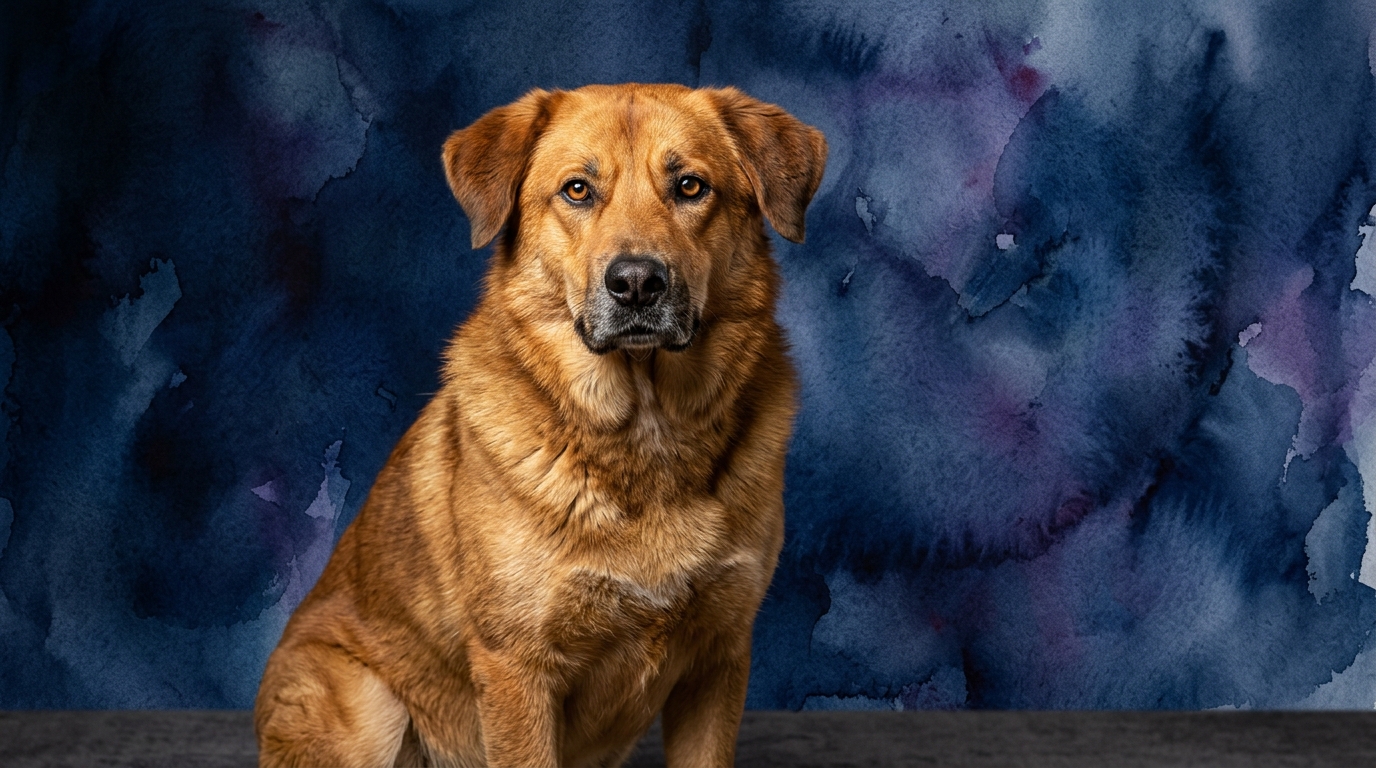
The Chinook, a rarer working dog, is not Coren-ranked, meaning their cognitive strengths must be evaluated purely based on their breed-specific traits and observed behaviors, allowing for a more nuanced understanding of their specific aptitudes. Their problem-solving ability is 3/5, exhibiting a practical, task-oriented approach. They are adept at figuring out how to accomplish specific goals, particularly those related to their working heritage like pulling sleds or navigating complex trails, often learning through experience and applying learned solutions efficiently. In terms of training speed, they rate 3/5, generally learning new commands and routines at a moderate, steady pace. They are eager to please their human companions and respond well to consistent, positive reinforcement, making them more amenable to structured training sessions. Chinooks display a social intelligence of 3/5, known for their calm, friendly, and patient demeanor, typically interacting well with people of all ages and other animals, and seeking to be an integral part of the family unit. Their instinctive drive is a balanced 3/5; while possessing a working dog's drive for purpose and activity, it's more readily channeled into cooperative tasks and less likely to override human direction, making them reliable partners. Their memory is also a moderate 3/5, retaining learned behaviors, names, and routines effectively and consistently, helping them maintain good manners and respond reliably to commands over time.
Where the Afghan Hound Excels Cognitively
The Afghan Hound's primary cognitive strength lies in its exceptional independent problem-solving abilities (4/5). Unlike breeds that might wait for human direction, Afghan Hounds are adept at assessing situations and devising their own solutions, often with a clever, self-directed ingenuity. This doesn't manifest as a desire to please but as an intrinsic capability to navigate complex environments or achieve personal objectives, such as figuring out how to open a door to explore or locate a hidden comfort spot. Their profound instinctive drive (5/5) also represents a cognitive win, albeit one that requires careful management. This intense focus and pursuit ability, honed over centuries for hunting, demonstrates a highly specialized and deeply ingrained cognitive program for detection, tracking, and chase, making them unparalleled in tasks requiring sustained, independent predatory focus.
Where the Chinook Shows Cognitive Strengths
The Chinook shines in its balanced and cooperative cognitive profile. Its moderate training speed (3/5) combined with a solid social intelligence (3/5) means it's generally more receptive to human instruction and collaboration. While the Afghan Hound excels in independent thought, the Chinook's strength lies in its willingness and capacity to learn from and work alongside humans. Their instinctive drive (3/5) is also a more manageable asset; it's robust enough to motivate them for tasks without typically overwhelming their capacity to heed human commands, making them more pliable for various working roles or family activities. This blend allows for more predictable and consistent responses in structured learning environments and social settings.
Training Dynamics: Which is Easier and Why
Without question, the Chinook presents a significantly easier training experience compared to the Afghan Hound. The Chinook's moderate training speed (3/5) and social intelligence (3/5) mean they are generally more eager to engage with their handlers and absorb new information. They thrive on positive reinforcement and respond well to clear, consistent instruction, demonstrating a cooperative spirit rooted in their working heritage. Their instinctive drive (3/5), while present, is typically channeled into purposeful activities rather than overriding commands, making them reliable and eager students.
In contrast, the Afghan Hound's training speed (1/5) is notoriously slow, stemming from a strong independent streak and a tendency to prioritize their own agenda over human directives. Their high instinctive drive (5/5) often means that a compelling scent or sight can instantly render them 'deaf' to commands, making recall particularly challenging. Training an Afghan Hound requires immense patience, creativity, and a willingness to accept that they may never achieve the same level of precise obedience as many other breeds, often treating commands as suggestions rather than mandates. Their cognitive approach leans towards self-direction, which means a handler must find ways to make compliance seem like the dog's own idea.
Matching Breeds to Owner Lifestyles
Both breeds require active engagement, but their ideal owner profiles differ in *how* that activity is channeled. The Afghan Hound, despite its elegant appearance, needs an owner who embraces its profound instinctive drive (5/5) and independent problem-solving (4/5) nature. This means providing outlets for running, mental challenges that satisfy their curiosity, and a secure environment where their chase instincts won't lead them astray. They suit owners who are active in a way that respects their sighthound nature – perhaps lure coursing or long, secure off-leash runs – and who appreciate a dog that values its own counsel. A relaxed owner expecting a highly biddable companion would find the Afghan Hound challenging, as their independence requires a different kind of commitment.
The Chinook, with its balanced instinctive drive (3/5) and cooperative nature, is better suited for owners who enjoy consistent, purposeful activity. They excel in hiking, pulling sports, and family adventures, thriving on being a part of their human's active lifestyle. They need an owner who is committed to providing regular exercise and mental stimulation that involves teamwork, making them a better fit for active owners who desire a more engaged, responsive partner in their adventures. Their moderate social intelligence also means they generally enjoy being involved in family activities and interacting with people.
The Verdict
Opt for an Afghan Hound if you appreciate a dog with an independent spirit, exceptional self-reliance in problem-solving, and a profound, innate drive for chase, and if you are prepared to manage a companion who often follows its own counsel.
Select a Chinook if you desire a cooperative, moderately trainable dog that thrives on purposeful activity and partnership, offering a more balanced and responsive temperament for shared adventures.
🧠 Find Your Pet's IQ Score
Our Pet IQ Lab assessment covers 25+ tests across 5 cognitive dimensions — personalized to your breed.
Take the Full IQ Test →Frequently Asked Questions
Are Afghan Hounds difficult to live with due to their independent nature?
While their independence can be perceived as aloofness or stubbornness, Afghan Hounds are deeply affectionate with their families. Their challenge lies in their strong will and chase drive, which require consistent management and a secure environment to prevent them from pursuing perceived quarry.
Do Chinooks make good family dogs despite their working background?
Yes, Chinooks are generally gentle, patient, and devoted family companions. Their balanced social intelligence and desire to be part of the family make them suitable for households with children and other pets, provided they receive adequate exercise and mental engagement.
How do the problem-solving approaches differ between these two breeds?
The Afghan Hound approaches problems with independent ingenuity, often devising self-serving solutions to achieve its own goals. The Chinook, conversely, tends to solve problems in a more practical, task-oriented manner, often seeking to fulfill a cooperative role or achieve a clear objective set by its human.