The Cosmic Pet IQ Lab: Side-by-Side Cognitive Profiles
At The Cosmic Pet Pet IQ Lab, we evaluate canine intelligence across five critical dimensions: Problem Solving, Training Speed, Social Intelligence, Instinctive Drive, and Memory. Understanding these profiles reveals the nuanced cognitive strengths and challenges inherent to each breed.
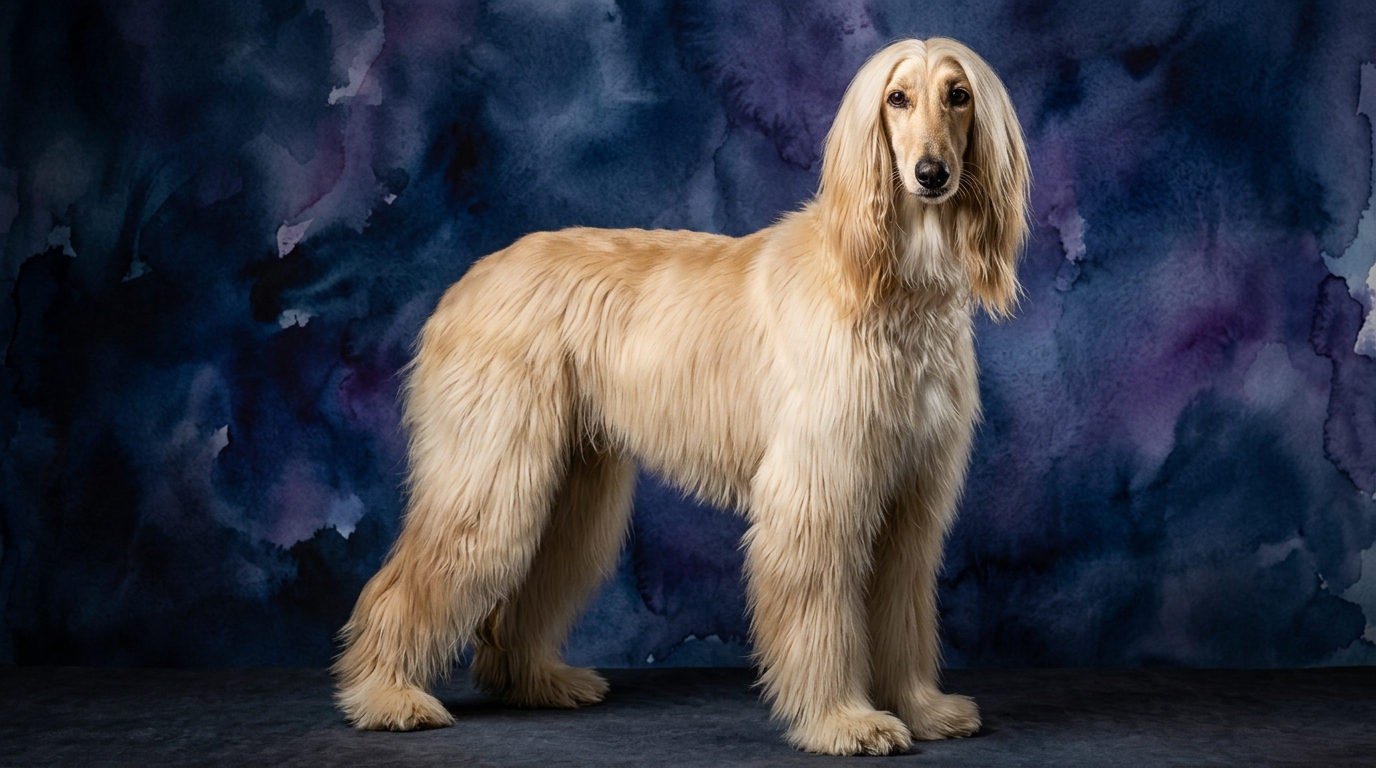
The Afghan Hound, ranked #79 by Coren, presents a unique cognitive blueprint. Its Problem Solving ability is rated 4/5, indicating a strong capacity for independent thought and navigating complex situations. However, its Training Speed is a low 1/5, suggesting a deliberate and often self-directed approach to learning human commands. Social Intelligence sits at 2/5, reflecting a more reserved and less people-dependent nature. Instinctive Drive is a powerful 5/5, a testament to its sighthound heritage and profound prey drive. Finally, its Memory is rated 3/5, adequate but not exceptional for retaining extensive sequences of learned behaviors.
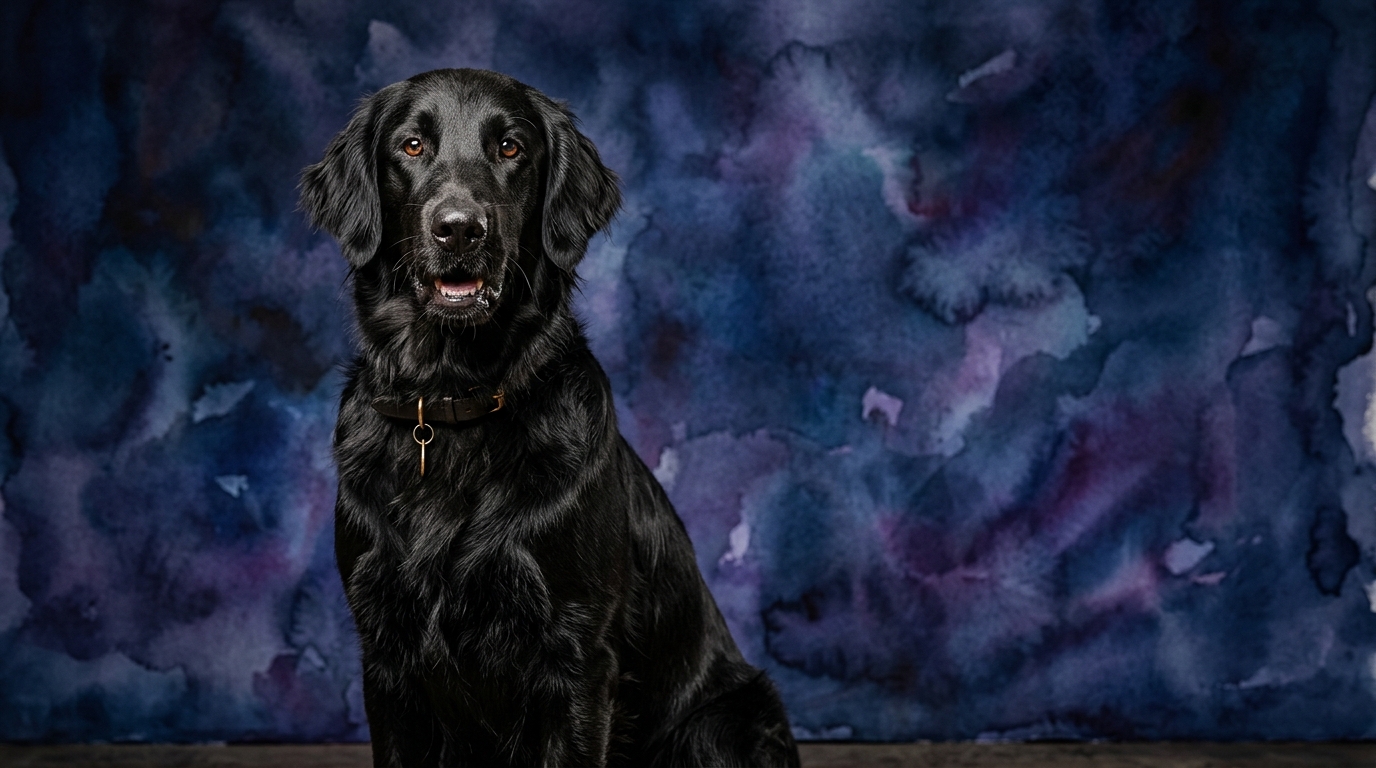
In contrast, the Flat-Coated Retriever, a Sporting breed ranked #17 by Coren, showcases a different set of cognitive strengths. Its Problem Solving ability is also 4/5, demonstrating an aptitude for practical application and task resolution. Where it truly shines is in Training Speed, scoring an impressive 4/5, indicating a quick grasp of new concepts and commands. Social Intelligence is a moderate 3/5, signifying a cooperative and people-oriented disposition. Its Instinctive Drive is 3/5, present but more manageable than the Afghan's, typically manifesting as a keen retrieving instinct. Memory is a standout 5/5, highlighting its exceptional recall and retention of experiences and learned tasks.
Where the Afghan Hound Excels Cognitively
The Afghan Hound's cognitive prowess truly shines in its autonomous decision-making and potent Instinctive Drive. With a Problem Solving score of 4/5, this breed demonstrates a remarkable capacity for navigating its environment and achieving self-determined goals, often with minimal human input. For instance, when presented with an obstacle in a chase, an Afghan Hound is more likely to independently strategize an alternative route rather than waiting for direction.
Its 5/5 Instinctive Drive is a significant cognitive asset for its original purpose, enabling it to pursue quarry with unwavering focus and endurance over vast distances. This isn't merely physical stamina; it's a deep-seated cognitive program for independent hunting, where sensory input (sight) triggers a complex, self-managed pursuit sequence. While challenging in a domestic setting, this drive represents a pinnacle of specialized canine cognition.
Furthermore, the Afghan Hound's lower Social Intelligence (2/5) means it operates with a degree of emotional self-sufficiency. This isn't a deficit but a cognitive trait that makes them less prone to separation anxiety or constant demands for human interaction. They possess an internal resilience, capable of entertaining themselves or simply existing contentedly without constant external validation, a unique form of cognitive independence.
Where the Flat-Coated Retriever Leads Cognitively
The Flat-Coated Retriever's cognitive strengths are deeply rooted in its collaborative spirit and capacity for rapid learning. Its 4/5 Training Speed is a testament to its eagerness to absorb new information and associate actions with outcomes quickly. This makes them highly receptive to instruction, often mastering complex sequences of commands in fewer repetitions than many other breeds.
Coupled with its 5/5 Memory, the Flat-Coated Retriever is adept at retaining a vast repertoire of learned behaviors, routines, and experiences. An owner might teach a Flat-Coat a new trick, and months later, with a single cue, the dog recalls the entire sequence. This exceptional recall ability makes them reliable partners in various activities, from obedience trials to complex retrieving tasks.
Its 3/5 Social Intelligence, while not the highest among all breeds, is a significant advantage in a companion animal. Flat-Coats are attuned to human emotional cues and intentions, often seeking to understand and cooperate. This cognitive trait fosters strong bonds and facilitates a harmonious living environment, as they are generally more responsive to human communication and desire to engage in shared activities.
Training Dynamics: A Tale of Two Temperaments
When it comes to ease of training, the Flat-Coated Retriever holds a distinct advantage. Its 4/5 Training Speed means it grasps new commands and concepts with relative ease, often showing enthusiasm for learning. This is further amplified by its 3/5 Social Intelligence, which translates into a desire to cooperate and please its human companions, making positive reinforcement highly effective. Their 5/5 Memory ensures that once a behavior is learned, it is retained, reducing the need for constant re-teaching.
For example, teaching a Flat-Coated Retriever to 'stay' typically involves fewer repetitions and a quicker understanding of the desired behavior. They are often motivated by praise, treats, and the joy of working alongside their owner, actively participating in the learning process. Their natural retrieving drive (3/5 Instinctive Drive) also makes them amenable to games and activities that reinforce command following.
The Afghan Hound, conversely, presents a more significant training challenge. Its 1/5 Training Speed means learning new commands can be a protracted process requiring immense patience and creativity. Their 2/5 Social Intelligence indicates they are less intrinsically motivated to please humans, often prioritizing their own interests over compliance. This is compounded by their powerful 5/5 Instinctive Drive, which can lead them to ignore commands if a more compelling scent or visual stimulus presents itself.
Teaching an Afghan Hound to 'stay' might require hundreds of repetitions and a deep understanding of their sighthound nature. They don't necessarily 'forget' the command, but their independent spirit and strong drive mean they might choose not to perform it if they don't see the immediate benefit or if something more interesting captures their attention. Training an Afghan is less about dictating and more about convincing and consistent, rewarding engagement that respects their autonomy.
Matching Lifestyles: Active Explorers vs. Dignified Companions
The activity level and owner temperament best suited for each breed are distinct, stemming directly from their cognitive profiles. The Flat-Coated Retriever is an ideal match for active owners who thrive on shared experiences and interactive engagement. Their moderate Instinctive Drive (3/5) for retrieving, coupled with their high Training Speed (4/5) and Social Intelligence (3/5), means they flourish in environments where they can participate in family hikes, dog sports, and daily play sessions.
These dogs require substantial physical exercise, but equally important is mental stimulation through training and interaction. A Flat-Coat will not be content with merely a walk; they desire to work with their human, whether fetching a ball countless times or learning new agility sequences. They are the quintessential partners for owners who want a dog deeply involved in their active lifestyle, providing boundless enthusiasm and a desire for collaboration.
The Afghan Hound, while possessing a profound Instinctive Drive (5/5) that necessitates significant physical exertion, suits a different kind of active owner. Their need for speed and chase requires large, securely fenced areas where they can gallop freely, or dedicated running companions. However, their lower Social Intelligence (2/5) and Training Speed (1/5) mean they are less inclined towards highly interactive, command-driven activities like competitive obedience or intricate dog sports.
They are more suited to owners who appreciate a dignified, independent companion who enjoys long, brisk walks or runs, followed by quiet relaxation indoors. While physically demanding, their mental demands are less about constant human-directed tasks and more about providing outlets for their innate drives. They are excellent for owners who respect a dog's autonomy and find satisfaction in a companion that operates on its own terms, perhaps a more relaxed owner in terms of constant interaction, but certainly not in terms of providing exercise.
The Verdict
Choose an Afghan Hound if you are drawn to an independent, visually driven companion with deep instinctive behaviors, and are prepared for a patient, nuanced approach to training that respects their unique autonomy.
Opt for a Flat-Coated Retriever if you seek an enthusiastic, highly trainable, and socially engaged partner who thrives on shared activities and readily remembers lessons, offering a more cooperative and interactive experience.
🧠 Find Your Pet's IQ Score
Our Pet IQ Lab assessment covers 25+ tests across 5 cognitive dimensions — personalized to your breed.
Take the Full IQ Test →Frequently Asked Questions
Do Afghan Hounds understand commands?
Yes, Afghan Hounds can understand commands, but their training speed is very low (1/5). They require consistent, patient, and engaging methods, often needing many repetitions before consistently performing a desired behavior. Their independent nature means they often choose whether or not to comply based on their own motivation.
Are Flat-Coated Retrievers good family dogs?
Flat-Coated Retrievers are generally excellent family dogs, thanks to their moderate social intelligence (3/5) and eager-to-please nature. They thrive on interaction and being involved in family activities, forming strong bonds and often displaying a playful, affectionate demeanor. However, their high energy and need for engagement mean they require an active family.
Which breed is better for first-time dog owners?
Given the data, the Flat-Coated Retriever is generally a more suitable choice for first-time dog owners. Their high training speed (4/5) and strong memory (5/5) make them easier to teach, while their greater social intelligence (3/5) encourages cooperation. The Afghan Hound's significant training challenges and independence often require more experienced handling.