Side-by-Side Cognitive Profiles: Afghan Hound vs. Kuvasz
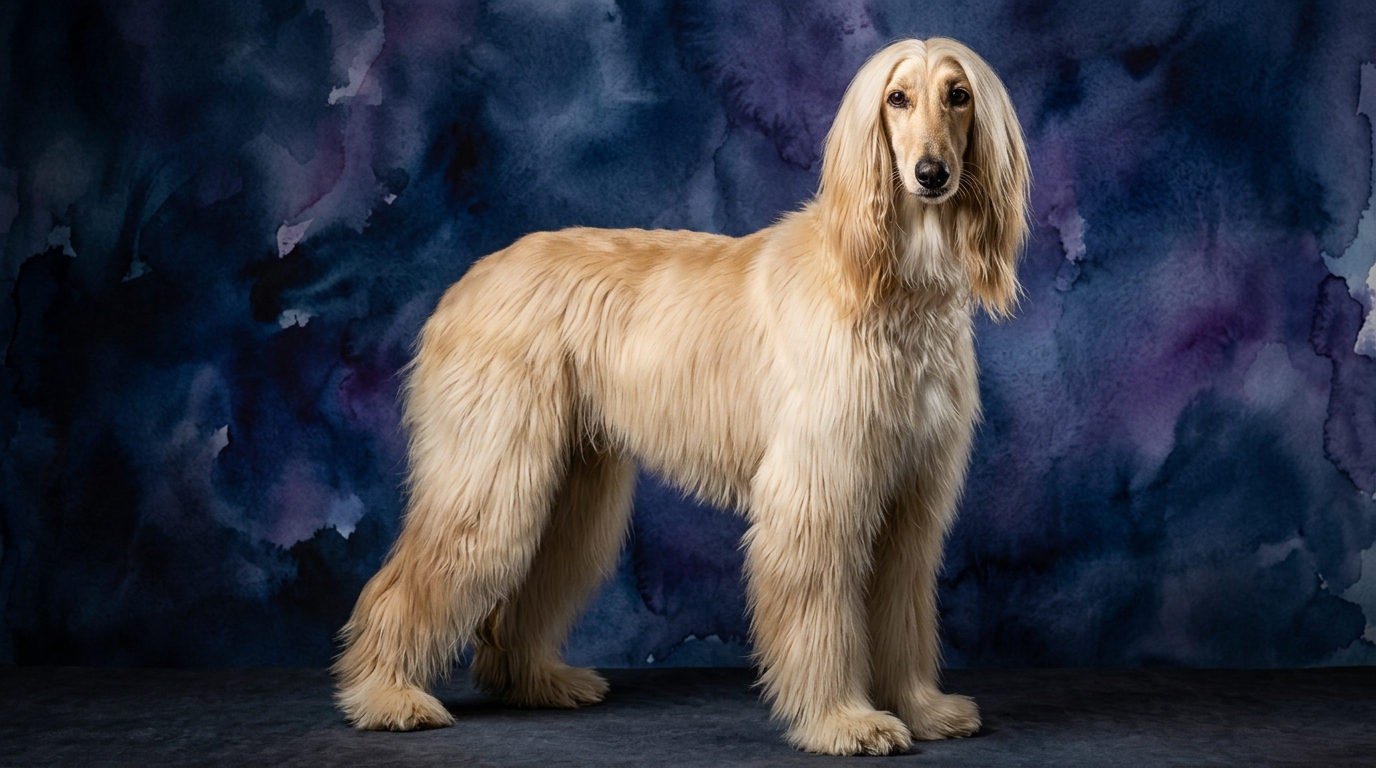
The Afghan Hound, ranked #79 on the Coren scale, presents a unique cognitive blueprint shaped by its sighthound lineage. Its problem-solving capacity registers at a robust 4/5, indicating an ability to independently strategize and overcome obstacles to achieve desired outcomes, often involving pursuit or navigation. However, its training speed is notably low at 1/5, reflecting a strong independent streak and a tendency to prioritize its own motivations over human directives. Social intelligence sits at 2/5, suggesting a less overt interest in human social cues or a strong drive to please. Instictive drive is an outstanding 5/5, manifesting as a powerful urge to chase and hunt, while memory is a moderate 3/5, sufficient for retaining key experiences but perhaps not complex sequences of commands without consistent reinforcement.
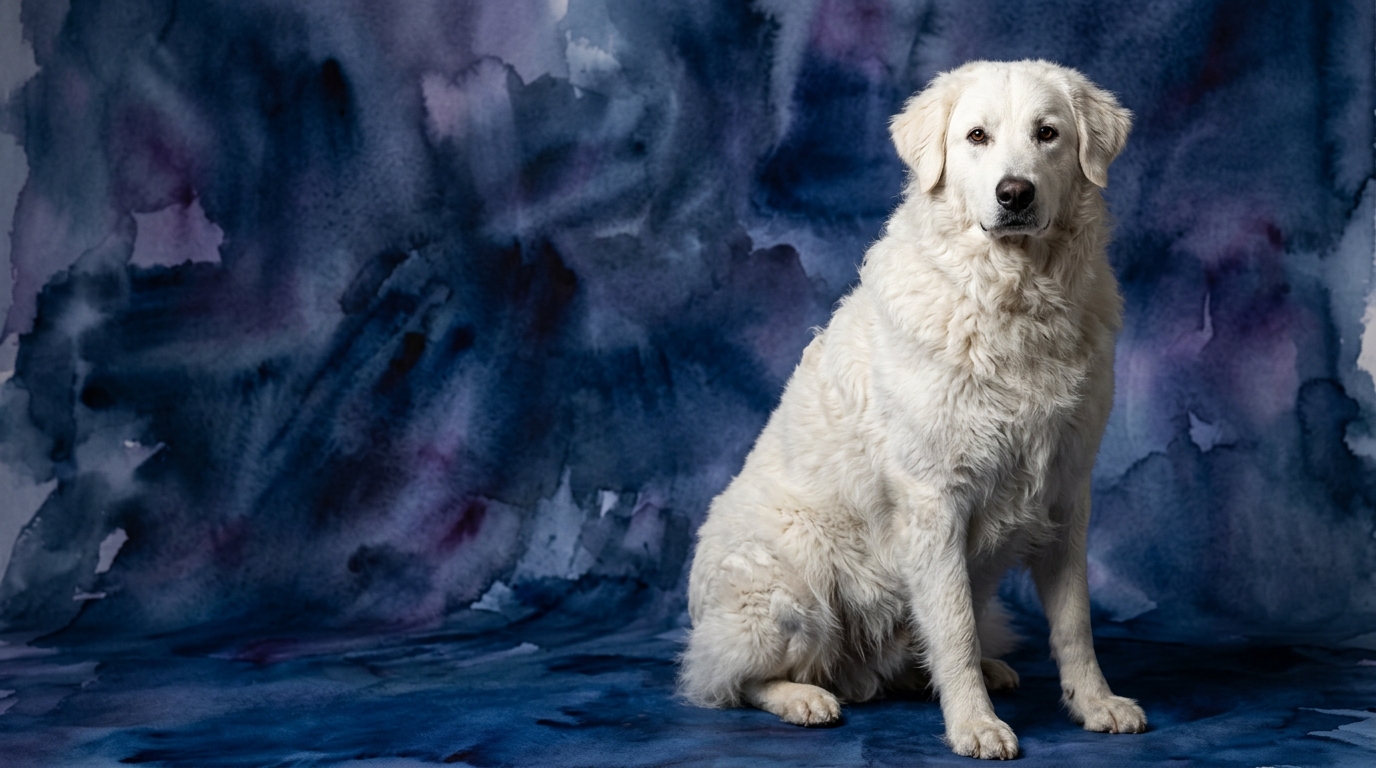
In contrast, the Kuvasz, a working breed ranking #42 on the Coren scale, exhibits a cognitive profile geared towards its role as a livestock guardian. Its problem-solving ability is a solid 3/5, practical and effective in scenarios requiring vigilance and protection. Training speed is a respectable 3/5, indicating a capacity to learn and retain commands, albeit with consistent and purposeful guidance. Social intelligence is also 3/5, reflecting an understanding of social dynamics within its family unit and a discerning approach to strangers. Instictive drive is 3/5, primarily focused on guarding and protection rather than prey pursuit, and its memory is a strong 4/5, allowing it to retain information about its territory, perceived threats, and learned behaviors over long periods.
Where the Afghan Hound Cognitively Excels
The Afghan Hound's primary cognitive strength lies in its remarkable problem-solving ability (4/5) coupled with its unparalleled instinctive drive (5/5). This combination makes it exceptionally adept at independent action, particularly when a compelling target is involved. An Afghan Hound can quickly assess a situation and devise a strategy to navigate complex terrain or bypass barriers to continue a chase, demonstrating a type of intelligence that is self-directed and goal-oriented rather than reliant on human instruction. For instance, if presented with a closed gate between it and an interesting scent or movement, it's more likely to independently figure out how to open or circumvent it than wait for guidance, showcasing a capacity for innovative, autonomous thinking.
This breed's cognitive prowess is deeply intertwined with its sighthound heritage. Its mind is wired for scanning horizons, identifying movement, and executing rapid, strategic pursuits. This isn't merely physical speed; it's a cognitive ability to process visual information quickly, make split-second decisions about trajectory and obstacles, and maintain focus on a distant moving object, even if it momentarily disappears from sight. This sophisticated, independent hunting intelligence means they can operate effectively without constant human oversight, a trait that was crucial in their original role across vast, open landscapes.
Where the Kuvasz Demonstrates Superior Cognition
The Kuvasz truly shines in its memory (4/5) and its more balanced social intelligence (3/5), attributes critical for its guardian role. A Kuvasz possesses an impressive capacity for long-term retention of information, remembering specific individuals, routines, and perceived threats or safe zones within its territory. This strong memory allows it to build a comprehensive mental map of its environment and its inhabitants, enabling it to distinguish between regular visitors and potential intruders, or to recall training cues consistently over time. This isn't just about remembering a command; it's about remembering context and nuance, which is invaluable for a dog whose primary function is discernment and protection.
Furthermore, the Kuvasz's moderate social intelligence (3/5), combined with its memory, allows it to understand and integrate into a family structure with a clear sense of purpose. While independent, it's more attuned to the social dynamics of its 'flock' than the Afghan Hound, recognizing its role and the individuals it is tasked to protect. This enables it to learn and respond to its owner's intentions and signals more readily, especially when those signals align with its protective instincts. Its cognitive strengths lie in its ability to observe, learn from experience, and apply that knowledge in a consistent, protective manner.
Trainability: A Tale of Two Temperaments
When considering ease of training, the Kuvasz (training speed 3/5) holds a distinct advantage over the Afghan Hound (training speed 1/5). The Afghan Hound's extremely low training speed stems from its profound independence and low social intelligence, meaning it often evaluates commands based on its own immediate interests rather than an inherent desire to please. Their powerful instinctive drive (5/5) means that if a scent or movement captures their attention, recalling them can be exceptionally difficult, as their internal motivation to pursue often overrides learned commands. Training an Afghan Hound requires immense patience, creativity, and an understanding that they are partners, not subordinates; consistency and positive reinforcement are paramount, but progress can be slow and often feels like a negotiation rather than direct instruction.
The Kuvasz, while not a breed for the faint of heart, is generally more receptive to training due to its better memory (4/5) and moderate social intelligence (3/5). They learn and retain commands more efficiently when they perceive a purpose or benefit, especially if it relates to their guarding instincts or maintaining order within their family unit. They respond well to a confident, consistent leader and thrive on clear boundaries. While their independent nature as a guardian breed means they may make their own decisions in certain situations, they are generally more willing to engage in structured learning and obey commands once they understand them, making the training process more predictable and less frustrating than with an Afghan Hound. The Kuvasz's cognitive profile supports a more traditional training approach, albeit one requiring firm and fair leadership.
Matching Owners: Active Lifestyle vs. Purposeful Engagement
The Afghan Hound, with its supreme instinctive drive (5/5) and high problem-solving capacity (4/5), is best suited for highly active owners who appreciate and can manage an independent, energetic companion. These dogs require substantial daily exercise, including opportunities for safe, off-leash running in a securely fenced area where their powerful prey drive cannot lead them astray. Their cognitive needs are met through activities that allow them to use their sighthound senses, such as lure coursing or long, varied walks that engage their curiosity. A relaxed owner who cannot provide these outlets will likely find an Afghan Hound bored, destructive, or prone to escape, as their intelligent minds will find their own, often undesirable, ways to fulfill their drives. They thrive with owners who understand and celebrate their unique blend of elegance and primal instinct.
The Kuvasz, while not demanding the same type of high-speed chase, requires an owner who can provide purposeful engagement and a secure environment. Their moderate instinctive drive (3/5) is geared towards guarding, meaning they need a job or a clear role within the family. This breed is ideal for owners who are committed to consistent training, socialization, and providing a stable, structured home where the Kuvasz can feel secure in its protective duties. While they need regular exercise, their activity often involves patrolling their territory or engaging in mentally stimulating tasks rather than sustained sprints. They are not a dog for a truly 'relaxed' owner who prefers a low-maintenance companion; rather, they suit owners who are engaged, assertive, and appreciate a vigilant, loyal partner with a strong sense of purpose and territory.
The Verdict
Choose an Afghan Hound if you are an active, patient owner who values an independent, visually driven companion and is prepared to channel its powerful sighthound instincts through consistent, understanding training.
Opt for a Kuvasz if you seek a loyal, discerning guardian with a strong memory and purpose, and are committed to providing firm, consistent leadership and a secure environment for its protective nature to flourish.
🧠 Find Your Pet's IQ Score
Our Pet IQ Lab assessment covers 25+ tests across 5 cognitive dimensions — personalized to your breed.
Take the Full IQ Test →Frequently Asked Questions
Are Afghan Hounds truly difficult to train?
Yes, Afghan Hounds are often considered challenging to train due to their strong independence, low desire to please, and high instinctive drive. They require exceptional patience, creative motivation, and an understanding that they will often prioritize their own impulses over commands.
What is the primary cognitive strength of a Kuvasz?
The primary cognitive strength of a Kuvasz lies in its strong memory and practical problem-solving, particularly in the context of its protective role. This allows it to remember complex information about its environment and apply learned behaviors consistently for guarding.
Can an Afghan Hound thrive in a family with children?
An Afghan Hound can thrive in a family with children if properly socialized from a young age and if the children are taught to respect the dog's independent nature. Their high exercise needs and strong prey drive mean supervision is always important, and they may prefer quieter interactions over boisterous play.