Side-by-Side Cognitive Profiles
The Cosmic Pet Pet IQ Lab employs a five-dimensional framework to assess canine intelligence, moving beyond simple obedience to encompass a broader spectrum of cognitive abilities. Examining the Afghan Hound and Norfolk Terrier through this lens reveals their inherent strengths and challenges.
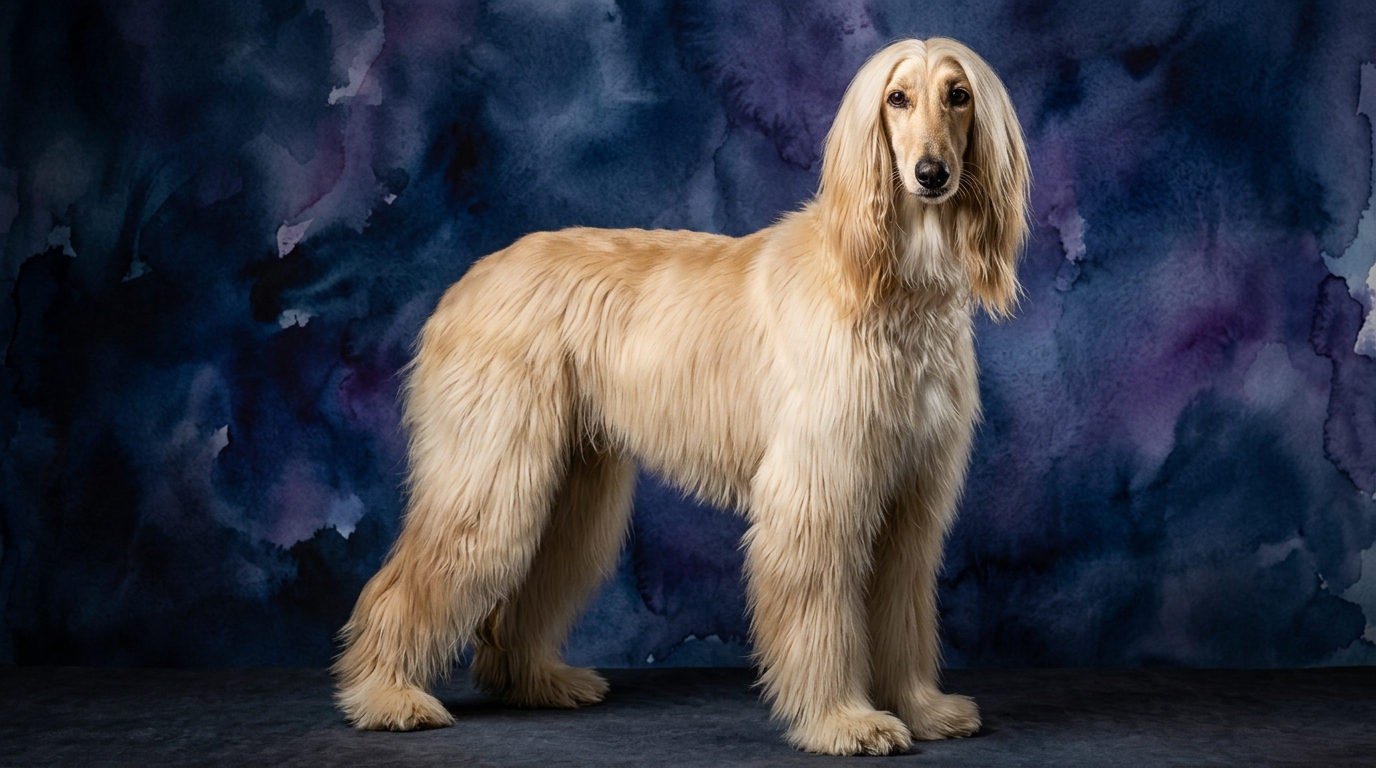
The Afghan Hound, ranked #79 by Coren, demonstrates a distinctive cognitive makeup. Its Problem Solving is rated 4/5, indicating a capacity for complex, independent thought, particularly when tasks align with its self-interest or ancient hunting instincts. Training Speed is a notably low 1/5; they are slow to adopt new commands, often questioning their necessity. Social Intelligence stands at 2/5, reflecting a reserved, often aloof demeanor. However, their Instinctive Drive is an exceptional 5/5, a testament to their powerful sighthound heritage. Memory is a moderate 3/5, retaining information about routines and experiences fairly well.
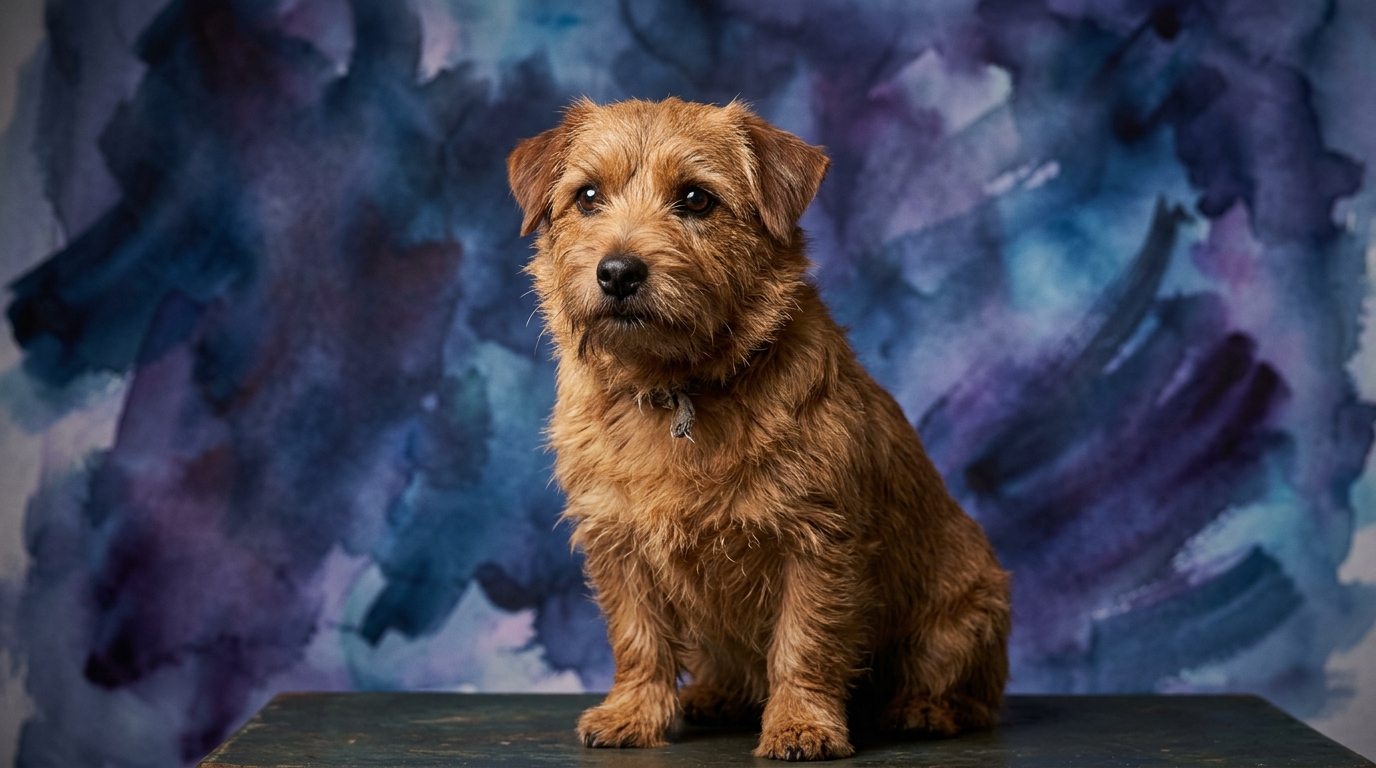
The Norfolk Terrier, though not Coren-ranked, presents a more balanced profile typical of many terriers. Its Problem Solving is 3/5, showing a tenacious approach to overcoming obstacles to achieve goals. Training Speed is 3/5, meaning they learn new behaviors at a moderate pace with engaging methods. Social Intelligence is also 3/5, indicating a generally sociable and alert disposition. Their Instinctive Drive is 3/5, a notable prey drive characteristic of terriers, but more contained than a sighthound's. Memory is 3/5, allowing them to recall learned behaviors and routines consistently.
Where the Afghan Hound Excels Cognitively
The Afghan Hound's cognitive prowess truly shines in its Problem Solving (4/5) and Instinctive Drive (5/5). Their elevated problem-solving score isn't about performing tricks on command; it’s about their impressive ability to devise self-directed strategies to achieve their own objectives, such as navigating complex environments to track a scent or outsmarting a barrier to explore. This independent reasoning is a hallmark of their ancient heritage, where survival depended on autonomous decision-making in the field.
Furthermore, their unparalleled Instinctive Drive is a profound cognitive advantage, deeply shaping their perception and interaction with the world. This isn't merely a physical urge; it's a powerful mental framework that makes them incredibly focused and persistent when their sighthound instincts are engaged. This intrinsic drive means they possess an innate, unshakeable motivation for activities like chasing, running, and observing, making them masters of their original purpose.
Where the Norfolk Terrier Wins Cognitively
The Norfolk Terrier demonstrates clear cognitive advantages in Training Speed (3/5) and Social Intelligence (3/5). Their moderate training speed is a significant asset, indicating a greater receptiveness to learning human-initiated commands and routines. This means they are generally more willing to engage in structured learning, making the process of acquiring new behaviors more efficient and less demanding for their owners.
In terms of Social Intelligence, the Norfolk Terrier exhibits a more adaptable and generally more expressive nature. While both breeds form strong bonds, the Norfolk is typically more open to new social interactions, communicating its intentions and desires to humans and other dogs with greater clarity. This makes them easier to integrate into diverse social settings and less prone to misinterpretations of their social cues, fostering smoother interactions within a household and with visitors.
Ease of Training: A Clear Distinction
The Norfolk Terrier is distinctly easier to train, a difference underscored by their respective Training Speed scores of 3/5 versus the Afghan Hound's 1/5. Norfolk Terriers, while possessing a typical terrier independence, generally exhibit a greater willingness to work collaboratively with their owners. They respond effectively to positive reinforcement, often perceiving training as an engaging and rewarding activity, which facilitates quicker learning and retention of commands.
In contrast, Afghan Hounds frequently perceive training as an optional activity, especially if it doesn't align with their intrinsic motivations. Their independent nature and low desire to please mean they often question the utility of commands. For instance, an Afghan Hound might understand a command like 'sit' but choose not to perform it if a more compelling scent or visual stimulus captures their attention. Their memory, while moderate, is less inclined to retain abstract commands without consistent, high-value reinforcement, unlike the Norfolk who might remember a trick after fewer repetitions due to a higher engagement level. This results in a much longer, more challenging training journey for Afghan Hound owners, demanding exceptional patience, creativity, and a deep understanding of their sighthound psychology to make learning appealing from the dog's perspective.
Matching Canine Minds to Owner Lifestyles
Both breeds can suit active owners, but their activity requirements differ significantly. The Afghan Hound, with its exceptional 5/5 Instinctive Drive and sighthound heritage, demands substantial outlets for running and chasing. An active owner for an Afghan Hound means someone who can provide safe, expansive spaces for off-leash sprinting or is committed to activities like lure coursing. Their exercise needs are intense and specific, focusing on bursts of speed and endurance to satisfy their deep-seated prey drive.
The Norfolk Terrier also benefits from active engagement, enjoying brisk walks, playful yard sessions, and mental challenges like agility or earthdog trials. An active owner for a Norfolk might enjoy longer hikes and structured activities that channel their terrier drive into productive outlets. For owners seeking a truly 'relaxed' companion, neither breed is ideal without consistent engagement. However, the Norfolk Terrier, with its more moderate Instinctive Drive and exercise requirements, is more adaptable to a less intensely active lifestyle than the Afghan Hound. A Norfolk would typically be content with regular walks, yard play, and indoor mental stimulation, whereas an Afghan Hound would likely become restless and potentially destructive without vigorous, breed-appropriate exercise that satisfies its primal urges.
The Verdict
If you are captivated by a dog with profound independent thought, an elegant, aloof demeanor, and are prepared for the unique challenges of training a sighthound whose primary motivation is its ancient instincts, the Afghan Hound could be your match.
Opt for the Norfolk Terrier if you seek a spirited, engaging companion that learns readily, enjoys social interaction, and thrives on a balance of physical activity and mental stimulation, all within a more manageable and adaptable package.
🧠 Find Your Pet's IQ Score
Our Pet IQ Lab assessment covers 25+ tests across 5 cognitive dimensions — personalized to your breed.
Take the Full IQ Test →Frequently Asked Questions
Do Afghan Hounds make good family pets despite their low social intelligence score?
Afghan Hounds can be devoted family pets, forming strong bonds with their immediate human companions. Their 2/5 social intelligence score reflects a natural reservation towards strangers and a preference for a calm, predictable environment, rather than an inability to connect with their chosen people. With early socialization and consistent, gentle handling, they integrate well into a family unit that respects their independent nature.
How does the Norfolk Terrier's problem-solving ability manifest in daily life?
The Norfolk Terrier's 3/5 problem-solving ability often appears as tenacity in achieving a goal, such as figuring out how to get a dropped toy from under furniture or digging under a perceived barrier in the yard. They are persistent and resourceful, using their sharp minds to navigate their immediate environment and satisfy their curiosity or desires. This can make them clever escape artists if not properly secured.
What specific training approaches work best for an Afghan Hound given their low training speed?
Training an Afghan Hound requires exceptional patience, positive reinforcement, and making the training session incredibly rewarding from their perspective. Focus on short, engaging sessions, using high-value treats and toys, and linking commands to their natural instincts, like recall during play. Avoid harsh methods, as they will likely shut down; consistency and making it their idea are key to success.