Side-by-Side Cognitive Profiles: Afghan Hound vs. Old English Sheepdog
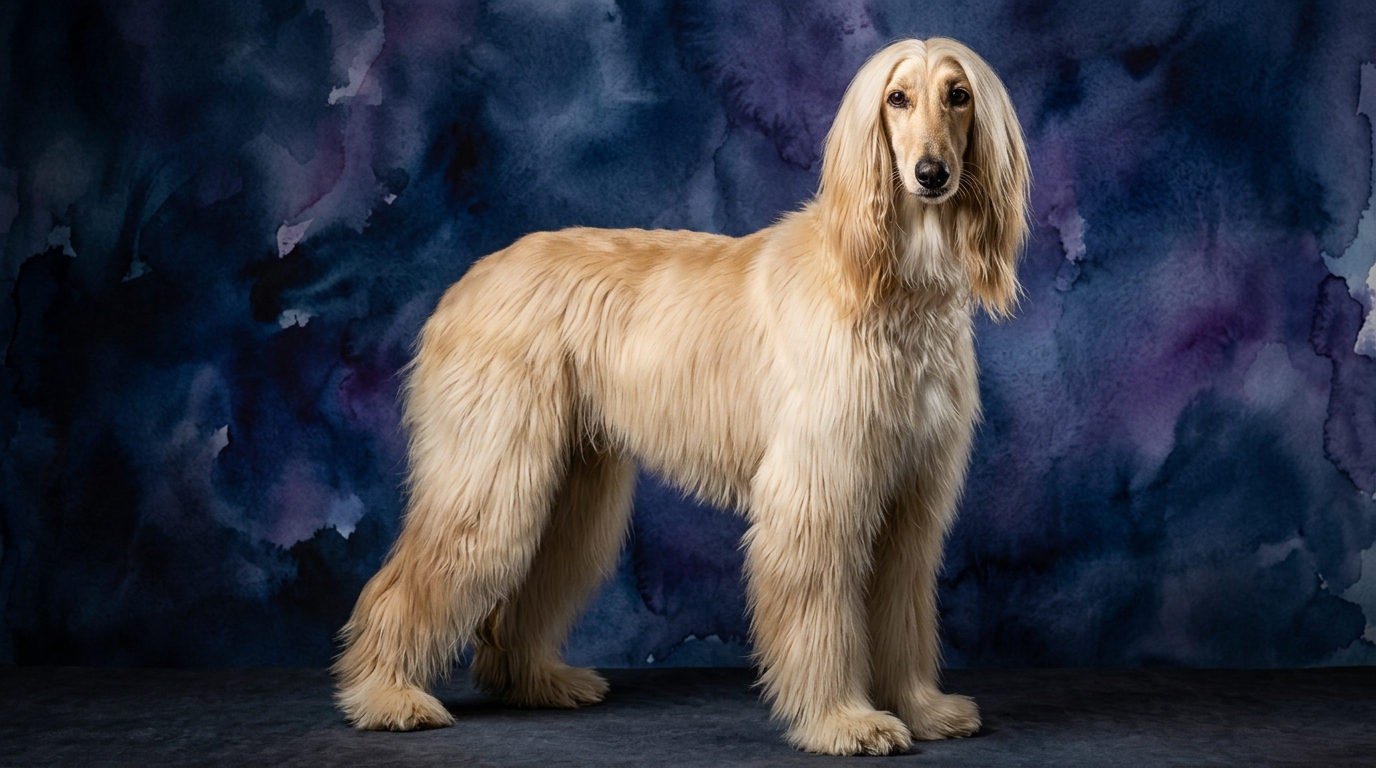
At The Cosmic Pet Pet IQ Lab, we analyze canine cognition across five key dimensions, providing a granular view. For the Afghan Hound, a sighthound bred for independent pursuit, its cognitive profile reflects strong self-reliance. Its problem-solving aptitude scores a robust 4/5, indicating a capacity for independent thought and strategic action without direct human instruction. This independence contributes to a lower training speed of 1/5, as they are not inherently driven to please. Social intelligence, at 2/5, suggests a reserved interaction style, discerning rather than overtly collaborative. An instinctive drive of 5/5 is paramount, reflecting their deep-seated urge to chase and hunt, a core part of their being. Memory, at 3/5, is solid but not exceptional.
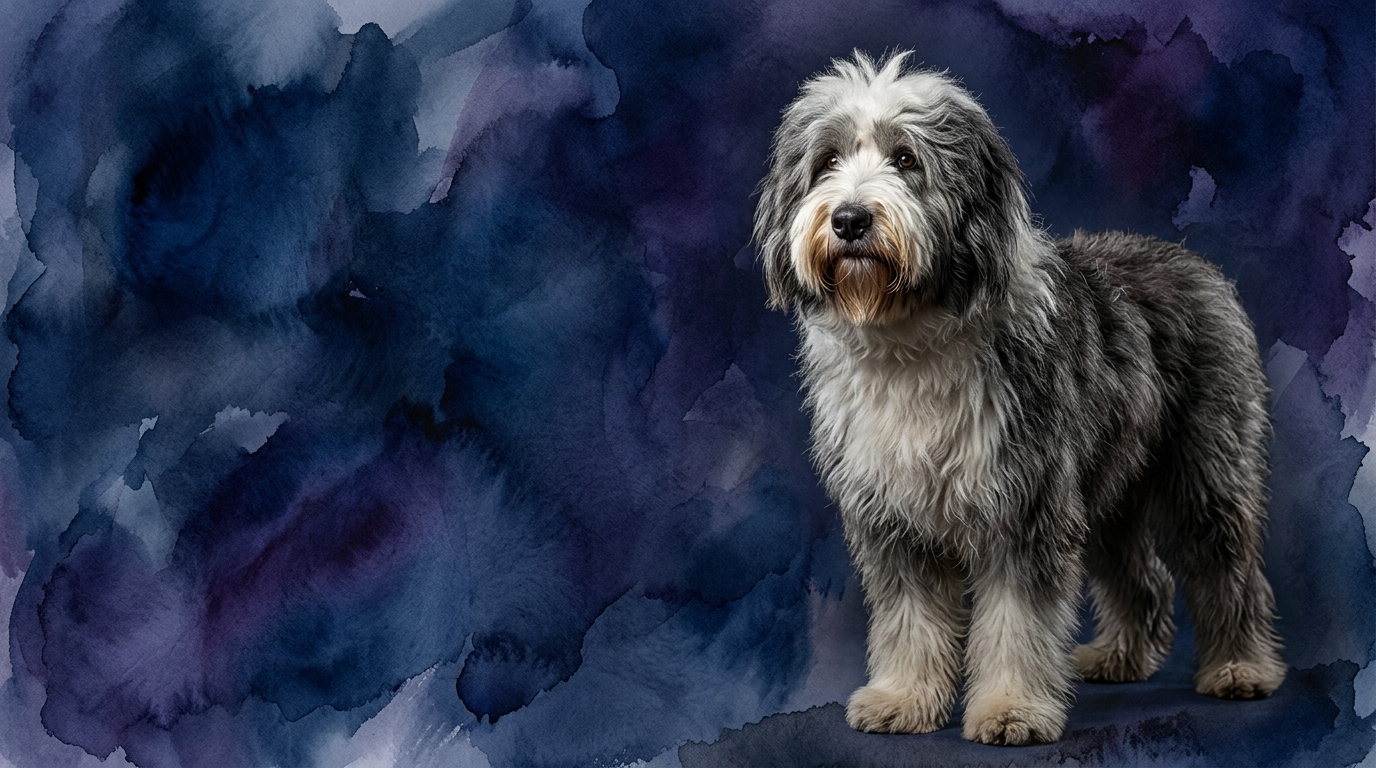
The Old English Sheepdog, from a herding lineage, was bred for close cooperation. Its problem-solving score is 3/5, competent but often geared towards situational awareness within a group. Training speed is a moderate 3/5, indicating a willingness to learn and respond, a testament to its biddable nature. Social intelligence also stands at 3/5, reflecting its need to work in concert with humans. Its instinctive drive, 3/5, is channeled towards herding. The Old English Sheepdog truly shines in memory, scoring an impressive 4/5, essential for recalling intricate flocking patterns, routes, and handler signals over extended periods.
Where the Afghan Hound Exhibits Cognitive Strengths
The Afghan Hound exhibits a distinct cognitive edge in areas demanding independent thought and intense physical drive. Its 4/5 problem-solving score means these dogs can navigate complex situations and devise solutions autonomously, a critical trait for a sighthound ranging far from its handler to pursue game. This isn't about solving puzzle toys for praise, but rather assessing environmental cues and executing a plan, like finding an optimal path or anticipating prey movements. Coupled with its perfect 5/5 instinctive drive, the Afghan Hound possesses an unparalleled focus and tenacity when its natural instincts are engaged. This drive is a deep-seated, unwavering commitment to its inherent purpose, making it incredibly persistent when motivated by a chase or a scent. This combination of independent problem-solving and supreme instinctive motivation sets the Afghan Hound apart, showcasing a mind built for self-directed action.
Where the Old English Sheepdog Excels Cognitively
Conversely, the Old English Sheepdog demonstrates superior cognitive strengths in areas of collaboration, sustained learning, and nuanced interaction. Its Coren ranking of #44, significantly higher than the Afghan Hound's #79, points to a greater capacity for working and obedience intelligence, meaning it generally understands new commands faster and obeys them more reliably. This is further underscored by its 3/5 training speed, reflecting a more receptive and cooperative disposition. Unlike the Afghan Hound's independence, the Old English Sheepdog's 3/5 social intelligence indicates a stronger inclination to engage with and respond to human cues, making it a naturally biddable partner. However, its standout cognitive advantage is its 4/5 memory. This superior recall is crucial for a herding dog, enabling it to remember complex sequences of commands, flock locations, and intricate boundaries over long periods. This memory allows for sophisticated task execution and adaptability within a cooperative framework, making it a highly reliable and responsive companion.
Training Dynamics: Which Breed is Easier to Train?
When considering ease of training, the Old English Sheepdog presents a significantly more straightforward experience. The OES's training speed of 3/5, coupled with its 3/5 social intelligence, means it is generally more eager to please and attuned to human instruction. These dogs typically respond well to positive reinforcement, quickly grasping new commands and demonstrating a desire to work collaboratively, a trait from their herding heritage. The Afghan Hound, however, with a training speed of just 1/5 and social intelligence at 2/5, is a different proposition. Their profound independence and strong instinctive drive (5/5) mean they often prioritize their own impulses over human commands. Training an Afghan Hound requires immense patience, consistency, and an understanding that their motivation often comes from within, not from a desire for human approval. They may understand what is asked but choose not to comply if it conflicts with a stronger instinct, making them challenging for novice trainers or those seeking high obedience.
Matching Breed to Lifestyle: Active vs. Relaxed Owners
The choice between these two breeds depends heavily on an owner's lifestyle. The Afghan Hound, with its 5/5 instinctive drive, is best suited for highly active owners who embrace its need for extensive exercise and mental engagement centered around its sighthound instincts. This means owners prepared for long, vigorous runs, secure off-leash areas for sprinting, or participation in lure coursing to satisfy its deep urge to chase. A relaxed owner expecting a couch potato will find themselves with a frustrated companion. The Old English Sheepdog, while certainly an active breed with a 3/5 instinctive drive, is more adaptable to a range of active lifestyles. They thrive on regular walks, engaging play, and mental stimulation through training. They require consistent activity but might be a better fit for owners who enjoy active family outings, hiking, or dog sports like agility, rather than solely focusing on high-speed pursuit. They can transition to a more relaxed home environment more readily after their exercise needs are met.
The Verdict
For those seeking an independent, elegant companion whose challenges stem from its profound self-reliance and powerful instincts, the Afghan Hound is an unparalleled choice.
If you desire a cooperative, responsive, and highly trainable partner with excellent recall and a strong family bond, the Old English Sheepdog will be a more fulfilling match.
🧠 Find Your Pet's IQ Score
Our Pet IQ Lab assessment covers 25+ tests across 5 cognitive dimensions — personalized to your breed.
Take the Full IQ Test →Frequently Asked Questions
Do Afghan Hounds require a lot of mental stimulation?
Yes, absolutely. While their training speed is low, their high problem-solving ability and intense instinctive drive mean they need consistent outlets for their minds and bodies, often through activities like lure coursing or extensive scent work.
How does an Old English Sheepdog's memory benefit them?
An Old English Sheepdog's strong memory is crucial for its historical role as a herding dog, allowing it to recall complex multi-step commands and remember the layout of fields. This translates to a dog that excels in advanced obedience, agility, and can learn intricate routines efficiently.
Is the Coren ranking the only measure of a dog's cognitive abilities?
No, the Coren ranking primarily assesses working and obedience intelligence, focusing on command learning and obedience reliability. Our Pet IQ Lab's five-dimensional profile offers a more nuanced view, evaluating problem-solving, social intelligence, instinctive drive, and memory, which are equally vital aspects of canine cognition.